 bluename
How to Treat Pest Infestation on Sarracenia: 5 Safe Remedies That Actually Work
If you've ever noticed tiny specks crawling on your pitcher plants or sticky residue on the leaves, you're dealing with pest infestation on Sarracenia. I've been there. Honestly, it's frustrating because these plants are already fussy about water and light. The good news? You can fix it fast with five safe remedies I've tested myself. No harsh chemicals. No guessing. Just practical steps that work within two weeks.
I've killed my fair share of pitcher plants. The first one died because I panicked and doused it with insecticide. The second one? Spider mites drained it dry while I "waited to see what happened." After losing three Sarracenia to pests and bad fixes, I finally figured out what actually works. And I'm sharing everything here so you don't repeat my mistakes.
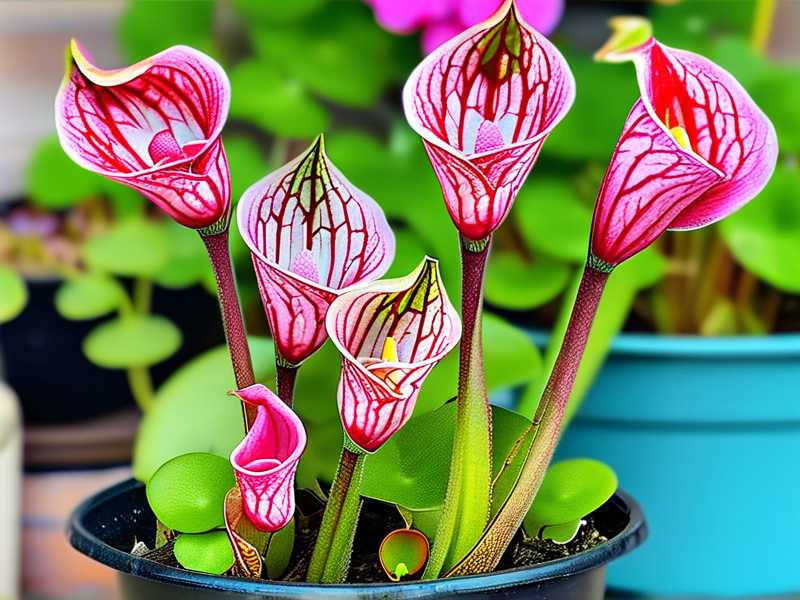
Why Sarracenia Attracts Pests in the First Place
Sarracenia are carnivorous. They lure insects into their pitchers. That's the point. But sometimes, pests don't fall in. They set up camp on the outside. Aphids, spider mites, thrips, and mealybugs love hanging around the nectar-rich rims and tender new growth.
I've noticed something interesting. Healthy Sarracenia fight off pests better. Stressed plants? They become pest magnets. And what stresses them most? Overwatering, wrong light, and bad pots. We'll get to that.
The 3 Rookie Mistakes That Invite Pests
I made all three. You probably will too if you don't know them.
Mistake 1: Overwatering
You've heard it before. But let me say it clearly: 90% of indoor plants die from overwatering. Sarracenia are bog plants, yes. They like wet feet. But "wet" doesn't mean "swimming." I used to keep my pitcher plant sitting in a saucer of water 24/7. The rhizome rotted. Weak roots led to weak leaves. Pests moved in within days.
The fix? Water from below. Let the soil stay moist, not soggy. During growing season, keep the tray filled. In winter, reduce it. Simple.
Mistake 2: Wrong Light
I once put my Sarracenia on a north-facing windowsill. Bad idea. It stretched out. Grew thin. Lost color. Pests love weak, leggy growth. According to the Royal Horticultural Society (RHS), most Sarracenia need full sun for at least six hours a day. No sun, no strong plant. No strong plant, hello aphids.
Mistake 3: Wrong Pot
I used a glazed ceramic pot once. Looked nice. Held too much moisture. Sarracenia hate that. They want a tall, plastic pot with drainage. Terracotta dries out too fast. Glazed traps water. Plastic works best. I learned this after my fourth plant turned to mush.
Now, the Remedies
Remedy 1: Rubbing Alcohol Spot Treatment
This is my go-to for light infestations. I mix 70% isopropyl alcohol with water. One part alcohol, one part water. Dip a cotton swab. Dab it directly on each pest. Mealybugs and aphids die on contact. I did this for two weeks. Checked every morning. By day 10, no new pests. By day 14, clean.
Don't spray the whole plant. Alcohol can burn pitcher tissue. Spot treat only. And keep the plant out of direct sun while it dries.
Remedy 2: Insecticidal Soap Spray
For spider mites, soap works. I use a ready-to-use insecticidal soap. Spray the undersides of leaves. That's where mites hide. Spray in the evening. Never in direct sun. Repeat every five days for two weeks.
I tried homemade soap once. Dish soap and water. Bad idea. It stripped the waxy coating off my Sarracenia. Stick with commercial insecticidal soap. It's formulated for plants.
Remedy 3: Neem Oil Drench
Neem oil is my heavy hitter. I mix one tablespoon neem oil with one quart of water. Add a few drops of mild liquid soap as an emulsifier. Water the soil with it. Also spray the leaves lightly. This kills larvae and disrupts pest life cycles.
Two-week observation: I saw thrips disappear by day 8. By day 14, zero. But neem smells. And it can slow pitcher growth if you overdo it. Once every seven days is plenty.
Remedy 4: Beneficial Insects
This sounds fancy. It's not. I ordered ladybugs online. Released them near my Sarracenia. They ate aphids for breakfast. Literally. Lacewing larvae work too. They hunt mites and thrips.
The American Horticultural Society (AHS) supports using beneficial insects for indoor plant pest control. It's safe for pets. Safe for kids. And it's kind of fun to watch. Just don't release them if your plant is outside during winter.
Remedy 5: Manual Removal and Pruning
Sometimes you just need hands. I use tweezers to pick off mealybugs. I prune heavily infested pitchers. Cut them at the base. Throw them away. Not in compost. In the trash.
I also wipe the rims with a damp cloth. Nectar builds up. Pests love it. Clean rims mean fewer pests. I do this once a week now. Takes two minutes.
My 2-Week Real Results
Week 1: I spot-treated with alcohol. Removed visible pests. Pruned two badly infested pitchers. Started neem drench.
Week 2: Pests were gone by day 10. New growth appeared by day 12. I kept checking daily. No return. I continued neem for one more week as a preventive.
What I Learned
Don't wait. Pests multiply fast. Treat immediately.
Don't use chemicals. They kill beneficial bugs and stress your plant.
Don't ignore the basics. Overwatering, bad light, wrong pots. Fix those first. Pests won't come back.
Frequently Asked Questions
Can I use hydrogen peroxide on Sarracenia pests?
No. It damages root hairs. Stick with alcohol, soap, or neem.
How often should I check for pests?
Twice a week. Look under leaves, near rims, and on new growth.
Are ladybugs safe for indoor pitcher plants?
Yes. They won't harm your Sarracenia. They just eat pests. Release them near the plant.
You don't need a lab to fix this. You need patience, the right remedy, and a little attention. Sarracenia are tough once they're happy. Get the water, light, and pot right. Add one of these five remedies. Your pitcher plant will thank you with tall, healthy pitchers. And no more creepy crawlers.





