 bluename
How to Trim Sarracenia Dead Pitchers: 4 Proper Pruning Tips
If your pitcher plant looks like a cluster of brown, crispy tubes, don't panic. I've been there. The first time my Sarracenia flava turned into what I can only describe as "dead sticks in a pot," I assumed I'd killed it. Turns out, learning how to trim Sarracenia dead pitchers is one of the simplest things you can do for the plant's long-term health — and it takes about ten minutes.
Here's the short answer: cut dead pitchers back to the base of the plant with clean, sharp scissors, but only after the pitcher has fully browned. Do it in late winter or early spring before new growth emerges. That's it. Everything else below is the detail that keeps you from making my mistakes.
I've now grown pitcher plants for six seasons across two climates, and I've killed three of them along the way — one from root rot, one from a bad winter, and one from a pruning job I did way too aggressively. So this isn't theory. This is what actually works.
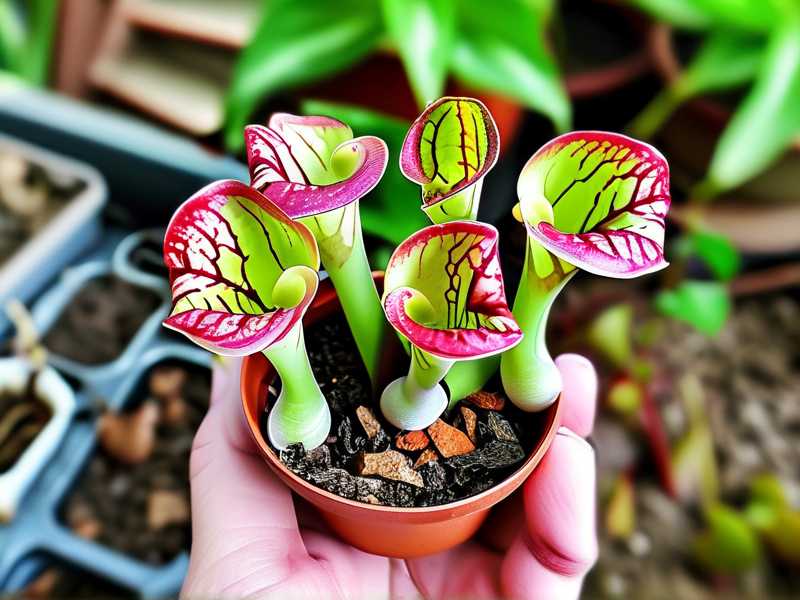
Why Pruning Dead Pitchers Actually Matters
A lot of new growers think dead pitchers are just ugly. Fair. They are ugly.
But there's more going on. Dead and dying pitchers are prime real estate for fungal problems, especially in humid climates or when you're growing indoors. Botrytis is the big one — it shows up as fuzzy gray mold on rotting tissue and can spread into the rhizome before you notice.
There's also the light factor. A Sarracenia choked with last season's dead growth shades out the new pitchers coming up from the crown. Removing the old stuff lets light hit the growing points.
And honestly? Pest inspection. When you're trimming, you're up close and personal with the plant. That's when I've caught scale, aphids, and once a suspicious slug hiding in a soggy pitcher.
The Royal Horticultural Society notes that regular removal of dead and diseased plant material is one of the most effective cultural controls for fungal disease in carnivorous plants — and my own experience backs that up completely.
Tip 1: Know When a Pitcher Is Actually Dead
This is where I messed up early on. I'd cut pitchers that were "mostly brown" and then wonder why the plant stalled.
A pitcher isn't done until it's brown all the way down to the base, dry, and hollow-feeling. If the bottom third is still green or firm, leave it. That green tissue is still photosynthesizing and feeding the rhizome.
I learned this the hard way with a Sarracenia leucophylla. I trimmed in late summer because the tops looked rough, and the plant went dormant early that year. Weak growth the following spring. Not worth it.
The pinch test: gently squeeze the pitcher. If it crunches, it's dead. If it bends or feels leathery, wait.
Tip 2: Cut at the Right Angle and the Right Height
You want sharp bypass pruners or scissors. Not kitchen shears that crush the tissue — crushed stems invite rot.
Cut about half an inch above the soil line, at a slight angle. The angle matters because it stops water from pooling on the cut surface, which is exactly how you get crown rot in a wet climate.
I tried cutting flush with the soil once, thinking cleaner was better. In hindsight, that was a mistake. The cut sat in constant moisture and the rhizome developed a soft spot. I caught it early, dusted with cinnamon (yes, really — it's a mild antifungal), and the plant survived. But I don't cut flush anymore.
For healthy green pitchers that are just old and leaning, you can cut them back by two-thirds instead of removing them entirely. They'll keep feeding the plant.
Tip 3: Timing Beats Technique Every Time
You can have the sharpest pruners on the market and still hurt your plant by pruning at the wrong moment.
Sarracenia has a clear seasonal rhythm:
- Spring: new pitchers emerge. Don't touch anything green.
- Summer: peak growth. Only remove fully dead tissue.
- Fall: pitchers start browning from the top down. Hold off.
- Late winter / early spring: this is your window. Everything dead comes off before new growth pushes.
The exception is diseased tissue. If you see mold or rot, remove it immediately, regardless of season.
The American Horticultural Society recommends pruning dormant perennials during their dormant window to minimize stress — and pitcher plants are no different. Cutting during active growth sets them back.
Tip 4: Sterilize Your Tools (Every Single Time)
This one sounds fussy. It isn't.
Pitcher plants are prone to fungal and bacterial issues, and dirty pruners transfer pathogens from plant to plant in seconds. I used to skip this step. Then I lost a beautiful Sarracenia purpurea to what I'm fairly sure was cross-contamination from a plant I'd bought at a big-box store.
Now I wipe my blades with 70% isopropyl alcohol before and after every plant. Takes ten seconds.
Also — cut into a bucket, not onto the soil. Dead pitcher fragments left sitting on the potting mix create a mold nursery.
My 2-Week Observation After a Proper Trim
I trimmed my Sarracenia collection on a Sunday in late February. Here's what I actually saw:
- Day 1-3: the plant looked naked and sad. Normal. Don't panic.
- Day 5: small nubs of new growth appeared at the crown. This is the payoff.
- Day 10: new pitchers were clearly elongating. Noticeably faster than the year I trimmed late.
- Day 14: distinct pitchers with visible hoods forming.
The difference between an on-time trim and a late trim was about ten days of growth in my conditions. That's real.
The Three Beginner Mistakes That Kill Pitcher Plants
Let's talk about the stuff that actually kills these plants, because pruning mistakes are usually secondary.
Mistake 1: Overwatering
Here's the line you'll see everywhere, and it's true: 90% of indoor plants die from overwatering. Pitcher plants are bog plants, so people assume they want to sit in water 24/7. They don't — not in pots without drainage, anyway.
I killed my second Sarracenia this way. Waterlogged soil, no drainage, rhizome turned to mush in under three weeks.
Fix: Use a pot with drainage holes and a tray. Let the tray dry out for a day or two between refills. Standing water is fine; stagnant, oxygen-free soil is not.
Mistake 2: Wrong Light
Sarracenia is a full-sun plant. Indoors, that means a south-facing window at minimum, or a strong grow light.
Low light produces weak, floppy pitchers that rot easily and never develop proper color. If your pitchers are pale green and thin, it's a light problem, not a water problem.
Mistake 3: The Wrong Pot
Terracotta wicks moisture away from the soil and dries out a bog plant fast. Glazed ceramic with no drainage drowns it. I've made both mistakes.
Fix: Plastic or glazed pots with drainage holes. Unglazed terracotta is the one to avoid.
Frequently Asked Questions
Can I trim dead pitchers in summer?
You can remove fully dead tissue any time of year. Just avoid cutting healthy green pitchers during summer — the plant is actively using them for energy.
Should I cut the flower stalks too?
Yes, once they've finished blooming and turned brown. Cut them at the base. If you don't want seeds, removing the stalk early redirects energy to pitcher growth.
What do I do with the trimmed material?
Compost it if it's disease-free. If there's any sign of mold or rot, bag it and throw it out. Don't leave it on the soil surface.
Where I've Landed After Six Years
I trim once a year, in late winter, with alcohol-wiped scissors, cutting half an inch above the soil at an angle. I don't rush it. I don't cut green tissue. And I've stopped losing plants to rot.
If you're newer to these plants, the single best habit you can build is the pinch test. It saves you from over-pruning more than any other trick. Everything else — timing, tools, technique — follows from there.





