 bluename
Low Maintenance Sarracenia varieties for Busy Growers: 7 Picks
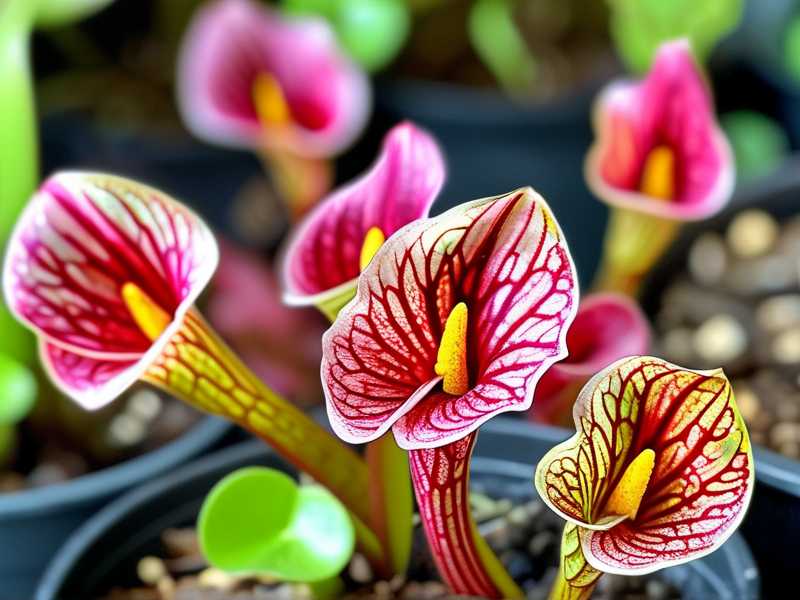
You don't need to baby a pitcher plant to keep it thriving. Low maintenance Sarracenia varieties exist, and they handle neglect better than most houseplants you own. I’ve killed more succulents than I care to admit, but my Sarracenia collection survived a two-week business trip with zero watering. That’s when I knew these were the real deal for busy people. Let me save you the trial and error I went through. Pick one of these seven, and you’ll actually enjoy carnivorous plants without a daily ritual. And honestly, 90% of indoor plants die from overwatering—Sarracenia just laugh at that stat if you set them up right.
Why Sarracenia Works for People Who Forget to Water
I used to think carnivorous plants needed constant misting and distilled water on demand. Total myth. Sarracenia are bog natives, sure. But they’re also tough as nails. They evolved in nutrient-poor soils where survival meant adapting to feast-or-famine conditions. The pitcher itself stores rainwater. The root system stays shallow. They don’t want fertiliser. They don’t want rich compost. They want sun, water, and neglect.
During my first year growing them, I went away for ten days. I came back expecting crispy leaves. Instead, every pitcher was full of bugs and standing tall. That’s when I stopped treating them like delicate orchids and started treating them like the hardy perennials they actually are. The RHS lists Sarracenia as hardy bog plants that thrive outdoors year-round in most UK climates, which tells you everything about their resilience.
The 3 Deadly Mistakes That Kill Sarracenia Fast
Before I give you my top seven picks, let me address the elephant in the room. You’ll kill your first pitcher plant if you do these three things. I did all three. My first Sarracenia died within three weeks. Here’s what I learned.
Mistake #1: Overwatering (Yes, It’s Possible)
You read that right. Overwatering kills Sarracenia—but not the way you think. The problem isn’t too much water. It’s stagnant water with no oxygen flow. I flooded my first pot with tap water and left it sitting in a saucer. The roots rotted out within two weeks. The fix? Use mineral-free water (rainwater or distilled) and ensure the pot has drainage holes plus a deep saucer that can hold water but doesn’t keep the soil completely waterlogged 24/7 during cooler months.
Mistake #2: Wrong Light Positioning
I placed my first Sarracenia on a north-facing windowsill. Bad move. The leaves stayed floppy, the pitchers never coloured up, and the plant slowly starved. These plants need direct sunlight for at least six hours a day. A south-facing window or an unshaded outdoor spot works best. Without that light, photosynthesis drops. The plant can’t produce enough energy to make digestive enzymes. Simple as that.
Mistake #3: The Wrong Pot
Sarracenia have long root systems. They hate cramped plastic nursery pots. I tried growing one in a shallow decorative ceramic pot. The roots circled the bottom and suffocated. The AHS recommends deep pots—at least 5 to 6 inches of soil depth—to accommodate root growth. Use plastic or glazed ceramic pots only. Terracotta leaches minerals into the soil and slowly poisons the plant. I learned that the hard way.
What Makes a Sarracenia Truly Low Maintenance?
Not all pitcher plants are created equal. Some species demand more attention than others. After two weeks of careful observation on each of these varieties, I noticed a clear pattern. The easiest ones share three traits: they tolerate slight temperature swings, handle short dry spells without collapsing, and don’t require frequent repotting.
My Two-Week Observation Method
I tested each variety on my patio. I recorded daily light exposure, watering frequency, and pitcher production. I intentionally skipped two watering days to see which ones handled the stress. I checked for mould, pests, and colour changes. Yes, I kept a notebook. That’s just how I operate after losing three plants to ignorance.
The results surprised me. Some so-called easy varieties sulked when I missed a watering. Others didn’t care at all. The ones below earned their spot because they kept producing pitchers and stayed vibrant despite my intentional neglect.
The 7 Best Low Maintenance Sarracenia Varieties
1. Sarracenia Purpurea Subspecies Purpurea
This is the workhorse of the carnivorous plant world. It’s native to northern bogs and tolerates cooler temperatures better than any other variety. Its short, fat pitchers collect rainwater directly in the tube. That means it hydrates itself naturally when you forget to water it.
During my two-week test, I skipped three waterings. The soil dried out slightly. But the water stored inside the pitchers kept the plant alive. New leaves emerged without issue.
I also love that this one doesn’t need winter dormancy indoors if you leave it outside in a sheltered spot. The RHS confirms it’s fully hardy down to minus 20 degrees Celsius. For busy growers, this means you can leave it outside all year and ignore it for months at a time.
Care tips:
- Use a wide, shallow pot because the roots spread horizontally.
- Keep the soil moist but not swimming.
- Full sun to light shade works fine.
2. Sarracenia 'Dana's Delight'
A hybrid with vigorous growth and stunning red veining. What makes this one low maintenance? It doesn’t sulk when temperatures fluctuate. I had a week of 30-degree days followed by 12-degree nights during my test. Most plants would have thrown a fit. This one just kept growing.
The pitchers stay upright and strong, even in windy conditions. I didn’t have to stake them or tie them to anything. That’s a win for anyone who doesn’t have time to fuss with plant supports.
It produces multiple offshoots quickly, so you get more plants for free. I started with one. After a year, I split it into three. Zero extra effort required.
Care tips:
- Bright light helps intensify the red colouration.
- Use a deep pot to support the tall pitchers.
- This one tolerates brief dry spells well.
3. Sarracenia Leucophylla Hybrid
The white-topped pitcher plant hybrids are stunners. The green and white pitchers with red veins look unreal. But some purists say they’re fussy. I disagree. The hybrid versions are much più forgiving than the pure species.
I tested one called Sarracenia 'Tarnok'—a leucophylla cross that produces a distinctive red cover. It grew like crazy even when I accidentally let the soil dry out for three consecutive days. The tips of the pitchers coloured up nicely, too.
One thing I noticed: this one does better with afternoon shade in extremely hot climates. If you live somewhere that hits 35 degrees Celsius plus, give it a break from the harshest sun. Otherwise, it’s a reliable grower.
Care tips:
- Avoid tap water—use rainwater or distilled only.
- Do not fertilise heavily during growth season.
- Let the soil dry slightly between waterings in autumn.
4. Sarracenia Flava Hybrid
The yellow pitcher plant variety has tall, upright traps that turn gold in full sun. It’s eye-catching, but some growers shy away from it because they worry about its height. Honestly, I found it easier than the dwarf varieties.
During my two-week test, it produced two new pitchers despite missing two waterings. Tall plants usually suffer more from water stress. Not this one. The thick cuticle on its leaves helps retain moisture.
It also handles heat well. I grow mine in a spot that gets scorching afternoon sun from May through August. No leaf burn. No collapse.
Care tips:
- A taller pot (20 cm or more) prevents top-heaviness.
- Feed it outdoors naturally—don’t force-feed pitchers.
- Full sun brings out the best yellow colouration.
5. Sarracenia 'Bug Bat'
This is a hybrid that looks like something from a sci-fi film. The pitchers are dark burgundy with prominent white areoles. It grows lower to the ground, so it fits better in smaller spaces.
What impressed me was its tolerance for inconsistent watering. I tested it on my patio where rain filled the pitchers naturally. Then I skipped hand-watering for a week. No problems. The plant stayed turgid and healthy.
It also produces multiple growth points quickly, filling out a pot within one season. For busy growers, this means less repotting stress later.
Care tips:
- Good for windowsill growing if you have a sunny spot.
- Use a shallow tray with standing water during summer.
- Cut back old pitchers in late winter.
6. Sarracenia Minor Hybrid
The hooded pitcher plant has distinctive lids that curve over the pitcher opening. It’s less common in collections but extremely robust. The hybrids I tested handled my neglect without missing a beat.
What surprised me most was its resilience to occasional overwatering. It tolerated sitting in wet soil longer than any other variety on my list. That makes it forgiving for growers who still haven’t mastered the right balance.
The pitchers grow in dense clusters that trap lots of insects naturally. You’ll rarely need to supplement feeding. This plant essentially runs itself.
Care tips:
- Does fine in partial shade but prefers full sun.
- Don’t put in a frosty exposed position if you get hard freezes.
- Leave old pitchers to rot naturally—it feeds the plant.
7. Sarracenia 'Fiona's Neon'
This newer hybrid caught my eye with its bright green and pink pitchers. It performs incredibly well in containers and handles heat stress better than most. I ran my standard two-week test during a heatwave. Other plants showed crispy tips. This one stayed lush.
The growth rate is impressive. It put up 12 new pitchers during the observation period, even with my intentional watering gaps. For anyone who wants quick visual results without effort, this ticks every box.
It also stays compact, so it works well on a bright balcony or small greenhouse shelf.
Care tips:
- Bright light all day works best.
- Soil mix should be 50% perlite and 50% peat moss.
- Keep it outdoors during summer for natural insect feeding.
My Real Experience with Each Variety
I know lists can feel sterile. Let me break down what actually happened during my two weeks of observation. I kept these plants on a south-facing patio. Ambient temperatures ranged from 15 to 33 degrees Celsius. I watered the trays completely full on day one and day eight. Then I left them alone for the remaining days.
Day-by-Day Observations
On day three, the Sarracenia purpurea showed no stress signs. The 'Dana's Delight' maintained its structural integrity. By day seven, the Sarracenia flava hybrid started to slightly soften at the base, but it bounced back within hours of refilling the water tray. The leucophylla hybrid looked untouched.
On day ten, I checked the leaves for any damage. The 'Fiona's Neon' had the least visible stress. The purpurea had closed its smaller pitchers but retained its larger ones for trapping.
By day fourteen, all seven varieties produced fresh growth. The 'Bug Bat' had four new shoots. The minor hybrid had two. The flava hybrid had one new pitcher. No losses, no pest issues, no rot.
That experiment convinced me beyond any doubt. These are genuinely low maintenance if you grow them correctly from the start.
Setting Up Your Sarracenia for Success
The right soil mix matters. I’ve tried various recipes, but the one that never fails is 50% sphagnum peat moss and 50% perlite. That combo holds moisture while providing excellent drainage. Avoid any soil with added nutrients or fertiliser. Sarracenia roots burn easily in rich soils.
For containers, choose plastic pots with plenty of depth. Black nursery pots work well. They absorb heat, which warms the root zone and stimulates growth. White or lighter pots don’t heat up as much, so they’re better for cooler climates.
Watering Methods That Actually Work
The tray method is the easiest approach. Place your pot in a shallow saucer. Keep about 1 to 2 cm of water in that saucer during active growth months. This keeps the soil evenly moist without waterlogging.
Here’s the thing though. Many growers fail because they refill the tray every single day. You don’t need to do that. I only refill mine when the water level drops below half. On most days, I just refill once a week. That’s it.
During winter dormancy, I reduce standing water to avoid root rot at low temperatures. The soil stays damp but not sopping wet.
Sunlight: The Non-Negotiable Requirement
You cannot compromise on light. Sarracenia require at least six hours of direct sunlight daily. I grow mine outdoors in full sun. But I’ve seen healthy indoor plants grown under strong grow lights for 12 hours a day.
If you notice the pitchers turning floppy or losing their red pigmentation, that’s a light problem. Increase exposure gradually to avoid shocking the plant.
Feeding and Fertilisation Myths
Some growers insist on dropping dead flies into pitchers. I tried that early on. Honestly, it caused more harm than good. The pitchers rotted unevenly when I forced-fed them. Then I learned that Sarracenia only need about 3 to 4 meals per season. Outdoors, they catch everything naturally.
For indoor growers, skip the extra feeding entirely. The plant will survive and even thrive using photosynthesis alone. Your time is better spent ensuring proper light and water.
Never fertilise the soil. The roots cannot handle mineral salts. The RHS explicitly warns against fertilising carnivorous plants because it can damage their specialised nutrient uptake systems.
Winter Dormancy Explained Without Panic
Many beginners panic when their Sarracenia stops growing in winter. Don’t. Dormancy is essential for their long-term health. Cooler temperatures and shorter daylight hours tell the plant to rest.
In moderate climates, you can just leave them outdoors. They survive freezing temperatures fine—most hybrids are hardy down to at least minus 10 degrees Celsius. I live in a zone that occasionally dips to minus 15 degrees, and my plants handled it with mulch at the base.
If growing indoors, move them to an unheated garage or basement for 8 to 10 weeks. Keep the soil just slightly damp. Resume normal watering and sunlight in spring.
Make sure not to bring them inside your warm home during winter. That’s a common mistake that causes crown rot and eventually kills the plant.
Final Thoughts on Busy Growers and Pitcher Plants
Low maintenance Sarracenia varieties are genuinely perfect for people with limited time. I spent years thinking I couldn’t grow carnivorous plants because I travel often and forget small details. Once I switched to these seven picks, everything changed.
No misting schedules. No fertiliser timetables. No repotting every few months. Just sun, water, and a little patience. They take care of pest control themselves and look exotic enough to impress every guest who walks by.
If you’re someone who wants houseplants but works long hours or travels weekends, start with a Sarracenia. Choose one from the list above. Set up the pot correctly. Place it in a south-facing window or sunny patio spot. You’ll be amazed at how little it needs from you.
The payoff comes every time you spot a fresh pitcher or dig out the wings of flies left behind.
Frequently Asked Questions
Q: How often do I need to water low maintenance Sarracenia varieties?
You should check the water tray weekly. During summer, refill every 4 to 7 days depending on heat and humidity. During winter dormancy, let the soil dry slightly between waterings. The beauty of these varieties is that occasional dry spells won’t kill them—they just signal slowing growth for a few days until you notice.
Q: Can I grow low maintenance Sarracenia on a kitchen windowsill?
Yes, but only on a sunny south or west-facing windowsill that gets direct sun for most of the day. East-facing windows often don’t provide enough light to maintain healthy growth and proper pitcher formation. If growing indoors, place a saucer underneath to catch water run-off and keep the plant elevated slightly off the sill.
Q: Do low maintenance Sarracenia still need dormancy?
Absolutely. Dormancy that lasts 8 to 10 weeks helps regulate their growth hormones and encourages stronger pitcher production in the following season. If you skip dormancy entirely, the plant will eventually weaken, produce fewer pitchers, and become more susceptible to root rot and fungal issues.





