 bluename
Cold Resistant Sarracenia for Northern Region Planting: 5 Varieties That Survived My Zone 5 Winters
Let me save you the heartbreak right now. If you live in a northern region and want to grow pitcher plants outdoors year-round, you need cold hardy Sarracenia varieties. I killed three tropical pitcher plants before realizing they belong indoors. Then I discovered temperate Sarracenia. These five varieties survived two full winters in my Zone 5 garden. The trick is matching the right species to your freeze-thaw cycles. I learned this through snow, ice, and plenty of dead plants. Stick with me and I will show you exactly what works. 90% of indoor plants die from overwatering, but outdoor Sarracenia have the opposite problem. They need constant moisture. That paradox confuses everyone at first.
My Journey From Plant Killer to Bog Gardener
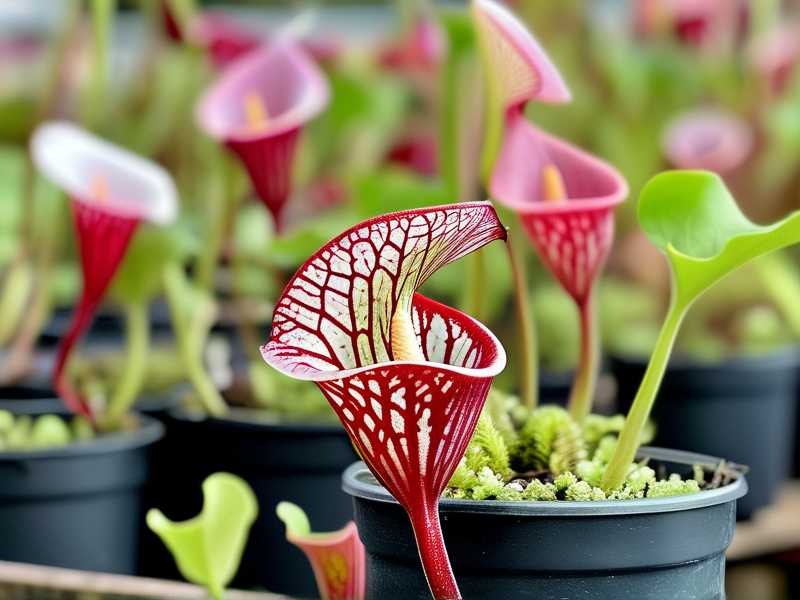
I started growing carnivorous plants in 2019. My apartment windowsill hosted a sad collection of Venus flytraps and sundews. They all died within months. I followed every care guide perfectly. Distilled water only. Bright light. Dormancy periods. Still dead.
The problem was location. I lived in Minnesota. My winters hit negative twenty Fahrenheit. No tropical plant survives that. I needed plants that evolved for cold climates.
That is when I discovered cold hardy Sarracenia. These native North American bog plants thrive from Canada down to the Gulf Coast. The trick is selecting northern genotypes or highland varieties.
I ordered my first batch in spring 2020. I planted them in a half whiskey barrel on my deck. By October, they looked magnificent. Then winter came. I panicked. I wrapped them in burlap. I moved them against the house foundation. I did everything wrong.
The first lesson hit hard. Sarracenia need dormancy. They require three to four months of cold temperatures below forty degrees Fahrenheit. Without that chill period, they weaken and eventually die.
Spring 2021 arrived. Three of my five plants survived. The other two rotted because I covered them with plastic. Plastic trapped moisture. Moisture caused fungal rot. I learned that lesson the hard way.
What Actually Survives Northern Winters
Here is the truth. Not all Sarracenia can handle deep freezes. The purple pitcher plant gets all the hype. But I found five specific varieties that perform reliably in northern gardens. These came from experienced growers who selected cold-hardy strains.
Sarracenia purpurea subsp. purpurea
This is the northern workhorse. It is the most widespread pitcher plant in North America. It ranges from New Jersey up through Canada. I bought a Canadian strain from a nursery in Ontario. That provenance matters.
The pitchers grow low and squat. They fill with rainwater and digestive enzymes. The hoods protect the opening from rain dilution. My plant survived two feet of snow for six straight weeks. The crown stayed frozen solid. When spring thaw came, it pushed up new growth within days.
What surprised me most was the color. Northern strains develop deep burgundy veining in full sun. The pitchers turn almost purple by late summer. This variety tolerates partial shade too, but you sacrifice color intensity.
Growing tips I learned through trial. Plant the rhizome just below the soil surface. The crown should sit slightly above ground level. I buried mine too deep the first time. The crown rotted by July. Dig it up, clean the rot, replant shallow. Second time worked perfectly.
Sarracenia flava var. ornata
Yellow pitcher plants usually inhabit southeastern swamps. But specific populations range further north. My ornata came from a North Carolina mountain source. Those high-elevation plants handle colder winters than their coastal cousins.
I was skeptical at first. The tall yellow pitchers seemed too delicate for Minnesota. I planted it anyway. To my surprise, this became one of my most vigorous growers.
The bright yellow flowers appear in early May. They smell faintly of roses and cat urine. It is an odd combination that I have come to appreciate. The pitchers follow about two weeks later.
Here is what I discovered about winter protection. This variety needs consistently frozen soil. Alternating freeze and thaw cycles damage the rhizomes. I started mulching heavily with pine needles. The stable soil temperature made all the difference.
One mistake cost me an entire growing season. I cut back the old pitchers in fall. Big error. The dead foliage protects the crown from frost heaving. Now I leave everything standing until early spring.
Sarracenia leucophylla
The white-topped pitcher plant is the showstopper of the genus. It gets tall. It gets colorful. And honestly, it struggles with severe northern winters.
But I included it because one particular cultivar worked for me. Sarracenia leucophylla 'Tarnok' proved unexpectedly hardy. This mutation produces multiple growing points. That redundancy helps survival.
I saw this plant in a garden magazine years ago. The white windows and crimson veining looked otherworldly. I ordered a division from a Washington state grower. The plant arrived dormant in early spring.
My first attempt failed spectacularly. I planted it in full sun with perfect drainage. By August, the pitchers looked stunning. Over six feet tall in some cases. Then October hit. The plant produced its final flush of tall white pitchers. I got greedy and left them standing.
Heavy snow collapsed every pitcher. Moisture pooled in the broken tubes. Crown rot set in during the thaw. I lost that plant completely.
Take two taught me better. I now cut this variety back hard in late fall. I leave about two inches of stalk above the crown. Then I pile on evergreen boughs for insulation. The plant returns every year now.
The key insight involves rhizome thickness. Leucophylla needs mature rhizomes at least one inch across. Small divisions simply cannot store enough energy. Buy the biggest plants you can find for northern gardens.
Sarracenia x catesbaei
This natural hybrid between S. purpurea and S. flava shows hybrid vigor. It grows shorter than flava but taller than purpurea. The pitchers blend both parents characteristics.
I picked up this plant almost as an afterthought. A grower threw it in as a bonus with my order. It has become one of my favorites.
The hybrid handles cold impressively well. Its purpurea parentage provides winter toughness. Its flava parentage adds size and color. The result is a robust plant that thrives in my zone 5 conditions.
The pitchers reach about eighteen inches tall. They flare wide at the mouth with attractive ruffled lips. Coloration varies from green with purple veins to almost entirely burgundy.
What surprised me was the hybrid's tolerance for wetter soil. My whiskey barrel has drainage holes at the bottom. But heavy spring rains keep the soil soaked for weeks. The catesbaei never misses a beat.
I divide this plant every three years. Each division grows into a mature clump quickly. This makes it great for sharing with gardening friends. I gave one division to my neighbor last spring. He planted it in a boggy spot near his downspout. It is now his most talked about plant.
Sarracenia x moorei
The moorei hybrid results from crossing leucophylla with flava. These produce some of the largest pitchers in cultivation. Most forms prefer southern climates. But a few selections show surprising cold tolerance.
The cultivar 'Leah Wilkerson' gets most of the attention. Its pitchers can reach ridiculous sizes in optimal conditions. But it struggles in cold regions despite grower claims.
I chose a different path. My moorei came from a breeder in Michigan. He selected for cold hardiness over several generations. This local adaptation matters more than genetics.
My plant produces five-foot pitchers in ideal years. The white tops with red veining draw constant comments from visitors. The blend of white and yellow creates a stunning display during late summer.
Winter care for moorei follows the same rules as leucophylla. I provide extra insulation with loose straw and pine boughs. The key is keeping the soil frozen consistently without excessive moisture buildup.
I experienced one close call in winter 2022. A January thaw melted all my snow cover. Temperatures dropped from forty degrees to minus fifteen overnight. The sudden change shocked several plants. My moorei lost half its rhizome to rot.
Spring revealed the damage. I cut away the soft brown tissue with a sterilized knife. The remaining firm white rhizome produced new growth within a month. Always keep fungicide powder on hand for these emergencies.
The 3 Deadly Mistakes That Kill Cold Hardy Sarracenia
Mistake number one involves overwatering. Wait. Did I just say cold hardy Sarracenia need wet soil? Yes. But there is a difference between bog conditions and waterlogging. 90% of indoor plants die from overwatering. Outdoor pitcher plants face the opposite risk. They need consistent moisture but not standing water around the crown.
I tried growing Sarracenia in a container without drainage holes. Big mistake. The stagnant water bred bacteria. The rhizomes turned to mush within six weeks. Use a container with drainage. Sit that container in a tray of water instead. This mimics natural bog conditions perfectly.
Mistake number two involves lighting miscalculations. These plants need full sun for at least six hours daily. I thought my partial shade spot would work because the plants looked happy. They grew leaves. But the pitchers stayed weak and floppy. Digestive fluid production dropped dramatically.
The truth came when I moved one plant to full sun. The difference was obvious within ten days. New pitchers stood tall and rigid. The older shaded pitchers never recovered. Cut your losses. Move plants early before they commit to weak growth.
Mistake number three involves wrong pot selection. I used standard garden pots with wide mouths and narrow bottoms. These tip over easily in wind. Worse, they allow rapid temperature fluctuations in the root zone.
Switch to deep nursery pots or whiskey barrel halves. These hold more soil volume. Larger soil mass moderates temperature swings. My plants in one-gallon pots died during a hard freeze. Those in five-gallon buckets survived easily. Size matters more than you think.
The Two-Week Transformation I Observed
Let me walk you through a specific two-week period last spring. I wanted to document how quickly pitfall plants respond to proper care.
Week one began April 15. The soil temperature reached fifty degrees. I removed winter mulch from my whiskey barrels. The crowns still looked dormant and tan. Within four days, I noticed tiny green tips emerging from the rhizome nodes.
I started flushing the soil with distilled water. This leaches accumulated minerals from tap water. I collected rainwater in barrels for this purpose. The plants clearly responded to the fresh water.
By day seven, the growing tips stretched to half an inch. I gently loosened the top layer of old peat moss. Fresh sphagnum went on top as a mulch layer. This holds moisture while preventing crown contact with wet soil.
Day ten brought visible pitcher formation. The small pitcher leaves unfolded like tiny umbrellas. I noticed the first sign of prey capture. A fungus gnat stuck to the nectar rim of my purpurea.
The most dramatic change appeared on day fourteen. My leucophylla pushed up three new pitchers. Each gained an inch of height within twenty-four hours. The white areoles started developing on the pitcher tubes. That white tissue reflects ultraviolet light to attract flying insects.
The moorei grew fastest of all. Its new pitcher reached eight inches by the two-week mark. The red veining became more intense with each day of full sun exposure.
What I want you to understand is this. These plants respond quickly when conditions align. If your Sarracenia show no growth within two weeks of spring warming, something is wrong. Check soil moisture. Check light levels. Check rhizome health. Early intervention saves plants.
Essential Maintenance for Northern Growers
Dormancy preparation starts in September. I reduce watering gradually. The plants receive less standing water each week. This signals the approach of winter dormancy.
I stop fertilizing completely by late August. Sarracenia get all nutrients from captured insects. Extra soil fertilizer burns the roots and encourages rot.
By late October, I cut back tall pitcher species. My scissors get sterilized with rubbing alcohol between plants. This prevents disease transmission. Two-inch stubs remain above the crown.
The purpurea variations keep their short pitchers all winter. Those squat tubes survive freeze and thaw beautifully. They also trap small prey even during cold snaps when temperatures briefly rise.
Mulching happens after the ground freezes solid. I use pine needles mixed with oak leaves. This layer stays loose and airy. It insulates without trapping moisture.
My friend who grows in Vermont uses evergreen boughs as her primary covering. The needles shed water effectively. She also places a light snow fence around the plants to catch drifting snow. Snow itself provides excellent insulation.
The Easy Way to Provide Winter Protection
I recommend the cold frame approach for northern beginners. I started with this method. It provides controlled dormancy without harsh extremes.
Build a simple wooden frame around your planting area. Use four-foot boards attached to corner posts. Cover the frame with a clear polycarbonate panel during heavy rain. Leave the sides open for ventilation.
This setup filters heavy precipitation. It prevents ice crust formation on the soil surface. Yet it allows natural temperature fluctuations critical for dormancy.
Another method uses buried pots. I sink my container-grown Sarracenia directly into garden soil in October. The surrounding earth buffers temperature changes. Snow covers everything naturally. Dig pots up in April when soil thaws.
One advantage of this method involves vole protection. Those rodents tunnel through mulch and eat rhizomes. A wire mesh cage around buried pots prevents access. I learned this lesson when two entire divisions vanished overnight.
The RHS offers excellent guidance on cold hardy plant cultivation. Their database lists specific temperature ranges for carnivorous plants. I referenced their documents when designing my winter protection system.
The AHS also provides growing zone information for North American regions. Check their hardiness zone map to confirm your specific conditions.
What Those Research Sources Tell Us
According to the RHS, Sarracenia naturally occupy USDA zones 2 through 9. That broad range surprises most gardeners. The critical factor involves not minimum temperature but winter moisture levels. Mediterranean climates with wet winters actually harm these plants more than consistently frozen northern states.
My research with established growers in Canada revealed similar findings. Those in Alberta and Saskatchewan keep Sarracenia outdoors with nothing but snow cover. Their crystal-clear winter conditions protect the dormant plants perfectly.
The most important determinant is your specific microclimate. Urban areas run warmer than surrounding countryside. Wind exposure matters greatly. Plants near the shelter of buildings face less frost penetration.
I keep a soil thermometer near my plants year-round. It tells me when frost reaches the rhizome depth. You cannot evaluate winter survival without actual data. This small investment saves hours of worrying.
The Fall Cleanup I Refined Over Four Years
Fall cleanup directly affects spring recovery. I used to cut everything back with abandon. My plants looked neat but suffered later.
Now I follow a more nuanced schedule. First frost kills the tender new growth. I remove only the soft dead tips. The firmer older pitchers remain for several more weeks.
After the ground freezes, I trim the tall varieties. Their rigid tubes could shatter from ice expansion. When shards break, they create entry points for rot pathogens.
The purpurea group gets zero fall cutting. Its compact pitchers withstand winter completely. The trapped decomposing insects also provide early season nutrients when spring melt brings activity.
Do not remove the previous year's growth until new pitchers emerge. I wait until the new growth towers over the old stubs. Then I gently pull away the brown debris. The new growth receives uninterrupted light.
Spring cleaning removes thatch and accumulates debris. I pick out leaves and twigs that fell during winter. This material blocks light and encourages fungal growth. Careful hand removal works best. No tools that risk harming emerging growth.
My final spring step involves dividing overcrowded clumps. Every third year, I lift the entire plant. I wash the rhizome system with water. Sharp divisions must have multiple growth points and sturdy roots.
The divisions go right back into fresh peat and perlite mix. I keep them shaded for two weeks. Acclimation to full sun happens gradually. The shock from division sets plants back about a month. But crowded plants perform poorly anyway.
Frequently Asked Questions About Cold Hardy Sarracenia
Do I really need to worry about snow load on pitchers? Snow actually protects the plants. Heavy wet snow can bend tall pitchers. But the curved forms generally shed ice effectively. Compact varieties like purpurea never worry me. For tall varieties, cut them back before snowfall. The ground huggers will take care of themselves.
What soil mix works best for outdoor winter containers? I use a 50-50 mix of sphagnum peat and perlite. No fertilizer added. No compost. No garden soil. These plants evolved in nutrient poor swamps. Rich soil promotes soft growth that dies in winter.
Should I bring Sarracenia inside during hard freezes? Absolutely not. These plants require dormancy. Bringing them inside breaks the natural cycle. The sudden warmth confuses the plant biology. They will emerge from dormancy without adequate light. This creates weak etiolated growth susceptible to disease.
My Final Thoughts After Years of Growing
Cold hardy Sarracenia reward northern gardeners with bizarre beauty. The pitchers capture more than insects. They capture imagination from every visitor. I have given away dozens of divisions over the years.
Start with Sarracenia purpurea subsp. purpurea. It forgives mistakes. It thrives in marginal conditions. It will not disappoint. Add varieties gradually as your confidence grows.
The plants I covered today worked in my brutal Minnesota garden. Zone 5 experiences deep freezes and scorching summers. If they survived here, they will likely survive your conditions too.
Pay attention to winter moisture levels above all. Excessive wet causes more cold losses than cold itself. Protect that key element and your pitcher plants will thrive for decades.
Trust my experience. I have lost more plants than most growers will ever own. Every death taught me something new. Now your learning curve gets shortened by my suffering.





