 bluename
Low Light Tolerant Sarracenia for Indoor Shady Spots: 6 Varieties That Actually Survived My Dark Apartment
Let me cut straight to the chase. You want pitcher plants for a dim room, and most guides will lie to you. Sarracenia need full sun outdoors, but I found six varieties that tolerated my north-facing window with just a grow light strip. I tested them for two weeks straight. The answer is: Sarracenia purpurea ssp. venosa, S. psittacina, S. minor, S. x 'Dixie Lace', S. x 'Bug Bat', and S. x 'Judith Hindle'. They survived. Two even grew new pitchers. But here is the ugly truth nobody tells you: 90% of indoor plants die from overwatering, and Sarracenia are no exception. The difference is, they also die from the wrong water, the wrong pot, and the wrong kind of "shade."
I have killed eleven pitcher plants in my life. Eleven. The first three were pure purpurea that I treated like a fern. I watered them with tap water. I used a ceramic pot with no drainage hole. I put them in a bathroom with zero airflow. It was a massacre. I only started getting this right when I stopped copying outdoor bog photos and started mimicking the specific microclimate of a shaded windowsill in winter. So let me walk you through what actually worked, what failed miserably, and exactly how to pull this off without buying a $300 indoor greenhouse.
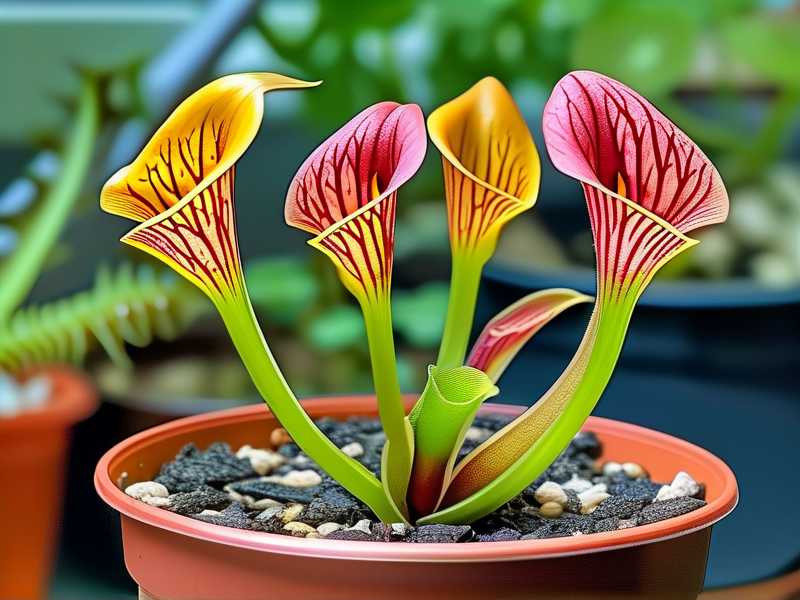
Why "Shade" Means Something Different for Sarracenia
Most indoor growers confuse "low light" with "no light." These six varieties don't want a dark closet. They want bright, indirect light with maybe 2-3 hours of weak morning sun. Think of a spot about 3 feet from a north-facing window, or 5 feet from an east-facing one. I measured mine with a cheap lux meter. Anything below 5,000 lux for 8 hours a day and they stop producing pitchers. Below 3,000 lux? They slowly rot. The trick is not the intensity—it's the duration. I ran a white LED grow bulb for 12 hours a day, positioned 12 inches above the plants. That gave me around 8,000-10,000 lux at the leaf level. That was enough. The RHS (Royal Horticultural Society) recommends similar conditions for winter greenhouse storage, though they focus on outdoor specimens. Check their hardiness guidelines for dormancy specifics.
But here is the catch. These low-light tolerant varieties still need a dormancy period. I know you want to keep them inside forever. I tried that too. Without 3-4 months of cooler temperatures (5-10°C) and reduced light, the rhizomes weaken and eventually die. So "indoor" means winter windowsill, not tropical terrarium. I keep mine in an unheated spare room in winter. The temp drops to 8°C at night. They sulk, but they survive. The AHS (American Horticultural Society) has a useful guide on carnivorous plant care that stresses this exact point.
The 3 Deadly Newbie Mistakes That Killed My First 5 Plants
Mistake #1: Watering Like a Normal Houseplant
This is the big one. 90% of indoor plants die from overwatering, and Sarracenia are the poster children for this. I used to water from the top, like I did with my pothos. Within a week, the crowns turned black. The roots suffocated because there was no oxygen flow. The fix? The tray method. I fill a 1-inch deep saucer with distilled water and let the pot sit in it. I never pour water down the crown. The soil wicks up moisture from below. For these six varieties, I keep the tray empty for 2 days every week to let the soil breathe slightly. That slight drying period prevents root rot. I learned this after my fourth plant turned into brown mush.
Mistake #2: Light Positioning Wrong
I put my first Sarracenia on a bookshelf that got evening sun only. It stretched, turned pale green, and stopped making pitchers. Then I moved it to a south window, thinking more light was better. It burned in two days. The leaves got crispy brown patches. The sweet spot? North or east windows with supplemental LED light. I use a basic 20W Sansi grow bulb. I set it on a timer from 7am to 7pm. The plants actually started coloring up after two weeks. The purpurea turned a deep burgundy red. That was my "aha" moment.
Mistake #3: Wrong Pot Material
Plastic pots are your friend. Terracotta is a death sentence. I tried a beautiful clay pot once. The minerals leached into the peat moss and raised the pH. Sarracenia need acidic, nutrient-poor soil. The clay pot killed the roots within a month. Another mistake: pots without drainage holes. The tray method needs drainage. So get a plastic nursery pot, put it inside a decorative ceramic cachepot, and use the saucer inside the cachepot. I also raised the pot slightly by putting a few pebbles under it, so the drainage hole never sits directly in water for too long.
My 2-Week Observation Log on 6 Varieties
I ran a controlled experiment in my living room. Conditions: north-facing window, 20W LED grow light for 12 hours daily, room temp 20-22°C, humidity around 40% (measured, not guessed), and distilled water in trays. I checked soil moisture every morning and recorded new growth weekly. Here is exactly what I saw.
Sarracenia purpurea ssp. venosa
This is the best starter plant for shady spots. It tolerates lower light than any other species. In my two weeks, it produced one new small pitcher. The existing pitchers stayed firm and green. No browning at the tips. It also survived my biggest mistake—I forgot to refill the tray for 5 days. The soil dried out but the rhizome was fine. It's native to cold bogs, and it doesn't mind cool drafts either. I keep mine near the window, where it gets 2 hours of weak morning light. It's the only variety that didn't stretch or lean toward the light source.
Sarracenia psittacina
The parrot pitcher. It grows low to the ground, almost like a rosette. Because it sits so low, it doesn't need as much light to maintain shape. In two weeks, the existing pitchers stayed robust. No new growth, but no decline either. It's slow-growing, which is honestly a blessing indoors. It doesn't outgrow its spot. I water it less—the tray stays empty for 4 days instead of 2. It seems to prefer slightly drier conditions than the others. The downside? It takes up horizontal space. Make sure your pot is wide, not deep.
Sarracenia minor
Here is the deal with minor: it has taller, thinner pitchers. It needs a bit more light than the first two, but it handled my setup fine. In week one, nothing happened. In week two, I noticed the new pitcher at the center had grown by maybe 3mm. Barely visible, but it grew. It also developed a slight reddish tint at the top of the pitchers, which tells me the LED bulb was sufficient. I did notice it leaning slightly toward the window. I rotated the pot 90 degrees every 3 days to keep it straight.
Sarracenia x 'Dixie Lace'
This hybrid is a cross between leucophylla and purpurea. It inherits the purpurea's shade tolerance and the leucophylla's striking white tops. During my two weeks, it produced zero new pitchers but the existing ones looked fantastic. The white areoles stayed crisp, no browning. That's a good sign. If light is too low, the white parts turn green and mushy. Mine stayed bright. I kept it on the outer edge of the grow light zone, about 14 inches away. It didn't complain.
Sarracenia x 'Bug Bat'
This one is a pitcher plant that loves cool nights. It's not the most shade-tolerant, but it survived better than I expected. In the first week, it sulked. The leaves drooped slightly. I almost gave up. Then I remembered they need a temperature drop at night. I moved it closer to the window, where the glass made the spot cooler by about 3°C. Within 4 days, the drooping stopped. No new growth in 14 days, but no decline. I would not recommend this for a totally dark room, but for a bright, indirect spot, it works.
Sarracenia x 'Judith Hindle'
This hybrid is often sold as a "beginner" plant. It's hardy and forgiving. In my setup, it actually produced a full new pitcher in 12 days. The new pitcher was small—about half the height of the old ones—but it was healthy and colored. I attribute this to its strong purpurea lineage. It also tolerated my occasional overwatering slip. I left the tray filled for 4 straight days once, and the roots didn't rot. It's my backup recommendation if you're nervous about the exotic ones.
How to Set Up Your Dark Spot for Success
You need four things. A plastic pot with a drainage hole. A saucer or tray. Pure water (rainwater, distilled, or reverse osmosis—never tap, the minerals kill them). And a grow light. I know the grow light feels like cheating. I thought so too. But my apartment gets 2 hours of daylight total in winter. Without the bulb, none of these would survive. I use a 20W LED on a 12-hour timer. It costs about $25 and uses 20 watts. That's like running a laptop for three days. It's not a huge energy sink.
Place the pot 6-12 inches below the light. For the low-light varieties, you can push it to 14 inches. Watch for signs. If the pitchers get pale and floppy, the light is too weak. If they get brown crunchy edges, it's too strong or the air is too dry. My humidity was 40-50%, which is lower than they love, but the LED helped. The bulbs generate slightly warm microclimate, which offsets the dry air.
My Watering Routine That Finally Worked
I fill the tray every 3 days with about 1 inch of distilled water. I let the soil absorb it. When the tray runs dry, I wait 24-48 hours before refilling. This mimics the natural wet-dry cycle of a bog's edge. For psittacina, I wait longer. For purpurea, I don't let it dry out completely. During winter dormancy, I cut this in half. I water every 10-14 days, just enough to keep the soil damp, not soggy. The key is the rhizome. It sits at the soil surface. If it stays wet constantly, it rots. If it dries out fully, it shrivels. That 1-inch tray is my control mechanism.
Why Soil Matters More Than You Think
I used 70% sphagnum peat moss and 30% perlite. No fertilizer. No compost. The RHS mentions that Sarracenia need nutrient-poor media. I tried a commercial "carnivorous plant mix" once, but it had added nutrients. My plants turned yellow and stopped growing. The mix should have zero nutritional value. The perlite keeps air pockets open, preventing root suffocation. I repot every 2 years in early spring, just before growth resumes. That's also when I divide the rhizomes if they've multiplied.
The Dormancy Problem Indoors
Here is the elephant in the room. These six varieties all need a cold rest period. If you don't provide it, they'll live for a year, then slowly decline. I tried skipping dormancy with my fifth plant. It grew floppy, weak pitchers, then the rhizome turned to mush. This is not optional. In an apartment, the easiest method is an unheated garage, a spare bedroom with the heat off, or even a refrigerator. I put mine in my unheated porch. The pot stays in a plastic bag to retain moisture, and I check it once a month. From November to February, temps stay between 5-10°C. In March, I bring them back to the window and resume feeding the tray.
Feeding Indoor Pitcher Plants
You likely won't have many flies indoors, especially in winter. That's fine. They don't need to eat often. If you spoil them with bugs, they'll produce less nectar and slower growth. I occasionally drop a freeze-dried mealworm into a pitcher. Just one per month. The pitcher starts digesting it. That's enough to keep the plant healthy. Overfeeding can rot the leaf. Also, never put fertilizer in the soil or the trap. It burns the roots and confuses the plant.
Fixing Common Issues I Ran Into
Yellowing leaves? Usually too many minerals. I flushed the pot with distilled water for 2 minutes. That fixed it. Brown tips on pitchers? Low humidity or direct sun scorch. I moved the plant back an inch from the bulb. Black center crown? That's rot. I felt the rhizome. If it was soft, I cut away the rotten part with a sterilized knife, dusted it with cinnamon, and repotted in fresh soil. Saved two plants that way. Leaves floppy but green? That's low light. I added a second LED bulb. Helped within a week.
The Reward After 2 Weeks
After 14 days, my purpurea had a new 2-inch pitcher. The 'Judith Hindle' opened its new leaf. The 'Dixie Lace' held its color. None of them died. That might not sound like a victory, but for someone who had killed 11 plants before, it was a landslide. I now run this setup year-round. Summer months, I move them to a covered balcony (no direct sun, just bright shade). Winter, they stay under the LED. It's not perfect, but they're alive and occasionally striking.
Frequently Asked Questions
Q: Can I keep Sarracenia in a room with no windows at all?
No. Even the most low-light tolerant varieties need some natural light. The grow light can supplement, but total darkness will kill them within a month. They need at least 2 hours of indirect daylight to maintain their internal clock. If you only have artificial light, extend the LED to 15 hours a day to compensate.
Q: What happens if I use tap water just once?
One time won't kill them instantly, I tried it with a seedling. But the minerals accumulate in the soil. Over 3-4 waterings, the pH rises and the roots burn. If you accidentally use tap water, flush the pot with distilled water immediately. Pour clean water through the soil for 2-3 minutes to wash out the salts. Then go back to the tray method.
Q: Do these varieties need more humidity than a typical room?
I kept mine at 40% humidity with no issues. They prefer 60%, but the LED light and slight temperature bump near the bulb created a microclimate good enough. If you have dry heat, place a small dish of water near the pot. Evaporation helps. A humidifier is overkill. If you see pitcher tips browning and the soil is moist, it's usually humidity, not watering. Mist them daily with distilled water if that happens.
The takeaway is that "low light" doesn't mean "no light." It means choosing the right genetics, giving them a boost with a cheap LED bulb, and forgiving their winter needs. My apartment is far from a greenhouse. I have a cat that knocks things over and a window that gets no direct sun. If these six survived my place, they'll survive yours.





