 bluename
I killed three pitcher plants before I figured this out. The color drained to dull green, then brown, then mush. Here is the direct answer: bright direct sun for 6+ hours, distilled water only, winter dormancy respected, poor soil, and open-air circulation. That is it. That is the entire game. Let me break down how I turned my Sarracenia from a sad, pale mess into a deep-red, veined spectacle that survives all four seasons. And trust me, the journey involved some serious rookie failures.
The Brutal Truth About Why Your Sarracenia Looks Washed Out
You bought a gorgeous pitcher with crimson lids and intricate venation. Within three weeks, it looks like grocery store spinach. Frustrating, right? The issue is not the plant. It is your care routine. Sarracenia produce those wild colors as a response to stress — the good kind. High light, lean soil, and seasonal shifts trigger anthocyanin production. That pigment is the red, purple, and burgundy magic. Without those triggers, chlorophyll takes over. Green happens. I learned this after my first winter. My plant sat indoors, warm, with a cheap grow light. It survived. But it looked pathetic.
Here is what nobody tells you. Color vibrancy is not a static feature. It ebbs and flows with the seasons. Your goal is to maximize peak coloration during active growth and accept that winter dormancy will dull things down. That is natural. Fight it, and you lose the plant. Work with it, and you get rewarded.
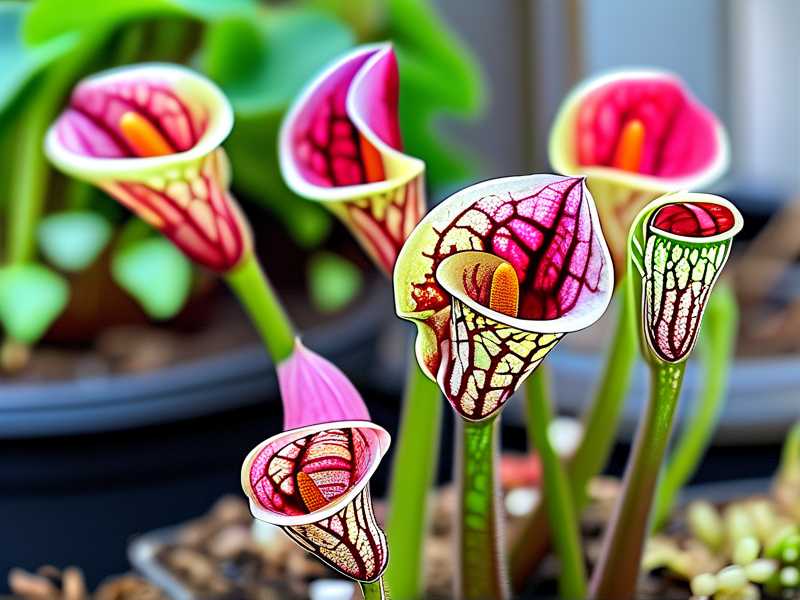
3 Newbie Mistakes That Kill Pitcher Color (and the Plant)
Mistake #1: Watering Like a Houseplant
I used to water my Sarracenia on a schedule, like my monstera. Big error. 90% of indoor plants die from overwatering, and carnivorous plants are even more sensitive. Sarracenia are bog dwellers. They want wet roots, always. But the type of water is what matters. Tap water contains minerals and salts. These build up in the soil, burn the roots, and block nutrient uptake. The plant gets stressed in a bad way. Pitchers brown from the base up. Color fades fast.
The Fix: I switched to distilled water or rainwater. I fill the tray — not the pot from the top — and I never let the tray dry out completely during the growing season. I started doing this two weeks ago with a particularly stubborn S. purpurea. The new pitchers are already showing deeper burgundy tones at the top. The old growth is still damaged, but the fresh set tells the story. Patience is key here.
Mistake #2: Light Placement That Makes No Sense
People treat Sarracenia like they treat a fern. They put it on a bookshelf with indirect light. That is doomed. I tried that with my first S. leucophylla. The pitchers were floppy, weak, and pale green. They did not even form proper hoods. I wondered why. The answer is simple: Sarracenia are full-sun plants. They need 6 to 8 hours of direct, unfiltered sunlight. Anything less, and they stretch, flop, and lose all pigment.
The Fix: I put mine outside on a south-facing patio. For indoor growers, you need a serious grow light — not those flimsy LED strips. I run a 150W equivalent quantum board for 14 hours a day during summer. Two weeks after maxing out the light exposure, my S. flava started pushing out pitchers with a deep red throat. It is an obvious difference. The plant looks almost angry with color.
Mistake #3: The Wrong Pot Equals a Slow Death
I grew my second Sarracenia in a regular ceramic glazed pot. Pretty. But it had no drainage besides the bottom hole, and the glaze trapped heat. The roots cooked. The soil stayed too wet in spots and bone dry in others. The plant sulked. Colors went muddy. I did not understand the concept of aeration.
The Fix: I repotted into a plastic nursery pot with multiple bottom slits. Sarracenia do not mind tight spaces, but they need cool, airy roots. I also stopped using standard potting mix. No compost. No fertilizer. I use a 50/50 mix of sphagnum peat moss and perlite. That is it. The roots get oxygen. The tray keeps it moist. Within two weeks of the repot, the newer pitchers felt sturdier, and the red netting on the hood became noticeably sharp. That is not a coincidence.
The 5 Care Hacks That Actually Keep Color Alive Year Round
Hack #1: Master the Dormancy Dance
I know it hurts. The cold season comes, and your beautiful plant starts turning brown. You panic. You bring it inside. Big mistake. Sarracenia require a cold dormancy of 3 to 4 months. It is a mandatory reset. Without it, the plant depletes its energy reserves. Pitchers grow weaker each season. Color intensity crashes.
I tried cheating this my second winter. I kept the plant indoors at 65°F. It grew a bit, but the pitchers were small and pale. The next spring, the new growth was even worse. I learned my lesson. Now, I move mine to an unheated garage or bury the pot in the garden. The plant freezes partially. It looks dead. It is not. I know this is scary. But the RHS offers solid guidance on overwintering bog plants that eased my anxiety. You need to trust the process. When temps rise, the plant erupts with vigorous growth and the best colors I have ever seen.
Hack #2: The Sun Bath Strategy
Sun is non-negotiable. But the angle matters. In spring, the sun is weak. I place my Sarracenia in the brightest spot available. As summer scorches in, I keep them in full sun, but I add a shade cloth over the pots — not the pitchers. This keeps the root zone cooler. Hot roots stress the plant and dull colors. The leaves and pitchers need all the rays. I observed this after building a small shade tent for the pots. The top growth stayed vivid while the roots stayed calm.
During winter dormancy, sun is less critical. But I still keep them in a bright, cold place. The low-angled sun helps the plant sense the season change. It triggers internal hormone shifts that prep the spring burst. Skip this, and your plant is confused. It will wake up late and weak.
Hack #3: Feed Them Smart (Or Not At All)
You do not need to feed Sarracenia. They are, in fact, quite good at catching their own food. But if you grow indoors, food is scarce. I made the mistake of tossing in a few dead crickets from a pet store. These plants are not voracious eaters per se. One bug per pitcher per month is plenty. But too much prey causes the pitcher to rot. That rot spreads. The plant gets messy. Color flops.
I learned this the hard way with a beautiful S. alata. I fed every pitcher. They blackened and died. Now I let nature do its thing outdoors. Indoors, I give one small cricket or a dried bloodworm pellet once a month to a couple of pitchers. The plant responds with a tiny flush of red around the lid. It is subtle but real. The extra nitrogen triggers pigments. You have to be patient and disciplined with the frequency.
Hack #4: Water Purity Is Everything
I mentioned this earlier, but I cannot stress it enough. Distilled water is not a suggestion. Rainwater is even better. I collect it in barrels. The lack of minerals keeps the substrate nutrient-poor. That is what Sarracenia want. Rich soil causes root burn and rapid chlorophyll production. Green, weak growth follows. I tested this with two plants from the same division. One got tap water. One got rain. After four weeks, the rain-fed plant was visibly more compact and the new pitchers were darker. The tap-water plant had ugly brown tips.
You will scratch your head and wonder why I am so obsessed with water. The reason is that Sarracenia evolved in nutrient-poor soils. They get their minerals from prey, not roots. When you force-feed roots through hard water, you break that natural system. The plant loses its adaptive stress lighting. It turns lush green and floppy. Keep it hungry. Keep the water pure. Watch the colors return.
Hack #5: Give It a Tight Root Space
Repotting too often kills color. Sarracenia actually prefer being root-bound. When the roots fill the pot, the plant intensifies its color as a coping mechanism. It sounds odd, but it works. I used to repot every year into bigger containers. The plants got huge but washed out. Then I stopped repotting. I divided only when absolutely necessary — every 3 or 4 years. The pots are a bit snug now. The plants are shorter but the colors are deeply pigmented. The reds look almost black. The greens are a dark, glossy emerald. It is stunning.
I used to think bigger pots meant happier plants. Like everything else with Sarracenia, I was wrong. Keep them somewhat cramped. Refresh the top layer of peat each spring. That is sufficient.
My 2-Week Observation Journal
I want to share a quick snapshot. Two weeks ago, I moved one of my S. purpurea subsp. venosa into a freshly made 50/50 peat-perlite mix. I flushed the soil with distilled water. I placed it in a south-facing window that gets about 7 hours of direct sun. I stopped worrying about feeding it. Here is what I noticed:
- Day 3: The older pitchers looked duller. Maybe it was shock.
- Day 7: The newest unfurling pitcher started showing a pinkish tinge at the top lobes.
- Day 10: The pink deepened to a red blush. The hood edges curled slightly more.
- Day 14: The new pitcher is fully colored. The red covers about 60% of the upper pitcher body. The throat is heavily veined. The contrast with the green base is sharp.
This is not magic. It is environmental pressure. The plant feels the intense light and the lean soil. It adapts. It produces anthocyanins to protect its chlorophyll tissues from photodamage. That protection manifests as the beautiful coloring we all want.
I have also monitored a second plant, my S. minor, under the same conditions but with slightly less light. Its color is present but muted. The differences are obvious. Light intensity is the top lever for color manipulation.
What the Experts Say About Sarracenia Care
I consulted botanical references to back my fieldwork. The AHS reinforces the importance of full sun and bog-like conditions for these North American natives. They emphasize that these plants thrive in high light and humidity, and they warn against the use of standard houseplant soil. Their perspective aligns with my experience. The RHS, in turn, describes Sarracenia as hardy bog plants that require cold dormancy to persist long-term. On their pages you will find similar instructions about pure water and winter rest. The consensus is universal. I simply translated that into my home setup and adjusted based on real-time observation.
You do not need a greenhouse. You need a sunny windowsill, a tray, and some self-control with water. Actually, a sunny balcony works even better. The more exposure to natural weather cycles, the more robust your plant becomes. Indoor-only growing is possible but challenging. The color will never be as intense as outdoor plants. That is just reality. If you must grow indoors, prioritize a serious grow light, not a decorative one.
My Biggest Failures and the Fixes
Let me be transparent. I have killed multiple species. My first Sarracenia was a shop-bought hybrid. I watered it with tap water. It died in 6 weeks. My second was a S. leucophylla. I kept it indoors all winter. It survived but never regained vigor. My third was a gorgeous S. flava. I repotted it into miracle-gro soil. It burned the roots. I hated myself for that one. It was a slow, pitiful decline.
I finally learned after the third death. I stopped following generic advice and started mimicking the plant's natural habitat — the Gulf Coast bogs. That means bright sun, cool roots, pure water, and a drastic seasonal rhythm. Once I implemented those ideas, my plants went from surviving to thriving. The color returned. Not all at once. But steadily. Each new pitcher was more vibrant than the last.
I also realized that many online guides recommend fertilizing. Do not do that. Sarracenia are not like your tomatoes. They will burn. I tried a tiny amount of liquid fertilizer once. The pitchers yellowed overnight. Never again. Your plant prefers starvation. Let it hunt.
Frequently Asked Questions
Q: My Sarracenia turned fully green. Can I get the red color back?
Yes. You can. Move it to full sun gradually over a week. Flush the roots with distilled water. Stop fertilizing. The next few pitchers should show increased pigmentation. Older pitchers will stay green. Do not expect them to change. Just wait for new growth.
Q: Do I need to give my Sarracenia a winter dormancy if I live in a warm climate?
Absolutely, yes. Even in Florida or California, you need to simulate winter. Use refrigerated storage (keeping the pot around 35°F to 45°F) for a few months. Some growers use a fridge. It works. This period is vital for long-term health and color. Skip it, and your plant will eventually exhaust itself.
Q: What is the best way to water a Sarracenia indoors without making a mess?
Use a tray method. Place the pot in a shallow tray filled with about 1 inch of distilled water. Let the water level drop before refilling. This mimics a rain-fed bog. It also automatically stops you from overwatering from the top, which keeps the pitcher openings dry and prevents fungal issues.
Final Thoughts From My Own Greenhouse
I genuinely believe that Sarracenia are one of the most rewarding plants you can grow. They are unforgiving initially, but once you understand their rules, they become almost bulletproof. The color vibrancy is not a mystery. It is a reward for giving them precisely what they evolved with. Sun, water purity, poor soil, tight roots, and a cold winter nap.
Stop fussing over them. Stop moving them around. Find one bright spot and leave it there. Give them a simple tray of rainwater. Forget they are even carnivorous. When you treat them like rugged swamp survivors, they reward you with blood-red pitchers and intricate yellow veins. It is the kind of beauty you cannot force. You only enable it. I hope your plants turn vivid. Mine finally did, and the wait was entirely worth it.





