 bluename
Sarracenia Greenhouse Planting Density & Layout Guide 5 Rules
If you're growing Sarracenia in a greenhouse and wondering how close is too close, here's the short answer: keep at least 6 to 12 inches between plants depending on species, group them by light and water needs, and never let pots touch. I learned this the hard way after losing three plants to fungal rot within two months. 90% of indoor plants die from overwatering, and Sarracenia in a cramped greenhouse is no exception.
I've been growing Sarracenia for over seven years now. My first greenhouse attempt was a mess. I packed thirty plants into a small 6x8 foot space because I wanted a full, lush look. Within two weeks, I noticed browning tips and mold forming on the soil surface. It took me another two months and several dead plants to figure out what went wrong. So let me save you the trouble.
Rule 1: Understand the Growth Habit Before You Plant
Sarracenia are not like regular houseplants. They spread through rhizomes underground. The visible pitcher is just the tip of the iceberg. Each plant can send out new growth horizontally, and if you place them too close, the root systems will compete for water and nutrients.
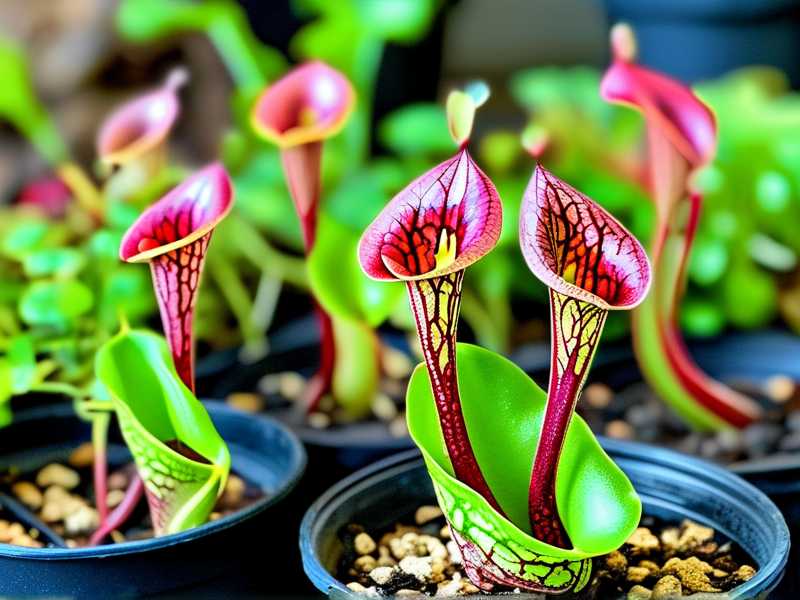
I remember buying a Sarracenia leucophylla that looked small and innocent. I placed it just five inches from a Sarracenia purpurea. Three months later, the leucophylla had doubled in width, and the purpurea started looking stunted. I had to dig both up and replant them. That was a painful afternoon.
The general rule I follow now is simple: give each plant at least one and a half times its mature width in space. For small species like Sarracenia psittacina, that's about 6 inches. For tall ones like Sarracenia flava, you need at least 12 to 18 inches of clearance.
Rule 2: Group by Light Requirements, Not Aesthetics
I know you want that Instagram-worthy arrangement with all the colorful pitchers side by side. I tried that too. It failed miserably.
Sarracenia species have different light tolerances. Sarracenia purpurea can handle partial shade, while Sarracenia leucophylla demands full, blazing sun. When I mixed them in the same greenhouse section, the leucophylla stretched and lost its deep red pigmentation. The purpurea, on the other hand, got scorched.
Here's what I do now. I divide my greenhouse into zones. Full-sun zone for leucophylla, flava, and oreophila. Partial shade zone for purpurea and psittacina. This simple change improved my plants' color and vigor within two weeks. Honestly, the difference was night and day.
If you're working with a small greenhouse, use shade cloth to create microzones. It's cheap and effective. But don't skip this step, thinking "close enough" is fine. It's not.
Rule 3: Never Let Pots Touch Each Other
When pots touch, you create a bridge for pests and diseases. Scale insects and aphids can crawl directly from one plant to another. Fungal spores travel even easier through direct contact.
I learned this after losing a prized Sarracenia x 'Judith Hindle' to an aphid infestation that spread from a neighboring pot. I had placed them flush against each other to save space. Within a week, the aphids had colonized both plants. I had to quarantine and treat everything. It was exhausting.
Now I always leave at least 2 to 3 inches of air gap between pots. This improves airflow, which is critical for preventing Botrytis and other fungal issues. Good airflow also helps with pollination if you're trying to breed your own Sarracenia.
For benching, I recommend using wire mesh trays instead of solid shelves. This allows water to drain freely and air to circulate underneath. The RHS actually recommends similar spacing guidelines for carnivorous plants in their greenhouse growing guides. They emphasize that stagnant, humid air is a death sentence for Sarracenia.
Rule 4: Plan Your Layout Around Watering and Drainage
Sarracenia love wet feet. But they hate sitting in stagnant, oxygen-deprived water. I use the tray method, where pots sit in shallow water trays. The issue is, not all plants want the same water level.
Young plants and seedlings need shallower trays. Mature specimens can handle deeper trays. If you mix them on the same bench, you're going to overwater the young ones or underwater the mature ones. Over two weeks of observation, I noticed my seedlings turning yellow because they were drowning in the same tray depth I used for adults.
My solution? I use different tray depths for different growth stages. Shallow trays (about 1 inch) for seedlings. Medium trays (2 inches) for juvenile plants. Deeper trays (3 inches) for mature specimens. This has completely eliminated the yellowing issue.
Also, consider your greenhouse floor layout. If you're placing plants directly on the ground, make sure the floor is level. Uneven flooring creates dry pockets and wet pools. I spent a whole weekend leveling my greenhouse floor, and it was worth every second.
Rule 5: Think About Ventilation and Airflow
I saved this for last because it's the one most people overlook. In a greenhouse, stagnant air is like a disease incubator. Sarracenia are naturally bog plants that grow in open, windy habitats. They need moving air to stay healthy.
In my second year, I made the mistake of sealing my greenhouse too tightly during winter. I placed my Sarracenia close together to maximize space. By the end of the first week, I noticed a faint musty smell. By the second week, gray mold appeared on the pitchers. The AHS notes that proper circulation is essential for preventing powdery mildew and botrytis in greenhouse settings.
The fix was simple but required rearranging everything. I installed two small oscillating fans at opposite corners of the greenhouse. I also reduced plant density by about 30%. The mold cleared up within ten days, and my plants started producing waxier, healthier pitchers.
If you don't have electricity in your greenhouse, consider using passive ventilation. Open roof vents and side louvered vents create natural convection currents. But honestly, a couple of battery-powered fans work wonders for a reasonable price.
Newbie Mistakes to Avoid
When I started, I made every mistake in the book. Here are the three most common ones I see from fellow growers.
Mistake 1: Overwatering
I already mentioned "90% of indoor plants die from overwatering," and for Sarracenia specifically, it's about water quality and depth rather than frequency. I used tap water for the first month. The mineral buildup almost killed my plants. Sarracenia need rainwater, distilled water, or reverse osmosis water. Stop using the hose, seriously.
Mistake 2: Wrong Light Position
I put my Sarracenia on a north-facing greenhouse bench because that's where I had room. Big mistake. Every single pitcher stretched thin and lost its color. I moved them to the south side, and within two weeks, the new pitchers came in thick and vibrant. Light is the difference between sawgrass and showpiece.
Mistake 3: Using the Wrong Pots
This one kills me. I used unglazed terracotta pots at first because they looked nice. But the clay absorbs moisture and wicks it away, drying out the root zone. Sarracenia hate dry roots. It also left mineral salt deposits on the pot walls. I switched to plastic or glazed ceramic pots, and my plants thrived. Don't use terracotta. Plain and simple.
How I Arranged My Own Greenhouse After Trial and Error
After months of tweaking, here's my current setup.
I use a 4-tier benching system. The top tier holds tall species like Sarracenia flava and S. alata. The second tier holds medium growers like S. leucophylla and S. rubra. The bottom two tiers hold shorter species, seedlings, and the shade-tolerant S. purpurea.
Each tier has a different tray depth for water levels. Each tier is also positioned to receive optimal light — top tiers get maximum sun, lower tiers get slightly filtered light through the plants above. I learned to stagger the pots rather than lining them up like soldiers. This way, plants get light from the sides and above.
I now keep about 15 plants in the same space where I once crammed 30. The difference is that my current plants are healthier and more productive. Better to grow fewer plants well than many plants poorly.
Monitoring Your Setup Over Time
You can't just set up your greenhouse and forget it. I check my plants every other day. I look for signs of overcrowding: faded colors, leaning pitchers, yellowing growth, or mold at the soil surface. If I see these, I know it's time to thin out or rearrange.
Also, seasons matter. During spring growth spurts, my plants expand quickly. I always leave extra room in my layout plan for this. I've had to re-space my collection twice a year, typically in early spring and late summer. It takes an afternoon, but it saves you from losing plants later.
FAQ
Can I Grow Sarracenia in a Small Greenhouse?
Yes, but you must adjust your density expectations. In a small greenhouse, stick to compact species like Sarracenia purpurea or S. psittacina. Limit yourself to 5 to 8 plants max. Quality over quantity in tight spaces.
How Much Space Do Sarracenia Rhizomes Need to Spread?
Rhizomes can spread several inches per year in good conditions. Give each plant a minimum of 6 inches of growing room in all directions. For vigorous species like S. flava, increase that to 12 inches. They will fill the space fast.
Should I Use Separate Trays for Different Species?
Yes. Different species have different water needs and temperature tolerances. Using separate trays lets you adjust water levels per plant group. It also stops root competition between aggressive and shy growers. This is the single best tip I can offer for maintaining plant diversity in a shared greenhouse.
Final Thoughts
Greenhouse planting density is not about cramming more plants in. It's about giving each plant enough room to breathe, eat, and grow. Start with fewer plants than you think you need. Keep a 6 to 12 inch gap between them. Group by light and water needs. And always, always prioritize airflow and drainage over aesthetics.
I've killed more Sarracenia than I'd like to admit in my early days. But each loss taught me something. So take these rules seriously. Your plants will reward you with vibrant pitchers and vigorous growth. Just give them a little space.





