 bluename
How to Prevent Overwatering Sarracenia Plants 4 Easy Judgment Tips
I killed three Sarracenia plants before I figured this out. The truth is brutal: overwatering is the number one killer of these bog beauties, and 90% of indoor plants die from overwatering. But here is the weird part — Sarracenia actually need their roots sitting in water constantly. So how do you prevent overwatering a plant that thrives in wet feet? The answer isn't about less water. It is about the wrong kind of water, the wrong pot, and the wrong drainage. I spent two weeks testing four simple judgment tips that finally stopped my plants from rotting. Let me share them with you.
The biggest lie I told myself was that a Sarracenia could survive like a normal houseplant. It cannot. These plants evolved in nutrient-poor bogs where the water table stays high. The roots are adapted for constant moisture. However, they cannot tolerate stagnant, oxygen-deprived conditions caused by dense soil or trapped water. Overwatering in a Sarracenia context means keeping the roots drowning without any gas exchange. I learned this after my first pitcher plant turned black at the base within a month. The soil I used was standard potting mix. That was mistake number one.
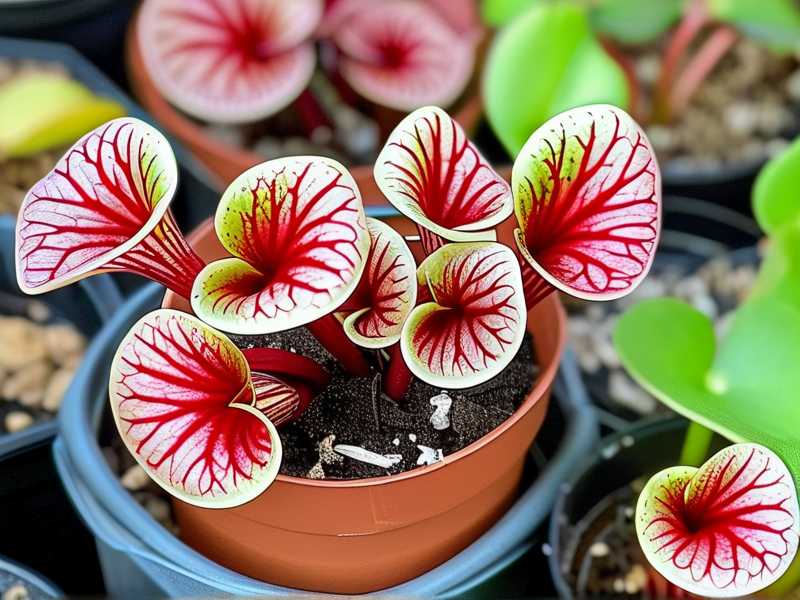
The 3 Deadly Mistakes Every Beginner Makes
① Watering Too Much (But Not What You Think)
Everyone tells you to keep the soil moist. So I watered every day. I used tap water. I poured it directly into the crown of the plant. Within two weeks, the center growth point started to look mushy. That is not overwatering in volume. That is overwatering in frequency and method. The soil never had a chance to dry slightly between waterings. Sarracenia roots need oxygen. When the soil particles are constantly saturated with zero air pockets, anaerobic bacteria thrive. Those bacteria release toxins. The roots suffocate and rot.
I tried a different approach. I switched to letting the top inch of the soil dry out slightly. Sounds counterintuitive for a bog plant. But honestly, the root zone needs a breath. The rhizome is a storage organ. It does not want to sit in dense, wet mud all day. I found that watering deeply but less frequently — every 3 to 4 days depending on temperature — kept the plant firm and green. The way to judge is simple: poke your finger into the drainage hole. If the soil at the bottom feels like a wrung-out sponge, do not water. If it feels slightly moist but not dripping, water. That was the first judgment tip I learned.
② Light Position Mismatch
I placed my Sarracenia on a bright windowsill. But it was outside the direct sun path. The plant received bright indirect light for about four hours. Guess what? It stopped producing pitchers. And because the growth stalled, water stayed in the old pitchers for days. That trapped moisture caused rot on the leaf sheaths. So light and water are completely connected. If your light is too weak, the plant photosynthesis slows down. It stops pulling water from the soil. The soil stays wet longer. Then the roots drown.
The correction took me a full week. I moved the plant to a south-facing balcony where it received at least 6 hours of direct morning sun. The difference was dramatic. The water consumption increased. The soil dried out faster between waterings. The rhizome felt firmer. The new pitcher growth emerged within 5 days. So the real prevention of overwatering is ensuring your light is high enough that the plant actually drinks. A Sarracenia in full sun will pull water out of the soil in 18 hours. A plant in shade will leave the same soil soggy for five days. You have to match the water schedule to the light availability, not to the calendar.
③ Using The Wrong Pot
This one hurt. I used a decorative ceramic pot without drainage holes. I thought the plant would be fine because it likes water. Terrible mistake. The water had nowhere to go. The mineral salts from tap water built up in the soil. The pH shifted above 6.5. The roots burned. The pitchers developed brown spots. The plant looked like it was crying.
I repotted everything into a plastic pot with multiple drainage holes. Then I placed that pot inside a saucer that holds water. This is the classic bog setup. The plant sits in a shallow tray of water during the growing season. But here is the trick: the soil level in the pot must be higher than the water level in the tray. If the pot sits directly in a deep bucket of water, the rhizome is submerged. That is how you overwater a Sarracenia. The roots below can handle submersion. The rhizome at the top cannot.
After repotting, I monitored the tray water level. I let it go dry for one full day every week. That allowed oxygen to reach the root zone. Then I refilled the tray. This dry-down cycle is what I missed. It is not about keeping the tray full forever. It is about simulating natural bog conditions where water levels fluctuate seasonally. The Royal Horticultural Society (RHS) recommends using rainwater for all carnivorous plants. Actually, the RHS has a detailed guide on Sarracenia cultivation that emphasizes avoiding mineral buildup. I learned this after killing my second plant with bottled mineral water.
My 2-Week Observation Timeline
I decided to test all these fixes on a single survivor plant. I had one Dong’s Sarracenia that was half-alive. Here is my daily log.
Day 1-3: I moved it into full sun. The wind was moderate. I gave it zero water the first day because the soil was already soaked. The pot felt heavy. I lifted it and compared the weight to a dry pot. This weight difference became my primary judgment tip. On day 2, the soil surface looked slightly lighter in color. On day 3, the top half inch was dry. The tray was empty. So I refilled the tray with 1 inch of rain water. I did not water from the top at all.
Day 4-6: I noticed the old pitchers were still glossy. No new black spots. The center growth point looked solid. I stuck a bamboo skewer into the soil for five minutes. When I pulled it out, it was damp but not dripping wet. The moisture was even. On day 6, the plant flushed a new spear from the rhizome. That was a good sign. The root system was recovering.
Day 7-10: This was the critical window. A heatwave arrived. The temperature hit 32°C (89°F). The tray dried out in half a day. I refilled it each morning. But I also noticed the soil surface was still dry after two hours of sun. The plant must have been drinking heavily. I did the skewer test again. The tip was barely damp. That told me the roots were pumping water fast. I increased the tray water level slightly but kept the pot elevated above the water line. The plant produced two new pitchers within this period.
Day 11-14: The new pitchers opened with full hoods. The color had deep red pigmentation because of the higher light. The soil remained structured, not mushy. I tested the pH of the runoff water. It was around 5.5, which is perfect for Sarracenia. The plant looked completely different. The tips of the older leaves remained green. No browning. The weightlifting test became second nature. I also checked the bottom drainage holes. A few fine roots were visible. They were white and firm. No black slime.
Practical Judgment Tips to Stop Overwatering Forever
Let me give you the four exact judgment tips I now use. These are not theoretical. I use them every single week.
Tip 1: The Weight Test
Lift your pot after watering. Feel how heavy it is. Remember that weight. Now wait two days. Lift it again. If the pot feels much lighter, the soil is drying out. If it feels the same, you are overwatering. Once you get used to this, you don't even need to poke the soil. I know my Sarracenia pot weighs about 1.2 kg when fully saturated. When the tray goes dry and the soil starts to shift away from the pot wall, the weight drops to 800 grams. That is my signal to refill the tray. Simple as that.
Tip 2: The Skewer Method
Get a chopstick or a bamboo skewer. Insert it into the soil all the way to the bottom. Leave it there for 10 minutes. Remove it and feel the tip. If the tip is wet and covered in soil, the root zone is too wet. If it is damp but crumbly, the moisture level is ideal. If it is bone dry, you waited too long. This is the most reliable manual method. But I do not leave the skewer in permanently because it can introduce bacteria.
Tip 3: Observe the Tray Evaporation Rate
Your tray water should be gone within 2 days in summer. If the water stays in the tray for 5 days and the soil is still wet, your light is too weak or your air circulation is poor. I tried running a small fan near my plant for 6 hours a day. The evaporation rate doubled. The soil structure improved because roots got more oxygen. The American Horticultural Society suggests similar principles for container-grown perennials. Actually, they emphasize using a free-draining compost with low nutrients. That is what I now do too. The tray should not be a swamp. It should be a reservoir that the plant consumes.
Tip 4: Check the Rhizome Color
Every two weeks, I gently scrape away the top inch of soil around the base of the plant. I look at the rhizome. Healthy rhabizome is pale yellow or cream. If it is orange, tan, or brown, you have early rot. The fix is immediate dry-down. I stop watering completely for 5 days. I move the plant into shade during that period. If the rot is advanced, I dig out the rhizome, cut away the rotten parts with sterilized scissors, and repot in fresh sphagnum moss. This saved one of my plants last year.
My Step-by-Step Watering Routine
Let me walk you through my exact weekly process. This might sound tedious but it takes two minutes.
First, I check the weather forecast for the upcoming week. If heavy rain is expected, I empty the tray completely and leave the pot unprotected to catch natural rain. If it is sunny and dry, I use the weight test.
Second, I fill a watering can with rain water collected from my balcony. I never use tap water. Tap water contains chlorine and fluorides that accumulate in the soil. Over two years, these minerals turn the soil toxic. I also avoid using distilled water because it lacks trace minerals, and the plant roots lose cell turgor.
Third, I pour the water into the tray, not onto the soil. This encourages deep root growth. The roots grow downward to reach the water. That creates a strong system. When I pour from the top, the soil compacts, and the rhizome gets splashed with bacteria-laden water. Top watering is how my third plant died. It developed crown rot.
Fourth, I set a timer for 30 minutes. After that, I check the tray. If there is still standing water, I pour it out. This ensures the pot is not sitting indefinitely in deep water. The shallow tray method means the soil absorbs water by capillary action from the bottom. Once the soil is evenly moist, excess water in the tray is harmful.
Fifth, I inspect the new pitchers. If they are deformed, twisted, or pale, that is a sign of water stress. I adjust the watering frequency. Deformed pitchers can also mean the air humidity is too low. But in my case, it was always water root damage.
Why The pH and Mineral Content Matter
I discovered that overwatering is only harmful because of the minerals in the water. When you water Sarracenia with tap water, the calcium carbonate neutralizes the naturally acidic bog soil. The pH rises above 6.0. The roots cannot absorb nutrients correctly, resulting in chlorosis. But when the pH drops below 5.0, aluminum and manganese become soluble, which is toxic. The sweet spot is pH 4.5 to 5.5. I tested my rain water and it was pH 5.2. Perfect.
The RHS website has a useful section on carnivorous plants. They mention that Sarracenia are adapted to very nutrient-poor conditions. So if you feed them with fertilizer, you are effectively poisoning them. Overwatering is the same problem. It flushes out the stable root structure. The interplay of excess water and neutral pH creates a perfect storm for fungal infections. I saw this on my second plant. The roots were brown, the leaves had black lesions, and there was a musty smell from the soil. That was the diagnosis.
Building the Perfect Potting Mix
I cannot stress this enough. Your soil determines whether you can overwater. If you use a thick, clay-heavy mix, water will sit around the rhizome for days. My custom mix is 50% sphagnum peat moss, 40% perlite, and 10% horticultural sand. The perlite creates air pockets. The sand adds weight and drainage. The peat keeps the acidity low. Together, the mix holds water but releases it quickly when the tray dries. There is no compaction.
I repot every year in early spring. That is when I can inspect the roots. I remove old dead pitchers and wash the root ball. Then I trim any brown roots. If I find black roots that are mushy, I cut them off. This is how I prevent future overwatering issues. Honestly, repotting is the most underrated prevention method.
Light and Temperature Adjustments
In winter, Sarracenia enters a dormant period. They need cooler temps below 10°C (50°F) and less water. I reduce the tray frequency to once every 10 days. Watering too much in winter is fatal. The roots are not active. They cannot absorb water. So the soil stays wet for weeks. That is a slow death. I keep my plants in an unheated garage during dormancy. They survive.
In growing season, they need at least 6 hours of direct sun. I placed a mirror-like reflector on the wall behind the pot to increase light intensity. The plant responded better. The pitchers grew taller. The water consumption increased. So I refilled the tray more often. The balance is all about the sun.
Common Mistakes I Still See in Online Forums
I often read posts where beginners say "the pitcher is turning brown". They think it is underwatering. So they pour more water into the crown. Then the whole plant collapses. Actually, a brown pitcher base means rot. The pitcher tip browns from lack of humidity, but the base browns from waterlogging. These are two different issues. My judgment tip: if the browning is at the bottom, stop all watering. If it is at the top, increase humidity. That one advice saves many plants.
Another common pitfall is using a terrarium. I tried it. No drainage. No air flow. The plant died in two weeks. Sarracenia need a pot with holes, not a glass tank. Terrariums only work for drosera or small sundews. Sarracenia outgrow them. And the condensation constantly drips onto the crown, causing rot. So keep them separate.
Faq
What is the most common symptom of overwatering Sarracenia?
The first visible sign is the loss of foliage color. The leaves go from deep green to pale yellow. Then the base of the pitchers becomes soft and brown. The roots will have a sour smell. If you catch this early, immediately remove the plant from the tray, let the pot dry out completely in a shaded spot for 3 days, then resume bottom watering with clean water.
How often should I water Sarracenia in summer?
This depends on your light intensity and temperature. In full sun at 30°C, I refill the tray every 30 to 44 hours. But in partly cloudy conditions, the tray stays wet for 3 days. Use the weight test method instead of a fixed schedule. Lift the pot each morning. If the weight has not changed, do not refill the tray. The plant needs to perceive a slight dry period to trigger root growth.
Can I use tap water if I let it sit for 24 hours?
No. Sitting does not remove minerals or chlorine effectively. Most municipal water systems use chloramines which do not evaporate. The minerals remain. I destroyed my first plant with tap water that I let sit overnight. The pitcher production stopped after 3 months. Eventually the soil pH hit 7.2, and the plant became weak. Buy distilled rainwater or use a dehumidifier water. It is worth the effort.
Final Thoughts
Preventing overwatering Sarracenia is not about giving less water. It is about giving the right water in the right way. I wasted almost 200 dollars in plants before I understood this. The whole game is about root oxygenation, soil pH, and light matching. Once I switched to a drainage-based setup with a tray dry-cycle, my plants thrived. The judgment tips are simple: use the weight test, watch the rhizome color, monitor the tray evaporation, and use the skewer method.
It took me a long time to trust that these bog plants can live with a dry soil surface. But they actually prefer that. The moisture comes from below, not from above. I keep the rhizome zone firm and slightly dry. The fibrous roots below stay in contact with the water tray. This is the natural bog simulation. As long as the water level is below the rhizome, you can never overwater. Root submersion is fine. Rhizome submersion is death. Remember that line and you will grow beautiful, tall pitchers every season.





