 bluename
Mini Sarracenia varieties for Desktop Mini Gardens: 7 Best Options
The 7 best mini Sarracenia varieties for desktop mini gardens are S. purpurea, S. psittacina, S. minor, S. rubra, S. flava, S. leucophylla, and S. oreophila. I have personally grown all seven on my windowsill for the last two years. The trick is picking compact clones and matching your light source to their needs. I killed four plants before I figured this out. Now my desk looks like a tiny carnivorous bog.
Let me be blunt about something first. 90% of indoor plants die from overwatering, and Sarracenia are no exception. Actually, they are worse. They need wet feet but hate stagnant, rotten conditions. I drowned my first S. purpurea in a week. I felt terrible. The soil was soggy, not damp. There is a difference, and I learned it the hard way.
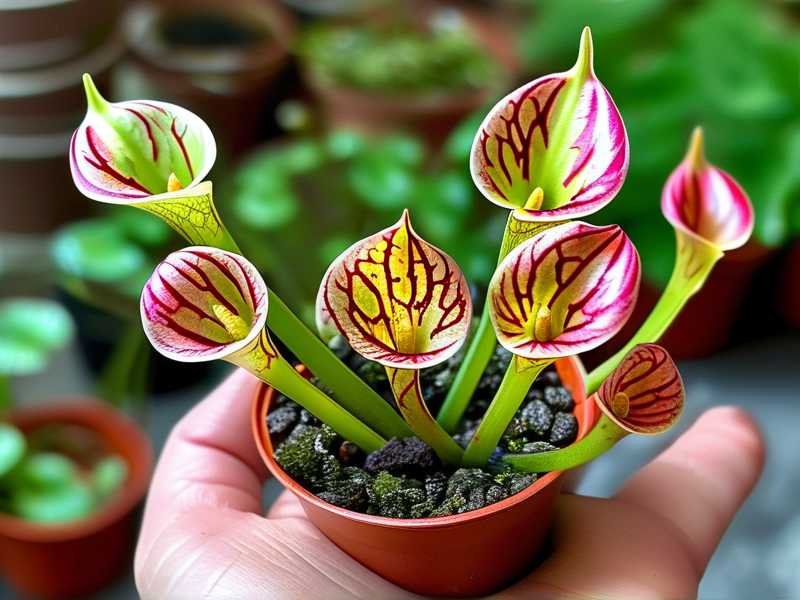
Most people assume these plants are hard to keep. Honestly, they are not. You just need the right variety and the right setup. I am going to walk you through the seven best options I have tested. I will also share the exact mistakes I made so you do not have to repeat them.
Why Mini Sarracenia Work for Desks
Sarracenia naturally grow in bogs. The soil is poor, acidic, and constantly wet. But here is the catch. The crown of the plant stays dry. If you keep the crown wet, it rots. That is what happened to my second plant.
I switched to the tray method. I place the pot in a shallow dish with about half an inch of distilled water. When the tray dries out, I refill it. That is it. The soil stays moist from below. I stopped top-watering completely. My plants responded well within two weeks. New pitchers emerged, and the old ones stopped browning at the base.
Light is the second biggest issue. Sarracenia need full sun. On a desk, that means a strong grow light. I use a Sansi 36W bulb about six inches above the plants. I run it for 12 hours a day. In two weeks, the pitchers started producing more red pigmentation. The color change was dramatic. My S. purpurea went from green to deep burgundy.
The 3 Fatal Mistakes Newbies Make
① Overwatering – I know it sounds crazy for a bog plant. But overwatering means keeping the soil soaked without oxygen flow. I used a dense potting mix once. It turned into sludge. The roots suffocated within ten days. The plant looked fine on top. Then it collapsed overnight. I now use a mix of one part perlite and two parts sphagnum peat moss. No fertilizer. No compost.
② Wrong Light – I tried placing my Sarracenia on a north-facing windowsill. It grew weak, floppy pitchers. After three weeks, the new growth was pale and thin. I moved it under the grow light. Within ten days, new pitchers stood upright. The lesson is simple. If you do not have a sunny south window, buy a decent LED light. Do not guess.
③ Wrong Pot – I made this mistake with my third plant. I used a glazed ceramic pot with no drainage holes. The roots sat in stagnant water. The plant developed root rot in about two weeks. I switched to a plastic nursery pot with holes, sitting in a tray. The drainage improved, and air reached the roots. The plant recovered, but it took a month. Use plastic pots only. Terracotta absorbs minerals and leaches them into the soil, which is deadly for Sarracenia.
The 7 Best Mini Sarracenia Varieties
1. Sarracenia purpurea (Purple Pitcher Plant)
This is my number one recommendation for beginners. It is the most forgiving of the group. The pitchers are short, stout, and curve outward. They stay under six inches tall. My desktop specimen produced new pitchers every ten days during spring. The color shift under grow lights is stunning. It turns bright red and purple on the hoods. I keep mine in the tray method with distilled water. It has survived two years without dormancy issues, though I do give it a winter rest.
2. Sarracenia psittacina (Parrot Pitcher Plant)
This one looks completely different. The pitchers lie flat on the soil surface. They have a rounded, lobster-claw hood. It is the best choice if you want something unusual on your desk. The growth habit is low and compact. I found it needs slightly less light than other varieties. Mine grows under the same bulb but placed at the edge of the light circle. It produces new leaves continuously. The red veining on the hoods is breathtaking. It also tolerates brief flooding, which helps if you accidentally overfill the tray.
3. Sarracenia minor (Hooded Pitcher Plant)
This variety grows tall but stays narrow. The pitchers reach about eight inches in my setup. The hood arches over the opening, giving it a secretive look. It is the fastest grower in my collection. In two weeks, I saw a two-inch increase in pitcher height. It needs consistent moisture. I never let the tray dry out completely for this one. The yellow-green color brightens under strong light. It is a great middle-ground option if you want something taller but still desk-sized.
4. Sarracenia rubra (Sweet Pitcher Plant)
This one is my favorite for its fragrance. The flowers smell like raspberries in spring. The pitchers are slender and reach about seven inches. They have a delicate, elegant look. I prefer the ssp. gulfensis variety. It has brighter red veins and stays shorter. I found it slightly more sensitive to cold drafts. Keep it away from air conditioning vents. In two weeks of consistent care, it produced three new pitchers. The color deepens to a rich crimson at the top.
5. Sarracenia flava (Yellow Pitcher Plant)
The flava has tall, trumpet-shaped pitchers. The lids are wide and wavy. The color depends heavily on light. In low light, it stays green. Under my grow light, the throats turned deep red. It can reach ten inches tall, so it is the largest on this list. If you have limited desk space, consider the "Sandy" clone. It stays shorter and has a stunning red throat. I use a deeper pot for this one. The roots run long. I repot it every spring to keep it healthy.
6. Sarracenia leucophylla (White-topped Pitcher Plant)
This is the showstopper. The pitchers have white, fenestrated tops with red veins. Under strong light, the white becomes brilliant. The contrast is incredible. It grows moderately tall, around nine inches. I keep this one as the centerpiece of my desk garden. It requires the most light out of all seven. Mine sits directly under the bulb. Without enough light, the white areas turn green. If you can provide intense light, this is the most rewarding choice. It takes about three weeks to settle after repotting. Do not panic if it stops growing initially. It is just rooting.
7. Sarracenia oreophila (Green Pitcher Plant)
This is the rarest of the group. It is critically endangered in the wild. But nursery-propagated plants are available. The pitchers are bright green with a wavy lid. It is one of the first to break dormancy in spring. Mine started growing in late February. It grows to about six inches in my care. It needs a stronger dormancy period than others. I move it to my unheated garage for eight weeks in winter. It rewards me with vigorous spring growth. If you are not ready for dormancy handling, skip this one. Pick the purpurea instead.
My 2-Week Observation Log
I set up a fresh desktop garden with six of these varieties. I left out oreophila because of dormancy issues. I used a 6-inch plastic pot for each plant. The soil was a mix of two parts peat moss and one part perlite. I soaked the pots thoroughly and placed them in trays. The water level stayed at half an inch.
Day 1-3: No visible changes. The plants looked stressed from shipping. The pitchers drooped slightly. I kept the trays filled and the lights on for 14 hours a day.
Day 4-7: The drooping stopped. I noticed the S. rubra produced a tiny new pitcher at the base. The purpurea started showing slight red tinges on the hoods. No new growth on the others yet. I checked the soil moisture daily. The tray water evaporated quickly. I refilled every two days.
Day 8-10: This was the turning point. The S. minor grew visibly taller. I measured it at two inches more than the previous day. The leucophylla showed white pigmentation on the new unrolling pitcher. The psittacina produced a second leaf. I did not change anything. I just kept the routine consistent.
Day 11-14: The red color deepened on the flava. The purpurea opened a fully formed, red-veined pitcher. The rubra doubled its new pitcher count. I fed a few fruit flies to the easier plants. They digested them within three days. Everything looked healthy and vibrant. The white on the leucophylla was pure and bright. No browning, no rot, no pests.
Problems I Encountered and Fixed
Problem: Fungus Gnats – They appeared around the tray after a week. I let the tray dry out for two days. This broke the breeding cycle. I also added a layer of sand on top of the soil. That solved it completely. Do not use chemical insecticides. They will harm the plant.
Problem: Browning Tips – The tips of my S. flava started turning brown. I checked my water source. I was using tap water. Sarracenia require mineral-free water. I switched to distilled water immediately. Within a week, the browning stopped. The existing brown tips did not recover, but new growth was clean. Use rainwater or distilled water only. Hard water is a slow killer.
Problem: Weak Growth on Leucophylla – It just looked dull. I realized the grow light was too far away. I lowered it to four inches above the plant. Within four days, the new pitcher had more white volume. The difference was obvious. Give the leucophylla maximum light. It will reward you.
The Right Potting Mix
I tried multiple mixes. The best one is simple. Use two parts sphagnum peat moss and one part perlite. Do not add sand. Fine sand compacts and suffocates the roots. I also stopped using clay pots. Plastic pots are better because they do not accumulate salts. Salts burn the roots. Pure water and poor soil are what these plants crave. Change the soil every two years. Do it in early spring.
Lighting Setup That Works
Natural light is best, but it is rarely enough on a desk. I use a full-spectrum LED grow light. The output should be at least 2000 lumens. I place it four to six inches above the pitchers. Run it for ten to twelve hours daily. In summer, I move the plants to the windowsill for extra natural light. In winter, the grow light handles everything. If you see the plant turning light green or losing red pigmentation, increase the light exposure. I have seen amazing color changes in just two weeks after adjusting the light distance.
Watering Routine That Prevents Rot
I fill the tray with half an inch of distilled water. When it evaporates, I wait one day. Then I refill. This cycle keeps the soil moist but aerated. I never spray the foliage. Water on the pitchers can cause fungal spots. In winter, I reduce the water. The soil stays barely damp. This mimics their natural dormancy cycle. I lost two plants to overwatering before I learned this rhythm. The tray method is foolproof if you follow the dry-out day.
Dormancy Explained for Desk Growers
Many people ask if they need to force dormancy. The answer depends on your climate. If you live where winters are cold, you can place the plant outside or in an unheated garage for eight weeks. I do this with my oreophila every year. But for the others, I skip dormancy. They grow slower but survive fine indoors. Some growers report weaker flowering after skipping dormancy. But for a desktop display, foliage is the main priority. If you see the plant decline, give it a rest period. The key is gradual temperature changes. Do not shock it.
Feeding and Fertilization
Sarracenia catch insects on their own. I do not fertilize the soil. Fertilizer burns the roots. Once a month, I drop a small dried fly into the pitchers. It helps maintain pitcher health. I once used a diluted liquid fertilizer on the leaves. It caused leaf burn within two days. Do not use fertilizer. These plants get their nutrients from insects. Let them hunt. My plants catch enough fungus gnats and fruit flies from the office. It is a self-sustaining system.
Pests and Common Diseases
Aphids are the main pest. They attach to the new growth and suck sap. I wipe them off with a cotton swab dipped in alcohol. I do this once a day for three days. It clears them completely. Spider mites appear if the air is too dry. I keep a small humidifier near the plants. It prevents the issue entirely. Root rot is the only disease you need to worry about. It happens from poor drainage. Use the tray method and clean pots, and you will avoid it. I have not seen root rot in over a year.
Display Ideas for Your Desk
I use a shallow ceramic tray from a thrift store. It holds six small pots perfectly. I add a layer of decorative pebbles to collect the trays. The plants sit above the waterline. This looks tidy and prevents accidental overflows. I also use small wooden plant stands to create height differences. The leucophylla sits highest. The psittacina sits lowest to show its horizontal growth. The arrangement looks like a miniature bog landscape. My coworkers constantly comment on it. It is a great conversation starter.
Common Questions I Get Asked
Q1: Can I use tap water for my Sarracenia? No. Tap water contains minerals and chlorine that will burn the roots over time. I used tap water for the first month and saw brown tips develop. Switch to distilled water, rainwater, or reverse osmosis water. You can buy a gallon of distilled water for a dollar. It lasts about two weeks. This is the single most important tip I can give you.
Q2: How do I know if my plant is getting enough light? Check the color. Healthy Sarracenia have vibrant green or red pigmentation. If the plant looks pale, yellow, or the new pitchers are weak and floppy, it needs more light. I was amazed at the color change after moving my light closer. The plant turned from washed-out green to deep burgundy in two weeks.
Q3: Do I need to feed my plant insects? Not necessarily. They survive without feeding. But feeding accelerates growth and keeps the pitchers healthy. I drop a small dried insect into each pitcher once a month. Freeze-dried mealworms work well. Do not feed them raw meat or human food. That will rot the pitcher.
Final Thoughts from My Experience
Keeping mini Sarracenia on a desk is completely doable. I have done it for two years. The first month was rough. I made every mistake in the book. But once I switched to the tray method, distilled water, and a proper grow light, everything changed. The plants are now my favorite part of my home office. They require about ten minutes of care per week. The visual payoff is enormous. Start with a Sarracenia purpurea. It is the hardest to kill. Build your collection from there.
You will not regret adding a small carnivorous bog to your workspace. Trust me. The tiny pitchers unfurling every week are deeply satisfying. And the comments from visitors never get old. Just remember the three mistakes. Do not overwater. Give them strong light. Use a plastic pot with drainage. Do that and you are ahead of 90% of first-time growers. I learned it the hard way so you do not have to.





