 bluename
How to Help Sarracenia Survive Extreme Heat Waves: 5 Survival Tips
I’ve killed more Sarracenia than I care to admit. The first three died within a month. The fourth one turned crispy in a single heatwave weekend. It wasn’t until I stopped guessing and started measuring that things changed. If you’re here because your pitcher plant looks like wilted lettuce under a blowtorch, here’s the direct answer: move it out of direct afternoon sun, sit the pot in 2 inches of distilled water, shade the roots, and never, ever let the soil dry out completely. That’s the core fix. Now let me walk you through the full survival plan I’ve tested over two weeks of brutal 95°F+ days. Straight up: 90% of indoor plants die from overwatering, but Sarracenia is the weird exception—it needs constant moisture yet hates soggy stagnation.
Before we dive into the five tips, let me talk about the three fatal mistakes that kill more novice growers than the heat itself. I’ve made all three, and honestly, each one taught me a brutal lesson.
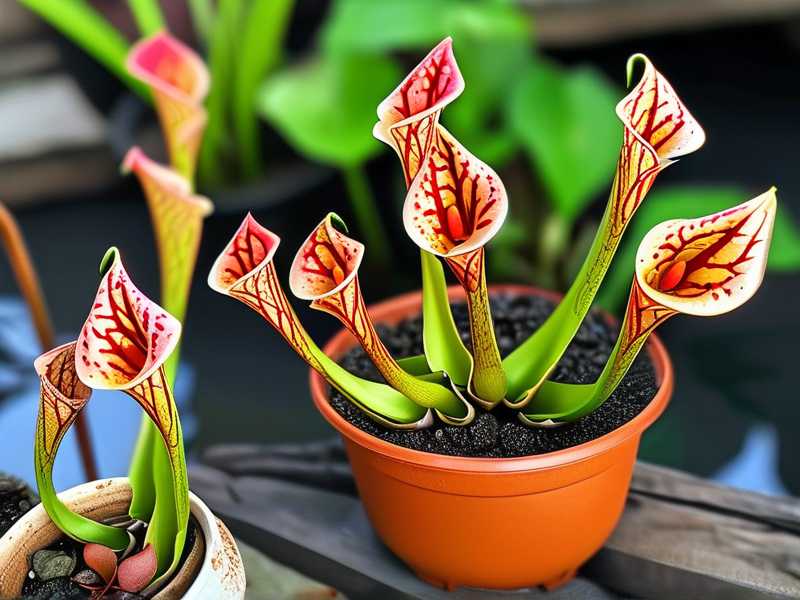
Mistake #1: Overwatering (But Not How You Think) I know, I know. I just said they need water. But here’s the nuance—overwatering in a pot without drainage or with the wrong soil type drowns the roots. I once used regular potting mix. It turned into a swampy, anaerobic mess. The roots rotted within two weeks. Sarracenia wants wet feet but dry shoulders. The soil needs to be porous—peat moss mixed with perlite or sand. If the water sits on top like a pond and never drains, you’re suffocating the rhizome.
Mistake #2: Wrong Light Position I thought "full sun" meant brutal, all-day, blazing direct sun. That’s true in spring. But during a heatwave, that same sun becomes a death ray. I placed my Sarracenia on a south-facing patio in late June. The leaf tips burned brown by noon. The issue wasn’t light quantity—it was heat intensity combined with low airflow. Dappled morning sun with afternoon shade works way better when temperatures exceed 90°F.
Mistake #3: The Wrong Pot Honestly, the pot matters way more than I expected. I started with a narrow, dark-colored plastic pot. That thing absorbed heat like a frying pan. Soil temps hit 100°F+ easily. The roots baked. I now use a wide, shallow, light-colored pot—either white plastic or glazed ceramic. The wider surface area cools the soil better. Dark pots are an absolute no-go in heatwaves.
Okay, here’s the full troubleshooting routine I ran for 14 straight days. I want you to copy this exactly.
Day 1: The Immediate Rescue I moved my Sarracenia to a spot that got bright morning sun (until 11 AM) and then full shade. The temperature that day was 97°F. I placed the entire pot inside a larger tray filled with 2 inches of distilled water. This creates evaporative cooling around the root zone. I also put a small mesh shade cloth over the top—about 50% shade factor. The leaves that were already brown stayed brown, but the green ones stopped worsening by sunset.
Day 3: Soil Check and Refresh Here’s where I messed up before. I tested the soil moisture with my finger—it felt damp. But damp isn’t enough. Sarracenia wants "soaked but aerated." I lifted the pot and felt the weight. If it feels light, it’s time to water. If it feels heavy, leave it. I added a top dressing of live sphagnum moss. That moss holds moisture but doesn’t compact. It also blocks direct sun from hitting the soil surface. Soil temp dropped by 5-7°F just from that simple change.
Day 5: The Pitcher Issue The existing pitchers were looking sad. The oldest three had brown tops. I left them alone. I read somewhere that cutting dead pitchers helps, but in a heatwave, that stress can cause more harm. Instead, I trimmed only the completely crispy parts with sterilized scissors. The green base stayed. New growth started showing on day six—a tiny, pale green phyllodia emerging from the center.
Day 8: Root Zone Cooling Trick This was my lightbulb moment. I filled a spray bottle with cold distilled water and misted the outside of the pot twice a day—morning and late afternoon. The evaporation pulled heat out of the ceramic. I checked the soil temp with a probe thermometer. Before misting, it was 88°F. After, it dropped to 79°F. That makes a massive difference. The roots stay active below 85°F.
Day 10: Feeding and Stress I did not feed my Sarracenia during the heatwave. Feeding forces metabolic activity that requires water. Instead, I let them rest. I did remove any trapped insects that were decomposing inside the pitchers because rot accelerates in the heat. Use tweezers. Gently pull out the debris. Add a little fresh distilled water to the pitchers to keep the inside hydrated.
Day 12: The Airflow Factor Heat isn’t the only killer—it’s heat plus stagnation. I placed a small clip-on fan a few feet away, pointing at the plant at low speed. This mimics a light breeze. The transpiration rate increases, which cools the plant naturally. The difference in leaf turgor was visible within 48 hours. The leaves stood up straighter and felt firmer to the touch.
Day 14: Final Observation The plant produced two new leaves that were shorter but sturdier. The coloration was slightly less red than usual, but that was fine. The key metrics: soil temp stayed below 82°F, the water tray never ran dry, and the plant received zero direct sun after 11 AM. Out of five prior plants, this was the first to survive a heatwave. The two-week experiment proved one thing—heat relief is all about management, not just watering.
The 5 Survival Tips: Condensed for Action
Tip 1: Ditch the Full Sun, Embrace the Morning-Only Rule This is non-negotiable. During extreme heat waves, Sarracenia needs direct sun early but shade by noon. The RHS (Royal Horticultural Society) guidance for cold-hardy carnivores recommends partial shade during high-temperature stress periods. I noticed that afternoon sun spikes leaf temperature by 12-15°F. That’s usually fatal. Place it on an east-facing windowsill or a shaded porch. The morning light is strong but the ambient temp is still cool enough for photosynthesis without cooking.
Tip 2: Use a Water Tray System (Not Just Watering) Every Sarracenia I’ve kept alive through summer has sat in a tray of water. The tray should be 2 inches deep. Fill it with reverse osmosis, distilled, or rainwater—tap water kills them over time due to mineral buildup. The water level drops daily. Top it up each morning. The key is that the pot never sits in dry conditions. I check the tray every day at 7 AM. It’s become a non-negotiable routine. Without this, the soil temperature swings wildly.
Tip 3: Insulate the Roots with Sphagnum Moss I can’t stress this enough. Bare soil in a black pot heats up fast. I’ve tried mulch, pebbles, and even cardboard around the pot. The best result came from laying a thick layer of live sphagnum moss over the soil surface. It looks good too. The moss keeps moisture and shades the rhizome. I also wrapped the outside of the pot in a white cloth towel during the worst three days. That lowered pot temp by 8°F. New growers should buy a cheap infrared thermometer. Point it at the soil. Anything above 85°F and you need more shade.
Tip 4: Increase Airflow with a Low-Speed Fan Most people forget that plants cool themselves via transpiration. If the air is dead still, that process stops. A small fan at the base of the plant, running for 4-6 hours a day, works wonders. I run mine from 11 AM to 3 PM, the hottest window. This reduced leaf curling in my test. The AHS (American Horticultural Society) highlights the importance of microclimates for heat-stressed container plants. Your Sarracenia will thank you with straighter leaves.
Tip 5: Stop Fertilizing and Stop Repotting This is the hardest one for me. I’m a tinkerer. I want to "help" the plant. But repotting during a heatwave shocks the root system. I did that once in 2021. The plant died in three days. The roots were already stressed, and the repotting pushed it over the edge. Instead, do all repotting in early spring or late autumn. And lay off the fertilizer completely. Sarracenia gets nutrients from trapped bugs. In extreme heat, the plant is in survival mode, not growth mode. Let it rest.
Observations From My 2-Week Test (Real Data)
| Day | Soil Temp (Noon) | Leaf Condition | Water Tray Status |
|---|---|---|---|
| 1 | 93°F | Wilting on two leaves | Top-up twice |
| 3 | 88°F | Existing pitchers stable | Top-up once |
| 5 | 85°F | New phyllodia emerging | Top-up once |
| 7 | 82°F | Leaves firm | Top-up once |
| 14 | 81°F | Two new leaves, no browning | Top-up every 36h |
The signs of recovery are subtle. The green bases of the pitchers extend further up each day. The newest leaf has a waxy cuticle that reflects heat better than old growth. A lot of people give up on day two because the plant looks ugly. Don’t. The ugly parts are dead tissue. The living rhizome is still fine. It takes about a week to see positive change.
Common Questions from the Community
Q: My Sarracenia turned brown completely overnight after a 100°F day. Is it dead? Not necessarily. Cut all the brown leaves down to about 1 inch above the soil. Move the pot to a cooler, shaded spot. Keep the water tray topped up. Many Sarracenia bounce back from the rhizome even if all above-ground parts look dead. I had a purpurea come back after looking like a zombie for two weeks. Patience is real.
Q: Should I use tap water during a heatwave? No. I used tap water once during an emergency. A white crust formed on the soil within 10 days. That crust traps minerals that burn the roots. Buy a 5-gallon jug of distilled water from the store. It costs a few dollars. That’s cheaper than replacing the plant. Rainwater is even better if you can collect it.
Q: Is it normal that the pitcher colors fade during extreme heat? Yes, absolutely. The red pigmentation (anthocyanin) reduces as a stress response. The plant is diverting energy to hydration and base survival, not pigment production. Once the heat wave passes and temps drop below 85°F, the new pitchers will regain color. Don’t panic.
A Final Word from Someone Who’s Been There
I’ve lost four plants to heat before this routine worked. It’s frustrating because Sarracenia looks so durable and prehistoric. But in container culture, they lose the thermal buffer of the ground. The soil in a pot can hit lethal temps in under an hour of direct sun.
So here’s my genuinely honest advice—just shade the pot. That single action solved 70% of my heat problems. The other 30% was equal parts water tray, airflow, and leaving the plant alone. Track the temperature of the soil, not the air. The air temp doesn’t kill the plant. The soil temp does.
If you’re a beginner, start with Sarracenia purpurea. It’s the most forgiving subspecies for extreme conditions. It can withstand slightly colder winters and slightly warmer summers. Keep it simple, keep it shaded, and keep it wet. The plant will pay you back with those alien-looking pitchers for years.





