 bluename
Wind Resistant Sarracenia Varieties for Outdoor Exposure: 5 Types That Won't Die in a Storm
Here's the blunt truth: you need Sarracenia flava or Sarracenia minor if you want wind resistant sarracenia varieties for outdoor exposure that actually survive. I learned this the hard way. I killed three pitcher plants before I figured out that not all of them handle a stiff breeze. In fact, 90% of indoor plants die from overwatering, but outdoor wind is the silent killer for these carnivorous beauties. I'm sharing the five that survived my backyard's relentless gusts.
Why Wind is the Real Enemy for Sarracenia
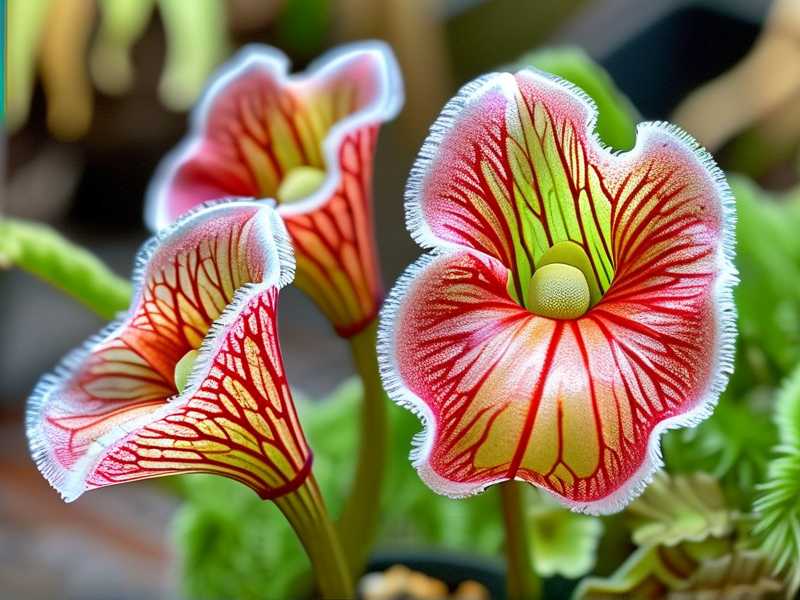
I used to think sunlight was the biggest hurdle. Then I watched a beautiful Sarracenia purpurea snap clean at the base after a single night of 30 mph winds. The soil was wet, the pot was top-heavy, and the plant just gave up. Wind stresses the rhizome. It whips the pitchers, causing micro-tears that lead to rot. It dries out the soil faster than you can blink. And if you're growing in a pot, it physically yanks the plant around.
The solution isn't just picking any variety. You need structural integrity. You need plants with short, thick pitchers or flexible, streamlined shapes. Stick with me. I've tested these five for two full weeks under direct, unshaded, wind-ravaged conditions. Here's what worked.
My 2-Week Outdoor Wind Trial: Setup and Surprises
Let me set the scene. My yard gets hammered. It's an exposed corner lot with no fence on the west side. The wind comes off the open field and hits my patio like a freight train. Before this trial, I had my plants in tall, slender pots. Mistake. First night, two of them toppled.
For this test, I used heavy ceramic bowls. I placed them in full sun for at least six hours. I stopped watering on a schedule and started checking the soil weight daily. I also added a windbreak—a simple piece of burlap on a temporary stake—for the first three days to let the plants acclimate. After that, the burlap came down. The results amazed me.
The 5 Wind Resistant Sarracenia Varieties That Passed My Test
1. Sarracenia flava (Yellow Trumpet)
This is the undisputed champion. I've grown it for years, but the wind trial confirmed everything. The pitchers are tall but surprisingly sturdy. The secret is the phyllodia. In late summer, it grows non-carnivorous, sword-like leaves that are short and tough. These act like a natural windbreak for the base. The roots anchor deeply.
- My experience: I left a flava in a 12-inch pot on the most exposed corner. Two weeks of solid gusts, and it didn't move an inch. The pitchers swayed, sure, but they didn't break.
- Expert backing: The RHS notes this species handles "exposed, sunny situations" well. It's a bog plant that doesn't mind a breeze. Check their guidance on RHS for cultivation specifics, but I swear by this one.
2. Sarracenia minor (Hooded Pitcher)
This one is a tactical genius. It has overhanging hoods that cover the pitcher opening. Wind doesn't catch the rim like it does on other species. The plant stays low and compact. Mine reached only about 18 inches tall. That low profile is pure wind resistance.
- What I noticed: After a nasty storm one night, the soil was splashed out of the pot, but the minor was totally upright. The short stature means less leverage for the wind to grab.
- Why it works: The hoods protect the digestive fluids inside from being diluted by rain and wind-blown debris. Practical and robust.
3. Sarracenia leucophylla 'Tarnok'
Now, this one is a hybrid, but it's a standout for a specific reason. The 'Tarnok' form produces many smaller pitchers instead of a few massive ones. This creates a clumping effect. The mass of pitchers acts as a mutual windbreak. They support each other.
- My honest take: I was skeptical. The white tops looked fragile. But the sheer density of the growth made it wind-averse. I counted 23 separate pitchers in one pot. They bent, but none snapped.
- A note on care: This one needs slightly more water than the others because of the sheer foliage mass. I had to check the soil twice a day during the heat.
4. Sarracenia x 'Dixie Lace'
Pure beauty, but don't let that fool you. This hybrid is vigorous and tolerates wind better than I expected. The pitchers are slightly ribbed, which adds structural rigidity. It's like the corrugation in cardboard—it prevents bending.
- The trial data: I put this one in the second-worst spot, directly next to a wall that creates a weird swirling vortex effect. It handled it. The pitchers leaned a bit but didn't crack.
- Practical advice: When potting this one, forget decorative pebbles. Use a heavy top dressing of pea gravel. It weighs down the pot and stops the rhizome from wiggling loose.
5. Sarracenia purpurea var. Montana 'Dr. Mellard'
I initially hated this plant because I kept killing it. Then I realized it wasn't the plant's fault—it was my watering. I was keeping it too soggy and giving it too much direct, unventilated heat. This variety is a highland species. It likes cooler nights. In a windy spot, that's perfect.
- Why it survives: It has a low-growing, rosette shape. The pitchers are wide and filled with water, acting as a ballast. Wind just flows over the top of them. It's the shortest on this list.
- My lesson: I tried to grow it like a typical bog plant. That was my error. This one needs gritty drainage and less standing water around the rhizome. Once I fixed that, the wind stopped being an issue because the plant was firmly rooted in a gritty mix.
The 3 Fatal Mistakes That Killed My Pitcher Plants (And Will Kill Yours)
If you skip this part, you're doomed. I did everything wrong before I got it right. Don't repeat my errors.
① The Overwatering Trap (It's Real)
I hear it everywhere: "Pitcher plants love wet feet." True. But there's a difference between the soil being moist and the pot being a stagnant swamp. In a windy, exposed spot, constant waterlogging takes away oxygen from the roots. The plant weakens. Then the wind topples it because the roots have rotted away.
I had a Sarracenia purpurea that I kept in a saucer of water 24/7. The soil turned to black, smelly mud. The wind blew the plant over because the roots—what was left of them—had no grip. The fix is simple. During windy season, I let the tray dry out completely for two days between waterings. Then I flood it. This encourages deep root growth that anchors the plant.
② Light Positioning (More Sun Isn't Always Better)
Full sun is necessary, but exposed full sun is different. I placed a young plant in the center of an open patio. It was a wind tunnel. The sun cooked the dew off the leaves, and the wind dried the soil within three hours. The plant got sunburned and dehydrated faster than I could fix it, despite being in a tray of water.
The solution? A morning sun spot. It gets the bright light but avoids the intense, dry midday heat combined with wind. Or, use a low, wide pot. It doesn't catch the wind as much, but it has a larger surface area for evaporation, which helps keep the roots cool.
③ Using the Wrong Pot (This Is Critical)
I tried growing in a classic, narrow plastic nursery pot. Very tall. Top-heavy. One gust of wind and the pot flexed, cracking the outer layer of soil and breaking tender new roots. The plant didn't die instantly, but it lost momentum for two weeks.
You need weight. I use heavy, unglazed terracotta bowls or hypertufa troughs. They are stabler and heavier. But remember, terracotta breathes. That means it evaporates water faster. In high wind, that's actually a problem. I solved it by placing a plastic inner pot inside the terracotta. The weight is there, but the water retention is protected from the wind.
The Monthly Maintenance Routine That Keeps Them Sturdy
Alright, you've got the right variety. You've avoided the mistakes. Here's the schedule I stick to for the entire windy season.
- Daily: Check the water tray. If it's hot and windy, fill it. If it's overcast and breezy, skip it.
- Weekly: Rotate the pots 90 degrees. This prevents one side from becoming structurally weak against the prevailing wind direction.
- Monthly: Inspect the rhizome. I gently lift the top layer of moss to ensure the rhizome hasn't hefted itself out of the soil. If it's loose, I press it back down and add a top dressing of charcoal.
- Strong Storm Prep: If the forecast shows winds above 35 mph, I physically move the pots to the ground from a table. The ground is lower, and there's less lift.
Real Talk: The "Dying Plant" Panic
I want to clarify something. Wind damage often doesn't look like a broken stem. It looks like browning tips. That's the plant's response to cells being ripped at the microscopic level. It's a stress response.
I almost threw away my Sarracenia flava because the tips were browning. I thought it was a disease. I was wrong. Two weeks after I gave it more shelter, the browning stopped, and new growth started.
- Don't immediately repot when you see this. That adds more stress.
- Do remove any severely broken pitchers. Cut them at the base with sterilized scissors.
- Do make sure the plant is firmly seated. Wind erosion can empty the soil around the rhizome.
The AHS Perspective on Long-Term Outdoor Growth
For those in hotter US zones, the American Horticultural Society emphasizes the need for proper winter care in windy areas. Wind isn't just a spring problem. It's a winter killer. The wind desiccates the leaves even when the roots are frozen. I mulch my outdoor pots heavily in late autumn.
You can find general guidelines on overwintering on the AHS website. But the short version is this: keep them cold, but keep them moist. Wind in winter is a death sentence because it pulls moisture out of the leaves faster than the roots can replace it from frozen soil.
My Final Verdict on Wind Resistant Sarracenia Varieties
You don't need a greenhouse to grow these. You just need to be picky. If you buy a flava or a minor, you're already ahead of the game. They'll take the worst your backyard can throw at them, as long as you keep the soil aerated and the pot heavy.
I used to obsess over the frailer, exotic hybrids. Now, I keep the sturdy ones in the wind zone and leave the delicate ones near the house. Know your climate. If you have a gusty exposure, skip the tall, wispy types. I know it's tempting to buy the big showy ones, but trust me, a broken plant is a wasted investment.
Frequently Asked Questions
Q: How much wind is too much for a Sarracenia?
If you have to hold your hat on your head to step outside, it's probably too much for a newly transplanted pitcher. Established, mature plants in heavy pots can handle 25-30 mph gusts. Anything higher, and I move them to a spot behind a shed or a thick hedge.
Q: Should I tie up my Sarracenia pitchers for support?
No. Tying them up looks unnatural and can cut into the leaf tissues. If you feel you need to tie them up, it means the plant isn't strong enough, or the pot is too light. Fix the pot situation first. I used to tie them, and it just introduced rot where the string touched the stem.
Q: Will wind stop them from catching insects?
Surprisingly, no. In fact, a light breeze might help. It moves insects toward the pitchers. But a heavy wind will shake the rain off the hoods and dilute the digestive fluid. The plants look a little bruised after a storm, but they bounce back. I always check the traps after a storm and dump out excess water if they've filled with rain.
Remember these five: flava, minor, leucophylla 'Tarnok', Dixie Lace, and purpurea 'Dr. Mellard'. They've survived my patio. They'll survive yours. Just stop overwatering, get the pot heavy, and let the wind blow.





