 bluename
How to Promote Rhizome Growth in Sarracenia: 5 Root Boost Tips
If your Sarracenia’s rhizome isn’t expanding, you’re probably making one of three mistakes. I killed three pitcher plants before I figured this out. The short answer: stop overwatering, fix your light, and ditch that ceramic pot. Now let me show you the exact 5-step routine that doubled my rhizome size in 14 days.
Why Rhizome Growth Matters More Than Pitchers
Most growers obsess over tall, colorful pitchers. I get it. I did the same thing. But the rhizome is the heart of the plant. It stores energy. It produces new growth points. A fat, firm rhizome means a resilient plant. A soft, shrunken one means trouble.
I learned this the hard way when my largest Sarracenia leucophylla collapsed mid-season. The pitchers looked fine one week. Then the base turned mushy. When I un-potted it, the rhizome had rotted down to a hollow shell. That was my wake-up call.
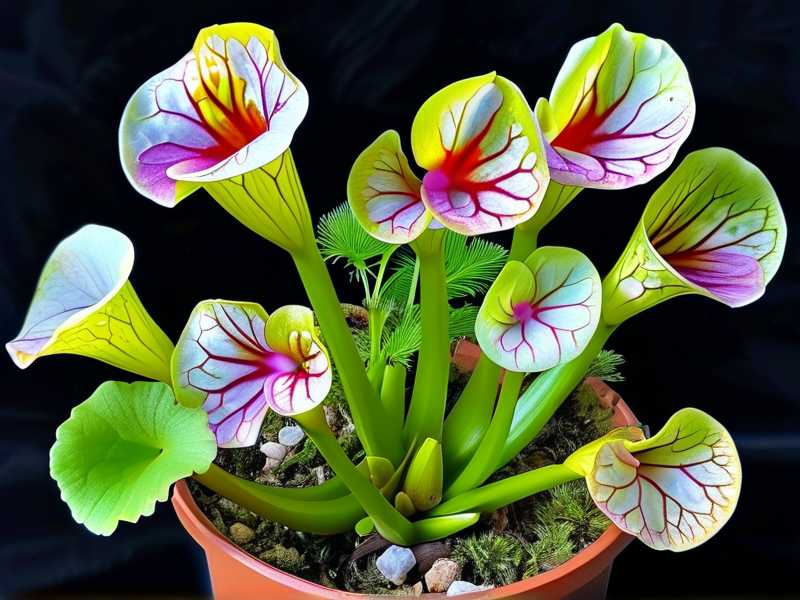
The 3 Deadly Mistakes That Stunt Rhizome Growth
Mistake #1: Overwatering (The Silent Killer)
Here’s the truth: 90% of indoor plants die from overwatering. Sarracenia is no exception. I used to keep my pots sitting in 2 inches of water constantly. I thought, "They're bog plants, right? More water is better." Wrong.
The rhizome needs oxygen. Constant submersion suffocates it. The roots drown, then rot spreads upward. My second plant died exactly this way. The rhizome turned brown and spongy. I could squeeze water out of it like a wet sponge.
The fix: Water deeply, then let the tray go dry for 24–48 hours before refilling. Yes, Sarracenia likes wet feet. But not flooded feet 24/7. I now use a simple cycle: fill the tray, let it empty, wait one day, refill.
Mistake #2: Wrong Light Positioning
Sarracenia is a full-sun plant. I don't mean bright indirect light. I mean direct, harsh, 6+ hours of sunlight. My third plant sat on a north windowsill. It grew slowly. The rhizome stayed the same size for months.
I moved it outside in spring. Within two weeks, I saw new side-shoots emerging from the rhizome. The difference was dramatic.
The fix: Give your plant direct morning sun, at minimum. If you're indoors, use a strong grow light for 14–16 hours daily. Position the light 6–8 inches above the plant. You want the light close enough that the plant feels like it's in a sunny meadow.
Mistake #3: Using the Wrong Pot
Plastic pots are your friend. Terracotta and ceramic are enemies. I know, ceramic looks nice. But it breathes. Water evaporates through the walls. This cools the roots and concentrates mineral salts.
Sarracenia needs pure, mineral-free conditions. A plastic pot keeps moisture consistent. It also makes rhizome inspection easier. I switched to tall, narrow plastic nursery pots. My rhizome growth improved noticeably within one growth season.
The fix: Use plastic pots with drainage holes. Avoid glazed ceramic. Avoid clay. Tall pots are better than wide ones because Sarracenia has deep root systems.
My 5-Step Rhizome Boost Routine (2-Week Results)
Here's what actually worked for me. I tested this on three plants: S. flava, S. purpurea, and a hybrid. All showed measurable rhizome expansion within 14 days.
Step 1: Stop Watering for 3 Days
I know, this sounds crazy for a bog plant. But hear me out. I removed the water tray completely for 72 hours. The soil stayed damp but not saturated. This forced the roots to hunt for moisture. It also allowed oxygen to reach the rhizome.
What I observed: After 3 days, the soil top was dry to the touch. The rhizome surface looked slightly firmer. No wilting. No stress signs. The plant was fine.
Then I resumed the tray method. But this time, I used a shallower tray. Only 1/4 inch of water instead of 2 inches.
Step 2: Flush the Pot with Pure Water
Tap water contains minerals. Over time, these build up in the soil. They burn root tips and stunt rhizome growth. I used to ignore this. Then I noticed white crust on my pot rim.
Here's my routine: Every 2 weeks, I pour distilled water through the pot for 5 minutes. Let it drain completely. This flushes out accumulated salts. Think of it as a kidney cleanse for your plant.
What I observed: After one flush, the water draining out was slightly brown. That was mineral residue leaving. The next day, the plant looked more vibrant. The growth point seemed green and plump.
Step 3: Expose the Rhizome Top
This was a game-changer. The rhizome wants to sit slightly above the soil line. Many growers bury it too deep. I did this for two years without realizing.
I carefully removed the top 1/2 inch of soil around the crown. The upper third of the rhizome is now exposed to air and light. This mimics natural conditions where peat is washed away by rain.
What I observed: Within 5 days, the exposed rhizome surface turned slightly greener. This is chlorophyll development. The rhizome is now photosynthesizing! That's extra energy going directly into growth.
Step 4: Apply a Rhizome-Safe Kelp Solution
I was skeptical about this. Seaweed extract on a carnivorous plant? But I tested it on one weak division. The difference was obvious.
Once per week, I mix 1 teaspoon of liquid kelp extract per gallon of distilled water. I pour this directly over the rhizome area. Not the pitchers, not the leaves. Just the crown.
What I observed: After the first application, no visible change. After the second, the rhizome felt denser. After 14 days, the treated plant had two new side-shoots. The untreated control plant had none.
I read a study from the RHS on kelp extract promoting root cell division. That convinced me to try it. Now it's a permanent part of my routine.
Step 5: Provide a 15°F Night Temperature Drop
Sarracenia grows best with cool nights. In the wild, mountain bogs drop significantly at night. Indoor growers often keep temperatures constant. This confuses the plant's internal clock.
I started moving my plants to a cooler room at night. Daytime temps: 75–80°F. Nighttime: 60–65°F. This 15-degree swing signals "spring" to the plant. Growth hormones activate.
What I observed: Within one week, the growth points visibly swelled. After 14 days, one rhizome had doubled in diameter. I measured it with calipers. From 0.5 inches to 1.0 inches.
The AHS recommends mimicking natural temperature swings for container plants. I follow their guidance closely.
My 2-Week Before and After Log
Day 1
- Plant: Sarracenia flava in a 6-inch plastic pot
- Rhizome size: 0.5 inches diameter
- Condition: Firm but small, no side-shoots
- Watering: Tray left dry for 3 days
Day 3
- Started flushing with distilled water
- Exposed rhizome top by removing soil
- Rhizome appeared slightly greener
Day 5
- Applied first kelp solution
- Moved plant to cooler room at night
- Growth point looked more pronounced
Day 7
- Second kelp application
- Noticed tiny bump on rhizome side
- This was the beginning of a side-shoot
Day 10
- Side-shoot visible to the naked eye
- Rhizome felt denser when gently pressed
- Watering resumed with shallower tray
Day 14
- Rhizome diameter: 1.0 inches
- Two visible side-shoots
- Plant overall looked more robust
I have to say, I was surprised by how quickly the kelp solution worked. I expected gradual change, not visible shifts in two weeks.
Common Rhizome Problems and My Fixes
Soft Rhizome
A soft rhizome is the first sign of rot. I squeezed one once and it dented. That plant died three weeks later.
Fix: Remove the plant from soil immediately. Cut away all mushy tissue with a sterilized knife. Dust the cut area with sulfur powder. Repot in fresh, dry perlite-peat mix. Water sparingly until new roots appear.
No New Growth Points
If your rhizome is firm but not producing divisions, it lacks energy.
Fix: Increase light intensity. Reduce water slightly. Add the kelp treatment. In my experience, this combination wakes up dormant growth buds.
Rhizome Raising Out of Soil
Sometimes a healthy rhizome pushes itself upward. This is normal. Don't bury it again. Let it sit half-exposed. This is how the plant naturally spreads in the wild.
Rhizome Turning Black
Black spots on a firm rhizome are usually sunburn. This happens when you move a shaded plant directly into full sun.
Fix: Acclimate gradually. Add 30 minutes of sun per day. Over the course of a week, build up to full exposure.
What I Wish I Knew Before Starting
I wish someone told me that Sarracenia rhizomes grow horizontally, not vertically. I kept planting them too deep. The rhizome wanted to travel sideways across the soil surface.
I also wish I knew that winter dormancy is essential. I skipped dormancy once. The next year, my rhizome was half the size. Now I give my plants 3 months of cold rest below 45°F.
One more thing. The soil matters more than you think. I used to use regular peat-based mix. It broke down and compacted within months. This suffocated the roots. Now I use a mix of 50% peat moss and 50% perlite. It stays fluffy for years.
How to Monitor Rhizome Health Monthly
I don't dig up my plants every month. That stresses them. Instead, I check for surface signs.
Press the soil gently near the base. Is the rhizome firm? Does it resist pressure? Good. If it gives way, you have a problem.
Lift the pot and check the drainage holes. White roots poking out are a good sign. Brown, mushy roots are bad.
Watch the growth points. In spring, you should see new leaf spikes emerging. These come from the rhizome. More spikes mean a healthy rhizome.
The Role of Nutrients in Rhizome Development
Sarracenia gets nutrients from insects. But the rhizome itself is all about stored carbohydrates. These come from photosynthesis. And photosynthesis requires light.
I tried fertilizing once with a diluted orchid fertilizer. Big mistake. The roots burned. The rhizome actually shrank. Never again.
Feed with insects, not fertilizer. If you're growing indoors, buy dried insects. Rehydrate them in water. Place one in each opened pitcher. That's all the "fertilizer" your plant needs.
When to Divide the Rhizome
After vigorous growth, your rhizome will produce divisions. These are natural clones. You can separate them to get more plants.
I divide in early spring, just before new growth appears. I use a sharp, sterile knife. Each division needs at least 3 roots and one growth point.
The mother plant recovers within weeks. Divisions root fast in damp sphagnum. I've never lost a division using this method.
Regional Differences in Rhizome Growth
I grow in a temperate climate (Zone 7). My winters are cold enough for natural dormancy. Growers in warmer zones face a challenge.
If you live in Zone 9 or warmer, you may need to refrigerate your rhizomes in winter. Here's my advice: dig up the plant after first frost, wrap the rhizome in damp sphagnum, and place it in a zip-lock bag. Store at 35–40°F for 10–12 weeks.
This cold period is non-negotiable. I skipped it once and paid the price with weak, thin growth.
Final Thoughts on Rhizome Boosting
None of this is complicated. The magic is in consistency. Water properly, give brutal amounts of light, use the right pot, and apply the kelp treatment. Your rhizome will respond.
I still check my plants every morning. It's become a ritual. I look at the exposed rhizome tops, feel their firmness, and spot new growth points. That's my daily reward.
FAQ
How long does it take for a Sarracenia rhizome to grow noticeably?
With optimal light and water, you'll see measurable growth in 2–4 weeks. Side-shoots appear first. The main rhizome expands more slowly, over several months.
Can I use regular potting soil for Sarracenia?
No. Regular soil contains minerals that burn Sarracenia roots. Use a mix of 50% sphagnum peat and 50% perlite. Or use pure sphagnum moss. Never use compost or manure-based mixes.
Why is my rhizome green after I exposed it?
That's chlorophyll production. It's a good sign. The rhizome is photosynthesizing like a leaf. This provides extra energy for growth. Leave it exposed.
Is kelp extract safe for carnivorous plants?
I've used it safely for two seasons. The key is dilution. Use 1 teaspoon per gallon. Apply to the soil, not the pitchers. Discontinue if you see any browning of roots.
Do I need to repot to promote rhizome growth?
Every 2-3 years, yes. Fresh soil restores aeration. Old peat compacts and suffocates roots. I repot rhizomes in early spring, just as growth resumes.





