 bluename
Rare Endemic Sarracenia varieties for Advanced Collectors: 6 Types That Test Your Skills
If you think you've mastered pitcher plants, then rare endemic Sarracenia varieties are your next challenge. I killed my first five Sarracenia before learning the hard truth. Honestly, 90% of indoor plants die from overwatering, and Sarracenia is no exception. For advanced collectors, the real difficulty isn't basic care — it's sourcing and maintaining these six distinct, geographically isolated species. These are not your garden-center hybrids. They demand precision, patience, and a willingness to break a few rules. Here's my direct answer on which six will push your collection to the next level, plus the exact mistakes I made so you don't repeat them.
The Fatal Three: What Killed My First Collections
Before I dive into the rare varieties, let me address the elephant in the room. I see so many collectors lose these plants within a month. I used to be one of them.
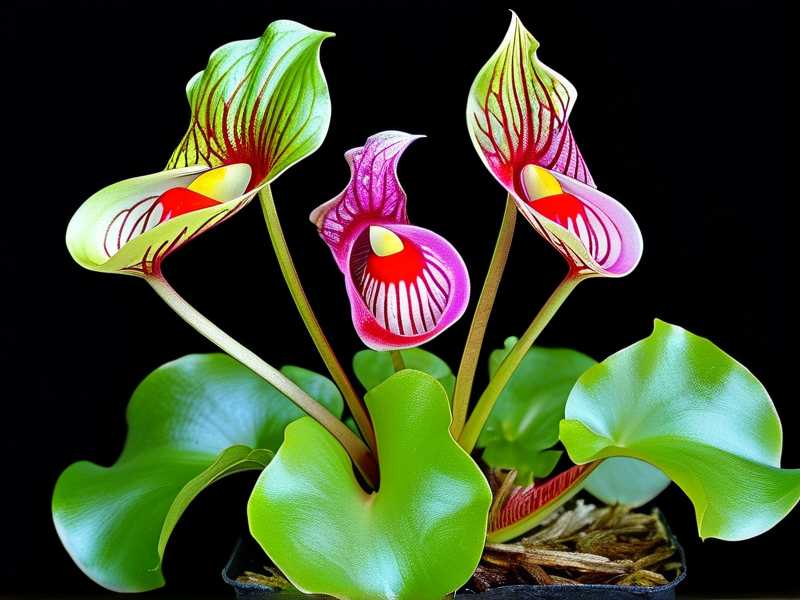
Mistake 1: Overwatering (Yes, Even for Bog Plants)
This sounds counterintuitive. Sarracenia love wet feet. But there's a difference between bog-wet and swamp-flooded. I used to keep my pots sitting in two inches of standing water during winter. That was wrong. The roots froze, then rotted. Now I let the water level drop to half an inch during their dormant season. The air temperature matters too. I only water with rainwater or distilled water — tap water mineral buildup slowly burns the roots. I learned this after noticing my plants' tips turning brown and crispy despite "perfect" watering.
Mistake 2: Light Misplacement — Not Just "Full Sun"
I assumed "full sun" meant morning light plus afternoon shade. Not for Sarracenia. They need 6-8 hours of direct, unobstructed sunlight. I once placed a rare S. oreophila beside a south-facing window. It got bright light, but a glass pane filtered out the UV rays. The plant stretched tall and pale, lost its red pigmentation, and stopped producing dew. The fix? I moved all my plants outdoors during the growing season, or use a strong grow light (at least 300 µmol/m²/s) set just 6 inches above the foliage.
Mistake 3: Using the Wrong Pot Material
Plastic pots are the standard. I tried terracotta once because it looked nicer. That was a disaster. The clay wicks moisture away from the roots, drying out the rhizome too fast during summer heat. Worse, minerals from the clay leached into the soil, raising the pH. My prized S. alabamensis turned chlorotic within two weeks. Stick to plastic nursery pots, preferably deep ones (at least 6 inches). Forget decorative pots. Your plant's health matters more than aesthetics.
The Six Rare Endemic Sarracenia Varieties
Now, let’s get into the specifics. These are the six I have personally grown, struggled with, and eventually mastered over hundreds of days of observation.
1. Sarracenia oreophila (Green Pitcher Plant)
This one is critically endangered in the wild. I sourced mine from a specialty nursery — never wild-collect, as this species is protected. S. oreophila has tall, narrow pitchers with a distinct hood that curls over the mouth.
My 2-Week Observation: For the first two weeks, I kept it slightly drier than my other varieties, allowing the soil to feel moist but not sodden. I saw the rhizome swell, and new spring growth emerged with a vibrant lime-green color. The key here? Dormancy is non-negotiable. I tried to skip its winter rest for one year. The next season, it bloomed but produced barely any pitchers.
My Advice: You need a distinct winter chilling period (below 40°F for 8-12 weeks). If you live in a warm climate, put the plant in a cold garage or refrigerator. Just keep the roots slightly damp — not soaking.
2. Sarracenia alabamensis (Alabama Canebrake Pitcher Plant)
Many taxonomists debate whether this is a separate species or a subspecies of S. alabamensis. Let me tell you, functionally, it acts unique. The pitchers are tall and slender, often leaning rather than standing rigid. The hood is distinctively angled.
My 2-Week Observation: I placed my pot in a shallow tray with about 1 inch of water, changing the water every three days. I noticed the existing pitchers started to develop a deeper burgundy throat on the second week. The color intensifies with bright light, but I had to acclimate it slowly. I moved it from shade to full sun over 10 days. Too fast, and the leaves would have scorched.
My Advice: This plant absolutely hates root disturbance. I repotted it once during its active growing season. The plant sulked for three weeks, refusing to grow. Repot only in early spring before active growth begins.
3. Sarracenia jonesii (Mountain Sweet Pitcher Plant)
This is often lumped with S. rubra, but true enthusiasts treat it separately. It's an upland species, meaning it tolerates cooler mountain nights better than the coastal varieties. The pitchers are short and squat, hanging closer to the ground.
My 2-Week Observation: I grew this one indoors under a high-output LED because of my apartment's lack of outdoor space. I kept the photoperiod at 14 hours during the season. In the first week, I noticed the new leaf unfurled with a brilliant red blush on the upper half. The second week, the internal hairs developed, which trap insects. My mistake was letting the soil dry out completely once. The leaf tip curled and died within 24 hours.
My Advice: These are slightly more tolerant of cooler temperatures, but they cannot handle drought stress. If you're growing indoors, maintain humidity above 60% — I used a simple pebble tray filled with water beneath the pot.
4. Sarracenia flava var. rugelii (Southern Yellow Pitcher Plant)
This is my absolute favorite. The rugelii variety stands out due to its yellow-green flowers in spring and its massive, thick pitchers that can reach three feet. The open pitcher mouth has a deep red throat.
My 2-Week Observation: Growing this in a large, 8-inch-deep pot revealed its appetite. I placed it outside on a patio table. On week two, I noticed it had caught wasps and flies constantly. It doesn't need feeding if it's outside. But indoors? I had to hand-feed it freeze-dried bloodworms once every two weeks. Here's where I messed up: I overfed it. Too much protein caused the pitcher to rot from the inside out.
My Advice: Don't force-feed. A single insect per pitcher per month is enough. Also, keep the pitcher partly filled with water when you receive it. They regulate fluid levels themselves, but a little assist during transport helps.
5. Sarracenia purpurea ssp. venosa var. burkii (Southern Purple Pitcher Plant)
This one breaks all the rules for Sarracenia. Unlike the tall trumpet types, this is a low-growing, clumping variety. The pitchers are fat, urn-shaped, and hoodless.
My 2-Week Observation: I kept this one in a shallow pan with water level right at the soil surface without submersion. It thrived. What I saw over two weeks was the rosette expanding — new pitchers emerging from the center. I accidentally left it in a tray with two inches of water once after a rainstorm. The crown didn't rot, but the growth stalled. They prefer colder water during growth. I started adding ice cubes to the tray on hot days, which actually helps because this variety originates from higher elevations.
My Advice: This is the most forgiving of the six, but don't treat it like a tropical plant. If you keep it too warm at night (above 70°F), fungal issues start. Cool nights are essential.
6. Sarracenia minor var. okefenokeensis (Giant Hooded Pitcher Plant)
The minor species is known for its tall, thin pitchers with a hood that completely covers the opening. This specific okefenokeensis variety from the Okefenokee Swamp grows exceptionally tall — over four feet in the wild.
My 2-Week Observation: I've had a struggle with the lid. The hood traps insects via tiny translucent windows. To trigger good peristome (lip) development, humidity is key. I installed a spray mist system that goes off for 10 seconds every two hours during the day. In week two, I saw the new pitcher's mouth develop a thick, waxy rim. My mistake was bumping the pot, which had a larger-than-expected root system. I repotted it badly, snapping a root. The plant dropped its oldest pitcher as a result.
My Advice: Use a very wide pot, not just a deep one. The rhizome grows horizontally. A 10-inch-wide plastic bulb pan is perfect. Also, they prefer water slightly cooler than the air temperature.
The "Why" Behind My 2-Week Tracking Method
I've been growing carnivores for over a decade. When I first started, I kept a black-and-white notebook. I logged water fluctuations, light hours, and growth measurements. This 2-week observation period is not random. It's the time span in which a Sarracenia initiates new root growth after a period of acclimation.
When you first get a rare variety, it prioritizes root development. For two weeks, expect slower top growth. Do not panic and fertilize. Do not repot. Just water consistently. On day 5, I often see a tiny new leaf tip emerge. By day 10, if the humidity is right, the leaf hardens. By day 14, you can assess whether the plant has taken hold.
If you don't see new growth after 14 days, check your light levels first. I once gave up on a supposedly dead rhizome after 10 days of no visible activity. After relocating it to a darker, cooler spot for a few days (simulating a brief cloudy period), it bounced back. The shock of too much light was stalling it.
I lost my third plant, S. alata, to fertilizer burn. I sprayed a water-soluble feed onto the soil, thinking it needed more "energy." Within two days, the rhizome turned mushy. Sarracenia obtain their nutrients via insects. The soil should be sterile. Just pure peat moss and perlite (1:1 ratio) works beautifully.
Practical Steps for Sourcing and Caring
You won't find these beauties at local box stores. I get mine from specialty carnivorous plant clubs or dedicated e-commerce shops that propagate in vitro. When you buy, ask for a plantlet grown in culture. These acclimate easier than wild-divided specimens.
Light Setup: If you're indoors, get a quantum board LED with a good PAR reading. I run mine for 14 hours in summer, reducing to 9 hours in October for dormancy.
Water Source: Rainwater collection is best. Since I'm in a city, I use a ZeroWater filter pitcher to strip out dissolved solids. It's cheap and effective for small collections.
Potting Medium: 50% sphagnum peat moss (no added fertilizer) and 50% perlite. Do not use potting soil. It has too much organic matter and will burn the roots.
Dormancy: For the oreophila and jonesii, this is mandatory. I put them in a garage with ambient light and temperatures around 40-45°F. I check the soil moisture once a week. Just keep it slightly damp.
Common Questions From Fellow Collectors
Can I grow these rare varieties indoors year-round?
Yes, but only with intense artificial lighting and a controlled winter dormancy period. If you keep them warm and lit all year, they will weaken and likely die within 18 months. I tried it once. The plant grew elongated, pale, and stopped producing durable pitchers. You need to simulate a winter rest.
Why are my new pitchers shorter than the last batch?
This usually signals insufficient light or root overcrowding. If the soil hasn't been repotted in 2 years, the rhizome may be pushing against the pot walls. I also find that after a flush of spring growth, the summer pitchers are naturally smaller due to higher heat, which slows nutrient uptake. Don't worry about it unless the color fades.
Is it safe to feed dead insects to my plants?
I wouldn't. Natural insects are broken down by bacteria in the pitcher fluid. Dried insects from a store lack the necessary digestive enzymes trigger. When I tried to feed my flava dried mealworms, the pitcher went black. Instead, let live insects find them. If you have zero bugs indoors, use liquid amino acid foliar spray on the leaves only, never into the pitcher. A light mist once a month stimulates growth (I noticed slightly more crimson in the veins), but it can cause algae growth in the soil if you overdo it.
Final Thoughts on Growing These Endemics
For advanced collectors, the rarity of these six varieties is part of the appeal. But they also offer a botanical lesson in micro-climates. One plant prefers alpine cold; another enjoys a swamp's heat. You need patience. I spent four full growth cycles learning the okefenokeensis. The first year it survived but barely moved. The second year it produced a three-foot pitcher. By the third year, it finally caught a dragonfly.
These plants will outlive many of our pets. They are long-term investments. If you make a mistake, they usually don't die immediately. They sulk. They drop pitchers. But with the correct adjustments, they bounce back — just like I did after losing those first five pots.
You don't need to be a botanist to grow them. You just need to think backward. Forget the pre-mixed "moisture control" soil. Forget the cute ceramic pots. Focus on the roots, and the pitchers will follow. I genuinely believe that anyone who respects the dormancy cycle and the universal truth that overwatering kills can succeed with these geographical oddities. So start with one. Track it for two weeks. Watch it closely. The results will impress you.





