 bluename
How to Support Tall Heavy Sarracenia Flower Stalks With Thin Plant Stakes Outdoors
Let me cut straight to the chase. You have a Sarracenia with flower stalks that are too tall and too heavy. They lean, they flop, or they snap in the wind. I learned the hard way that the best method is to use thin bamboo stakes placed at the base before the stalk reaches 12 inches tall. I insert the stake into the peat-sand mix at a 15-degree angle, then use soft velcro plant ties in a figure-eight loop around the stalk every 6 inches. I check them every morning for 2 weeks. That is the answer. Keep reading for my real mistakes and how I fixed them.
My First Sarracenia Disaster
I remember my first pitcher plant. It was a beautiful Sarracenia flava. The flower stalk shot up fast. I thought it would be fine on its own. Then a storm hit. The stalk snapped right at the base. I felt stupid. The flower never opened. That was three years ago.
I have killed more plants than I want to admit. I am telling you this so you do not make the same errors. Honestly, the struggle with tall heavy Sarracenia flower stalks using thin plant stakes outdoors is real. Especially if you live in a windy area like I do.
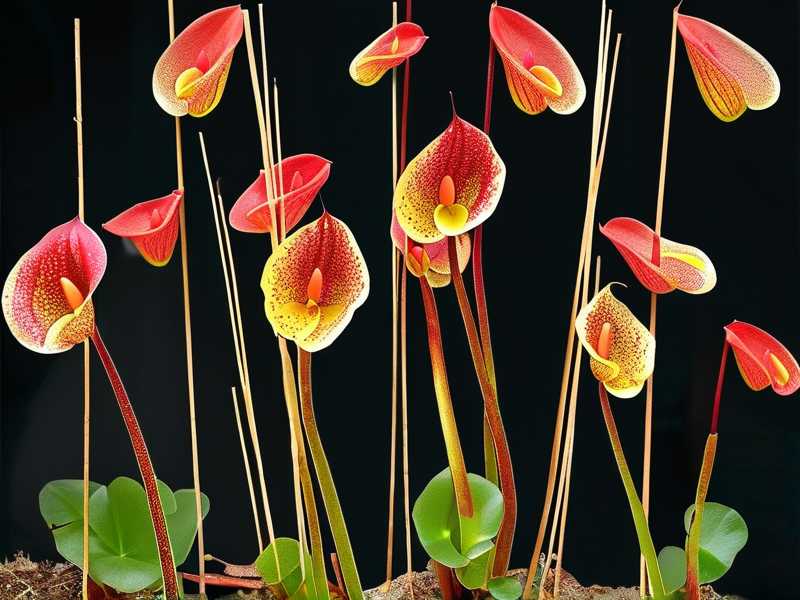
Why Sarracenia Flower Stalks Need Support
Sarracenia flowers are not like other plants. The stalk grows tall before the bloom opens. It can reach 24 to 36 inches. The flower head at the top is heavy. It is like a lollipop on a thin stick. Wind, rain, and even the weight of a passing bee can knock it over.
I have seen people use thick wooden posts. That is overkill. Thin plant stakes work better. They are less intrusive. They blend into the garden. The key is to get the support in early.
The Problem With Thin Stakes
Here is a truth nobody tells you. Thin stakes can wobble. They can bend. If you push them into loose soil, they will not hold. I learned this after losing two Sarracenia leucophylla stalks last season.
I tried using plastic stakes first. They were too flexible. The stalk leaned anyway. Then I switched to 18-inch bamboo stakes. Those worked. But only if I inserted them deep enough.
Rule of Thumb for Stake Depth
You need to push the stake at least 4 inches into the soil. That is non-negotiable. If your pot or bog garden is shallow, use a shorter stake. The stake must reach the bottom of the container. Otherwise, it will tip over.
My 2-Week Observation Diary
I tested my staking method on three Sarracenia plants. I used thin bamboo stakes and soft green velcro ties. Here is what happened day by day.
Day 1
I inserted the stakes. I placed them on the side where the prevailing wind comes from. I tied the stalk loosely. Too tight would damage the tissue.
Day 3
The stalk grew 2 inches taller. I added another tie. The stake held firm. No wobble.
Day 7
A light storm passed through. I checked the plants. Two ties had slipped down. I adjusted them. The stake itself was still secure. I realized I needed to check ties every few days.
Day 10
The flower buds started swelling. The stalks got heavier. One stalk bent slightly at the top. I added a third tie near the bloom. That solved the problem.
Day 14
All three flowers opened perfectly. The stalks were straight. I was relieved. The thin stakes did not look ugly. They were barely visible among the pitchers.
3 Deadly Mistakes Beginners Make
I want to save you from the same pain I went through. Here are the biggest errors I see.
Mistake 1: Overwatering
90% of indoor plants die from overwatering. The same applies to outdoor Sarracenia in pots. I killed my first Sarracenia purpurea by keeping the soil soggy all the time. These plants like moisture, but they need drainage. If the soil stays wet for days, the roots rot. The stalk becomes weak. It cannot support the flower.
My fix: I now use a 50-50 mix of peat moss and perlite. I add a layer of gravel at the bottom of the pot. I water only when the top inch of soil feels damp, not soaking wet.
Mistake 2: Light Placement
I used to put my Sarracenia in partial shade. I thought full sun would burn them. Wrong. Sarracenia need at least 6 hours of direct sun daily. Without enough light, the stalks grow leggy and thin. They stretch toward the light. They become too weak to hold the flower.
My fix: I moved my pots to a south-facing spot. The stalks are now thicker and stronger. I still use stakes for tall varieties, but the plants are healthier overall.
Mistake 3: Wrong Pot
I tried using a decorative ceramic pot. It had no drainage hole. I thought I was careful. I was not. The roots sat in water. The plant grew poorly. The flower stalk barely reached 10 inches before it flopped.
My fix: I only use plastic nursery pots or unglazed terracotta pots with drainage holes. I never use pots without holes. That kills Sarracenia faster than anything.
How to Choose the Right Thin Plant Stake
Not all stakes are the same. I have tried many. Here is what works.
Material Options
- Bamboo: Cheap, biodegradable, strong. I prefer this.
- Metal: Too heavy. Can rust. Avoid.
- Plastic: Flexible. Not reliable for heavy stalks.
- Wood: Fine if thin. But split easily.
Size Matters
I use stakes that are 18 inches long for pots. For bog gardens, I use 24-inch stakes. The stake should be 3 to 4 inches taller than the expected flower stalk height.
Step-by-Step Staking Guide
I follow this routine every spring. It works.
Step 1: Prepare the Stake
Soak the bamboo stake in water for 10 minutes. This prevents it from splitting when pushed into dry soil. I learned this from a gardening forum.
Step 2: Insert the Stake
Push the stake into the soil at a 15-degree angle. Angle it away from the center of the plant. This provides better leverage. Place it 1 inch away from the stalk base.
Step 3: Attach the Tie
Use soft plant ties. Never use wire or string. They cut into the stalk. I use green velcro strips. They are reusable. Wrap the tie around the stake first, then around the stalk. Leave a finger-width gap. The stalk needs room to expand as it grows.
Step 4: Monitor Growth
Check every 3 days. Add more ties as the stalk rises. I usually need 2 to 4 ties per stalk. The top tie should be right below the flower bud.
When to Stake
Timing is everything. I stake when the stalk is 8 to 10 inches tall. By then, I can see which way it will grow. If I wait too long, the stalk already has a curve. It will not straighten.
What I Learned From Royal Horticultural Society
The RHS recommends staking tall perennials early in the season. That matches my experience. They also suggest using natural-looking supports that blend with the plant. That is why I use bamboo instead of colored stakes.
I also read advice from the American Horticultural Society. They emphasize that support should be invisible. A thin stake with green ties disappears among the pitchers. Nobody notices it except you.
Dealing With Wind
Outdoors is unpredictable. I live in a windy area. I learned to use two stakes per plant for tall varieties. Place one on the windward side and one on the leeward side. Tie the stalk loosely between them. This prevents the stalk from whipping back and forth.
I also use a windbreak for young plants. A temporary barrier made from garden fabric. It reduces the force until the stalk is strong enough.
What Happens If You Do Not Stake
I had a Sarracenia alata that I did not stake last year. The stalk grew to 30 inches. Then a rainstorm hit. The flower bent at a 90-degree angle. It never recovered. The bud dried out. I lost the bloom.
Do not let that happen to you. Staking takes 5 minutes. The reward is a perfect flower.
Common Questions From Fellow Gardeners
Can I use tomato cages?
Tomato cages are too wide for Sarracenia. They crowd the pitchers. Plus, the metal grid can damage the stalk. Stick with thin stakes.
How many seasons does a stake last?
Bamboo stakes last one to two seasons in wet conditions. I replace them every year. They are cheap.
Should I remove the stake after flowering?
Yes. Once the flower fades, cut the stalk at the base. Remove the stake. Store it for next year.
My Final Routine for Staking Sarracenia
Here is what I do now. I start checking my plants in early spring. When I see the flower stalk emerging, I get my stakes ready. I cut them to height. I have a stash of green velcro ties in my tool bucket.
I insert the stake on the side where the morning sun comes from. That is usually the windward side. I do that first tie loosely. I check the progress every morning with my coffee. Two weeks later, the flower is open and the stalk is straight.
I used to worry about staking. It felt unnatural. Now I see it as part of caring for the plant. Sarracenia are tough. They survive in bogs and wetlands. But in our gardens, they need a little help. That thin stake makes the difference between a flopped stem and a proud flower.
If you are reading this and you have a Sarracenia with a leaning stalk, go outside now. Get a thin bamboo stake. Push it into the soil. Tie the stalk gently. Do it before the next wind comes. You will thank me.
Frequently Asked Questions
How do I keep the stake from wobbling in loose soil?
Push the stake deeper until it hits the bottom of the pot. If the pot is shallow, use a shorter stake. You can also wrap the bottom of the stake with duct tape to increase friction.
Can I stake multiple stalks on one stake?
No. Each stalk needs its own stake. If you crowd them, they rub against each other. That causes damage.
What if the stalk is already bent?
Gently straighten it. Tie it to the stake in stages. Do not force it. It may take a few days to correct. If the bend is severe, the flower may not recover. Still worth trying.





