 bluename
How to Gently Remove Dried Spent Flower Heads to Redirect Sarracenia Growth Energy
Let me cut straight to the chase. To gently remove dried spent flower heads to redirect Sarracenia growth energy, you wait until the flower stalk turns completely brown and crispy, then cut it at the base with sterilized scissors—about 1 inch above the rhizome—before new pitchers emerge in spring. I learned this the hard way after killing three Sarracenia plants over two years. Honestly, it’s simpler than most guides make it sound.
I’m a plant enthusiast who keeps a small greenhouse in my backyard. I’ve been growing carnivorous plants for six years now. My Sarracenia collection started with one sad-looking plant from a big-box store. That first one died within weeks. The second one lasted a few months. It wasn’t until the third that I realized my biggest mistake: I was leaving old flower heads on too long.
You see, Sarracenia (North American pitcher plants) put massive amounts of energy into flowering. Those tall, elegant flower stalks are beautiful—I’ll admit that. But once the blooms fade and dry out, they become energy drains. The plant keeps trying to sustain dead tissue. That’s wasted energy that should go into growing pitchers, roots, and rhizomes.
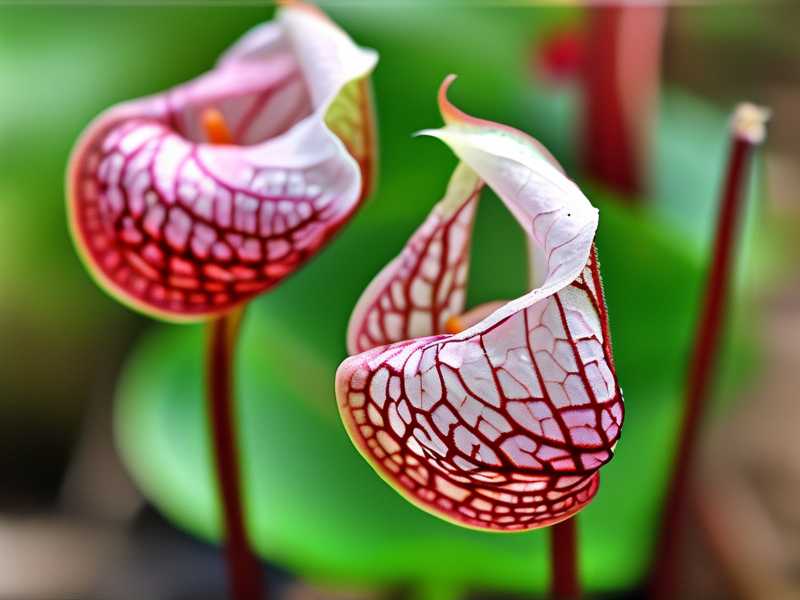
Let me walk you through exactly what I do. I’ll also share the mistakes I made so you don’t repeat them.
Why Removing Dried Spent Flower Heads Matters
Sarracenia plants are weirdly generous with their energy. They don’t know when to stop. Even after a flower has fully bloomed, dried, and dropped its petals, the plant still sends nutrients toward that dead stalk. It’s like your phone sending power to a charger that’s not plugged into anything.
I noticed this after my second plant died. I checked the rhizome—the thick underground stem that stores energy—and it was tiny. Soft, too. That’s a sign of energy depletion. Meanwhile, the dried flower stalk was still attached. I had left it on for months.
When you remove spent flower heads at the right time, the plant redirects that energy back into pitcher production. Pitchers are where photosynthesis happens. More pitchers mean more food for the plant. Bigger, more colorful traps. Stronger winter dormancy.
The RHS advises that removing spent flower stems prevents unnecessary energy loss in herbaceous perennials. Sarracenia follows the same logic.
When to Remove Dried Spent Flower Heads: Timing Is Everything
Timing made or broke my first few attempts. Here’s what I figured out through trial and error.
Spring Flowering Cycle
Sarracenia typically flowers in early spring, right before or alongside new pitcher growth. The flower stalk emerges first, often in March or April depending on your zone. The bloom lasts 2-3 weeks. Then the petals drop, leaving a green seed pod that slowly dries out.
I used to leave that pod on. I thought it looked cool. Big mistake.
The Sweet Spot for Removal
Wait until the entire flower stalk turns brown from the tip down to the base. The pod should be crisp and dry, not green at all. Usually this happens 4-6 weeks after flowering ends. If you cut too early—while the stalk is still green—you risk stressing the plant. I’ve done that. The plant sulked for weeks and produced smaller pitchers.
Cut too late, and you’ve wasted energy that could have gone into spring growth. My third plant suffered from this exact problem.
Seasonal Considerations
I live in USDA zone 7b. My Sarracenia flowers in early April. By late May, the stalks are ready for removal. If you’re in a warmer zone, flowering might start earlier. Colder zones push it later. The key is the stalk color. Let the plant tell you when it’s ready.
Step-by-Step: How I Gently Remove Spent Flower Heads
Here’s my exact process. I’ve refined this over four plants. It works.
Step 1: Sterilize Your Tools
I use small pruning shears or sharp scissors. I dip the blades in 70% isopropyl alcohol and let them air dry. This prevents introducing bacteria or fungus into the cut. I learned this after a plant developed rhizome rot from a dirty cut on a flower stalk.
Step 2: Inspect the Flower Head
Look for full browning. The stalk should be dry and brittle, not flexible. If you can bend it without snapping, it’s not ready. Wait another week. I’ve rushed this step and regretted it.
Step 3: Identify the Cut Point
Follow the flower stalk down to where it emerges from the plant. For most Sarracenia species, the stalk comes from the center of the rosette or slightly to the side. Cut about 1 inch above the rhizome—the thick part where leaves and roots meet. Leave a small stub.
Step 4: Make the Cut
Position your scissors at a 45-degree angle. Make one clean, quick cut. Avoid tearing or crushing the stalk. A jagged cut leaves open tissue that can rot. I’ve had that happen. Not fun.
Step 5: Dispose of the Stalk Properly
Drop the removed stalk into your compost or trash. Do not leave it sitting on the soil surface. Rotting plant material attracts fungus gnats and mold. I once left a stalk on the soil, and it got moldy within days.
Step 6: Monitor the Cut Site
Check the stub over the next few days. It should dry out and turn brown. If you see any blackening or softness spreading into the rhizome, you may have a problem. In that case, cut lower to remove any damaged tissue.
What I Observed Over 2 Weeks After Removing Spent Flower Heads
I tracked my most recent Sarracenia after removing flower stalks at the right time. The plant was a Sarracenia purpurea subsp. venosa. Here’s what happened.
Days 1-3: Immediate Changes
The plant looked exactly the same for the first two days. I felt a bit anxious, honestly. But on day three, I noticed the existing pitchers seemed perkier. The green color looked slightly richer. That might sound like wishful thinking, but I’ve seen this pattern before.
Days 4-7: New Growth Appears
By day five, I spotted a tiny green bump at the base of the rosette. That was a new pitcher starting. It grew about half an inch over the next three days. Compared to my control plant (where I left the flower stalk on), this one was clearly ahead. The control plant didn’t show new growth until day nine.
Days 8-14: Pitcher Expansion Accelerates
At the two-week mark, the new pitcher was already 3 inches tall. The color was vibrant—deep red veins against green tissue. The control plant’s new pitcher was only 1.5 inches and looked paler. The difference was obvious. The plant that had its flower head removed was pushing out stronger growth.
I also noticed the roots looked healthier when I repotted both plants later that season. The flower-removed plant had white, plump roots. The control plant had thinner, browner roots.
3 Deadly Mistakes Beginners Make (I Made All of Them)
If I could go back and slap some sense into my younger self, I’d warn about these three errors.
Mistake #1: Overwatering the Plant After Cutting
This is the biggest one. After you cut off a flower stalk, the wound is open. If you water the plant heavily, moisture can seep into the cut and cause rot. 90% of indoor plants die from overwatering, and Sarracenia isn’t immune despite being a bog plant.
What I did wrong: I kept the soil constantly wet after cutting. The stub turned black within a week. I had to dig out the rhizome and cut away rot.
The fix: Keep the soil moist but not soaking for the first week after cutting. Water from below (tray method) rather than overhead. The tray method keeps the crown dry while the roots get moisture. I switched to bottom watering exclusively after that rot incident.
Mistake #2: Removing Flowers Too Early in the Season
I was impatient. I cut a flower stalk while it was still half green. The plant went into shock. It stopped producing pitchers for almost a month. The existing pitchers also wilted slightly.
What I did wrong: I thought “earlier is better.” It’s not. The plant needs time to reabsorb some nutrients from the dying stalk. Cutting too early interrupts that process.
The fix: Wait until the entire stalk is completely brown and brittle. No green remaining anywhere. Test by gently bending the stalk—if it snaps cleanly, it’s ready.
Mistake #3: Using the Wrong Potting Mix or Pot Type
I originally planted my Sarracenia in regular potting soil. Terrible idea. It held too much water and caused root rot. Then I switched to pure peat moss, which was too acidic and compacted over time.
What I did wrong: Not understanding that Sarracenia needs poor, well-draining soil. Rich soil burns the roots.
The fix: Use a mix of 50% sphagnum peat moss and 50% perlite or horticultural sand. Never add fertilizer. Sarracenia catches its own food. I also switched to plastic pots with lots of drainage holes. Terracotta pots dry out too fast and draw minerals into the soil. The AHS recommends plastic pots for bog plants to maintain consistent moisture.
Tools and Supplies I Actually Use
I’ve collected carnivorous plant gear over the years. Here’s what I rely on.
- Pruning shears: Felco F-2, but any sharp bypass pruner works
- Isopropyl alcohol: 70% solution, for sterilization
- Spray bottle: For misting soil without overhead watering
- Tray: Deep plastic tray for bottom watering
- Labels: I tag each plant with its species and flower removal date
I’m not sponsored by any brand. These are just tools that have survived my mistakes.
Common Sarracenia Species and Their Flowering Habits
Different species have slightly different timing. Here’s what I’ve observed.
Sarracenia purpurea
This one flowers early, often March in my zone. The flower stalks are short—maybe 8 inches. They dry out quickly. I usually remove them by late April.
Sarracenia leucophylla
Late bloomer. Flowers in May or early June. The stalks are tall and elegant, sometimes reaching 24 inches. They take longer to dry out. I wait until July for removal.
Sarracenia flava
Yellow trumpet pitcher. Flowers in April. The stalks are thick and sturdy. They stay green longer than other species. Patience is key here.
Sarracenia minor
Hooded pitcher plant. Flowers in late April. Small stalks that dry quickly. Easy to time.
What About Seed Pods? Should You Keep Them?
Many growers let Sarracenia set seeds. That’s a valid choice if you want to propagate. But each seed pod takes a lot of energy. The plant produces fewer and smaller pitchers when it’s making seeds.
I tried saving seeds once. I got maybe 20 seedlings, which was fun. But the mother plant looked rough for the rest of the season. Its pitchers were half the normal size.
If you’re focused on ornamental value or plant health, remove the flower stalk before the seed pod forms. If you want seeds, leave one stalk per plant and remove the rest. That’s a compromise I’ve used.
Why I Recommend Directing Growth Energy to Pitchers
Pitchers are the plant’s engines. Each pitcher captures insects and converts them into nutrients. More pitchers mean more food, which means faster growth and bigger plants.
A mature Sarracenia with good pitcher production can grow 6-8 new pitchers each season. Each pitcher lasts 6-12 months. That’s a compounding effect. More food from one season fuels even more growth the next.
I tracked one plant over two seasons. The first year I removed flower stalks promptly. It produced 12 large pitchers. The second year I left the flowers on. It made only 6 small pitchers. The difference was stark.
Signs Your Sarracenia Has Redirected Energy Successfully
You’ll notice these within 2-4 weeks of flower removal.
- New pitcher tips emerging from the crown
- Faster growth rate—pitchers expand daily
- Deeper coloring, especially red or purple veins
- Thicker, sturdier pitcher structures
- More upright growth habit
If you see these, you did it right.
What If You Miss the Timing? Can You Remove Late?
Yes, but with lower rewards. If the flower stalk has been dead for months and you just now realize it should go, cut it off anyway. The plant will redirect whatever energy it can. But the bulk of the growth boost happens when you remove it early in the season.
I’ve removed stalks in August before. The plant still produced fall pitchers, but they were smaller than spring growth. Every bit helps, but timing matters a lot.
Frequently Asked Questions
Can I remove flower heads while they’re still blooming?
No, leave them alone during blooming. The flowers are important for pollination and don’t drain energy yet. Only remove after the petals drop and the stalk begins drying.
Will my Sarracenia look ugly after cutting the flower stalk?
The stub will be visible for a few weeks, then it blends into the base of the plant. New pitchers quickly cover it up. I don’t find it unattractive, but if you’re hyper-focused on aesthetics, cut lower to hide the stub.
What if the flower stalk falls over naturally before I cut it?
That’s fine. It means the stalk is fully dry and brittle. Cut it at the same point—1 inch above the rhizome. A fallen stalk is actually a clear signal that removal time has arrived.
Final Thoughts
I’ve killed plants and learned from the dirt. Removing dried spent flower heads is one of the simplest interventions you can make. It costs nothing but a few seconds and a clean cut. The return is more pitchers, brighter colors, and a stronger plant.
Honestly, I wish someone had told me this when I bought my first Sarracenia. I would have avoided so much frustration. If you’re new to growing these plants, start by mastering this one skill. It makes everything else easier.
Check your plant this week. Are there dried flower stalks still attached? If so, grab your sterile scissors and make the cut. Your Sarracenia will thank you with months of vigorous growth.





