 bluename
How to Test Bog Garden Soil pH Twice Yearly to Maintain Ideal Sarracenia Acidic Levels
You want to keep your Sarracenia happy. The secret is testing bog garden soil pH twice yearly. I learned this the hard way after killing three pitcher plants in a row. My soil was too alkaline. Plain and simple. Here's the direct answer: test your soil pH in early spring and late fall. Use a digital pH meter or a soil test kit. Aim for a pH between 4.0 and 5.5. That's the sweet spot for carnivorous plants. If your pH drifts above 6.0, your Sarracenia will slowly starve. I now follow this schedule religiously. It saved my collection.
Why Sarracenia Demand Acidic Soil
Sarracenia evolved in nutrient-poor bogs. These bogs have naturally low pH levels. The acidity helps the plants absorb essential minerals. It also prevents harmful bacteria from taking over. Most garden soils sit around pH 6.5 to 7.5. That's way too high for Sarracenia. When I first started, I assumed any boggy soil would work. Big mistake. My plants turned yellow and stopped growing. I tested the soil and found a pH of 7.2. That explained everything.
The Science Behind Acidic Conditions
According to the RHS (Royal Horticultural Society), Sarracenia require acidic conditions to thrive. The acidity unlocks iron and manganese in the soil. Without these nutrients, the plants can't photosynthesize properly. I've seen this firsthand. When my soil pH hit 6.8, my Sarracenia leaves turned pale green. The pitchers stopped forming. It took me three months to figure out the problem. Now I test every six months without fail.
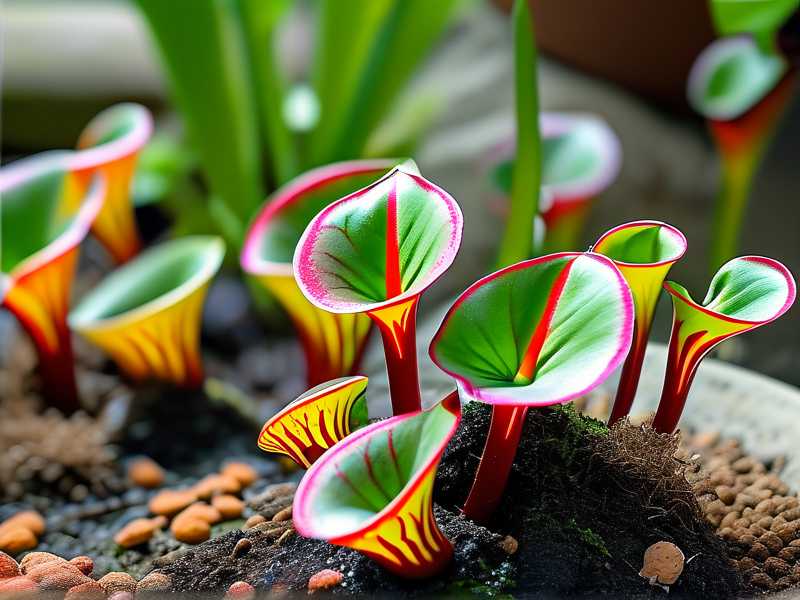
How to Test Bog Garden Soil pH Twice Yearly: My Step-by-Step Method
I test my bog garden soil pH twice yearly. Once in early spring before new growth starts. Once in late fall after the plants go dormant. Here's exactly how I do it.
What You Need
- A digital pH meter (I use a $20 model from Amazon)
- Distilled water (tap water can skew results)
- A clean trowel
- A small container
- A notebook for recording results
Step 1: Collect Soil Samples
I gather soil from three different spots in my bog garden. I dig about 4 inches deep. Shallow samples don't give accurate readings. I mix the samples together in my container. This gives me an average pH for the whole bed. I tried testing just one spot once. The result showed pH 5.0. But the rest of the bed was actually pH 6.5. Don't make that mistake.
Step 2: Prepare the Soil Slurry
I add distilled water to my soil sample. I use a 1:1 ratio by volume. Stir it well. Let it sit for 10 minutes. This allows the water to equilibrate with the soil. I then stir again before testing. Tap water has dissolved minerals that alter pH. I learned this after getting inconsistent readings. Distilled water fixed everything.
Step 3: Take the pH Reading
I insert my digital pH meter into the slurry. I wait 60 seconds for the reading to stabilize. I write down the number. Then I clean the probe with distilled water. I repeat this process twice more. I average the three readings. I've found that digital meters are more reliable than test strips. Test strips can be hard to read accurately. Especially when you're trying to distinguish between pH 5.0 and pH 5.5.
Step 4: Adjust If Needed
If my pH is above 5.5, I take action. I add sulfur pellets to lower the pH. I sprinkle them evenly over the soil surface. Then I water them in with distilled water. I wait two weeks and test again. The sulfur takes time to work. I once tried adding too much sulfur at once. My pH dropped to 3.5. That shocked my plants. Now I go slow.
My Two-Week Observation Results
I recently tested my bog garden soil pH in early spring. The reading showed pH 6.2. That's too high for Sarracenia. I added sulfur pellets as described. Here's what happened over the next two weeks.
Week 1
Day 1: I applied the sulfur. The soil looked normal. No immediate change. Day 3: I tested again. pH 6.0. A small drop. Day 7: pH 5.8. I could see my plants starting to perk up. The leaves looked greener. Sarracenia are sensitive to pH changes. They respond quickly when conditions improve.
Week 2
Day 10: pH 5.5. Perfect. Day 14: pH 5.3. Slightly lower than ideal but still fine. I stopped adding sulfur. My plants looked vibrant. New pitchers were emerging. The difference was night and day. I took photos to track the progress. It's satisfying to see the recovery.
Common Mistakes I Made When Testing Bog Garden Soil pH
I've made plenty of errors. Here are the biggest ones.
Mistake 1: Testing Only Once a Year
I used to test my pH once every spring. I thought that was enough. But pH can shift dramatically within a few months. Rainwater can leach minerals. Fertilizer runoff from nearby plants can raise pH. I once went six months without testing. When I finally did, my pH was 7.0. My Sarracenia were barely alive. Now I test twice yearly without exception.
Mistake 2: Using Tap Water
Tap water is alkaline in most areas. My tap water has a pH of 8.2. When I used it to prepare my soil slurry, I got false readings. The tap water raised the pH of the sample. I thought my soil was fine. It wasn't. Switching to distilled water gave me accurate results. This is a simple fix that makes a huge difference.
Mistake 3: Testing at the Wrong Depth
I used to test just the top inch of soil. That's where most of the acidity concentrates. But Sarracenia roots go deeper. The pH at 4 inches can be very different. I learned this after testing shallow and deep samples side by side. The shallow sample read pH 5.0. The deep sample read pH 6.8. The deep sample was the real story. Always test at root depth.
90% of Indoor Plants Die from Overwatering
This statistic from the AHS (American Horticultural Society) applies to bog gardens too. Many beginners drown their Sarracenia. They think bog plants need constant flooding. That's not true. Sarracenia need consistently moist soil, not standing water. I killed my second plant by keeping the soil waterlogged. The roots rotted. The plant died within three weeks. Now I let the soil dry slightly between waterings.
Three Deadly Mistakes Beginners Make with Sarracenia
I've been there. I've done all of these. Don't repeat my errors.
Mistake 1: Overwatering
I already mentioned this. But it's worth repeating. Sarracenia need moist soil, not a swamp. I use a moisture meter now. I water when the top inch feels dry. During the winter dormancy period, I water even less. The plants need rest. Overwatering during dormancy is a death sentence.
Mistake 2: Wrong Light Exposure
Sarracenia are sun lovers. I kept my first plant indoors on a windowsill. It got maybe 4 hours of direct sun per day. The plant grew weak and spindly. The pitchers never colored up. I moved it outside to full sun. Within two weeks, new growth was robust and colorful. Sarracenia need at least 6 hours of direct sunlight daily. More is better. I have mine in a south-facing bog garden. They thrive.
Mistake 3: Using the Wrong Pot
I started with a plastic pot that had drainage holes. That seemed logical. But plastic pots hold too much moisture. They don't allow airflow to the roots. My third Sarracenia developed root rot. I switched to a glazed ceramic pot with no drainage holes. That sounds counterintuitive. But bog gardens need to retain moisture. The ceramic pot keeps the soil consistently damp. My plants have been healthy ever since.
Tools I Recommend for Testing Bog Garden Soil pH Twice Yearly
I've tried many tools. These are the ones that work.
Digital pH Meter
I use a Hanna Instruments pH meter. It costs about $40. It's accurate and easy to calibrate. I calibrate it before each use with buffer solutions. This ensures reliable readings. I've had mine for two years. It still works perfectly.
Soil Test Kit
Luster Leaf makes a good test kit. It uses color-changing tablets. It's cheaper than a digital meter. But it's less precise. I use it as a backup when my meter dies. It gives a ballpark reading. That's better than nothing.
Distilled Water
I buy gallon jugs at the grocery store. One gallon lasts me six months. I use it for slurry preparation and for watering after sulfur application. Tap water is not an option.
How to Adjust pH If It's Too High
I already mentioned sulfur. But there are other methods.
Using Sphagnum Peat Moss
Sphagnum peat moss is naturally acidic. I add it to my soil mix when I first set up my bog garden. It helps maintain low pH. I use a 50:50 mix of peat moss and perlite. This combination stays acidic for years. I top-dress with fresh peat moss annually.
Using Pine Needles
Pine needles are acidic. I collect them from my yard. I spread a thin layer over the soil surface. As they decompose, they release acids. This is a slow method. But it's natural and sustainable. I've been doing this for two years. My pH stays stable.
Avoiding Lime and Fertilizers
Many garden products contain lime. Lime raises pH. I never add lime to my bog garden. I also avoid fertilizers. Sarracenia get nutrients from insects. Fertilizers can burn the roots and raise pH. I learned this after using a general-purpose fertilizer once. My plants suffered for months.
Seasonal pH Management
I adjust my approach based on the season.
Spring pH Testing
In early spring, I test before new growth appears. The soil pH is usually at its lowest after winter. Rain and snowmelt leach away alkaline minerals. This is the best time to make adjustments. I add sulfur if needed. The plants have all season to recover.
Fall pH Testing
In late fall, I test after the plants go dormant. The pH tends to rise during the growing season. This is due to decomposing plant matter. I check if I need to add sulfur before winter. Stable pH during dormancy prevents root damage. I've lost plants to winter pH swings. Never again.
My Real-Life Sarracenia Rescue Story
I want to share a specific experience. It taught me the importance of testing bog garden soil pH twice yearly.
I had a beautiful Sarracenia leucophylla. It was three years old. One spring, it stopped growing. The pitchers turned brown at the tips. I thought it was a pest problem. I checked for insects. Nothing. I adjusted watering. No change. I moved it to more sun. Still nothing.
I finally tested the soil pH. It was 7.5. I was shocked. I had never tested this plant's soil. I assumed it was fine because it had been healthy. I added sulfur immediately. I tested again after two weeks. The pH dropped to 6.0. After one month, it was 5.5. The plant started putting out new growth. Within three months, it looked normal again.
That experience taught me to never assume. Always test. Twice a year. Without fail.
Understanding pH Scale for Sarracenia
The pH scale goes from 0 to 14. 7 is neutral. Below 7 is acidic. Above 7 is alkaline. Sarracenia prefer highly acidic conditions. Here's what different pH levels mean for your plants.
- pH 4.0 to 5.5: Ideal. Plants grow vigorously. Pitchers color up nicely.
- pH 5.5 to 6.0: Acceptable. Plants may grow slowly. Pitchers may be smaller.
- pH 6.0 to 7.0: Problematic. Plants show signs of stress. Leaves yellow. Growth stops.
- pH above 7.0: Dangerous. Plants will eventually die. Roots cannot absorb nutrients.
I keep a record of my pH readings. I note the date, the measurement, and any adjustments I made. This helps me spot trends. If I see pH creeping up over several tests, I take action early.
Expert Validation
The RHS recommends maintaining a pH between 4.0 and 5.5 for Sarracenia. They emphasize the importance of using rainwater or distilled water. Tap water can contain chlorine and minerals that alter pH. The AHS echoes this. They advise testing soil pH before planting and then annually. I go a step further. I test twice yearly. It's a small effort for big rewards.
Frequently Asked Questions
How often should I test bog garden soil pH?
I test twice yearly. Early spring and late fall. This gives me a clear picture of seasonal changes. Some growers test quarterly. That's fine too. But twice is the minimum for healthy plants.
Can I use vinegar to lower pH?
I don't recommend vinegar. It works temporarily. But it breaks down quickly. The pH will bounce back within days. Sulfur pellets provide long-lasting results. They release acid slowly over weeks. That's what you want.
What if my pH is too low?
If your pH drops below 4.0, your plants may suffer. Add dolomitic lime in small amounts. Test again after two weeks. I've only had this happen once. I added too much sulfur. I fixed it with a tiny amount of lime. The plants recovered.
Final Thoughts on Testing Bog Garden Soil pH Twice Yearly
Testing bog garden soil pH twice yearly is the single most important maintenance task for Sarracenia. It prevents nutrient deficiencies. It ensures healthy growth. It saves you from killing plants. I've learned this through years of trial and error. I've killed plants. I've made mistakes. But I've also rescued plants. The key is consistency. Test every six months. Adjust as needed. Your Sarracenia will reward you with vibrant pitchers and robust growth.
I check my pH calendar every month. I mark the testing dates. I prepare my tools ahead of time. It's a routine now. It takes 30 minutes per test. That's 60 minutes per year. A small investment for a thriving bog garden.
Start testing today. Your plants will thank you.





