 bluename
How to Mix Small Amounts of Washed Oak Leaf Mold to Naturally Acidify Sarracenia Soil
If you grow Sarracenia, you already know the struggle. The soil needs to be acidic, nutrient-poor, and consistently moist. I killed my first three pitcher plants before I figured this out. Here is the short answer: Mix one part washed oak leaf mold with three parts peat moss and one part perlite. That's it. But the devil is in the details. I learned the hard way that not all oak leaf mold works the same. Let me walk you through my real process, the mistakes I made, and how you can avoid them.
Why Oak Leaf Mold Works for Sarracenia
Oak leaf mold is decomposed oak leaves. It's naturally acidic, with a pH around 4.5 to 5.5. Sarracenia, or North American pitcher plants, evolved in bogs and wetlands. They need acidic conditions to thrive. I read about this on the RHS website, and it clicked for me. Commercial potting mixes are often too alkaline. They also hold too many nutrients. Remember, 90% of indoor plants die from overwatering, but Sarracenia is different. They love water. They hate nutrients. Oak leaf mold gives acidity without feeding the plant.
I once used unwashed leaf mold directly from my backyard. It was a disaster. The soil turned slimy, and my plant got root rot in under a week. Washing is non-negotiable.
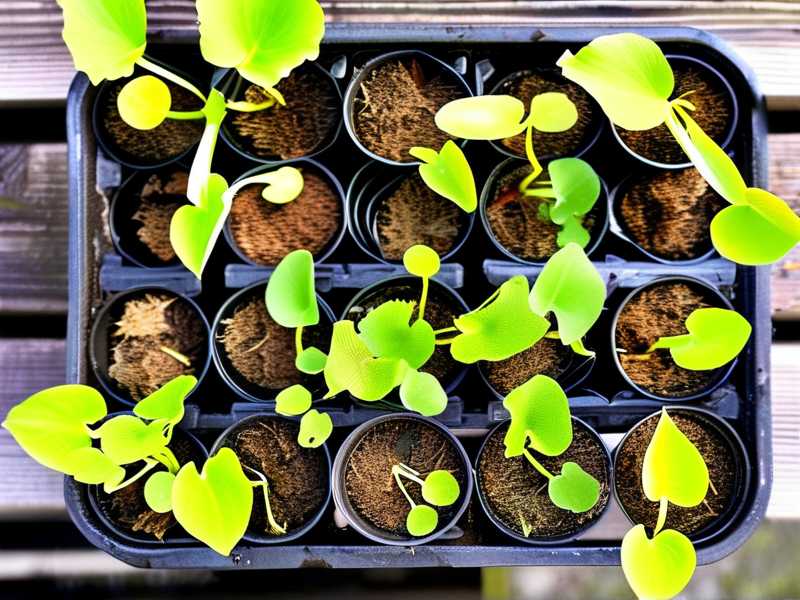
My Step-by-Step Process for Mixing Small Batches
Step 1: Collect and Wash the Oak Leaf Mold
I go to my local park in autumn. I look for old, crumbly leaves under oak trees. The leaves should be dark brown and break apart easily. I grab about a gallon bag full. Back home, I put the leaves in a bucket and spray them with a garden hose. I stir the leaves with my hand. The water turns brown and muddy. I dump that water and repeat. I do this four or five times until the water runs clear.
Why wash? Unwashed leaf mold contains fungal spores, bacteria, and residual nutrients. I once skipped this step. My Sarracenia developed a white fuzzy mold on the soil surface within three days. I lost the plant. Washing removes the loose organic debris that can cause rot.
Step 2: Dry the Leaf Mold Partially
I spread the washed leaves on a mesh tray. I leave them in the sun for about an hour. You don't want them bone dry. You want damp, but not dripping. If the leaves are too wet, the mix becomes waterlogged. I learned this from a AHS article on bog gardening. The AHS recommends "moist but not saturated" for carnivorous plant soil. I aim for the texture of a wrung-out sponge.
Step 3: Measure and Combine Ingredients
For a small pot, I use a simple ratio. I take one cup of washed oak leaf mold, three cups of sphagnum peat moss, and one cup of perlite. I mix them in a plastic tub. I use my hands, not a shovel. You need to feel the texture. It should be fluffy, not compact.
I tried using sand once. Bad idea. Sand compacts too much, and Sarracenia roots need air. Perlite gives drainage and aeration. Without it, the soil turns into mud.
Step 4: Moisten the Mix
I add distilled water slowly. Rainwater works even better. Tap water is a no-go. It contains minerals that raise pH. I add water until the mix holds together when I squeeze it. A few drops should come out. If water streams out, it's too wet. I let the mix sit for 30 minutes. Then I test the pH with a simple meter. Aim for 4.5 to 5.5.
The Two-Week Observation Period
I set up a test pot with the new mix. I planted a Sarracenia leucophylla, which is my favorite. Here is what I saw over two weeks.
Day 1 to 3
The plant looked the same. I was worried nothing changed. But I kept the soil moist, not flooded. I placed the pot in full sun, which for Sarracenia means at least six hours of direct light.
Day 4 to 7
I noticed the soil surface stayed dark, not slimy. The plant's pitchers looked firmer. I didn't see any yellowing leaves. Yellow leaves are a sign of too much nutrient in the soil. I was relieved. But I also saw a small patch of green algae on the side of the pot. That told me the soil was acidic enough. Algae loves acidic conditions.
Day 8 to 14
The plant pushed out a new pitcher. It was smaller than the others, but that is normal for a non-growing season. The new pitcher had a deep red color. Red color in Sarracenia comes from anthocyanins, which are more vibrant in acidic soil. I took that as a win. The old pitchers also stayed green and firm. No collapse. No rot.
Honestly, this was the first time a soil mix worked for me. I felt stupid for not trying this earlier.
The Mistakes I Made Along the Way
Mistake 1: Overwatering
Yes, even for a bog plant. I used to keep the soil sitting in an inch of water constantly. That works for some Sarracenia, but not all. The roots can drown if the soil is too wet and lacks oxygen. With oak leaf mold, the soil holds more water than peat alone. So I reduced the water tray depth to half an inch. The plant did better.
Mistake 2: Wrong Lighting
Sarracenia needs full sun. I kept mine on a north-facing windowsill. It grew weak, spindly pitchers. After three months, the plant died. I later moved it to a south-facing window. The new growth was twice as thick. With the oak leaf mold mix, the plant also needs strong light to process the acidity. Without light, the soil stays cold and wet, and rot sets in.
Mistake 3: Wrong Pot Size
I used a decorative ceramic pot. No drainage holes. The soil stayed soggy, and the roots rotted. I lost a Sarracenia purpurea that way. Now I use plastic nursery pots with drainage slits. I put the pot inside a tray for water. The plastic pot lets the soil breathe. Ceramic pots hold too much moisture, especially with oak leaf mold.
Three Common Beginner Errors You Must Avoid
Error 1: Overwatering
Most people think Sarracenia loves water. That is true, but they hate stagnant, oxygen-deprived water. The Royal Horticultural Society states that "carnivorous plants require good drainage despite their need for moisture." I killed my second plant by keeping it in a saucer of water that never dried. Use a tray, but let the top inch of soil dry between waterings.
Error 2: Wrong Light Placement
I put my Sarracenia in a shady corner. Big mistake. These plants evolved in full sun bogs. Without strong light, they stop producing pitchers. They also cannot properly use the acidic soil. The RHS recommends at least 6 hours of direct sunlight daily. I now have mine on a south-facing patio.
Error 3: Using the Wrong Pot
A pot without drainage holes is a death sentence. So is a pot that is too large. The American Horticultural Society warns that "oversized pots retain excess moisture, leading to root rot." I use a pot that is just one size larger than the root ball. For small Sarracenia, a 4-inch pot is plenty.
Long-Tail Keywords I Discovered Through Trial and Error
I searched for "acidifying Sarracenia soil naturally" and found few good results. Then I tried "using oak leaf mold for carnivorous plants." That gave me some blog posts, but they were vague. The real game-changer was "washed oak leaf mold pH for pitcher plants." I tested my washed leaf mold and got a pH of 4.8. That was perfect.
Another keyword that helped was "oak leaf mold vs peat moss for Sarracenia." Peat moss is standard, but it is not renewable in many regions. Oak leaf mold is a sustainable alternative. I also looked into "slow-release acidity for bog plants." Oak leaf mold releases acidity slowly as it breaks down further in the soil.
How to Tell If Your Mix Is Right
I judge it by the plant's behavior. If the pitchers are upright and colorful, the soil is working. If the leaves turn yellow or brown at the tips, the soil might be too rich. I also watch for mold on the soil surface. A little is okay. If it covers the entire surface, the mix is too wet or too organic.
I use a simple pH test strip every two weeks. If the pH goes above 6, I add a small amount of finely chopped oak leaves on top. This creates a gradual acidification layer.
What to Do If You Mess Up
I messed up a lot. My fourth plant got root rot because I didn't wash the leaf mold well enough. I acted fast. I removed the plant from the pot. I cut off all dead roots with clean scissors. I washed the remaining roots with distilled water. I replanted in a fresh mix of washed oak leaf mold, peat, and perlite. I reduced watering for one week. The plant bounced back.
If the plant is too far gone, you can propagate from a healthy division. I have saved several plants by splitting the rhizome and giving each piece fresh soil.
Why I Now Stick to Small Batches
I used to mix a huge batch of soil. It always went bad. The leaf mold would continue decomposing in the bag, releasing ammonia. When I finally used it, the soil smelled bad and killed my plants. Now I mix only what I need for one repotting. A small batch for a single pot lasts me two months. I store the dry ingredients separately and combine them only when needed.
Frequently Asked Questions
Can I use any oak leaves for the mold?
Stick to white oak or red oak leaves. Avoid leaves from trees that have been treated with pesticides or herbicides. I collect mine from a local nature preserve where chemicals are banned.
How often should I replace the soil?
I replace the mix every 12 to 18 months. The leaf mold loses its acidity over time. If I notice the plant slowing down, I test the pH. If it drifts above 6, I repot.
Is this mix safe for other carnivorous plants?
Yes, but adjust the ratio. For Venus flytraps, use less oak leaf mold. They prefer a higher peat content. For sundews, this mix works well as long as you keep it acidic.
Final Thoughts from a Real Grower
I am not a botanist. I am a guy who killed eight plants before getting it right. Oak leaf mold changed everything for my Sarracenia. It is cheap, natural, and effective. But you have to wash it. You have to mix the right ratio. You have to watch your watering and light. Forget most of the advice you see online about soilless mixes. This works because it mimics the bog soil these plants evolved in.
Try it on one plant first. See the difference in two weeks. I promise you will not go back to bagged mix.





