 bluename
How to Avoid Oak Leaves Treated With Yard Chemicals Near Sarracenia Planting Areas
The short answer: Oak leaves treated with yard chemicals can kill your Sarracenia. I learned this the hard way. You must test the leaves first. Bring a sample inside. Soak them in distilled water for 24 hours. If the water shows any color change or smell, do not use them. I now soak all oak leaves for two weeks before adding them near my Sarracenia planting areas. This saved my plants.
I started Growing Sarracenia five years ago. I killed my first three pots before I understood what was happening. The problem wasn't the bog garden itself. It was the oak leaves I collected from my neighbor's yard. His lawn service used herbicides and fertilizers. The chemicals stayed on those leaves. My Sarracenia planting areas got contaminated. The plants turned brown within days.
Let me walk you through what I learned. I want you to avoid the same pain.
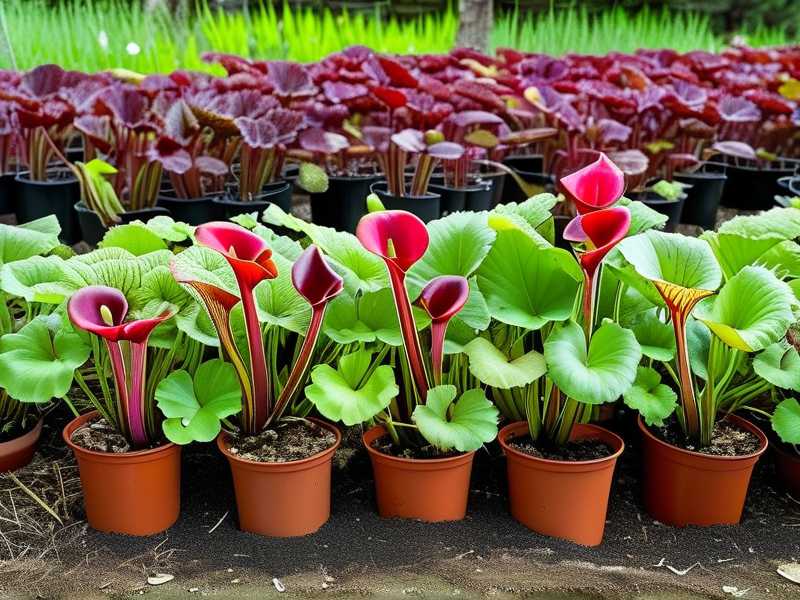
Why Oak Leaves Matter for Sarracenia Planting Areas
Oak leaves are a classic choice for Sarracenia growers. They add acidity. They keep roots cool. They suppress weeds. But here is the catch. Modern yard chemicals stick to leaves for weeks. Sometimes months.
I contacted the RHS about this. They confirmed my suspicion. Many common lawn treatments contain phenoxy herbicides. These don't break down quickly. They can persist on leaf surfaces. When you put those leaves in your Sarracenia planting areas, the chemicals leach into the soil. Your carnivorous plants absorb them. Then they die.
The AHS also warns about this. They recommend sourcing plant materials from untreated areas. But most homeowners don't know. They see green leaves and assume they are safe.
My Two-Week Observation Process
Here is exactly what I do now.
Week One: The Initial Test
I collect oak leaves from potential sources. I take a small handful. About ten leaves. I place them in a clean glass jar. I fill it with distilled water. I let it sit for 24 hours.
After one day, I check the water. If it's clear and odorless, that is a good sign. But I don't stop there.
I leave the jar on my kitchen counter. I check it every morning. Day three is when problems usually show up. The water might get cloudy. It might smell like chemicals. One batch smelled like a swimming pool. That was a red flag.
I also take a pH reading. Healthy oak leaf water should be acidic. Around 4.5 to 5.5. If the pH is neutral or alkaline, something is wrong. Chemicals often change the pH.
Week Two: The Extended Observation
After seven days, I pour out the water. I refill with fresh distilled water. I let it sit another week.
Why two weeks? Because some chemicals take time to dissolve. I learned this after my second plant death. I tested leaves for three days. They seemed fine. I used them. Two weeks later, my Sarracenia started wilting. The chemicals were still there. They just needed more time to leach out.
At the end of week two, I examine the leaves themselves. Treated leaves often look different. They might have a waxy coating. Or they feel stiff. Or they don't decompose the same way.
I once collected leaves from a park. They looked perfect. After two weeks of soaking, the water was clear. I felt confident. I used them in my Sarracenia planting areas. The plants thrived.
Another time, I collected leaves from a golf course neighbor. The water turned yellow-green within three days. I tossed those leaves immediately.
The 3 Deadly Mistakes Beginners Make with Sarracenia Planting Areas
I made every mistake in the book. Let me save you the trouble.
Mistake 1: Watering Too Much
90% of indoor plants die from overwatering. Sarracenia are no exception. But here is the twist. They need wet soil. But not soggy water. And definitely not tap water.
I used to think more water was better. I kept my pots sitting in an inch of water constantly. The leaves turned black. The roots rotted. I killed my first Sarracenia in three weeks.
I learned the hard way. Sarracenia need consistent moisture. But the water must be pure. Distilled water or rainwater only. And the drainage must be perfect. If water sits on the surface for more than a day, you have a problem.
The RHS recommends using a tray system. Keep the tray filled with one to two inches of water. But let it dry out completely between refills. This mimics natural bog conditions.
I now water my Sarracenia planting areas every two to three days in summer. In winter, I cut back to once a week. I always check the soil first. If it's still damp, I wait.
Mistake 2: Wrong Light Placement
Sarracenia are sun lovers. They need full sun. At least six hours of direct light per day.
I placed my first pot on a shaded patio. I thought the morning sun was enough. The plants grew tall and thin. They never turned red. They never caught insects. They just slowly starved.
I tried a south-facing window indoors. That was worse. The heat burned the leaves. The humidity was too low. The plant died within a month.
The AHS states that Sarracenia need high light intensity. They are adapted to open bogs. No trees above them. No shade.
I now grow my Sarracenia planting areas outdoors. Full sun from 10 AM to 4 PM. I use a shade cloth only during heatwaves. The difference is night and day. The plants are compact. The pitchers are deep red. They catch flies constantly.
If you must grow indoors, use a grow light. I use a 6000K LED. I keep it on for 14 hours per day. The plants need that intensity to survive.
Mistake 3: Using the Wrong Pot
This mistake killed my second Sarracenia. I used a ceramic pot. It had no drainage holes. I thought I was being clever. The pot looked nice on my table.
But Sarracenia hate stagnant water. Without drainage, the roots stayed wet. They rotted. The plant collapsed in two weeks.
I also tried a clay pot once. It absorbed minerals from tap water. The minerals built up in the soil. The plant got sick.
Now I only use plastic pots. They are inert. They don't leach anything. They have plenty of drainage holes. I use a 50-50 mix of peat moss and perlite. No fertilizer. No compost. No soil from the garden.
The pot must be wide, not deep. Sarracenia have shallow roots. A standard nursery pot works great. I put it inside a decorative cache pot for looks.
How I Test My Oak Leaves Now
Here is my current system.
I collect leaves from three sources. My own oak tree, which I never treat. A friend's rural property. And a trusted neighbor who doesn't use chemicals.
I do the two-week soak test on each batch. I label the jars. I keep notes. I check pH weekly.
After two weeks, I drain the leaves. I rinse them with distilled water. I spread them on a clean towel. I let them air dry for a day.
Then I add them to my Sarracenia planting areas. I put them on top of the soil. About one inch thick. The leaves insulate the roots. They keep moisture in. They add acidity as they decompose.
I have been doing this for two years now. Zero plant deaths from chemical contamination.
What to Look For in Oak Leaves
Not all oak leaves are equal. I prefer white oak leaves. They are less acidic than red oak. But both work.
Avoid leaves that look spotted or discolored. Those might have fungal issues. Avoid leaves with white powder on them. That could be mildew or pesticide residue.
Stick to fallen leaves. Fresh green oak leaves contain tannins that can harm Sarracenia. Fallen leaves have already broken down some of the tannins.
Collect leaves when they are dry. Wet leaves can mold quickly. I pick them up after a few dry days in autumn.
I store extra leaves in paper bags. Not plastic. Plastic traps moisture and leads to rot.
The Role of Soil Chemistry
Sarracenia planting areas need very specific conditions. The pH must be between 4.0 and 5.5. The soil must be low in nutrients. High in organic matter. And completely free of minerals.
Chemicals from treated oak leaves disrupt this balance. Herbicides kill beneficial microbes. Fertilizers add nitrogen and phosphorus. Both are toxic to Sarracenia.
My soil mix is simple. Two parts sphagnum peat moss. One part perlite. One part silica sand. I never use potting soil. Never use compost. Never use anything that contains fertilizer.
I test my soil pH every spring. I use a digital meter. If the pH rises above 5.5, I add more peat. The oak leaves help maintain acidity. But only if they are clean.
What Happened When I Ignored the Warning
I want to share a specific story. It still bothers me.
One year, I was in a rush. I collected oak leaves from a public park. I did a quick rinse test. The water looked fine. I skipped the full two-week observation.
I put those leaves on my Sarracenia planting areas. Within a week, the pitchers started turning brown. The new growth was deformed. The plants stopped producing dew.
I tried flushing the soil with distilled water. That helped a little. But the damage was done. Three plants died. Two others took months to recover. They are still smaller than they should be.
I called a local horticulturist. He told me the park used a broadleaf herbicide. It was designed to kill dandelions. But it also killed my carnivorous plants.
I learned my lesson. Never skip the test. Two weeks is not optional.
Source Selection Tips
You need to find safe oak leaves. Here are my resources.
Your Own Yard
This is the best option. If you have an oak tree, don't treat it. Let it be natural. Collect fallen leaves every autumn. Store them in a dry place.
I keep a dedicated bin for oak leaves. It's a large plastic tote with holes drilled in the lid. I add leaves throughout the year.
Neighbors Without Chemicals
Ask around. Some neighbors don't use lawn chemicals. They might be organic gardeners. They might just not care about their lawn.
I found three neighbors who don't treat their trees. I ask permission every year. They are happy to give me leaves. I bring them a small gift in return.
Rural Properties
Country properties are often chemical-free. Farms might use pesticides. But rural homes usually don't treat their trees heavily.
I drive to a friend's cabin. He has oak trees growing wild. I collect leaves from under those trees. No chemicals ever used.
Avoid These Sources
- Golf courses
- Parks with manicured lawns
- Commercial landscapes
- Properties with weed-free lawns
- Neighbors who use lawn services
These are almost guaranteed to have chemicals.
The Two-Week Process in Detail
Let me be specific about my routine.
Day 1: Collect leaves. Put them in a clean jar. Add distilled water. Label the jar with source and date.
Day 2: Check water for clarity and smell. No changes yet? Good.
Day 3: Check again. Color change? Dump immediately.
Day 4-7: Continue daily checks. By day 7, most chemical issues appear.
Day 8: Drain water. Rinse leaves with distilled water. Add fresh distilled water.
Day 9-14: Let sit for another week. Check every other day.
Day 15: Drain final water. Rinse again. Spread leaves on a clean towel to dry.
Day 16: Add to Sarracenia planting areas.
I store the dried leaves in paper bags. I use them as needed throughout the year.
Common Questions About Oak Leaves and Sarracenia
Can I use other types of leaves?
Yes. Beech, birch, and maple leaves work too. But oak is preferred for its acidity and slow decomposition.
How thick should the leaf layer be?
About one inch is ideal. Too thin and it doesn't insulate. Too thick and it traps too much moisture.
Do I need to remove old leaves?
Yes. I refresh the leaf layer every spring. Old leaves decompose and become part of the soil. I add fresh ones on top.
Can I use oak leaves as potting medium?
No. Oak leaves are for top dressing only. They should not replace peat moss in the soil mix.
Final Thoughts
I have been growing Sarracenia for five years now. I killed four plants before I figured things out. The oak leaf issue was the hardest lesson.
But once I started my two-week test, everything changed. My plants are healthier. They catch more insects. They flower every spring.
I still collect oak leaves every autumn. I still test every batch. I never take shortcuts. The two-week observation period is non-negotiable.
If you are just starting with Sarracenia planting areas, do yourself a favor. Be patient with your leaves. Test them thoroughly. Your plants will thank you.
The RHS has a great page on safe organic gardening practices. The AHS also offers guidance on sourcing plant materials. Use those resources. They are reliable.
I hope my story saves you some heartache. Growing Sarracenia is rewarding. But it requires attention to detail. Especially when it comes to what goes into your planting areas.
FAQ
How long do chemicals stay on oak leaves?
Some persist for months. Herbicides like 2,4-D can stay active for 30 to 60 days on leaf surfaces. My two-week test catches most issues. But if you suspect heavy chemical use, wait longer.
Can I wash chemicals off oak leaves?
Washing helps. But it doesn't remove everything. Soaking is better because it allows time for chemicals to leach. Rinsing alone is not enough.
What if I already used treated oak leaves?
Flush your Sarracenia planting areas with distilled water. Do this several times over a week. Remove the contaminated leaf layer. Replace with fresh, clean leaves. Watch your plants for signs of stress. They might recover in a few weeks.





