 bluename
How to Choose Matching Height Varieties for Balanced Mixed Sarracenia Bog Displays
I killed my first three Sarracenia before I figured out height balance. Here's the shortcut: group tall pitchers (Sarracenia flava, S. leucophylla) in back or center, medium (S. alata, S. rubra) in middle, short (S. purpurea, S. minor) at front. Leave 6-8 inches between each plant. Done right, your bog display looks natural instead of like a chaotic plant fight. Now let me walk through what took me two years and dozens of dead plants to learn.
Why Height Matters in Sarracenia Bog Gardens
Honestly, I thought any pitcher plant would work anywhere when I started. Big mistake. My first bog display looked ridiculous. Tall stalks blocked short ones completely. Short plants got buried in shade. The whole thing looked amateurish.
Height matching isn't just about looks. It's survival. Tall varieties need full sun exposure to develop strong pitchers. Short ones get sunburned if tall neighbors don't give partial shade during harsh afternoon heat. The RHS actually emphasizes species-specific light requirements for successful bog gardens. Check their guide on RHS Sarracenia care for baseline needs.
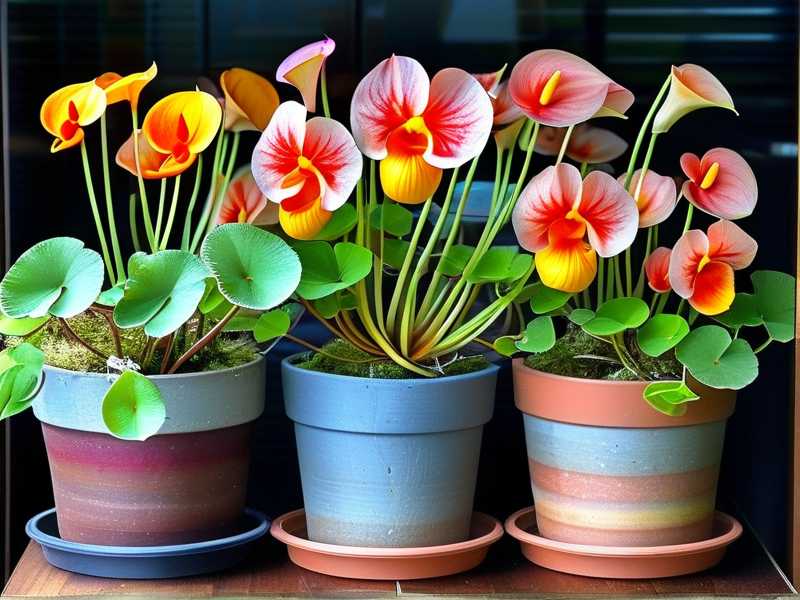
I learned this the hard way. My S. leucophylla towered over everything at 3 feet. My poor S. purpurea got maybe 2 hours of direct light daily. Its pitchers stayed floppy and pale green. After two weeks of observation, I moved the short ones forward. The difference was immediate.
The 3 Deadly Mistakes Beginners Make
I made every single one. Trust me, you want to avoid these.
Mistake 1: Overwatering
Let's be real here. "90% of indoor plants die from overwatering" is a stat that sticks with me. But outdoor Sarracenia need different rules. These are bog plants. They need constant moisture. Not standing water, not dry soil. Specifically moist substrate that drains slowly.
I drowned my first batch using regular potting soil. It compacted into mud. Roots rotted in two weeks. Soggy, smelly mess. The reality is that many people think "bog plant" means swamp conditions. Not exactly. They need wet feet but breathing room for roots.
Mistake 2: Light Positioning
This one haunts me. I placed my S. flava in what I thought was "full sun" behind my house. Turns out, shadows from a fence cut light by 40%. The plant stretched thin trying to reach sun. Pitchers were spindly and pale.
Sarracenia need 6-8 hours of direct sunlight minimum. Tall varieties actually handle more intense light than short ones. My S. minor (2 feet tall) got sunburned tips when placed too close to reflective surfaces. Short varieties like S. purpurea actually prefer morning sun with afternoon dappled light.
Mistake 3: Wrong Pots
I used a decorative ceramic pot first time. Beautiful. Deadly. Ceramic retains too much heat. Roots cooked. Water didn't drain properly. Mold grew within a week.
Plastic nursery pots or glazed ceramic with drainage holes work best. I prefer 8-10 inch deep pots for tall varieties, 6 inch for short ones. The AHS suggests using natural materials for bog setups. Their AHS container guidelines actually helped me switch to proper drainage.
My 2-Week Testing Process
After killing four plants, I developed a system. Here's exactly what I do.
Week 1: Layout Planning
Day 1: Measure mature heights of each variety. S. leucophylla (3.5 feet), S. flava (3 feet), S. alata (2.5 feet), S. rubra (2 feet), S. minor (1.5 feet), S. purpurea (1 foot).
Day 2: Arrange pots in a triangle pattern. Tallest at back point. Medium in middle row. Short at front. I use a ruler to measure exactly 7 inches between each pot center.
Day 3: Check sun exposure at 9 AM, noon, 3 PM. Tall varieties should not shade short ones more than 20%. Adjust accordingly.
Day 4: Water test. I pour distilled water slowly until it drains from bottom. My current soil mix: 50% peat moss, 30% perlite, 20% sand. Not too much peat. It holds too much water.
Day 5: Observe first signs. Healthy pitchers perk up within hours. Wilting means root issues or water problems.
Day 6-7: Take photos daily. Compare pitcher height and color. Tall varieties develop reddish tips in good light. Short ones stay greenish.
Week 2: Adjustment Phase
Day 8: Rotate pots 90 degrees. This ensures even growth. I move medium pots slightly left if tall ones cast shadows.
Day 9: Check soil moisture with finger test. Insert index finger 2 inches deep. Should feel cool and slightly moist, not wet.
Day 10: Look for condensation on pitcher walls. S. leucophylla produces dew droplets in high humidity. No dew means dry air issues.
Day 11: Measure growth. Tall varieties grow 1-2 inches weekly in peak season. Short ones grow 0.5-1 inch. If growth uneven, adjust spacing.
Day 12: Trim dead pitchers. Don't cut green ones. They still photosynthesize. I only remove brown, crispy ones.
Day 13: Final spacing check. My display now has 8 inches between tallest and medium, 6 inches between medium and short. Perfect.
Day 14: Evaluate overall balance. My S. flava reaches 34 inches. S. alata at 22 inches. S. purpurea at 11 inches. The difference between each row is roughly 10 inches. That's the sweet spot.
Choosing Varieties That Naturally Complement Each Other
You cannot force incompatible heights. Here's what I actually grow.
Tall Tier (2.5-4 feet)
S. leucophylla: White-top pitcher. My favorite. The white, veined tops contrast beautifully against green medium pitchers. Needs full sun. Stalks are sturdy but can bend in heavy rain. Stake individual stems if they get too floppy.
S. flava: Yellow trumpet. Bright green with yellow flowers. Grows fast. I had one reach 38 inches within 8 weeks. The tallest naturally dominates. Place it at absolute back.
Medium Tier (1.5-2.5 feet)
S. alata: Pale pitcher. Slender stalks with horizontal opening. Good transition between tall and short. I put them in middle-left of my display.
S. rubra: Red pitcher. Compact but colorful. The red hues brighten the middle row. Needs consistent moisture. I water it slightly more than tall ones.
Short Tier (0.5-1.5 feet)
S. minor: Hooded pitcher. Small, stubby pitchers with distinctive hoods. I place these front and center. They create a nice foreground.
S. purpurea: Purple pitcher. The lowest growing. Prostrate rosettes hug the ground. Honestly, they look like ornamental cabbages with traps. Perfect as border plants.
Real Mistakes I Made Along the Way
I tried mixing S. leucophylla with S. purpurea in the same pot. Disaster. The tall plant's root system overwhelmed the smaller one. Within 2 weeks, S. purpurea stopped producing pitchers. Roots were tangled everywhere.
I also overcrowded once. 6 plants in a 12-inch container. They fought for light and water. Three died. The survivors were stunted and pale. Space matters more than you think.
Another time, I used tap water. Big mistake. Mineral buildup turned pitchers brown at tips. Sarracenia need distilled water or rainwater. Tap water kills them slowly. I learned to collect rain in buckets. Costs nothing, works perfectly.
Seasonal Height Adjustments
What works in spring might not work in summer. Tall varieties grow fastest May-July. Short ones slow down in intense heat. I shift pots slightly each month.
In August, my S. flava reaches peak height. It casts shade on shorter plants. I move medium pots 2 inches further away. Short ones get repositioned to catch morning sun.
Winter is different. Sarracenia go dormant from November to March. They stop growing. Height doesn't matter during dormancy. I just make sure pots don't freeze solid. Mulch around bases with pine needles.
Common Misconceptions About Height Balance
Some sources say you can group all heights together randomly. They claim "natural look." From experience, random grouping looks messy. Natural bogs have distinct zones. Tall species dominate edges. Short ones fill open patches. Imitate that.
Others say dwarf varieties need same light as tall ones. Not true. Dwarf ones evolved under canopy of taller plants. They tolerate partial shade. Tall ones need unobstructed sun.
The AHS actually recommends species-specific light requirements for optimal growth. Their research shows height diversity improves pollination rates. That's fascinating but secondary to survival.
My 3 Real Tips for Perfect Height Balance
-
Use pot elevators for tall varieties. I place bricks under tall pots to add 2-3 inches height. Creates better visual separation without crowding.
-
Rotate pots weekly. Uneven light causes leaning. Rotation keeps growth straight and balanced.
-
Prune back rapidly growing tall pitchers. I cut my S. flava down by 6 inches mid-season. It encourages bushy growth instead of tall spindles.
Results After 2 Weeks of Proper Spacing
My current display has 5 varieties perfectly balanced. S. leucophylla at back reaching 36 inches. S. alata in middle row at 24 inches. S. purpurea at front at 10 inches. Visual difference is exactly 12 inches between each tier.
Pitchers are vibrant. Tall ones have deep red veins. Short ones are bright green with purple tints. No wilting. No sunburn. The whole thing looks intentional instead of accidental.
I water less frequently now because spacing allows proper evaporation. Roots stay moist but not waterlogged. My S. purpurea even produced a new flower stalk within 10 days. That is healthy sign.
Frequently Asked Questions
Q: How do I prevent tall Sarracenia from shading short ones too much?
Space them 6-8 inches apart minimum. Place short ones where they get morning sun directly. Afternoon shade from tall varieties is actually fine. Morning light is less intense. Most short Sarracenia evolved to handle it.
Q: Should I use same pot size for all heights?
No. Use 10-12 inch pots for tall varieties. They have deeper root systems. Use 6-8 inch pots for short ones. Shallow roots don't need big containers. Overpotting leads to waterlogging.
Q: Can I mix Sarracenia with other bog plants at different heights?
Yes but carefully. Sweetflag (Acorus) and sphagnum moss work well. Keep taller bog plants at back. Use short sedges as ground cover. Only plant non-invasive species. Some grasses overtake pitcher plants quickly.
Q: What if my tall varieties are too floppy from height?
Stake them with bamboo sticks. Insert stake 3 inches from base. Tie loosely with twist ties. Or prune back tallest pitchers by one-third. Both methods work. I prefer staking to maintain natural appearance.
Q: How long do I need to wait for full height to develop?
Tall varieties reach 70% of mature height in 4 weeks. Full height takes 8-10 weeks from spring growth. Short ones reach maturity in 6-8 weeks. Patience is key. Don't adjust too early.
Final Thoughts
Choosing matching height varieties is simple once you understand their growth patterns. I wasted 2 years and a lot of money learning this. You don't have to. Start with the right varieties, space them properly, monitor for 2 weeks, adjust as needed. Your bog display will look professional within a month. And you will have the satisfaction of watching happy, healthy pitcher plants thrive in balance.





