 bluename
How to Care for Sarracenia: 5 Essential Tips for Beginners
I killed five pitcher plants before I finally got it right. Here's the short answer: put your Sarracenia in full direct sun, sit it in a tray of distilled water, and never use fertilizer or regular potting soil. Now let me walk you through every single mistake I made so you don't have to repeat them.
Why Most Beginners Fail with Sarracenia
I remember my first Sarracenia. It was beautiful. Deep red veins, tall elegant pitchers reaching toward the ceiling. I placed it on my kitchen counter, watered it every other day with tap water, and watched it slowly turn brown over three weeks. I had no idea what I was doing.
Here's the truth nobody tells you: 90% of indoor plants die from overwatering, but with Sarracenia, the problem isn't just water quantity. It's water quality. It's light intensity. It's the soil you use. These plants break every rule you've learned about normal houseplants.
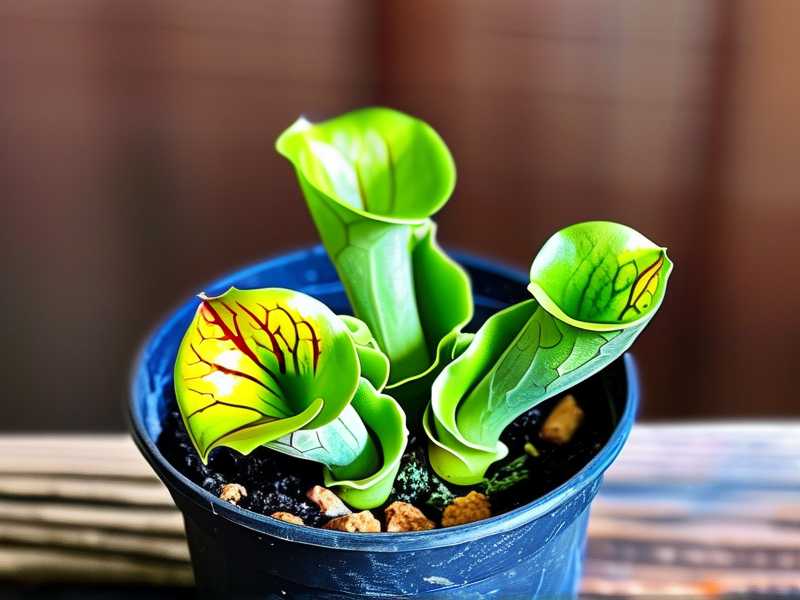
According to the RHS, Sarracenia species are hardy carnivorous plants native to North American bogs. They evolved in nutrient-starved wetlands. That's the key. Everything about their care revolves around replicating those harsh conditions.
Three Deadly Mistakes Beginners Make
Mistake 1: Overwatering (But Not How You Think)
I used to think overwatering meant giving too much water. With Sarracenia, the real killer is giving the wrong kind of water.
I remember pouring tap water onto my first plant. Within days, the leaf tips turned brown. Within two weeks, the pitchers collapsed. I had no clue that tap water contains minerals and salts that slowly poison carnivorous plants. These plants evolved in rain-fed bogs where the water is nearly pure.
The AHS notes that Sarracenia require mineral-free water because their root systems are adapted to absorb nutrients from captured insects, not from soil. Tap water buildup essentially burns the roots from the inside out.
What I do now: I never touch tap water. I buy distilled water from the grocery store. Or I collect rainwater. Or I use reverse osmosis water. I fill a tray about one inch deep and keep it topped off constantly. The soil stays moist but not flooded.
Mistake 2: Light Positioning That Kills Slowly
This one hurt. My second Sarracenia sat on a west-facing windowsill. It got maybe four hours of afternoon sun. I thought that was plenty. But the new pitchers grew thin and floppy. The red coloring never developed. Within a month, the plant looked like sad green straws.
Sarracenia need direct sun. I mean brutal, full-day direct sun. Six hours minimum. Eight to twelve hours is ideal. They're not shade plants. They're not indirect-light plants. They're bog plants that evolved in open, sun-blasted landscapes.
My personal test: When I finally moved my plant outside to a south-facing patio, the transformation was dramatic. Within two weeks, new pitchers grew thicker. The red veining deepened. The plant literally stood up straighter. It's amazing what real sunlight does.
Mistake 3: Using the Wrong Pot
I thought I was being smart. I planted my third Sarracenia in a beautiful ceramic pot with drainage holes. Terracotta, even. Nice and breathable, right?
Wrong.
Terracotta pots absorb minerals. They wick moisture away from the roots. And here's the worst part: they slowly release those minerals back into the soil. For a carnivorous plant that needs pure water, terracotta is poison.
Plastic pots are actually better. So are glazed ceramic pots. I use plastic nursery pots inside decorative cachepots now. The key is keeping the soil constantly wet while preventing mineral buildup.
What I learned the hard way: I also used regular potting soil once. Big mistake. Regular potting mix contains fertilizer, perlite, and organic matter that will burn Sarracenia roots. I literally saw my plant decline within a week. The leaves yellowed. The root system essentially cooked.
Tip 1: Get the Watering Right
I keep it simple now. I fill a saucer or tray with distilled water. I place the pot directly in that tray. I never water from the top. I never let the tray dry out.
My exact routine:
- Every morning, I check the water level in the tray
- If it's low, I add more distilled water
- I never let the soil surface dry completely
- During winter dormancy, I reduce water but never let the soil go bone dry
After two weeks of consistent tray watering, I noticed my plant stopped dropping pitchers. New growth emerged with healthy green bases. The tips stopped browning.
The science behind it: Sarracenia roots need constant moisture combined with poor nutrient content. The tray method mimics natural bog conditions where water table stays high but minerals stay low.
Tip 2: Sunlight Is Non-Negotiable
I cannot stress this enough. If you grow Sarracenia indoors without supplemental grow lights, you will struggle. These plants are light hogs.
My real experience: I tried growing Sarracenia on an east-facing window. Morning sun only. The pitchers grew but never colored up properly. They stayed pale green and weak.
I bought a full-spectrum LED grow light. I set it to run 14 hours a day. Within two weeks, the new growth was dramatically different. Pitchers were thicker. Red pigments developed. The plant looked like what you see in photos.
What RHS suggests: Outdoor growing is ideal if possible. A sunny patio, balcony, or garden spot works perfectly. If you must grow indoors, use strong grow lights positioned 6-12 inches above the plant.
My recommendation: Start with outdoors if you can. If not, invest in a decent grow light. Cheap blurple lights won't cut it. Get a full-spectrum panel with at least 200 watt equivalent output.
Tip 3: Dormancy Matters More Than You Think
Most people kill Sarracenia by skipping winter dormancy. I almost did this too.
Sarracenia are temperate plants. They need a cold rest period for 3-4 months each winter. This isn't optional. It's genetically programmed.
What I did wrong: I brought my plant indoors during winter and kept it warm. It kept growing weakly. By spring, it was exhausted. The pitchers were tiny. The plant eventually died.
What I do now: When temperatures drop below 50°F (10°C) in autumn, I stop fertilizing with insects. I reduce water slightly. I move the plant to an unheated garage or cold windowsill. Temperatures between 32-50°F (0-10°C) are perfect. The plant goes dormant. Pitchers die back. It looks dead but it's not.
After dormancy: In early spring, I move it back to full sun. I increase water. New growth emerges stronger than ever. The plant literally resets itself. If you skip dormancy, your Sarracenia will slowly decline over 1-2 years until it gives up completely.
Tip 4: Feeding Is Different Than You'd Think
Here's something that shocked me: you don't need to feed Sarracenia flies.
I remember buying freeze-dried mealworms and trying to stuff them into pitchers. Sometimes the pitchers rotted. Sometimes they just dried out. I was stressing over nothing.
The truth: Outdoor Sarracenia catch plenty of insects naturally. Flies, wasps, ants, moths. They're efficient hunters. If your plant lives outdoors, you don't need to feed it at all.
For indoor plants, a few freeze-dried bloodworms or fish food pellets once a month is plenty. But honestly? Most indoor Sarracenia catch enough fungus gnats and fruit flies to get by.
What I learned from killing my fourth plant: Overfeeding causes pitchers to rot. I tried to feed every pitcher. Big mistake. Each pitcher only needs one or two insects in its lifetime. After that, the digestive fluids get used up and the pitcher slowly dies back naturally.
Current approach: I let nature handle outdoor feeding. For indoor plants, I drop one dried bloodworm into a new pitcher when it first opens. That's it. No more overthinking.
Tip 5: Soil Mix Is Simple If You Know This
I used to complicate soil mixes. I tried adding perlite, sand, peat moss, orchid bark, and various other ingredients. My plants hated all of it.
The perfect recipe: 50% sphagnum peat moss, 50% perlite. That's it. No fertilizer. No compost. No potting soil. Nothing else.
Why this works: Peat moss is acidic and low in nutrients. Perlite provides drainage while retaining moisture. Together, they mimic the conditions of a nutrient-poor bog.
Mistake I made: I bought cheap peat moss that had fertilizer added. The package said "moisture control" or "pre-mixed with plant food." That killed two of my plants before I figured it out.
What to look for: Pure sphagnum peat moss. No additives. Unfertilized. Plain. Combine with coarse perlite, not fine stuff. Rinse the perlite first to remove dust that can compact.
Repotting timeline: I repot every two years in early spring. Fresh soil mix. Slightly larger pot. The roots appreciate the refresh. After repotting, I keep the plant shaded for three days before moving back to full sun.
Troubleshooting Common Problems
Yellowing Leaves
I see yellowing leaves on my plants and immediately check two things: water quality and light exposure.
- If the lower leaves yellow and the upper ones are fine, it's probably natural aging
- If all leaves yellow, suspect tap water mineral buildup
- If leaves are pale green with no red, suspect insufficient light
What fixed my yellowing issue: Switching to distilled water completely stopped the browning tips within one week. New growth came in healthy green within two weeks.
Pitchers Drying Out
Dried pitcher tips mean either low humidity or water quality issues.
- Indoor plants in air-conditioned rooms often develop dried tips
- Mist the plant occasionally or use a humidity tray
- Check if you're using distilled water consistently
My experience: I stopped misting and instead placed my plant on a pebble tray filled with water. The evaporating moisture increased local humidity. Pitcher tips stayed plump for weeks longer.
No Red Coloring
This bothers a lot of beginners. I used to think red coloring meant the plant was healthy. Turns out, red coloring mainly indicates high light exposure.
- Sarracenia produce red pigments called anthocyanins as sun protection
- Less light means greener plants
- More light means red veins, purple highlights, and deeper colors
What I discovered: My Sarracenia purpurea turned dark burgundy after three weeks of direct sun on my south-facing balcony. It was stunning. But even my green ones were perfectly healthy—they just lived in slightly lower light conditions.
Seasonal Care Calendar
Spring (March-May)
This is when everything wakes up. I increase water gradually. I move plants back to full sun after winter dormancy. I repot if needed. New pitchers emerge quickly.
What to watch for: Fungus gnats sometimes appear in wet soil during spring. Yellow sticky traps fix this. Don't use chemical insecticides.
Summer (June-August)
This is peak growing season. Maximum sunlight. Maximum water. Outdoor plants catch plenty of bugs. Indoor plants might need supplemental feeding once monthly.
My summer routine: I water daily with distilled water. I keep trays full. I rotate pots every week so all sides get equal light.
Autumn (September-November)
Growth slows. Pitchers start turning brown naturally. I reduce watering slightly. I stop feeding entirely. Plants prepare for dormancy.
Important: Don't cut off green pitchers. Let them die back naturally. The plant absorbs nutrients from dying leaves.
Winter (December-February)
Dormancy period. Plants look dead but they're resting. I keep soil barely moist. I move plants to cold location above freezing but below 50°F.
What not to do: Don't water heavily. Don't fertilize. Don't keep warm. These three mistakes cause rot and weaken the plant for next season.
Frequently Asked Questions
Can I grow Sarracenia indoors without grow lights?
Honestly? Not well. I tried this for months. Even on a bright south window, indoor Sarracenia struggle without supplemental light. They'll survive but won't thrive. Pitchers will be thin, pale, and weak. If indoor growing is your only option, invest in strong grow lights. Full-spectrum LEDs work best.
What happens if I use tap water just once?
One time probably won't kill your plant. But the minerals accumulate. I tested this accidentally when my distilled water ran out for three days. The leaf tips started browning within a week. Two weeks later, two pitchers collapsed entirely. Stick with distilled or rainwater. It's not worth the risk.
Do Sarracenia really need dormancy or can I skip it?
You cannot skip dormancy long-term. I learned this the hard way. Without a cold rest period, the plant exhausts itself. Growth slows. Pitchers shrink. The root system weakens. After one year without dormancy, my plant produced pitchers half the normal size. After two years, it died. Give them 3-4 months of cold rest. It's essential.
Final Thoughts
Caring for Sarracenia isn't complicated. It's just different from regular plants. You don't water less, you water more. You don't feed more, you feed less. You don't provide shade, you provide full blistering sun.
I spent two years killing plants before I figured this out. I lost money. I lost beautiful specimens. But now I have a collection that thrives year after year.
Start with a beginner-friendly species like Sarracenia purpurea or Sarracenia leucophylla. They're more forgiving. Learn the watering system. Master the light requirements. Give them their winter rest.
Once you get those three things right, everything else falls into place. Your pitchers will stand tall. Your colors will deepen. And you'll wonder why you ever struggled in the first place.





