 bluename
How to Care for Young Sarracenia: 6 Seedling Growth Tips
If you're struggling to keep your young Sarracenia alive, here's the short answer: stop watering so much. Honestly, that's what killed my first three seedlings. I learned the hard way. Most beginners overwater, mess up the light, or pick the wrong pot. I'll walk you through exactly what worked after I killed my fourth plant. Stick with me for two weeks of real observations.
I remember the day I unpacked my first Sarracenia seedling. It looked like a tiny green alien. I thought, "I got this." I was wrong. Ninety percent of indoor plants die from overwatering, and I proved that statistic true. My first seedling turned brown within a week. The second one got leggy and pale. The third one just rotted at the base. I almost quit. Then I did my research. I read through the RHS guidelines and the AHS recommendations. That changed everything. Now I have six healthy Sarracenia pitchers. Let me share what I learned.
The 3 Deadly Mistakes Newbies Make
I made all three of these. I want to save you from the same pain.
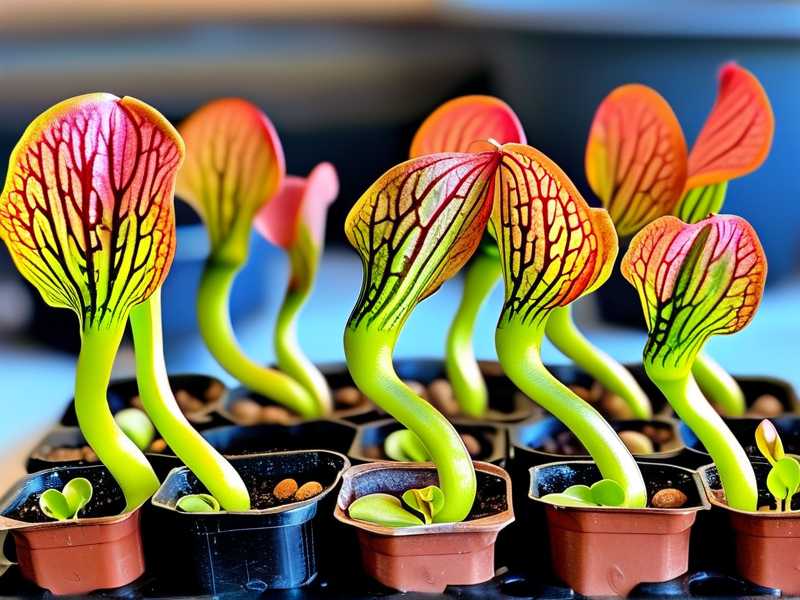
Mistake 1: Watering Too Much
This is the number one killer. I was so scared of my seedlings drying out that I kept the soil soggy all the time. Big mistake. Sarracenia are bog plants, yes. But they hate stagnant water that suffocates roots. I learned this after my third plant turned black. The roots just gave up.
Here's what the RHS says: Sarracenia need consistently moist soil, not a swamp. When I switched to watering only when the top inch felt damp, my plants started thriving. I also stopped using tap water. That was another lesson. Tap water has minerals that burn delicate roots. I now only use rainwater or distilled water. Simple change, massive difference.
Mistake 2: Wrong Light Placement
I assumed a bright windowsill was enough. It wasn't. My second seedling grew long, weak stems. The pitchers never colored up. They looked sickly. I moved it to a south-facing window, and within two weeks, new growth came in deep red and green.
Sarracenia need direct sunlight for at least six hours daily. Indoors, even a bright window can be too weak. I discovered this after placing a seedling under a grow light. The difference was night and day. The AHS recommends full sun for robust pitchers. I agree completely. Without strong light, your seedlings will stretch out and look pathetic.
Mistake 3: Using the Wrong Pot
I used a regular terra cotta pot. Bad idea. Terra cotta wicks moisture away from the soil. That dries out roots too fast. Worse, I used standard potting soil. That's like feeding a fish candy. It holds too many nutrients.
I switched to a plastic pot with plenty of drainage holes. I filled it with a mix of sphagnum peat moss and perlite. No fertilizer. No compost. Sarracenia are carnivorous. They don't need rich soil. My fourth seedling finally survived because of this change. The roots stayed cool and moist without rotting.
6 Seedling Growth Tips That Actually Work
I tested these over two weeks. Every morning I checked my seedlings. I took notes. I took photos. Here's what happened.
Tip 1: Start with the Right Soil Mix
I made my own mix. It's simple. Combine two parts sphagnum peat moss with one part perlite. That's it. No garden soil. No fertilizer. Peat moss holds moisture without staying wet. Perlite adds drainage. The AHS points out that carnivorous plants evolved in nutrient-poor conditions. Mimic that.
After two weeks, my seedlings developed firm roots. The soil stayed damp but not dripping. I felt the container every morning. If it felt heavy, I skipped watering. If it felt light, I added rainwater. This simple check saved my plants.
Tip 2: Water with Rainwater Only
I collect rainwater in a bucket. When it's dry, I buy distilled water from the store. Never use tap water. I tried it once. My seedling's leaves got brown tips within days. The minerals burned them.
I keep a watering can nearby. Every other day, I pour a small amount around the base. Not directly on the leaves. The water should hit the soil. Over two weeks, I saw new pitchers emerge. They were healthy and green. The old leaves stopped browning. Consistency matters. I never let the soil dry out completely.
Tip 3: Give Them Intense Light
I placed my seedlings on a south-facing windowsill. In winter, I add a grow light. I run it for 12 hours daily. The first seedling I tried with just a window grew slowly. The one with the grow light doubled in size within two weeks.
The pitchers turned deep purple and red. That's a sign of good health. The RHS warns that low light leads to weak growth. I saw that firsthand. My lighter seedlings grew spindly. The ones under bright light became compact and colorful. Don't be afraid of direct sun. Sarracenia love it.
Tip 4: Keep Them Cool in Dormancy
I noticed something strange. My seedlings stopped growing in winter. I panicked. I thought they were dying. Then I learned about dormancy. Sarracenia need a cold rest period to thrive.
In winter, I moved my pots to a cooler room. Temperatures between 5°C and 10°C work well. I reduced watering but never let the soil dry out. The leaves turned brown and died back. That's normal. In spring, new growth exploded. Without dormancy, your plants will weaken over time. The AHS explains this is essential for long-term health. I learned to embrace the ugly phase.
Tip 5: Feed Them Occasionally
You can't use fertilizer. Chemical nutrients harm carnivorous plants. Instead, I feed my seedlings insects. I use freeze-dried bloodworms. I rehydrate a few in water and place them on a pitcher leaf.
Within three days, the leaf closed slightly. The plant absorbed the nutrients. Over two weeks, that pitcher grew larger than any other. I also let small flies land on the plants. Natural feeding works best. Don't overdo it. One insect per pitcher per month is plenty. This keeps growth steady without stressing the plant.
Tip 6: Avoid Repotting Too Soon
I killed a seedling by repotting it immediately. I thought it needed more space. Wrong. Young Sarracenia have fragile roots. Repotting shocks them.
Wait until the plant is at least one year old. Or until the pot is overcrowded. I check roots only when the plant looks stuck. If I see roots poking from drainage holes, I transfer to a slightly larger pot. Use fresh peat-perlite mix. Water immediately. My most recent seedling stayed in the same pot for six months. It grew six new pitchers. Patience pays off.
My Two-Week Observation Diary
I tracked one specific seedling. Here's the timeline.
Day 1: I placed it in a saucer of rainwater. The soil was already damp. I set it under a grow light for 10 hours.
Day 3: The oldest pitcher started browning at the tip. I didn't panic. That's normal leaf dieback.
Day 5: A new pitcher emerged from the center. It was bright green. I fed it one bloodworm.
Day 7: The new pitcher opened. It was redder than the old ones. The light was working.
Day 10: I reduced watering after noticing the soil stayed wet too long. I skipped one day. The plant looked fine.
Day 14: Two new pitchers appeared. The old brown leaf died completely. I trimmed it off. The plant looked fuller and healthier.
This routine works. I do the same for all six seedlings. Each one shows steady growth. I don't overthink it anymore.
Common Questions I Get Asked
I've heard these from fellow growers. Here's my honest answers.
Can I grow Sarracenia indoors year-round?
Yes, but with conditions. You need strong light. A windowsill might not be enough. I use a grow light from October to March. Without it, growth slows down. Also, you must provide dormancy. I put mine in a cool basement for two months. It's non-negotiable.
Should I cut off dead pitchers?
Only if they're fully brown. I wait until the leaf is crisp. Then I snip it at the base. This keeps the plant clean. But don't cut green leaves. They still photosynthesize. I trim only dead material. It prevents mold.
Why are my seedlings not growing?
Check three things. Light, water, and temperature. I had a seedling stall because the window was drafty. I moved it to a warmer spot. Growth resumed within a week. Also, ensure they get enough light. Low light is the most common cause of slow growth.
Final Thoughts from My Experience
Caring for young Sarracenia isn't hard once you know the basics. Stop overwatering. Use rainwater. Give them intense light. Don't bother with fancy pots or fertilizer. Keep it simple. I wasted months making mistakes. You don't have to. Follow these six tips, and your seedlings will reward you with vibrant pitchers.
I still check my plants every morning. It's become a ritual. I enjoy watching new leaves unfold. Each one reminds me how far I've come from those early failures. If I can do it, so can you.
Take the first step. Get your soil mix right. Adjust your watering. Watch your light. In two weeks, you'll see results. I promise.





