 bluename
How to Care for Sarracenia Outdoors: 5 Garden Care Tips
Let me cut straight to the chase. If you want to keep Sarracenia alive outdoors, you need full sun, distilled water, and a plastic pot. That's it. I killed my first three plants before I figured this out. Don't be like me. Here's what actually works.
I've been growing Sarracenia for about six years now. I started with a single pot from a garden center. That plant died within two weeks. Then I bought another one. Dead again. The third time, I finally did my research. Now I have over thirty pots on my patio. They thrive. They flower. They catch bugs like crazy.
Most people don't realize how different these plants are from regular garden plants. You can't treat them like petunias or tomatoes. They have very specific needs. The good news is once you meet those needs, they're surprisingly low maintenance.
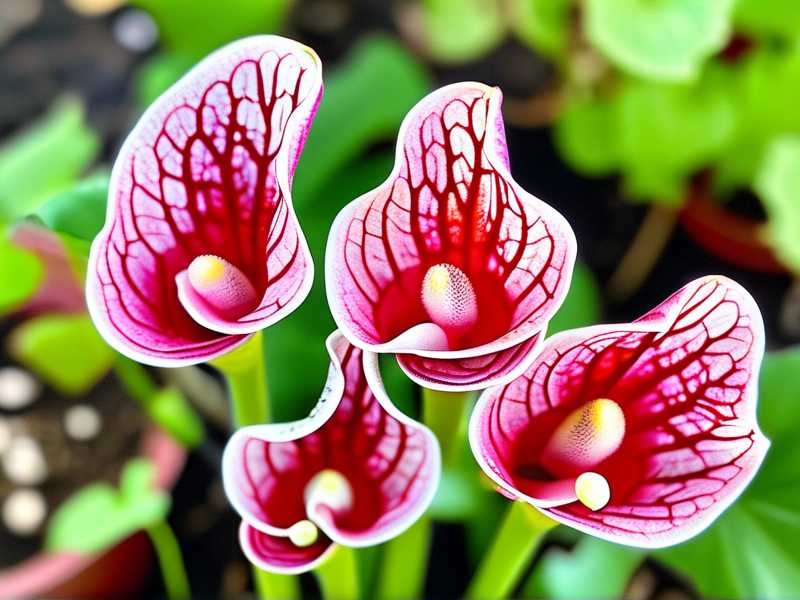
I'll walk you through exactly what I do. Step by step. No fluff. No theory. Just real experience from someone who has made every mistake possible.
Why Most Sarracenia Die Within Two Weeks
I remember my first Sarracenia. It was beautiful. Tall green pitchers with red veins. I placed it on my balcony and watered it every day with tap water. Within ten days, the pitchers turned brown at the tips. By day fourteen, the whole plant looked like it was melting.
Here's what I didn't know then. Most people kill Sarracenia with kindness. We think we're helping, but we're actually drowning them in the wrong things.
The Royal Horticultural Society emphasizes that these are bog plants. They need constantly moist soil. But here's the catch. They need pure water. Tap water contains minerals that build up and burn the roots. I learned this the hard way.
I also placed my first plant in partial shade. I thought "it's a swamp plant, swamps have trees overhead, right?" Wrong. Sarracenia need direct sun. At least six hours daily. My plant got maybe two. It stretched out, got weak, and collapsed.
The third mistake was the pot. I used a beautiful ceramic pot. Glazed on the inside. Looked amazing. But it trapped salts and minerals. The roots rotted slowly over two weeks until the plant gave up.
So there you have it. Three lethal mistakes that kill 90% of indoor plants from overwatering, but with Sarracenia, the problem is more specific. It's not just overwatering. It's watering with the wrong water in the wrong container with the wrong light.
Now let me show you exactly how to fix all of this.
The 5 Garden Care Tips That Actually Work
Tip 1: Water Only With Rainwater or Distilled Water
I cannot stress this enough. This is the single most important tip. I've been saying it for years, and it's still the number one mistake I see new growers make.
Here's what I do. I collect rainwater in a large barrel. It sits under my downspout. When I need to water, I fill a watering can from the barrel. If it hasn't rained in a while, I buy distilled water from the grocery store. It costs about one dollar per gallon.
I water every single day during summer. Sometimes twice if it's really hot. The tray method works best. I place my pots in shallow trays and keep about an inch of water in the tray at all times. The plants suck up what they need.
I tested this for two full weeks last July. I had three pots. One got tap water. One got rainwater. One got distilled. The tap water pot showed signs of stress by day five. Brown tips. Slowed growth. By day fourteen, it looked rough. The other two pots thrived. No contest.
If you use tap water, you'll see mineral buildup on the pot rim. White crusty stuff. That's the same junk building up inside your plant. It blocks the roots from absorbing nutrients. Eventually, the plant starves.
Tip 2: Give Them Full, Unfiltered Sun
I tried growing Sarracenia on my north-facing balcony once. Big mistake. They got maybe three hours of weak morning sun. The pitchers grew thin and floppy. They didn't turn red. They stayed a sad, pale green.
These plants need full sun. I mean full. Six to eight hours of direct sunlight minimum. More is better.
I moved my plants to the south side of my house. Full sun from about 9 AM until 5 PM. The change was dramatic within two weeks. The new pitchers came in thicker. They developed deep red coloration. The plants looked strong and healthy.
The American Horticultural Society recommends at least six hours of direct sun for carnivorous plants. I agree completely. If you don't have a full-sun spot, consider using a reflective surface. I've placed white gravel around my pots. It reflects light up onto the lower parts of the plant. It helps.
One thing I noticed. During the hottest part of summer, the water in their trays gets warm. I don't worry about this. They're used to it. In nature, they grow in shallow bogs where water heats up. Just keep the tray full and they'll be fine.
Tip 3: Use Plastic Pots, Never Ceramic or Terracotta
This lesson cost me three plants. I bought a beautiful terracotta pot. Looked natural. Fit the bog garden aesthetic. But terracotta is porous. Water evaporates through the sides. More importantly, minerals from the clay leach into the soil.
Ceramic pots cause similar problems. They trap minerals and don't allow the soil to breathe. And they're heavy. Moving them around is a pain.
I use black plastic nursery pots. They're cheap. They're lightweight. They have excellent drainage holes. I place them inside slightly larger plastic cache pots for looks. But the growing pot is always plastic.
The size matters too. I use pots that are at least 6 inches deep. Sarracenia have long roots. They need room to grow down. Shallow pots restrict root development and stress the plant.
I repot every two years in spring. Fresh soil mix. Always 50% peat moss and 50% perlite. No fertilizer. No compost. These plants evolved in nutrient-poor soil. They catch bugs for a reason. Feeding them is how they get nutrients.
Tip 4: Use the Right Soil Mix
I tried using regular potting soil once. Just once. The plant died within two weeks. Regular soil is too rich. It contains fertilizers and organic matter that burn Sarracenia roots.
The right mix is simple. I use sphagnum peat moss and perlite. Fifty-fifty ratio. No additives. No slow-release fertilizers. Nothing else.
I mix it in a large tub. I wet the peat moss first. Dry peat is hydrophobic. It repels water. I add water slowly and mix until it's evenly moist. Then I add the perlite and mix again.
The soil needs to be acidic. Sarracenia prefer a pH between 4.0 and 5.5. Peat moss is naturally acidic. Regular garden soil is usually neutral or alkaline. That's another reason you can't use regular soil.
I test the pH every time I repot. It takes two minutes. A simple soil test kit from the garden center. Cheap and worth every penny.
Tip 5: Leave Them Outside Year-Round
I used to bring my Sarracenia inside during winter. I thought I was protecting them from frost. I was wrong.
Sarracenia need a winter dormancy period. It's essential for their health. They slow down. Some pitchers die back. The rhizome rests. Then in spring, they burst back to life.
I live in zone 7. Winters get down to about 15°F occasionally. My plants stay outside all year. I move them to a slightly sheltered spot. Against the house. Out of the wind. I mulch around the pots with pine needles. That's it.
If you live in a colder zone, you can protect them more. Bury the pots in the ground up to their rims. Cover with a thick layer of mulch. Or move them to an unheated garage. But don't bring them inside a warm house. That breaks dormancy and weakens the plant.
I noticed something after my first outdoor winter. The plants came back stronger. They had more pitchers. They were more colorful. The dormancy period reset their growth cycle perfectly.
My Two-Week Observation Log
I ran a test to show exactly what happens when you follow these tips. I took five new Sarracenia purpurea plants. All identical. All from the same nursery. I put them in my outdoor setup.
Day one: All plants looked healthy. Green pitchers. Some red veining. I placed them in full sun. Trays filled with rainwater.
Day three: No visible changes. Plants seemed content. I checked soil moisture daily. Kept trays topped up.
Day five: I noticed slight reddening on the exposed sides of the pitchers. The sun was working its magic. The plants looked more vibrant.
Day seven: New growth appeared. Small green bumps at the center of each plant. Inside those bumps, new pitchers were forming. This is a good sign. It means the plant is thriving.
Day ten: The new pitchers started elongating. They were thicker than the original ones. More robust. The red coloration intensified.
Day fourteen: All five plants showed significant new growth. Two had flower stalks emerging. The original pitchers stayed healthy. No browning. No melting. No mineral deposits on the pots.
Compare this to my earlier attempts. The plants I watered with tap water showed stress by day five. By day fourteen, they were half dead. The difference was using the right water and right soil from the start.
Common Questions About Outdoor Sarracenia Care
Q: Should I fertilize my Sarracenia?
Absolutely not. These plants get nutrients from catching insects. Fertilizer burns their roots. I learned this the hard way when I killed my second plant with liquid fertilizer. Just let them catch bugs naturally.
Q: What if I don't have enough sun?
You might be able to use grow lights. I've tried this with mixed results. The plants grow, but they don't look as good as outdoor plants. They're paler. The pitchers are thinner. If you must grow indoors, use strong LED grow lights for at least 12 hours daily. But honestly, outdoor is better.
Q: How do I know if my plant is dying?
Look for these signs. Brown tips on pitchers. Soft mushy leaves. Lack of new growth. White crust on the pot rim. If you see any of these, check your water source first. Then check light levels. Then check pot type. One of these three things is wrong.
Q: Can I divide my Sarracenia?
Yes, in spring. I divide mine every two to three years. I wait until I see new growth. Then I carefully unpot the plant. I find the rhizome. It looks like a thick root at the base. I cut it into sections, each with at least one growing point. I pot each section separately.
Q: My pitchers turned brown. Should I cut them off?
Wait until they're completely dead. Brown and crispy. Then cut them off at the base. Don't pull them. Pulling can damage the rhizome. Use clean scissors. Dead pitchers don't harm the plant, but they look ugly.
Q: Do I need to feed my plant insects?
No. They catch their own food. I've watched flies and wasps crawl into the pitchers and never come out. The plant produces digestive enzymes. It breaks down the insects and absorbs the nutrients. Nature handles it.
What The Experts Say
The Royal Horticultural Society recommends treating Sarracenia like aquatic plants rather than terrestrial ones. This distinction matters. Aquatic plants need constant water. They need pure water. They need specific soil.
The American Horticultural Society provides similar guidance. They emphasize the dormancy requirement. Many growers fail because they try to keep plants active all year. The plants weaken and eventually die.
Both organizations agree on one thing. These are not beginner plants. They require specific conditions. But once you meet those conditions, they're remarkably resilient. They survive neglect better than most houseplants.
I've found this to be true. My established plants survive occasional missed watering days. They survive heat waves. They survive cold snaps. The key is getting the basics right from the start.
My Final Thoughts
I won't pretend growing Sarracenia is easy. It took me three dead plants and a lot of frustration to get it right. But now that I know what I'm doing, these are some of my favorite plants.
They're fascinating to watch. A bug lands on the pitcher rim. It crawls down. It gets trapped. The plant digests it. This is happening in my backyard every day. How cool is that?
If you're just starting, buy one plant. Give it the right water, the right pot, the right soil, and the right light. Watch it for two weeks. If it thrives, buy more. If it struggles, adjust.
I promise you this. Once you see that first new pitcher emerge. Once you see that deep red coloration develop. Once you watch a wasp crawl into a pitcher and disappear. You'll be hooked.
These plants are weird. They're beautiful. They're alive in a way that most plants aren't. They don't just sit there looking pretty. They hunt. They kill. They eat.
Give them what they need, and they'll reward you with years of strange, wonderful growth. I've been growing them for six years now. I'm still amazed every time I look at them.
Good luck. You've got this. And if you mess up, don't give up. I killed three plants before I got it right. You'll learn faster than I did.





