 bluename
How to Care for Sarracenia in Terrariums: 5 Closed-System Tips
You’ve seen those stunning, otherworldly photos online: a lush, miniature bog thriving under glass, vibrant Sarracenia pitchers standing tall like sentinels. The dream of creating a self-sustaining, closed terrarium ecosystem for these carnivorous plants is incredibly alluring. I was captivated too. But after my first attempt ended in a heartbreaking mess of mold and mush, I realized the conventional wisdom for open bogs doesn’t translate to a sealed jar. The frustration of watching a beautiful plant slowly decline in a supposedly perfect environment is a real pain point for many enthusiasts. Through trial, error, and a dedicated two-week observation period, I cracked the code. Here’s my firsthand guide on how to care for Sarracenia in terrariums successfully, focusing on the unique rules of a closed system.
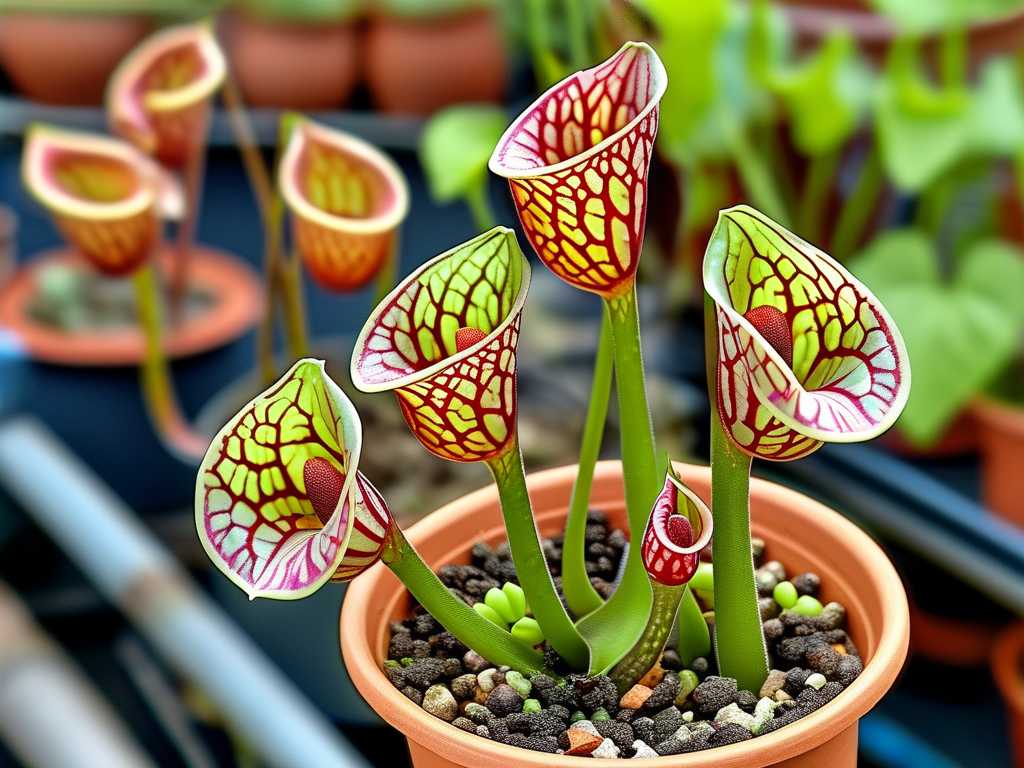
My journey began with a simple, beautiful Sarracenia purpurea and a large, apothecary-style glass jar. I was determined to make it work.
The Foundation: Rethinking Soil and Drainage for a Closed World
In an open pot, the classic peat-perlite mix for Sarracenia is gospel. In a terrarium, it can be a death sentence. My initial setup used this standard mix. I watered it with distilled water, sealed the lid, and placed it in bright, indirect light. Within four days, I noticed the first problem: the soil surface remained soaking wet, and a faint, musty smell was emerging. The perlite held too much moisture against the crown of the plant.
The Fix: I immediately opened the terrarium to let it air out. After research and consulting guidelines from the International Carnivorous Plant Society (ICPS), which emphasizes excellent aeration, I rebuilt the substrate layer. I created a much sharper, airier mix:
- A base layer of coarse aquarium gravel or horticultural charcoal for a hidden drainage reservoir.
- A main layer of a 1:1 ratio of sphagnum peat moss and coarse horticultural sand (washed thoroughly). The sand is non-negotiable—it creates permanent air pockets.
- A top dressing of live Sphagnum moss to wick moisture upward and keep the peat from compacting.
This new structure allowed water to settle at the base without waterlogging the root zone, a critical adjustment for closed-system care.
Mastering the Moisture Balance: Observation is Key
The most common killer of terrarium Sarracenia is not drought, but constant, stagnant humidity. A closed terrarium recycles its water. My goal was to achieve the "swampy base, drier crown" microclimate Sarracenia adore.
After replanting with the new substrate, I lightly misted the live sphagnum and the inner glass walls. I then sealed the lid. This began my formal two-week observation period. I tracked conditions every morning and evening:
- Day 1-3: Condensation formed on the upper third of the glass each morning, evaporating by afternoon. The live sphagnum looked moist but not soggy. Perfect.
- Day 5: A cooler day led to condensation covering 70% of the glass all day. This was a red flag—too much constant moisture. I opened the lid for 6 hours to allow excess water vapor to escape.
- Day 7-14: By adjusting the lid's opening based on daily condensation (a practice supported by terrarium experts for maintaining equilibrium), I found a sweet spot. The system stabilized. Condensation formed lightly overnight and cycled off during the day. The soil at the surface felt cool and slightly damp to the touch, not wet.
This hands-on monitoring taught me more than any guide could: your terrarium’s moisture needs are dynamic, responding to weather and light.
Light: The Non-Negotiable Energy Source
Sarracenia are sun worshippers. In a closed terrarium, light intensity is filtered by the glass. My first location (a bright north-facing room) was insufficient. The new pitchers grew weak and elongated—a clear sign of etiolation.
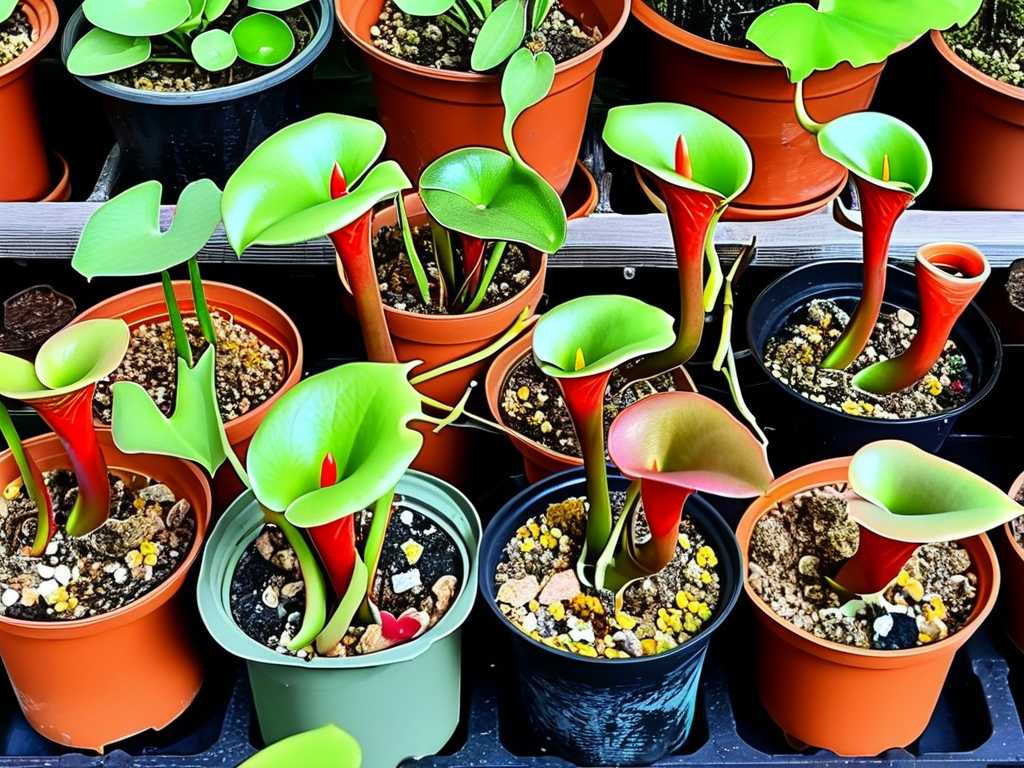
The Fix: I moved the terrarium to a spot receiving several hours of direct morning sun, with bright, indirect light the rest of the day. Avoid harsh afternoon sun, as the glass can magnify heat and literally cook your plant (a mistake I’ve made with succulents!). If natural light is insufficient, a strong LED grow light placed 6-8 inches above the terrarium for 12-14 hours a day is essential. The difference was dramatic. After two weeks under better light, the existing pitchers colored up significantly, showing deeper red venation.
The Feeding Conundrum in a Sealed Ecosystem
A major worry for growers is: how will my carnivorous plant eat in here? The beauty of a healthy, established closed terrarium is that it becomes a tiny biome. You are not the primary feeder.
During my observation weeks, I noticed tiny fungus gnats (common in houseplant soil) occasionally appeared. These became a natural food source. The key is do not overfeed. I made the mistake of dropping a single dried bloodworm into a pitcher early on. In the high humidity, it rotted instead of being digested, causing that pitcher to die back prematurely. The Royal Horticultural Society (RHS) advises that healthy Sarracenia in good light will catch what they need. In a sealed terrarium, trust the system. If no insects are present, the plant can survive on photosynthesis alone for extended periods; supplemental feeding is risky and usually unnecessary.
Pruning and Maintenance: Keeping the System Healthy
In an open garden, dead pitchers are tidied up for aesthetics. In a closed terrarium, they are a potential source of mold and decay that can spiral in the humid, still air.
I instituted a strict maintenance routine:
- Immediate Removal: Any pitcher or leaf that browns more than 50% is carefully snipped at its base with sterile tweezers and removed entirely from the terrarium.
- Algae Management: On the glass, a slight green film appeared on the sunward side. I wiped it off during my weekly "lid-off" airing session to ensure light penetration wasn’t hindered.
- Long-Term Health: Every 3-4 months, I plan to open the system for a longer period (a full day) to refresh the air and do a more thorough check.
This proactive approach prevented the fungal issues that doomed my first attempt and is a cornerstone of long-term Sarracenia closed terrarium care.
Will my terrarium Sarracenia still go dormant? This is complex. Sarracenia require a winter dormancy period triggered by cooler temperatures and shorter days. In a stable indoor terrarium, this signal is weak. My solution is to move the entire terrarium to an unheated but bright garage or cool porch for the winter months (ensuring it doesn’t freeze), mimicking the natural cycle. Some growers report success with simply reducing photoperiod under grow lights.
Can I mix Sarracenia with other plants in a closed terrarium? I strongly advise against it for beginners. Sarracenia have very specific soil, water, and light needs that most other terrarium-friendly plants (like ferns or mosses) do not share. Creating a compatible plant community is advanced. Focus on a single species or a few Sarracenia of the same type.
How often do I water a closed terrarium? If properly assembled and balanced, watering is incredibly infrequent—often only once or twice a year. The sign to add a small amount of distilled water is when the condensation cycle completely stops and the live sphagnum begins to look dry. Overwatering is the root cause of almost all failures.
Caring for Sarracenia in a closed terrarium is a lesson in restraint and observation. It challenges the typical hands-on approach, asking you to create a right environment and then mostly let it be. By focusing on a sharp, well-draining substrate, managing moisture through condensation cycles, providing intense light, resisting the urge to feed, and practicing diligent pruning, you can create a captivating, low-maintenance world under glass. The reward is a thriving slice of a bog ecosystem, a living sculpture that showcases the rugged beauty of these carnivorous plants in a most delicate setting.





