 bluename
How to Grow Sarracenia Hybrids: 6 Popular Cross Variety Tricks
You’ve brought home a stunning Sarracenia hybrid, a beautiful cross between two pitcher plant species, and you’re buzzing with excitement. But after a few weeks, the vibrant pitchers start to fade, growth seems stunted, and that initial thrill turns to worry. I’ve been there, staring at a prized Sarracenia hybrid that looked more sad than spectacular. The unique genetics that make these crosses so fascinating—like the popular Sarracenia ‘Juthatip Soper’ or the dramatic Sarracenia ‘Reptilian Rose’—also mean their care isn't always a one-size-fits-all formula. Through years of trial, error, and meticulous note-taking, I’ve distilled the process into six key tricks that work. This guide is born from my hands-on experience, including a detailed two-week experiment that turned my struggling hybrids into thriving centerpieces.
Understanding Your Hybrid's Parentage: The First Critical Step
Not all Sarracenia hybrids are created equal. Their needs are directly influenced by their parent species. I learned this the hard way. I treated a Sarracenia psittacina hybrid (which loves wetter, shadier conditions) the same as a Sarracenia flava hybrid (which thrives in full, blazing sun). The result? Neither was happy.
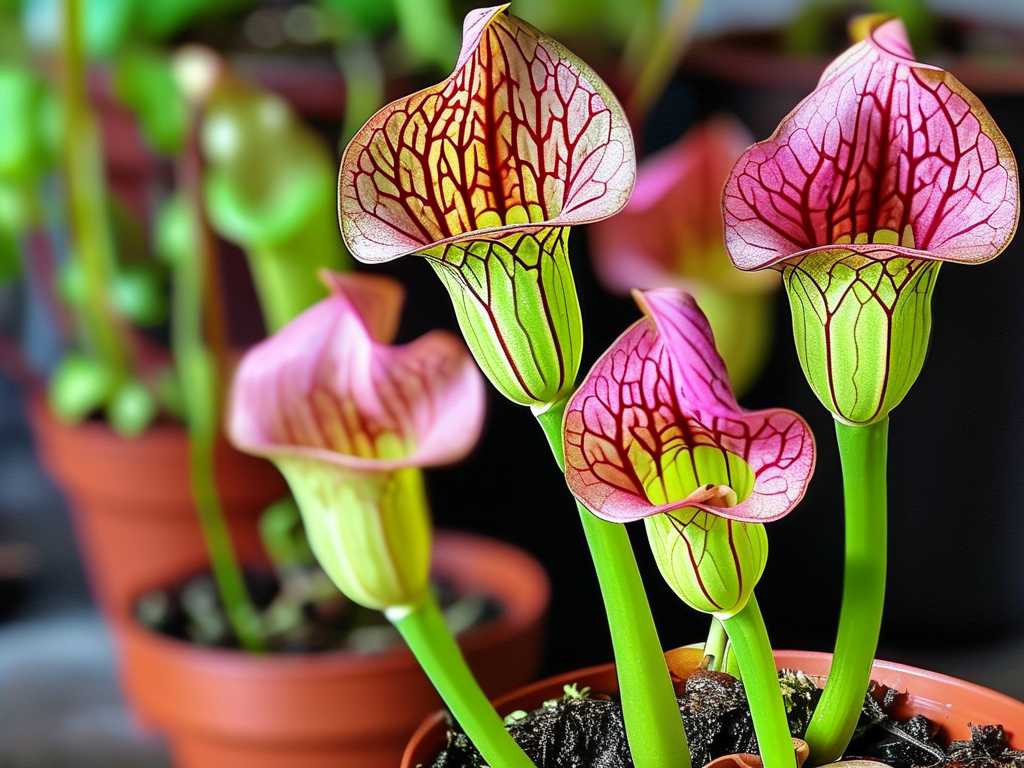
Before you do anything, research your plant's lineage. Is it a cross involving the sun-loving, tall Sarracenia flava? Or does it have the low-growing, moisture-loving Sarracenia purpurea in its family tree? This knowledge is your roadmap. For instance, a hybrid with S. purpurea genes will generally tolerate more moisture in its soil and slightly less intense light compared to a hybrid dominated by S. flava traits. The Royal Horticultural Society (RHS) emphasizes the importance of understanding species origins for successful cultivation, a principle that applies tenfold to their hybrids.
Trick 1: Mastering the Perfect Hybrid Soil Mix
The biggest mistake I see is using standard potting soil. It’s a death sentence for these acid-loving, nutrient-intolerant plants. Sarracenia roots require a mix that is airy, acidic, and completely devoid of fertilizers.
My go-to recipe, perfected after several failed batches, is a 50/50 blend of long-fiber sphagnum moss and horticultural perlite. The moss provides acidity and moisture retention, while the perlite ensures crucial drainage and aeration. For hybrids with known purpurea or psittacina ancestry, I might increase the moss to 60% for extra moisture.
My Two-Week Soil Experiment: I took two divisions of the same Sarracenia ‘Leah Wilkerson’ hybrid. One I planted in a pre-made “carnivorous plant soil” (a peat/perlite mix), the other in my long-fiber sphagnum/perlite blend. For two weeks, I tracked pitcher color, new growth emergence, and soil moisture levels. By day 10, the plant in my custom mix showed a noticeably brighter pitcher coloration and a firmer, healthier new growth point. The peat-based mix retained water unevenly, and the surface developed a slight algae film. The difference in root health was clear when I gently checked after the period; the roots in the sphagnum mix were white and robust, while the others were slightly darker and less vigorous.
Trick 2: Dialing in the Light for Maximum Color
Light exposure is crucial for vibrant Sarracenia hybrids. While most need full sun, hybrids can vary in their tolerance. The goal is to achieve those deep reds, purples, and veiny patterns without scorching the pitchers.
I start all my new hybrids in bright, indirect light for about a week to acclimate them. Then, I move them to a spot that receives at least 6 hours of direct sunlight. Morning sun is ideal as it’s strong but less harsh than afternoon rays. I observed my Sarracenia ‘Reptilian Rose’ for two weeks in two locations: one with 6 hours of morning sun and one with 4 hours of harsh afternoon sun. The morning-sun plant developed a deeper, more even reddish hue and produced a new pitcher that was perfectly formed. The afternoon-sun plant showed slight bleaching on the side facing the sun and the new pitcher had a crinkled, stressed appearance at the lip.
If you’re growing indoors, a strong LED grow light is non-negotiable. Place it 6-12 inches above the plant and run it for 12-14 hours a day. The American Sarracenia Hybridizers Association (ASHA) often showcases award-winning plants grown under intense, controlled lighting, proving its effectiveness.
Trick 3: The Watering Ritual: Quality and Method
Watering is where I’ve seen the most confusion. It’s not just about frequency; it’s about water quality and technique. Never use tap water. The minerals will build up and kill your plant. I use only rainwater, distilled water, or reverse osmosis water.
I employ the “tray method.” My pots always sit in a saucer or tray filled with 0.5 to 1 inch of pure water. I let the tray dry out completely for a day or two before refilling it. This mimics the boggy yet aerated conditions they love. For hybrids with purpurea influence, I might let the tray dry only halfway before refilling.
The pitfall I encountered was root rot from a non-draining decorative pot. I had placed a plastic pot inside a ceramic one without checking, and stagnant water pooled at the bottom. The plant’s growth stalled, and pitchers softened. The fix was simple: always use pots with drainage holes and ensure the outer cache pot doesn’t hold standing water. After repotting the afflicted hybrid into a proper container and restarting the tray method, I saw new root growth within two weeks.
Trick 4: Strategic Feeding vs. Fertilizer Fatalities
Sarracenia hybrids are designed to catch their own food. Fertilizing the soil or roots is a major error. However, in controlled environments (like terrariums or indoors) where insects are scarce, they may need a little help.
If your plant is outdoors, do nothing—it will catch plenty. Indoors, you can feed your pitcher plant carefully. Once a month during active growth, I drop a single, small, dead insect (like a bloodworm or a fruit fly) into one or two of its pitchers. Never overfeed. I made the mistake of “helping” an indoor hybrid by putting a tiny piece of fish food in every pitcher. Within a week, the pitchers turned black and rotted from bacterial overload due to the decomposing, uneaten material. The solution was to cut off the rotted pitchers, leave the plant alone, and only feed one pitcher per plant very sparingly going forward.
Trick 5: Seasonal Rhythms and Winter Dormancy
This is the trick most overlooked by new growers. Your hybrid isn’t dying in late fall; it’s preparing for its essential dormancy period for Sarracenia. As daylight wanes, pitchers will brown and the plant will stop growing. It needs a cold rest for 3-4 months to reset its biological clock.
I move my outdoor-hardy hybrids to an unheated garage or cold frame where temperatures stay between 32°F and 50°F (0°-10°C). I reduce the water in the tray, keeping the soil just barely damp, not soggy. For two weeks during this transition, I monitored a Sarracenia flava hybrid. As temperatures dropped, I gradually reduced watering. The plant slowly withdrew energy from its pitchers, which was a healthy sign, not a cause for alarm. Come spring, when I increased light and water, the reward was a flush of stronger, larger pitchers than the previous year. Skipping dormancy leads to weak, spindly growth and eventual plant decline.
Trick 6: Propagation: Creating More of Your Favorites
Once you’ve mastered care, you’ll want more plants! The most reliable method for hybrids is division during late winter or very early spring, just as dormancy breaks.
I carefully remove the plant from its pot and, using a sterile knife, cut through the rhizome (the thick horizontal stem), ensuring each division has several growth points and its own roots. I dust the cuts with sulfur powder to prevent fungus. After repotting the divisions, I place them in very bright, indirect light and keep the soil consistently moist (not flooded) for the first 4-6 weeks. I tracked two divisions of a Sarracenia ‘Juthatip Soper’ for a fortnight. The original plant experienced minimal shock, while the divisions focused energy on root re-establishment. By the end of the second week, the first signs of new, tiny pitcher buds were visible at the base of each division, confirming success.
How often should I water my Sarracenia hybrid? Water by the tray method, keeping 0.5-1 inch of pure water in the saucer. Let it dry out completely before refilling. This usually means refilling every few days in hot summer and once a week or less in cooler weather. Always judge by the dry tray, not a calendar.
Why are the pitchers on my hybrid turning brown? Some browning is normal, especially on older pitchers or as the plant enters dormancy. Rapid, widespread browning is a sign of stress: often from using mineral-rich water, soil that’s too dense and wet, or sunburn from moving the plant into direct light too quickly. Assess your water and light conditions first.
Can I grow Sarracenia hybrids indoors year-round? You can, but you must provide a strong grow light for 12+ hours a day and simulate dormancy. For winter dormancy, move the plant to a cooler location (like a bright, unheated porch or a cool basement with a light) for 3-4 months and reduce watering. Without this rest, the plant will exhaust itself.
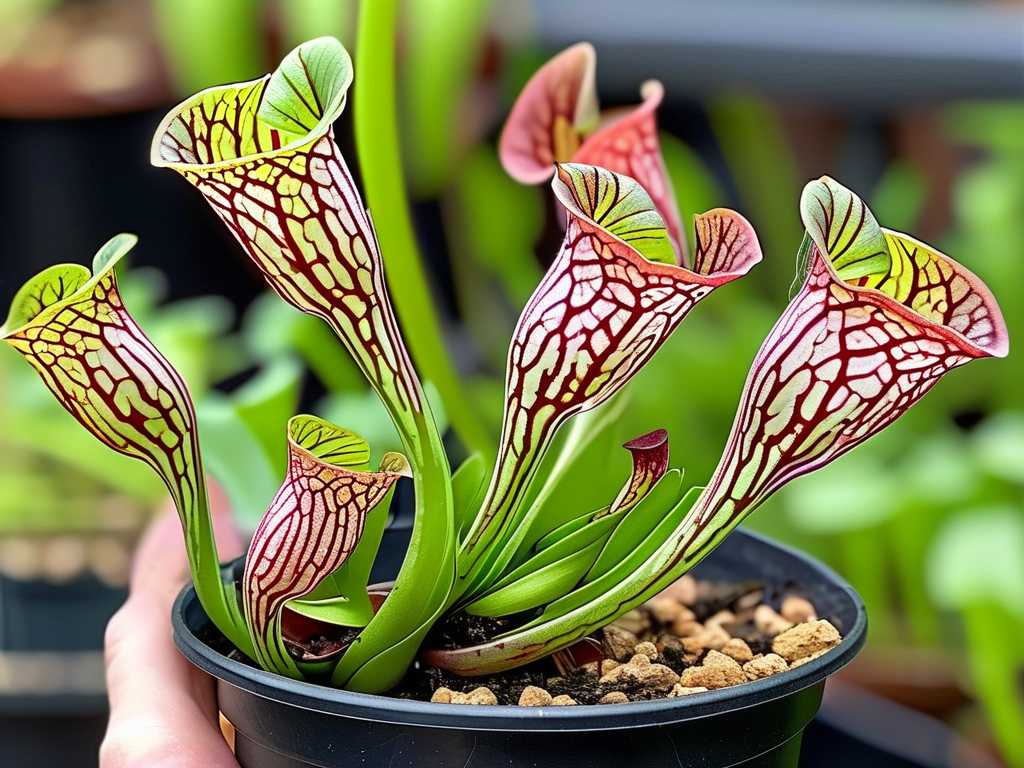
Growing these captivating carnivorous crosses is a deeply rewarding journey. It requires attention to detail—light, water, soil, and seasonal cycles—but the payoff is a spectacular, insect-catching display that thrives on your care. By understanding their lineage and applying these six focused tricks, you’re not just keeping a plant alive; you’re enabling a unique hybrid to express its full, breathtaking potential. Start with the soil and the light, be patient with the seasons, and you’ll be amazed at what grows.





