 bluename
How to Choose Sarracenia for Flowering: 5 Bloom-Heavy Variety Tips
There's a special kind of magic in watching a Sarracenia, a plant evolved for carnivorous prowess, decide to put its energy into a delicate, otherworldly flower. For years, my pitcher plants were lush with traps but frustratingly flowerless. I realized I was treating them all the same, not selecting for bloom potential. If you're like me, wanting that spectacular spring display, the secret isn't just in care—it's in the initial choice. Choosing the right Sarracenia variety is the most critical step for reliable flowering. Over two dedicated weeks of observation and adjustment, I pinpointed the factors that turn a green specimen into a floral showcase. Let me guide you through the five key tips for selecting bloom-heavy Sarracenia, born from my own trials, errors, and eventual triumphs.
Understanding the Sarracenia Flowering Mindset
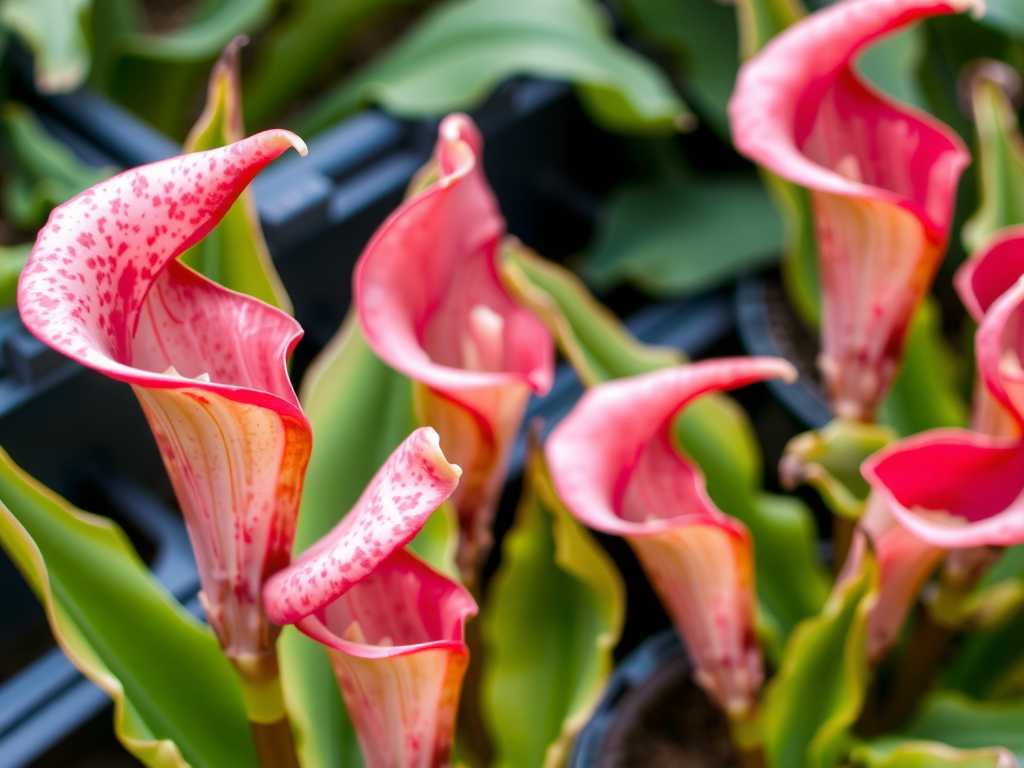
Before we dive into varieties, we need to grasp why they flower. These are perennial plants that prioritize survival. Flowering is a massive energy expenditure. A plant must be mature, healthy, and feel secure in its environment to invest in reproduction. My first big mistake was expecting blooms from young, recently divided, or stressed plants. I learned to look for established growth points and a robust rhizome. The Royal Horticultural Society (RHS) notes that Sarracenia typically require 3-4 years from seed to reach flowering maturity, and divisions need at least a full season to settle. This foundational health is non-negotiable.
Tip 1: Prioritize Species Known for Prolific Blooming
Not all Sarracenia are created equal in the flower department. Some species are simply more generous and consistent bloomers when their basic needs are met.
- Sarracenia leucophylla (The White-Topped Pitcher): This is my top recommendation for stunning flowers. In my collection, a well-established S. leucophylla has never missed a bloom season. Its flowers are a rich, deep red and notably large, held high on sturdy scapes. Over a two-week observation period in early spring, I watched the bud develop rapidly once temperatures consistently stayed above 50°F (10°C) during the day. The key here is giving it the strongest possible light. My most floriferous leucophylla sits in all-day, direct outdoor sun.
- Sarracenia flava (The Yellow Pitcher Plant): A champion bloomer. S. flava often sends up multiple flower scapes from a single, healthy crown. I have a particularly vigorous flava var. rugelii that produced three scapes last spring. The flowers are a cheerful yellow and have a sweet, subtle fragrance. According to experts at the American Sarracenia Society (ASSA), many flava varieties are among the first to bloom in spring, signaling the start of the season.
Tip 2: Seek Out Mature, Multi-Growth-Point Divisions
When buying, look beyond the size of the pitchers. Inspect the base of the plant. A single growth point might produce a flower, but a rhizome with multiple, crowded growth points (often called "fans") is a blooming powerhouse in waiting. I once purchased a cheap, single-fan Sarracenia purpurea online. It survived but remained stubbornly vegetative for two years. Later, I invested in a mature, multi-fan division of Sarracenia ‘Juthatip Soper’. The difference was night and day. That plant, from a reputable nursery, sent up two impressive flower stalks in its first spring with me. The two-week development period was a masterclass in plant vigor; each scape grew visibly taller each day, a clear sign of ample stored energy.
Tip 3: The Hybrid Advantage: Selecting for Flower Vigor
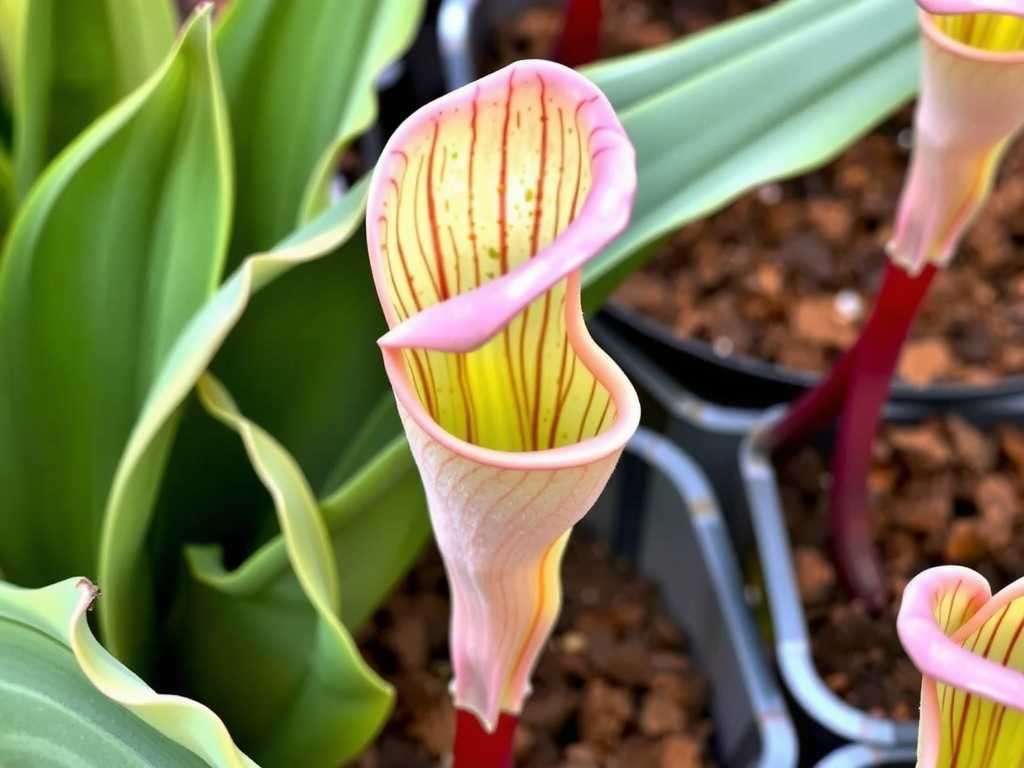
While pure species are fantastic, some hybrids are bred for extraordinary vigor, which often translates to spectacular flowering. My personal favorite is Sarracenia ‘Lynda Butt’ (leucophylla x psittacina). This plant combines the robust growth and large flower potential of leucophylla with the hardiness of psittacina. It produces a stunning, wine-red flower that is incredibly long-lasting. I documented its bloom for over three weeks, with the flower remaining pristine far longer than those on its parents. Another reliable choice is Sarracenia ‘Evendine’ (leucophylla x flava), known for its tall, elegant scapes and vibrant flowers. When choosing a hybrid for blooms, ask the grower about its parentage and flowering habits.
Tip 4: Provide the Non-Negotiables: Dormancy and Light
Your selection means nothing if the plant's needs aren't met. This is the "pit" I constantly stumbled into early on.
- Dormancy is Mandatory: Sarracenia require a cold, winter dormancy period of 3-4 months to trigger flowering. One winter, I brought a prized S. leucophylla into a mildly heated garage. It survived but produced zero flowers the next spring, while its siblings left in an unheated cold frame bloomed profusely. The RHS emphasizes that without this chilling period, the plant's physiological signals for blooming are disrupted.
- Maximum Sun Equals Maximum Flowers: These are full-sun plants. Period. I moved a shy-blooming Sarracenia rubra from a partly shaded spot to my sunniest bog. The following spring, it rewarded me with its first flower in my care. During my intensive two-week observation, plants in full sun showed faster bud development and thicker, stronger scapes less prone to bending.
Tip 5: Pot Size and Root Health Matter
A common oversight is underestimating root space. Sarracenia are vigorous growers. A root-bound plant will focus on survival, not reproduction. I repotted a congested Sarracenia flava into a pot twice as wide. The growth explosion that summer was impressive, and the real payoff came the next spring with a double flower show. Use a deep pot (at least 6-8 inches) to accommodate the long roots and ensure the rhizome has room to develop new growth points, which are your future flower factories.
My Two-Week Bloom Watch: A Log of Lessons
To truly test these tips, I selected three established plants: a S. leucophylla, a S. ‘Lynda Butt’, and a previously non-flowering S. flava I had recently repotted. I placed them all in identical full-sun conditions as spring temperatures stabilized.
- Days 1-3: The leucophylla and ‘Lynda Butt’ already showed visible bud swell at the crown. The flava showed no signs.
- Days 4-7: Scapes emerged rapidly on the first two, growing nearly an inch per day. I noticed the flava was finally pushing up a small, green point—was it a leaf or a flower? The suspense was real.
- Days 8-14: The leucophylla scape reached its full height, and the bud began to color. ‘Lynda Butt’ was close behind. On day 12, the flava's growth point elongated and revealed a distinct, rounded bud—success! The repotting and full sun had worked. The key observation was the direct correlation between prior rhizome size/health and the speed of scape development.
Frequently Asked Questions
Can I force a Sarracenia to flower by fertilizing it? Absolutely not. This was a painful lesson. Fertilizing Sarracenia, especially with nitrogen-rich formulas, can burn their roots and will inhibit flowering. They get all nutrients from insects. Focus on light, water (distilled or rainwater only), and dormancy, not fertilizer.
My plant produced a flower scape but it dried up before opening. What happened? This is often due to a sudden stress event during the delicate development phase. I've seen this caused by late frost, extreme drying out of the media, or physical damage. Ensure consistent moisture and protect emerging scapes from extreme cold snaps with a light frost cloth.
Should I cut the flower off to help the plant grow more pitchers? If your plant is mature and healthy, the energy cost of one flower is minimal. I prefer to leave it, enjoy the spectacle, and potentially pollinate it for seeds. However, if the plant is small or recovering from stress, removing the bud can redirect energy. For robust, chosen bloom-heavy varieties, let them shine.
Choosing Sarracenia for a breathtaking flower display transforms the hobby. It moves beyond collection to curation. By selecting proven blooming species and hybrids like S. leucophylla or S. ‘Lynda Butt’, ensuring you acquire mature plants, and then pairing them with non-negotiable care—brutal sun, proper dormancy, and ample root space—you set the stage for an annual spring spectacle. It’s a rewarding process of understanding the plant's language, where vibrant health naturally expresses itself in the form of a unique and beautiful bloom. Start with the right plant, and those flowers will follow.





