 bluename
How to Deploy Low-Watt Heat Mats Only for Cold-Stratified Germinating Sarracenia Seed Batches
I used to cook my Sarracenia seeds by leaving a heat mat plugged in 24/7 from day one. That single mistake cost me an entire batch of S. leucophylla seedlings. So here's the shortcut answer: you only run low-watt heat mats on Sarracenia seed batches after the cold-stratification period is completely finished and you're triggering germination. Before that, the mat stays unplugged. If you're stratifying in the fridge, the mat has no role at all until you pull the bags out. Get this timing wrong and you'll either delay germination or sterilize your seeds in damp paper towel. I've done both. Neither is fun.
Why Sarracenia Seeds Are Different From Your Average Houseplant Sow-Along
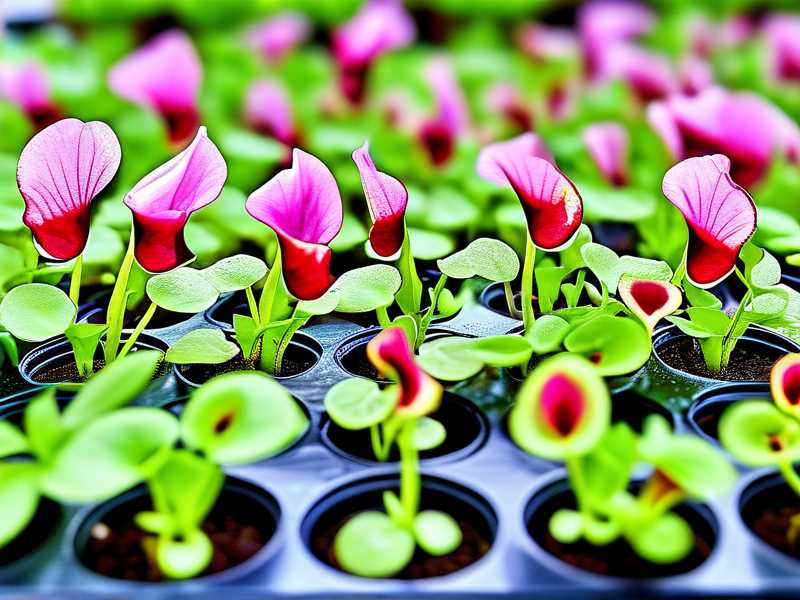
Sarracenia seed isn't like basil or marigold. Fresh seed has a built-in dormancy lock. In the wild, pods drop in late autumn, sit through freezing winters in boggy soil, and germinate when spring warmth hits. Skip that cold period and germination rates crash hard. Some growers report under 10% without stratification. With a proper 4–6 week cold treatment, I've personally seen 70–80% germination on fresh S. purpurea seed.
The RHS notes that many temperate carnivorous plants require a cold period to break dormancy, and Sarracenia is a textbook example. The AHS also stresses matching seed treatment to natural seasonal cues rather than forcing germination year-round.
Here's where people get confused. Heat mats are sold as "germination mats." So the assumption is: seeds + mat = sprouts. Wrong for Sarracenia. The mat only comes into play in the second phase, after cold stratification ends.
The Two-Phase System I Use Now
I run Sarracenia seed in two distinct phases. Phase one is cold and dark. Phase two is warm and bright. The heat mat belongs exclusively to phase two. Simple as that.
Phase One: Cold Stratification (No Heat Mat)
I mix fresh seed with slightly damp milled sphagnum or a 50/50 peat-perlite blend. Seal it in a labeled zip bag. Then into the fridge at roughly 35–40°F (2–4°C). Not the freezer. I learned that the hard way when a bag froze solid and the seed turned to mush.
Four to six weeks is my standard window. For stubborn species like S. flava, I sometimes push to eight weeks. Check bags weekly for mold. If you see fuzzy white patches, open the bag, pick out affected seeds, and re-bag with fresh damp moss.
No heat. No light. No mat. Patience only.
Phase Two: Germination Trigger (Heat Mat ON)
Once stratification ends, I sow the seed on the surface of a peat-based mix in shallow trays. Sarracenia seed needs light to germinate, so I do not bury it. Just press it gently into the surface.
Now the mat comes out.
I use a 17-watt, 10x20-inch seedling mat. Low wattage matters here. High-watt mats can push tray temps past 95°F, which stalls or kills germinating Sarracenia. My target is a steady 75–80°F at the soil surface. I check with an infrared thermometer, not my hand.
Set the mat under the tray, plug into a thermostat if you have one, and keep the medium consistently moist with distilled or rainwater. I mist from above twice daily until germination starts.
What I Observed Over 14 Days
Day 1–3: Nothing visible. Medium stays damp. Mat holds 77°F. Day 4–5: First radical emergence on S. purpurea. Tiny white root tips. Day 6–8: Green cotyledons appear. I move trays to bright light, still on the mat. Day 9–11: Germination rate climbing. Roughly half the cells show sprouts. Day 12–14: Most viable seed has germinated. I start tapering mat use.
By day 14, I unplug the mat during the day and only run it at night if ambient temps drop below 65°F. After week three, the mat comes off entirely. Seedlings don't need bottom heat once they're photosynthesizing.
Do not leave the mat running indefinitely. I killed a batch of S. minor seedlings by keeping the mat on for six weeks. The roots cooked. Learn from my mistake.
Three Beginner Mistakes That Wreck Sarracenia Seed Batches
Let me be blunt. Most failures I see in carnivorous plant forums come down to three things.
Mistake 1: Overwatering. Yes, Sarracenia likes wet feet. Seedlings do not like swamp conditions. Soggy medium plus bottom heat equals damping-off fungus overnight. I water from the tray below, never pour over the top, and let the surface dry just slightly between mistings. You'll hear this everywhere, but it's true: 90% of indoor plants die from overwatering, and Sarracenia seedlings are no exception when heat is involved.
Mistake 2: Light mismatch. Sarracenia seedlings need strong light, but not scorching midday sun through glass. I use a 6500K LED bar about six inches above the tray. Too little light gives you pale, stretched, leggy seedlings. Too much direct sun combined with a heat mat turns trays into mini ovens. I burned a tray of S. rubra seedlings this way. Lesson learned.
Mistake 3: Wrong container. I once sowed Sarracenia seed in a deep 4-inch pot sitting on a heat mat. The bottom stayed hot and wet; the top stayed cool and dry. Germination was patchy and slow. Shallow trays, 2–3 inches deep, distribute mat heat evenly. Use them.
Light, Water, and Medium for Germinating Sarracenia
Light: After germination, give 14–16 hours of bright, indirect light. A south-facing window works if you're in a cooler climate. Otherwise, LED shop lights at 6500K do the job. Keep the light close but monitor leaf color. Deep red tinges mean good light. Pale yellow means move the light closer.
Water: Distilled, rain, or RO only. Tap water minerals build up fast in shallow trays. I top-water with a spray bottle until germination, then switch to bottom-watering. Never let trays dry completely. Never let them sit in standing water for more than an hour during the heat-mat phase.
Medium: I use a 2:1 peat-to-perlite mix with a thin milled sphagnum topdressing. No fertilizer. Sarracenia seedlings burn easily. I've tried diluted MaxSea at 1/8 strength after eight weeks. It worked, but only after true pitchers formed. Before that, plain water is safer.
Frequently Asked Questions
Can I skip cold stratification if I use a heat mat?
No. The heat mat does not replace cold stratification. It only supports germination after stratification is complete. Skipping cold treatment drops germination rates dramatically, sometimes to near zero.
How long should I leave the heat mat on for Sarracenia seedlings?
Run it from sowing until most seed has germinated, usually 10–14 days. Then taper off over another week. After three weeks, remove the mat entirely. Continued bottom heat after germination invites root rot and weak growth.
What temperature should the heat mat maintain for Sarracenia germination?
Aim for 75–80°F at the soil surface. Anything above 85°F starts to harm germinating seed. Use a thermostat or infrared thermometer to verify. Don't guess by touch.
Final Thoughts From Someone Who's Killed More Seedlings Than I'd Like to Admit
Low-watt heat mats are a tool, not a default setting. For Sarracenia, they belong to one narrow window: after cold stratification, during germination, and only briefly after that. Match the mat to the phase, keep the wattage low, watch your moisture, and you'll get germination rates that make the fridge time worth it. I've been growing these plants for years now, and the two-phase routine is the only one that's given me consistent results. Give it a shot with your next batch.





