 bluename
How to Monitor Digital Temperature Sensors to Fix Extreme Greenhouse Swings Stressing Sarracenia
I used to think pitcher plants were tough. Then I watched a $60 Sarracenia purpurea nearly die in three days because my greenhouse hit 112°F at noon and dropped to 38°F the same night. That kind of swing stresses Sarracenia fast — pitchers go limp, rhizomes stall, and new growth turns brown at the tips. The fix wasn't more shade cloth or another tray of water. It was monitoring digital temperature sensors properly so I could actually see what the greenhouse was doing hour by hour.
If you're growing North American pitcher plants in a home greenhouse, sunroom, or even a cold frame, this is the routine I wish I'd started two years earlier. It takes about two weeks to dial in, and once you do, your Sarracenia will tell you the difference.
Why Sarracenia Freaks Out When Temps Swing
Sarracenia are native to bogs across the southeastern U.S. and parts of Canada. In the wild, bog soil and standing water buffer temperature changes. The air might swing 30 degrees, but the rhizome stays relatively stable.
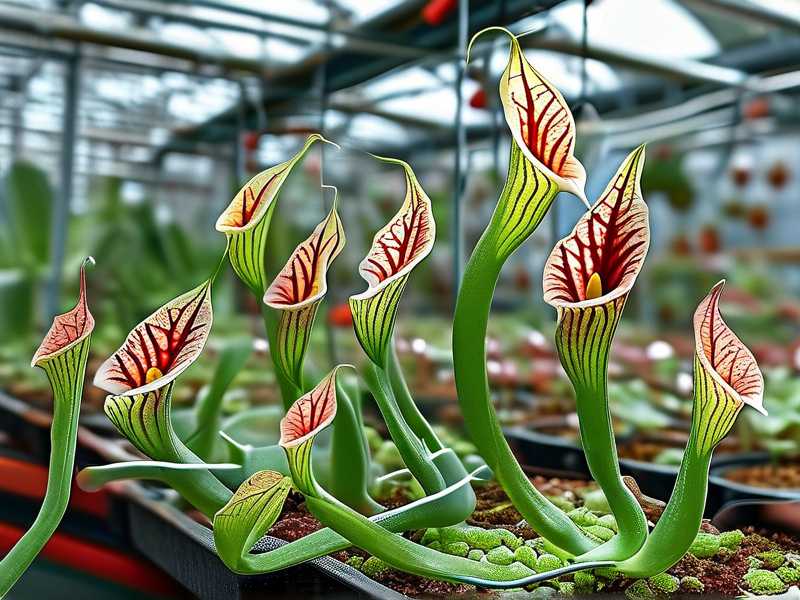
In a greenhouse, that buffer disappears around 3 p.m. Glass and polycarbonate trap heat. Then the sun drops, and all that stored heat vents out within an hour. According to the Royal Horticultural Society (RHS), pitcher plants in cultivation are far more vulnerable to rapid temperature shifts than most temperate perennials. The American Horticultural Society (AHS) notes similar concerns for bog plants grown outside their native range.
So what actually happens to a stressed Sarracenia?
- Pitchers soften and flop over
- The rhizome stops pushing new growth
- Fungal issues creep in at the crown
- Dormancy gets disrupted in fall and winter
Most of this happens before you notice anything visual. That's why sensors matter more than eyeballing.
Getting Started With Digital Temperature Sensors
You don't need lab equipment. I use three cheap digital sensors with min/max logging. Two sit at canopy level. One sits near the rhizome, about an inch above the soil.
Here's what I look for in a sensor:
- Min/max memory (so I can check overnight lows without waking up at 4 a.m.)
- Humidity reading (Sarracenia want 50–70% during active growth)
- A probe or cord so the sensor body stays dry
I tried a wireless Bluetooth unit first. It worked, but the range through greenhouse glazing was awful. Wired probes with a cheap display solved that.
Log your readings twice a day for the first two weeks. Morning and late afternoon. Write them down or screenshot them. You're building a baseline.
What Numbers Should You Actually Aim For?
Here's the range that worked for my Sarracenia after two weeks of tuning:
- Daytime: 75–85°F
- Nighttime: 55–65°F
- Maximum swing in 24 hours: under 30°F
Anything above 95°F during the day slows growth and risks rhizome damage. Anything below 40°F at night in summer is a sign your ventilation is overcorrecting.
I hit 108°F on day four of monitoring. That's when I realized my exhaust fan was kicking on at 95°F — way too late. By the time it moved air, the canopy had already cooked.
Fixing the Swings: What I Actually Changed
Ventilation Timing
I set the exhaust fan to trigger at 82°F instead of 95°F. That single change dropped my peak temps by 12 degrees.
Shade Cloth Placement
I moved my 40% shade cloth from the roof to the south wall. Roof shading trapped heat near the plants. Side shading blocked direct sun without cooking the air.
Thermal Mass
I added two black water barrels near the north wall. They absorb heat during the day and release it slowly overnight. My overnight low went from 42°F to 54°F in early fall.
Night Venting
In summer, I crack the roof vent at sunset for 30 minutes. That flushes trapped heat without dropping the rhizome temperature too fast.
After two weeks of logging, my 24-hour swing went from 58°F to 24°F. The Sarracenia responded within ten days — new pitchers straightened up and the rhizome pushed two fresh growth points.
Light and Sarracenia: What the Sensors Won't Tell You
Temperature and light are linked. When it's too hot, Sarracenia shut down photosynthesis. When light is too weak, they stretch and weaken.
Full sun is ideal — six or more hours of direct light during the growing season. In a greenhouse, diffuse light through polycarbonate is fine as long as intensity stays high.
Signs of too much light combined with heat:
- Scorched patches on pitcher tops
- Red coloration turning brown instead of deep maroon
Signs of too little light:
- Pale, elongated pitchers
- No color development on species like S. leucophylla
I run a simple PAR meter once a month. It's not mandatory, but it stopped me from guessing after I moved a tray for "more shade" and accidentally dropped light below useful levels.
Watering Sarracenia Without Drowning the Rhizome
I'll say it plainly: 90% of indoor plants die from overwatering. Sarracenia are bog plants, but that doesn't mean sitting in stagnant, anaerobic water year-round.
My rule: keep the tray flooded during active growth, then let it dry slightly between refills. In winter, barely damp — not wet.
I use rainwater or distilled. Tap water in my area runs 220 ppm, and mineral buildup burned pitcher tips within a month the first time I tried it.
Digital sensors help here too. I use a cheap soil moisture probe near the rhizome. If it reads saturated for more than five days straight, I dump the tray and let it breathe.
Soil, Pots, and the Repotting Mistake I Made
My first Sarracenia went into standard potting mix. It rotted in three weeks.
The right mix is simple:
- 1 part peat moss
- 1 part perlite
- 1 part coarse sand
No fertilizer. No compost. No miracle mixtures.
Pots should be tall — at least 6 inches deep — so the rhizome sits above the waterline. Plastic or glazed ceramic works. Terracotta dries too fast in a greenhouse.
Repot every two to three years in late winter, just before new growth starts. I split rhizomes at that time and reset them at the same depth.
Fertilizing Sarracenia: Less Than You Think
Sarracenia are light feeders. I use a diluted liquid fertilizer at quarter strength, once a month during active growth.
Never fertilize:
- In winter
- When the plant is stressed from heat
- Right after repotting
I burned a whole tray of seedlings by fertilizing at full strength in July. Learned that lesson the hard way. Now I mix one-quarter teaspoon per gallon and apply only to the soil, never the pitchers.
Seasonal Care With Sensor Data
Spring
Watch for overnight lows below 40°F. I keep a small heater on a thermostat set to 45°F until mid-May. Sensors tell me when it's safe to remove it.
Summer
This is where sensors earn their keep. Log temps at 2 p.m. daily. If you're consistently over 90°F, add shade, vent earlier, or both.
Fall
Start reducing water as daylight shortens. I stop fertilizing in September. Sensors help me catch the first frost warning before it hits the rhizome.
Winter
Sarracenia need dormancy. I keep mine between 35–50°F for 10–12 weeks. Sensors alert me if the greenhouse dips below freezing for more than a few hours.
Three Mistakes That Kill Sarracenia Fast
- Overwatering — constant saturation rots the rhizome
- Wrong light — too little causes weak growth, too much plus heat causes scorch
- Wrong pot — shallow pots let the rhizome sit in water
I killed three pitcher plants before I figured out the third one. Shallow terracotta saucers were the culprit.
Pest and Disease Watch
Aphids show up in spring. I spray them off with water and treat with insecticidal soap if needed.
Fungal crown rot is the bigger threat, especially with poor airflow and wet crowns. Sensors that track humidity help here — if humidity stays above 80% for days, I increase ventilation.
Yellowing leaves usually mean mineral buildup or soggy roots. Brown, crispy tips usually mean low humidity or fertilizer burn.
FAQ
How often should I check my digital sensor readings? Twice daily for the first two weeks, then once a day after that. Morning and late afternoon cover the biggest swings.
Do I really need three sensors? Two is enough for most home greenhouses — one at canopy level, one near the rhizome. A third helps if your greenhouse has hot and cool zones.
Will sensors alone fix my temperature swings? No. They show you the problem. You still need ventilation, shade, and thermal mass to correct it. But without data, you're guessing.
Once I started logging my greenhouse temps properly, my Sarracenia stopped dying back every August. Two weeks of data changed everything. If your pitchers are flopping and your rhizomes look stalled, grab a cheap digital sensor and start writing things down. Your plants will thank you.





