 bluename
How to Use Stone Edging to Stop Bog Soil Erosion and Expose Shallow Sarracenia Rhizome Crowns
If you're growing Sarracenia in a bog garden and your soil keeps washing away while the rhizome crowns rot under the muck, stone edging is the fix I wish I'd known about years ago. I'm writing this as a home gardener who has killed more pitcher plants than I care to admit—mostly by letting bog soil erode and bury the crowns. The core answer is simple: ring your bog bed with stacked stone edging set slightly above soil level, backfill with a fast-draining, low-nutrient mix, and let the rhizome crowns sit just at or barely above the surface so they breathe. In the next sections I'll walk you through exactly how I did it, what I observed over a full two weeks, and the mistakes that cost me three plants before I figured it out.
Why Sarracenia Rhizomes Hate Being Buried
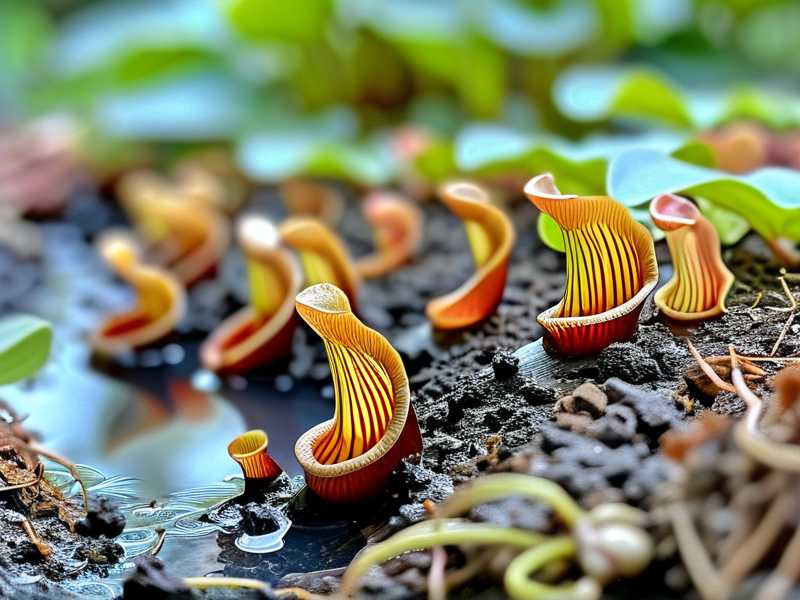
Sarracenia are bog plants, but that doesn't mean they want to drown. Their rhizomes are thick, horizontal stems that creep along the soil surface. The crowns—where new pitchers emerge—need air exchange. When bog soil erodes, it often piles up against the crowns and smothers them. That's how rot starts.
The Royal Horticultural Society notes that Sarracenia thrive in consistently moist but oxygenated conditions, and that stagnant, compacted media is a death sentence. I learned this the hard way. My first bog bed looked fine on the surface, but underneath, the soil had slumped and buried every crown. By the time I noticed, the rhizomes were mushy and smelled like a swamp in the worst way.
Stone edging solves two problems at once. It stops soil from washing or slumping away, and it gives you a physical rim you can use to keep the crown zone slightly elevated. That elevation is everything.
The Stone Edging Method I Actually Use
I'm not talking about decorative garden borders you buy in a bag. I mean real stone edging—granite setts, sandstone blocks, or even broken concrete pavers. Something heavy enough to hold back wet soil.
Here's my step-by-step process. I dug a trench about 4 inches deep around the perimeter of my bog bed. I set the stones so roughly 2 inches sat above the original soil line. I packed them tight with no gaps wider than a pencil. Then I backfilled behind the stones with a mix of 60% peat moss, 30% perlite, and 10% coarse sand.
That perlite is non-negotiable. It keeps the mix airy. Without it, peat compacts and the crowns sink. I also angled the soil slightly toward the center of the bed so water pools in the middle, not against the crowns.
After planting, I gently firmed the rhizomes so the crowns sat just at the surface. Not buried. Not floating. Think of a turtle basking on a rock—the crown should be visible, with roots anchoring it down.
Two Weeks of Watching: What Changed
I checked my bog bed every morning for fourteen days. Here's what I saw.
By day three, the soil behind the stone edging had settled but hadn't eroded. The stones held everything in place.
By day seven, I noticed new growth—tiny pitcher buds pushing up from crowns that had been half-buried before. That was the moment I knew the elevation was working.
By day twelve, the difference was obvious. The exposed crowns had turned a healthy reddish-green. The buried ones I hadn't fixed yet were still soft and pale.
By day fourteen, two rhizomes that I'd almost given up on produced new shoots. I'm not exaggerating when I say stone edging saved that bed.
One thing I didn't expect: the stones themselves stayed cooler and wetter than the surrounding soil, which seemed to moderate temperature swings. That's a bonus in hot climates.
Lighting: More Sun Than You Think
Sarracenia want full sun. Six to eight hours minimum. In the UK and Pacific Northwest, that means the sunniest spot you have. In Australia and the southern US, you might need afternoon shade to prevent scorching, but morning sun is non-negotiable.
I tried growing one in part shade once. The pitchers got leggy, floppy, and dull. No color. No vigor. It survived but looked pathetic. Full sun produces those vivid reds and greens you see in photos.
If your crowns are newly exposed, watch for sunscald. I lost one crown to sudden exposure after I moved a stone and uncovered it on a 95°F day. Acclimatize them gradually—partial shade for a week, then full sun.
Watering: Wet Roots, Dry Crowns
This is the golden rule. Sarracenia roots want to be wet. Crowns want to be dry.
I water from the top of the bog bed, not directly on the crowns. I use a watering can with a rose attachment so the stream is gentle. During summer, I water every other day. In winter, maybe once a week if we haven't had rain.
Never let the soil dry out completely. But never let water sit stagnant against the crown either. That's how you get rhizome rot.
The stone edging helps here too. I can fill the bed until water just reaches the base of the stones, and the crowns stay above the waterline. If you see water pooling around the crown, you've overdone it. Back off.
Soil Mix: Keep It Lean and Airy
Sarracenia evolved in nutrient-poor bogs. Rich potting soil kills them.
My mix: 2 parts peat moss, 1 part perlite, 1 part coarse sand. That's it. No compost. No fertilizer mixed in. No miracle grow.
I made the mistake early on of using standard potting mix. The plants yellowed, then browned, then died. The soil was too rich and too dense. It held water like a sponge and suffocated the roots.
Repot every two to three years. When the rhizome starts creeping over the edge of the pot or the soil surface, it's time. I do this in early spring just as growth resumes.
Fertilizing: Less Is More
I feed my Sarracenia maybe twice a year. That's it.
I use a diluted orchid fertilizer—quarter strength—poured into the soil, never on the leaves or into the pitchers. I do this in late spring and midsummer.
Do not fertilize in winter. Do not fertilize newly repotted plants for at least a month. Do not use slow-release pellets. I tried that once and burned every pitcher to a crisp.
The pitchers catch their own insects anyway. Outdoors, they're self-sufficient. Indoors, you might need to hand-feed a fly or two, but that's a topic for another day.
Seasonal Care: What I Do Each Season
Spring
This is when I clean up. I cut back all the dead pitchers from last year—brown, crispy, hollow. I leave about an inch of stubble. I check the crowns. If any are buried, I gently lift them with a spoon and reset them at surface level.
I repot if needed. I divide crowded rhizomes. I top-dress with fresh peat and perlite. I start watering more frequently as growth kicks in.
Summer
I watch for heat stress. If temps exceed 95°F for days in a row, I move pots to afternoon shade. I keep the bog bed flooded to the stone line. I check for pests—aphids love new pitcher tips. I squish them with my fingers or blast them with water.
I do not fertilize in the heat of summer. I do not let the bed dry out.
Autumn
Growth slows. I stop fertilizing. I reduce watering slightly but never let the soil dry. I remove any pitchers that have turned brown. I leave the healthy green ones—they'll photosynthesize as long as light allows.
I check the stone edging. If any stones have shifted, I reset them before winter freezes.
Winter
Sarracenia need a dormancy period. In cold climates, they die back to the rhizome. I mulch the crowns with pine needles or straw—about 2 inches. I keep the soil barely moist, not wet.
In USDA zone 6 and colder, I move pots into an unheated garage or shed. In the UK and mild parts of Australia, they can stay outside year-round.
Do not fertilize in winter. Do not water heavily. Do not bring them into a warm living room—that breaks dormancy and weakens the plant.
Three Mistakes That Kill Sarracenia
Overwatering
90% of indoor plants die from overwatering, and Sarracenia are no exception. Wet roots are fine. Soggy, stagnant, crown-deep water is not. I killed my second pitcher plant by keeping it in a saucer of standing water with the crown submerged. It rotted in ten days.
Lighting Errors
Too little light makes them weak. Too much sudden light scorches them. I've done both. The fix is gradual acclimation and a south-facing spot.
Wrong Pots
I tried growing Sarracenia in a glazed ceramic pot once. It held moisture too long and had no drainage. The rhizome rotted within a month. Use plastic or terracotta with plenty of drainage holes. Or better yet, plant them in a bog bed with stone edging.
Frequently Asked Questions
Can I use any type of stone for edging?
Avoid limestone or anything that leaches alkaline minerals. Sarracenia want acidic soil. Granite, sandstone, and slate are safe. I use granite setts from a local quarry.
How often should I check the crown exposure?
Monthly during growing season. After heavy rain, check for soil splash. If soil has washed over the crown, brush it back and reset the stone if needed.
What if my rhizome is already buried and soft?
Lift it gently. Cut away any mushy parts with clean scissors. Let the cut surface dry for a day. Replant with the crown exposed. Water sparingly until new growth appears. I've saved two rhizomes this way.
Final Thoughts
Stone edging isn't just decorative. It's a functional tool that stops erosion, keeps crowns exposed, and mimics the natural bog conditions Sarracenia evolved in. I wish I'd done this from day one. If you're losing pitcher plants to rot or soil slump, try this method. Give it two weeks. Watch the crowns. You'll see the difference.





