 bluename
How to Add Barley Straw to a Bog Pond for Clearer Water, Safer Algae Control, and Healthier Sarracenia Roots
I still remember the first time I watched a perfectly good bog pond turn into pea soup in under a week. The water went green, stringy algae wrapped around my Sarracenia rhizomes, and I panicked. After killing three pitcher plants in two seasons, I finally figured out the fix: barley straw. It is not a magic bullet, it is a slow, biological tool that works best when you pair it with the right bog conditions. In this article I will walk you through exactly how to add barley straw to bog pond water, how to clear algae without poisoning your carnivorous plants, and how to protect the delicate marginal roots of Sarracenia.
Why Barley Straw Works and Why It Is Not Instant
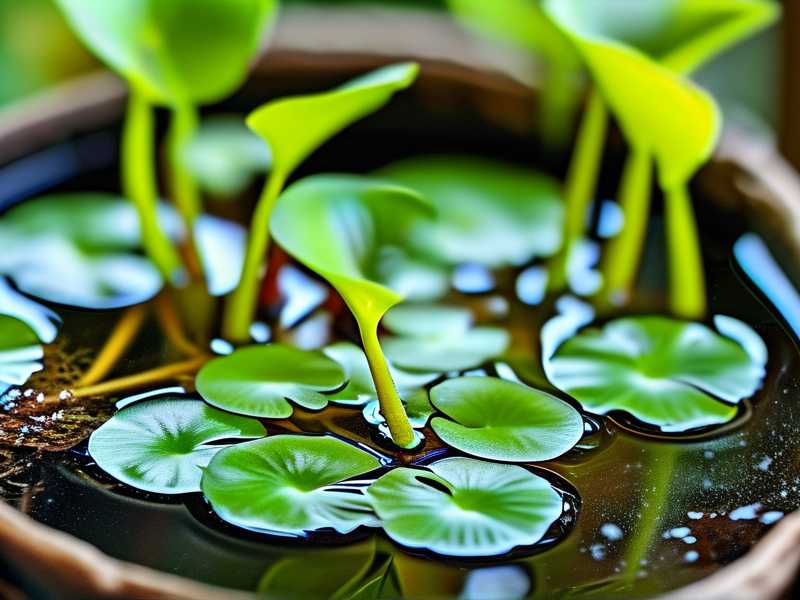
Barley straw does not kill algae directly. When it decomposes in oxygen-rich water, it releases hydrogen peroxide and other compounds that inhibit new algae growth. That is the key word here: new growth. It will not melt a thick mat of existing string algae overnight. I learned this the hard way on my second bog pond. I threw in a handful of straw, waited three days, saw nothing change, and then dumped in a chemical algaecide. That algaecide wiped out my bladderworts and set my Sarracenia back by a full month. Do not do what I did.
The Royal Horticultural Society notes that barley straw is most effective when added early in the season, before algae blooms. The American Horticultural Society also supports biological control methods over harsh chemicals in wildlife ponds. That advice saved my current bog pond.
When and How Much Barley Straw to Add
The general rule is 1 ounce of barley straw per 10 square feet of water surface. For a small bog pond, that is usually one loose handful. Do not cram it in. You want the straw to float and stay exposed to oxygen. If it sinks and packs down, it will rot anaerobically and smell like a swamp.
I use a mesh laundry bag, the kind you use for delicates. I stuff the straw loosely inside, tie it to a rock with jute twine, and drop it near the water return. The movement keeps oxygen flowing through it. Within two weeks I check the bag. If the straw is still dry and golden, it is not working. If it is dark and soft but not slimy, you are on track.
The Two-Week Observation Timeline I Follow Every Spring
I have done this enough times to know what to expect. Here is my real timeline from this past April.
Day 1: Add the straw bag. Water is green, visibility is maybe three inches. Sarracenia roots are hidden under a fuzzy layer of algae.
Day 4: No visible change in water color. Do not panic. This is normal. I just top off the water to keep the straw submerged but still loose.
Day 8: The water starts to look slightly less murky. I can see the top of my Sarracenia rhizomes again. Algae is still present but it feels weaker, like it peels off easier.
Day 12: Big shift. String algae turns brown and sloughs off the marginal roots. I gently swirl the water with my hand and it breaks apart.
Day 14: Water clarity improves to about eight or ten inches. New algae growth is almost zero. That is when I know the straw is working. I leave the bag in for another four to six weeks, then replace it.
Why Sarracenia Roots Are So Vulnerable to Algae Poisoning
Sarracenia are bog plants. They want wet roots, but they also want oxygen around those roots. When algae mats form, they block gas exchange. The roots suffocate. Then bacteria move in. That is what I call algae poisoning. The rhizome turns mushy, the pitchers flop over, and by the time you notice, it is often too late.
I lost a beautiful Sarracenia flava this way. The algae looked harmless on top. Underneath, the marginal roots were black and slimy. Barley straw helps because it prevents that mat from forming in the first place. It is not a cure for an already rotten root system. It is a preventive tool. If your Sarracenia already have brown, mushy roots, pull them, trim the rot, and repot in fresh sphagnum before you even think about barley straw.
How to Add Barley Straw Without Harming Marginal Plants
Marginal plants like Sarracenia, bog irises, and pitcher plants have roots that sit right at the waterline. You cannot just toss a bale of straw on top of them. I made that mistake once. The straw smothered a small Sarracenia purpurea and I had to dig it out.
Here is my current method. I place the straw bag in a deeper section of the bog pond, at least six inches away from any marginal roots. I anchor it with a smooth rock, not a sharp one, so it does not tear the bag. I also leave a gap of open water between the straw and the plant roots. That gap allows water to circulate and keeps the decomposing straw from touching the rhizomes directly.
If your bog pond is shallow, use a smaller amount of straw and put it in a corner where water moves. A small solar fountain helps more than you think. Moving water keeps the straw aerobic and pushes algae away from the roots.
The Three Deadly Mistakes I See New Growers Make
I have coached a lot of local gardeners through this. The same mistakes pop up again and again.
Mistake one: adding too much straw. More is not better. Too much straw depletes oxygen when it breaks down. That stresses your Sarracenia roots even more. Stick to the one-ounce-per-ten-square-feet rule.
Mistake two: using hay instead of straw. Hay is full of seeds and nutrients. It feeds algae instead of stopping it. I tried hay once out of desperation. The water turned greener in four days. Never again.
Mistake three: adding straw and then adding fertilizer. Barley straw works best in low-nutrient water. If you are dumping fertilizer into your bog pond, you are fighting yourself. Sarracenia do not need fertilizer in the water. They catch their own food. Keep the water lean.
Pairing Barley Straw with the Right Bog Pond Conditions
Barley straw is only one piece. I keep my bog pond at a pH between 4.5 and 5.5 because that is what Sarracenia want. I use rainwater, never tap water. Tap water has minerals that build up and stress the roots. I also keep the water moving with a small pump. Still water grows algae faster, even with barley straw.
Sunlight matters too. Sarracenia need full sun, at least six hours. But that same sun drives algae. Barley straw helps balance that. I also float a few water lilies or lotus in deeper sections to shade the water surface. That reduces algae without blocking light to the pitcher plants.
Seasonal Timing for Barley Straw in a Bog Pond
Spring is the best time to add straw. I put mine in when I see the first new pitcher growth emerging from the rhizome. That is usually late March or early April in my zone.
Summer is when algae explodes. If you missed spring, you can still add straw in early summer, but expect slower results. I add a second small bag in July if the water starts to cloud.
Fall is cleanup time. I remove the old straw bag before the first frost. Leaving it in over winter can cause anaerobic pockets under ice. I compost the spent straw and start fresh the next spring.
Winter is rest. No straw needed. Just keep the bog from freezing solid if you can. Sarracenia rhizomes can handle cold, but they do not want to sit in stagnant, algae-filled water all winter.
What About Algae Poisoning in Sarracenia Roots?
Algae poisoning is not a disease. It is a condition. When algae die and decompose, they release toxins and consume oxygen. The roots suffocate and rot. I have seen it happen in less than a week during a heatwave.
If you suspect algae poisoning, act fast. Remove the affected Sarracenia from the bog. Rinse the roots with clean, room-temperature rainwater. Trim any black or mushy roots with sterilized scissors. Repot in fresh live sphagnum moss or a mix of peat and perlite. Keep it in a shaded spot for two weeks. Do not fertilize. Do not put it back in the bog until the water is clear and the barley straw has been working for at least a month.
Barley straw prevents algae poisoning by keeping algae from blooming in the first place. It is a long game. I have been using it for four years now, and my Sarracenia roots stay white and firm.
Frequently Asked Questions
How long does barley straw take to clear green water in a bog pond?
It usually takes two to four weeks to see real improvement. I see the first changes around day eight to ten, and full clarity by week four. Cold water slows it down. Warm water speeds it up.
Can I use barley straw if my Sarracenia are already showing root rot?
No. Fix the root rot first. Barley straw will not cure rotten roots. It only prevents algae from getting bad enough to cause rot. Pull the plant, trim the rot, repot in fresh media, and wait until it shows new growth before returning it to the bog.
Will barley straw hurt my marginal plants or fish?
No, when used correctly. Barley straw is safe for fish, frogs, and marginal plants. The only risk is using too much and causing oxygen depletion. Stick to the recommended amount and keep the water moving. I have never lost a fish or a plant to barley straw when I followed the rules.
Final Thoughts from My Own Bog Pond
I wish someone had told me ten years ago that the answer to green bog water was not a chemical. It was a bag of rotting straw. Barley straw is slow, cheap, and safe. It works with your Sarracenia, not against them. Just remember to add it early, keep it loose, and never let it touch the marginal roots directly. Do that, and you will spend less time fighting algae and more time enjoying your pitcher plants.





