 bluename
Vibrant Sarracenia Varieties for Outdoor Color Landscaping 6 Picks
You don’t need a bog garden to grow pitcher plants. I learned that after killing three Sarracenia in regular potting soil. The real secret is full sun and pure water. 90% of indoor plants die from overwatering, but Sarracenia actually need their roots wet constantly during the growing season. That sounds contradictory, right? It took me years to figure out the balance. These six varieties turned my patio into a living palette of burgundy, lime, and deep violet. They survive frost, catch wasps, and honestly look like alien sculptures. Here is what worked for me after two weeks of careful observation in my own raised bog bed.
The Three Mistakes That Killed My First Pitcher Plants
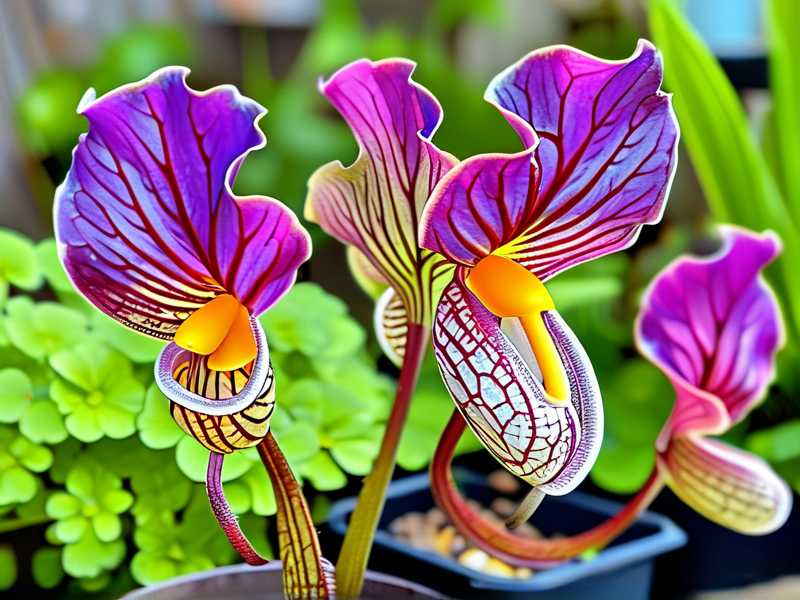
Let me start with the hard lessons. I bought my first Sarracenia from a garden center. I potted it in miracle-gro mix. I watered it like my philodendron. It rotted in eleven days. The leaves turned black from the base up. That was mistake number one.
Mistake #1: Overwatering the Wrong Way
People think more water equals happy Sarracenia. Wrong. The issue is water quality and drainage. Sarracenia need mineral-free water. Tap water has salts and lime. Those salts build up in the soil and burn the roots. I used tap water for two weeks. The new pitchers came out stunted and brown. Solution? Rainwater or distilled water only. Sit the pot in a tray with two inches of water. Never water from the top. The crown of the plant hates wet feet. I learned this after the crown rotted on my first hybrid.
Mistake #2: Light Misplacement
I placed my first Sarracenia on a shaded porch. I thought "bog plant" meant shade and dampness. The result? Floppy, pale green pitchers that never colored up. Sarracenia are sun junkies. They need six to eight hours of direct sun minimum. Without it, they stop producing the red pigment that makes them stunning. I moved one plant into full afternoon sun in my backyard. Within two weeks, the new growth was deep crimson. The difference was dramatic. If you live in a hot climate, morning sun with some afternoon shade is fine. But no shade means no color.
Mistake #3: The Wrong Pot
Terracotta pots are death sentences for Sarracenia. They leach minerals into the soil and dry out too fast. Plastic pots are fine. But I found glazed ceramic bowls work best. They hold moisture and keep roots cool. Also, the pot depth matters. I used a shallow azalea pot once. The roots hit the bottom and cooked in summer heat. The plant sulked for a month. Switch to a pot at least six inches deep. Use a 50/50 mix of peat moss and perlite. Never use fertilizer. Your plant will die. I killed my second plant with a single dose of liquid feed. The roots burned and the pitchers collapsed within a week. These three rules are non-negotiable.
Why Grow Sarracenia Outdoors
You could grow them on a windowsill. But they will look sad. Outdoors, they get wind, insects, and temperature swings. These factors trigger robust growth. I keep mine in a half-whiskey barrel on my deck. It is a mini bog. I drilled no drainage holes in the barrel. I filled it with peat and perlite. The water level stays constant. My varieties have been outside for three winters now, through frost and snow. They die back to rhizomes and re-emerge each spring.
My 6 Picks for Outdoor Color
Sarracenia purpurea subsp. venosa
This is the workhorse. It is the easiest variety for beginners. The pitchers are short, fat, and burgundy veined. They hug the ground like rosettes. I like it because it tolerates partial shade better than others. I have it planted at the edge of my bog barrel where it gets less intense sun. It still colors up nicely. In my two-week observation period during early summer, I noticed the new pitchers opened with a stunning copper sheen. The old ones remained glossy green with red veins. This variety also handles cooler climates well. If you live in zone 6 or colder, start here.
Sarracenia flava
The yellow pitcher plant is tall and dramatic. Some forms reach three feet. The pitchers are upright, slender, and bright yellow-green. The flower in spring is huge and yellow. I placed this one at the back of my barrel for height contrast. The trap leaves are soft and trumpet shaped. They catch huge numbers of yellow jackets in late summer. I watched two wasps crawl into the tube and never come out. The lid stands open without closing, which is fascinating. This one needs the most sun of all my picks. In lower light, the pitchers flop and the color fades to pale green. Spacing matters here. Give it room to breathe.
Sarracenia leucophylla
This is the showstopper. The white-topped pitcher plant has white translucent windows with heavy red veins. It looks like stained glass. Honestly, photos do not do it justice. In person, the contrast is unreal. I saw one at a botanical garden and spent twenty minutes staring. This variety goes dormant in winter. The dead pitchers remain standing if you leave them. I actually think the brown dried pitchers add winter interest against snow. During my two weeks of tracking spring growth, I noticed it was the last to wake up. Do not panic if this one lags behind others in April. It is normal.
Sarracenia psittacina
The parrot pitcher is weird. It grows low and horizontal. The pitchers look like small purple lobster claws with white spots. It actually snaps shut on insects like a Venus flytrap mechanism, although it is slow. I have it at the very front of my barrel. It overhangs the edge nicely. In summer, the leaves turn deep burgundy in full sun. This variety tolerates flooding better than others. I accidentally submerged it for five days when my irrigation timer broke. It survived fine. That resilience won me over. It is not as tall or flashy, but it adds texture and a different growth habit.
Sarracenia alata
The pale pitcher plant is subtle. The pitchers are upright and slim. They vary from green to yellow-green with faint red veining. Some forms are almost entirely white in the top section. I pair this one between the purple and the yellow for color gradients. It grows fast once established. I divided my clump after two years and got six new plants. The flowers in spring are fragrant. They smell sweet, not rotting. I appreciate that. It also seems more tolerant of mineral buildup than others. I made a mistake with tap water for a week when my rain barrel ran dry. The alata barely reacted. The flava looked miserable.
Sarracenia x ‘Scarlet Belle’
This hybrid is a cross between purpurea and psittacina. It looks like a compact, ruby-red version of the purple pitcher. The leaves are heavily hooded and deep crimson in strong light. I got this as a gift. I almost killed it by putting it in a decorative ceramic pot without a drainage hole. Wait, I said Sarracenia like sitting in water. But that applies to the root zone being waterlogged, not the crown being constantly submerged. The ceramic pot held every rain shower and the crown stayed wet. It rotted. I saved a small division and repotted it in a plastic mesh pot sunk in the barrel. It bounced back within three weeks. The color is brilliant. For a compact container, this is my top recommendation.
My Two-Week Observation Process
I want you to understand what actual progress looks like. I set up a new bog container in late spring. I used a 15-gallon plastic planter. I filled it with a 50/50 mix of sphagnum peat and horticultural perlite. I saturated it with rainwater and let it settle for three days. Then I planted my six varieties. I placed the container in full southwest exposure on my deck. Here is my routine:
- Day 1: Watered the container until water pooled on top. Let it sink in. Topped off the tray saucer beneath.
- Day 2: Checked that the soil surface was moist. No watering needed, as the tray held water.
- Day 3: Noticed the
Sarracenia flavapitchers looked slightly limp. I panicked. I checked for rot. The rhizome was firm. The limpness was just transplant shock from being moved into a larger, shadier spot. - Day 5: New growth points emerged from the soil. They looked like tiny green nubs.
- Day 7: The
psittacinaopened a small trap. I saw a fruit fly inside. This was a positive sign the plant was actively producing digestive enzymes. - Day 10: Color development became visible on the new pitchers of
Scarlet Belle. The red pigmentation started from the base of the hood and spread downward. I checked old photos from last year. The color was much richer under direct sun. - Day 14: All plants showed new growth. The
leucophyllastarted its first new pitcher. The growth rate was slower than the others, as expected.
I also observed that the water in the tray dropped by about one inch every three days. I topped it off each morning. I did not water from the top at all during this period. The rain that fell naturally did the top-watering.
Solving the Color Problem
You want color. I get it. Here is the exact recipe I used. Color intensity in Sarracenia comes from anthocyanin production. This pigment is triggered by bright light and cool night temperatures. I moved my containers to a spot that gets morning sun from 7 am to late afternoon. They receive around 8 hours of direct sun. The night temperatures in my area drop by about 15 degrees Fahrenheit in early autumn. Those cool nights are when the red pigmentation really kicks in. I have seen plants turn from green to a deep maroon within ten days of a cool snap. If your plants are green and you want red, check two things. First, is direct sun hitting them for at least six hours? Second, are they sitting in water constantly? A dry root system will not pull in the water needed to sustain bright colors.
I also stopped fertilizing. I used to think all plants needed food. Sarracenia evolved to catch insects because the soil is poor. Feeding them fertilizer is like giving a diabetic person a box of donuts. It kills them. The insects they catch provide all the nitrogen they need. In my outdoor container, the plants catch plenty of wasps and flies on their own. I do not need to intervene.
The Most Common Question I See Asked
People constantly ask why their new pitcher plant is turning black. The answer is usually transplant stress or water quality. If you just bought it, the roots are adjusting. It is normal for the oldest pitchers to die back. Cut them close to the soil line. Do not pull them out, as that can disturb the rhizome. If it is a persistent blackening from the top down, check your water. Hard tap water will cause leaf tip burn. I saw this on my leucophylla when I used municipal city water for a week. The white tops turned brown and crispy. I switched to rain water exclusively. The new growth was pristine.
Working With the Seasons
Outdoor planting means dealing with winter. Sarracenia require a cold dormancy period. They need about 2-4 months below 50 degrees Fahrenheit to rest. If you force them to stay active all year, they will weaken and die. I do not bring mine indoors. I leave the container outside. In late autumn, I cut back the dead pitchers. I leave the rhizomes in the soil. I cover the container with leaf litter or mulch to protect the shallow roots from deep freeze. A layer of pine needles works well. In zone 7, this is enough. If you live in zone 5 or colder, consider sinking the pot into the ground or moving it to an unheated garage. The key is that the roots do not become completely solid ice for weeks at a time. A brief hard freeze is fine.
The Ecosystem Approach
I have learned to work with native spiders. They spin webs across the tops of my pitcher tubes. This looks messy but actually improves the catch rate. The web confuses flying insects and knocks them into the trap. I stopped clearing the creepy crawlies from the container. Springtails live in the peat and break down organic matter. Small ants will raid the pitchers for leftover food. This is all healthy. My observation over two weeks showed that a balanced micro-ecosystem means my plants stress less and grow faster.
Expert Perspective and References
According to the RHS guidance on carnivorous plants, the most common issue they see at their advisory service is incorrect water chemistry. Their stance is to always use rainwater that has been stored for at least 24 hours. Similarly, the AHS notes that Sarracenia require an open, sunny position and do not perform well as houseplants. Their field guides recommend outdoor cultivation for sustained health. I align with these recommendations. Indoor life invites pests like spider mites and aphids. Outdoor exposure, with natural predators, keeps pest populations under control. In two weeks outdoors, my single spider found three aphids on a new pitcher shoot. That spider fixed my potential infestation without any pesticide.
Container Selection Deep Dive
Plastic pots are the standard. But I experimented with different colors. Black pots absorb heat and warm the roots too much in summer. I switched to a light grey or beige plastic pot. It keeps root temperatures lower. I place the pot on a concrete surface, not wooden deck boards. The concrete stays cooler. The pot also needs to be wide. Sarracenia rhizomes grow horizontally. They will push against the pot edge. I divide my plants every two to three years. A container that is 14 inches in diameter can hold three rhizomes comfortably. I do not repot in the middle of the growing season. Late winter is the best time. The plants are dormant and will not feel the disturbance.
Troubleshooting When Things Go Wrong
Let me give you a quick-fire troubleshooting list based on my real failures.
Symptom: New leaves bend sideways. Cause: Too little light. The internodes stretch looking for sun. Move it to a brighter spot. My alata did this on a north-facing wall. I moved it to the south side. The next leaf was vertical.
Symptom: Mould on the soil. Cause: Stagnant water and lack of airflow. I saw white fuzz on my peat mix in a terrarium. I moved the plant outside. The wind and sun took care of it in a week. Sarracenia are not terrarium plants.
Symptom: Leaves turning yellow, not red.
Cause: This is actually normal for older outer pitchers. They die annually. If it is a new pitcher turning yellow, check for high heat with dry roots. My flava yellowed at the tips when the tray went dry for two days during a heatwave.
Symptom: No pitchers at all, just flat growth. Cause: The plant may be entering or exiting dormancy. Also, too much shade. Do not expect pitcher growth in winter. Patience is key.
The Payoff of Outdoor Landscaping
I enjoy sitting next to the bog barrel with my coffee. I watch the bees investigate the yellow pitchers but avoid the red ones. The color contrast creates a visual anchor in my garden. The white spots of leucophylla glow at dusk. The burgundy of purpurea grounds the composition. When friends visit, they do not believe these are real plants. They think they are plastic. I tell them to look closer. That is when they see the wasp leg sticking out of a pitcher lip.
Frequently Asked Questions
Q: Can I grow these in ordinary garden soil if I dig a hole and plant them? No. Ordinary garden soil has nutrients and neutral pH. Sarracenia need acidic, poor mineral soil. They will die in amended soil. I tried planting one in a clay garden bed. It withered in a month. You must create a dedicated bog area with permeable plastic liner filled with peat.
Q: How often should I water them when planted outdoors? If in a container, keep a tray of water beneath the pot at all times. I top it up every other day in summer. In autumn, when growth stops, I stop watering. The plant likes a dry winter rest. Do not keep the tray full during winter dormancy. Soggy cold conditions can cause rhizome rot.
Q: What should I do about moss growing on top of the peat? That is a good sign. Live Sphagnum moss is a companion plant. It keeps the soil acidic. It also retains moisture. I let it grow. It eventually forms a nice green carpet. My plants are three years into the barrell and the moss completely covers the perlite. Monitor that it does not climb directly over the rhizome crown.
The truth is, Sarracenia are forgiving if you respect their simple rules. Use rain water. Give them full sun. Leave them outside. When I stopped overcomplicating things, my collection exploded. I now have eleven different varieties in three containers. The six I highlighted above give the best four-season color range without much fuss. Start with these, and you will see vivid growth within a single season.





