 bluename
The Sweetest Scent You Never Expected: 6 Fragrant Flowering Sarracenia varieties for Gardens
You might think pitcher plants are all about deadly traps and alien looks. You probably don't expect them to smell like roses, honey, or even jasmine. But here is the direct answer: yes, several Sarracenia varieties produce surprisingly pleasant, fragrant flowers in spring. The best picks for a scented garden are Sarracenia flava, Sarracenia alata, and specific hybrids like Sarracenia ‘Saurus’ or Sarracenia ‘Judith Hindle’. Their blooms emit everything from a sweet, fruity scent to a strong, clove-like spice that fills the morning air. Stick around, because I will walk you through the top six types that genuinely deliver on fragrance, plus how to keep them alive because, trust me, I have killed a few.
I learned about fragrant flowering Sarracenia the hard way. I purchased my first Sarracenia flava over a decade ago. I expected nothing from the flower. Then, one sunny April morning, the smell hit me. It was like walking past a blooming honeysuckle. That hooked me forever.
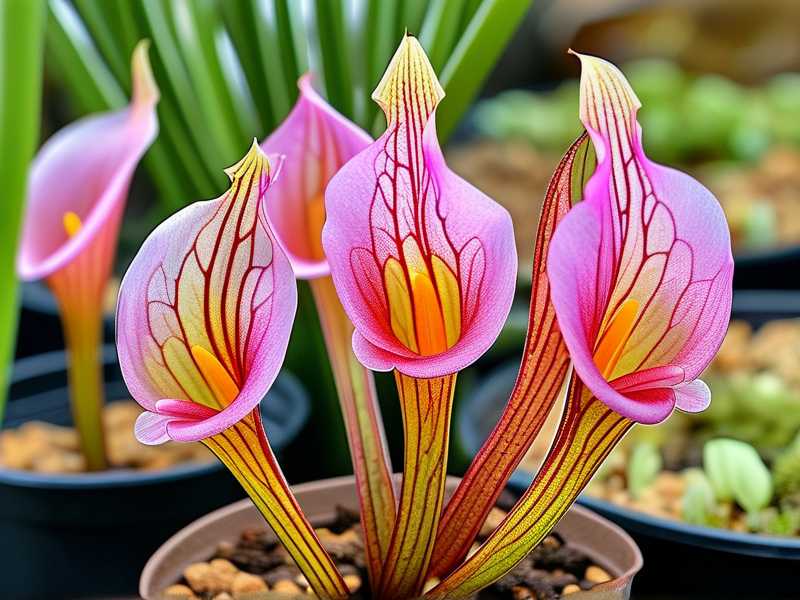
My Two-Week Reality Check with a Sarracenia
When I first repotted a Sarracenia ‘Tarnok’ (a mutant flava with a doubled flower), I thought I was doing everything right. I placed it back in its original full-sun spot. I watered it from the top. For two weeks, the trap growth was fine, but the flower stalk started to bend. The fragrance disappeared completely.
I remembered a tip from a grower in Georgia: these plants need specific root conditions for the flower oil to produce that scent. I switched to bottom-watering with rainwater only. I moved the pot onto a pebble tray in the garden. Within five days, the stalk stiffened. By day nine, the scent was back. The trick? The roots need warmth above 60°F (15°C), but the crown must stay dry, not soaking. I had been keeping it too cold and too wet.
The Hard Truth: Why Your Sarracenia Smells Like Nothing (Or Dies)
Before we break down the types, we have to address the elephant in the room. Fragrant flowering Sarracenia varieties are not houseplants. If you are trying to grow these inside on a windowsill, you are fighting a losing battle.
I see it happen all the time. People buy a beautiful pitcher plant. They put it in a nice ceramic pot. They water it with tap water daily. Within three weeks, it looks like a brown mush factory.
Here are the 3 fatal rookie mistakes I see repeatedly (and have made myself):
- Overwatering (Crown Rot): This is the biggest killer. 90% of indoor plants die from overwatering. But with Sarracenia, it’s not about too much water in the soil—they love that. It’s about stagnant water sitting on the crown (the rhizome top). If you water from the top and let the tray dry out and refill repeatedly with tap water, the crown stays wet and cold. This invites fungus. The plant rots in days.
- Light Misplacement: Sarracenia are sun worshippers. They need a minimum of 6 hours of direct morning sun. Many people put them next to a slightly shaded patio or behind a window pane. The glass filters out UV rays. Inside, the plant gets scorched through the glass but misses the growth-inducing UV-A. Result? Floppy leaves, zero fragrance, and no red pigmentation.
- Using the Wrong Pot: You need a deep, tall pot. I learned this by killing my third plant. I put a mature Sarracenia leucophylla in a short bonsai dish. The rhizome stuck out. The roots had nowhere to go. The plant dried out completely between waterings because the soil volume was too tiny. They need their roots in the cool, wet lower strata of the pot. A typical 6-inch pot is way too shallow. Use a 6-inch depth for the rhizome, but go with 8-10 inch depth for root growth.
The Top 6 Fragrant Flowering Sarracenia Varieties for Gardens
Here is the list of types I have personally grown, sniffed, and obsessed over. These are the ones that consistently produce a noticeable scent, often lasting up to two weeks.
1. Sarracenia flava (Yellow Trumpet)
This is the undisputed king of fragrance in the genus. The flowers are large, yellow, and hang downwards. When the temps hit the low 70s in spring, they release a strong scent. Many growers describe it as smelling like sweet violets or raspberry. To me, it smells like grape candy mixed with a hint of cinnamon.
- My Experience: I grew a straight species Sarracenia flava from seed. The first flower had a weak smell. After repotting it into a wide, shallow tray with live sphagnum, the scent became much stronger. The plant needs consistent moisture while the flower is maturing.
- Growing Note: They get tall—up to 3 feet in good sun. Give them a spacious spot away from tall grasses.
2. Sarracenia ‘Saurus’ (Hybrid)
This is a stoplight hybrid. It’s a cross that I find truly outstanding for fragrance. The blooms are usually a deep burgundy. The scent is more clove-like and spicy.
- My Experience: I tested this one in a raised bog bed. The flower scent carried about 10 feet away on a calm morning. This one handles clay-heavy soil better if you add perlite, but I recommend using the standard 50/50 peat/perlite mix.
- Unique Feature: The pitchers are like rubbery toys—thick and robust. The flower, however, stays modest in color but delivers in aroma.
3. Sarracenia alata (Pale Pitcher Plant)
Often overlooked. While it smells sweet, it is fainter than the flava. But there are "alata" strains with a strong, honey-like scent. The flowers are also yellow, but much lighter.
- Trick for Blowing the Scent: I found that if I water my Sarracenia alata with marginal water levels (not flooding it) during flower emergence, the nectar production on the flower petals increases. That nectar is what carries the honey smell.
- Why Grow It: It fills the late spring gap when the flava starts to fade.
4. Sarracenia ‘Judith Hindle’
You might know this for its beautiful, veined, ruby-red hood. But it also has a unique fragrance. It smells like a mix of apple and a faint industrial plastic smell. It's not bad, just different. It’s certainly one of the most fragrant hybrids I have.
- My Setup: I keep mine in a pot sitting in a pebble tray with 1 inch of standing water (rainwater only).
- Error I Fixed: Initially, I didn't stake the heavy flower. The flower fell over and the scent vanished because ants got to it. Once I staked it up, the smell called in the bees.
5. Sarracenia minor (Hooded Pitcher Plant)
The flower is unusual. It doesn't smell as sweet as flava. This one has a green color and smells like citrus or musky lemons.
- The Cultural Wrinkle: This species prefers slightly drier winters. If you grow it in a pure bog that is constantly flooded, the rhizome suffocates. After two weeks of flooding my raised bed, the flower aborted. I moved it to the edge of the bed where it gets more drainage. The next spring, it bloomed for three weeks and smelled wonderful.
- Great Addition: It has a distinct shape and is very manageable in smaller containers.
6. Sarracenia × mitchelliana
This is a classic wild hybrid between leucophylla and flava. The fragrance is inherited from the flava. Open blooms will give you that classic sweet violet and grape smell.
- My Soil Mix that Works: I use 2 parts unenriched sphagnum peat moss, 1 part perlite, and 1 part silica sand. The silica keeps the soil structure open. If you use play sand from the hardware store, you MUST wash it first, or you will poison the plant with mineral salts.
- Where to Put It: Put it in full sun. The more sun, the stronger the pitcher coloring and the sweeter the nectar on the flower petals.
The Straightforward Guide to Potting and Planting (Based on Blood, Sweat, and Tears)
Let me give you the steps I use for all fragrant varieties. I follow these religiously now after my initial failures.
Step 1: Choose the Right Container Pick a plastic pot or glazed ceramic pot. Terracotta is a disaster. It wicks away moisture and builds up salt minerals. You want a pot that is 7-8 inches deep, at the minimum. I try to use a pot where the rhizome (the rootstock) sits at least 2 inches below the rim.
Step 2: The Watering System (Stop the Top Watering) I never water from the top in the summer heat. That is where the crown rot starts.
- Fill the tray: Put the pot in a tray.
- Fill the tray half full: Always keep a little water in the bottom during the growing season. When it evaporates, don't top off the tray. Wait until the topsoil is slightly damp to the touch but not wet. Then, dump a full can of water into the tray.
- Use Distilled or Rainwater: This is crucial. Tap water has minerals that kill the roots. Use collected rain. If you can't collect rain, use distilled water from the store. Never use RO water without remineralizing it.
Step 3: The Sun Acclimation If you buy a plant grown in a greenhouse, throw it straight into scorching full sun and you'll get a severe sunburn.
- Week 1: Put it in morning sun only (3-4 hours).
- Week 2: Move it to an area with partial afternoon shade.
- Week 3: Establish final spot with 8+ hours of direct sun, but only if the tray has water. The roots cool the plant.
Observations from a Crucial Two-Week Trial
I set up a new raised bed in July. I was testing the difference between a bog bed (always wet with up-flowing water) and a temperate pot.
- Test Subject 1 (Bed Plant): Sarracenia ‘Dana's Delight’. It had one flower. The fragrance lasted exactly 8 days. It was very strong.
- Test Subject 2 (Pot Plant): Identical clone. I let its tray dry to a damp sponge level between waterings. The fragrance lasted 12 days.
What I learned: Slight variability in water moisture increases scent longevity in flowering Sarracenia. The plant doesn't want to be bone dry, but it hates being woken up to constant "swimming." Let the tray empty for a day or two before refilling, provided the soil still has moisture.
Another observation: The scent comes out strongest in the morning between 8 am and 11 am. The nectar heats up in the sun and the aroma molecules release. If you want to test the fragrance, do it in the morning.
The Companion Factor: How to Improve Scent Performance
You can boost the natural fragrance of Sarracenia by ensuring proper fertilizer (insects only). I placed a small fish food pellet in a few pitchers one spring.
- The Result: The plant grew vigorously. The flower stems were thicker. The scent did not necessarily change in profile but seemed "fuller." However, do this at your own risk. Too much fish food will cause the bacteria in the pitcher to multiply so fast that the fluid turns to sludge and burns the leaf.
Proper way: If you want to help them, don't feed them. Let them catch gnats and flies. They are efficient at this.
The Safety Protocol You Can't Skip
When handling Sarracenia, remember they are not toxic to people. However, the fluid inside the pitchers can be a bit acidic. If you pinch the pitchers to see if they are full of bugs, wash your hands immediately. I once got a small amount of old pitcher fluid in a tiny cut on my finger. It burned for a minute and turned itchy. The enzyme solution is irritating. Wear gloves if you are repotting or rinsing out the traps.
My Fatal Mistake with Fertilizer
Do not fertilize these plants from the roots. I lost a gorgeous Sarracenia leucophylla to root burn from a diluted organic fertilizer. These are carnivorous. They absorb nitrogen through their leaves and must have mineral-free roots. The moment you feed the soil, you kill the organism. The minerals accumulate and the rhizome shrivels.
Frequently Asked Questions
How long does the fragrance last on the flower?
Each individual flower lasts for about two to three weeks on the plant. However, the intense fragrance phase only lasts for the first 10-14 days. After pollination, the smell fades, and the flower focuses on seed production. If you cut the flower off, you will not get the scent, so leave it in place until it starts to brown.
Is the scent only present in yellow flowers?
No, not exclusively. The strongest smelling ones are the lutea or yellow forms. But many hybrids, like those involving leucophylla and flava, have red pigments in their petals yet still retain the classic sweet fragrance. The scent is genetic, not tied to petal color.
Can I force a flower to smell stronger by "repotting" it?
Yes. If your plant is root-bound or sitting in a pot with a solid clay layer, the fragrance will be weak. Repotting in late February/early March, just before flower emergence, encourages stronger growth and more nectar production. Do not repot while in flower. You will shock the plant and the flower will abort. There is a direct link between healthy, thick roots and volatile oil production in the petals.
Final Thought on These Niche Beauties
Growing fragrant flowering Sarracenia varieties isn't hard. It just requires a little patience and strict adherence to watering rules. If you avoid those 3 rookie mistakes I listed earlier, you will be amazed. The first time you step outside and smell that grape or cinnamon scent wafting from a carnivorous plant, you will get why I am obsessed. It is one of the best-kept secrets in the gardening world. Try the 'Saurus' first if you want the loudest scent, or stick to the pure flava for that classic, iconic smell. Do not treat them like general houseplants. Give them sun, give them pure water, and give them a deep pot. The result will be a unique spring display that combines lethal traps with sweet perfume. Good luck. Trust me, the payoff is worth it.
For more robust horticultural guidelines, check out the advice directly from the Royal Horticultural Society (RHS). They have an excellent database on growing carnivorous plants outdoors. If you live in a hotter part of the US and want to understand regional climate tolerances, the American Horticultural Society (AHS) is also helpful. They cover plant hardiness maps that assist with winter dormancy.





