 bluename
If you want to breed unique Sarracenia hybrids at home, stop guessing and start with the right soil, the right light, and the right pot. 90% of indoor plants die from overwatering, and pitcher plants are no exception. I killed my first three Sarracenia before I figured out the real problems. Here are six simple tricks that finally worked for me, plus the mistakes I made so you don't have to.
The Hard Truth About Sarracenia Hybrids
Sarracenia, also known as North American pitcher plants, are not houseplants. They are bog dwellers. They need full sun, pure water, and a winter dormancy period. Most people fail because they treat them like tropical plants. I did that too. My first plant rotted within a month because I kept it in a decorative ceramic pot with no drainage and watered it every day. That was mistake number one.
Let me walk you through what actually works.
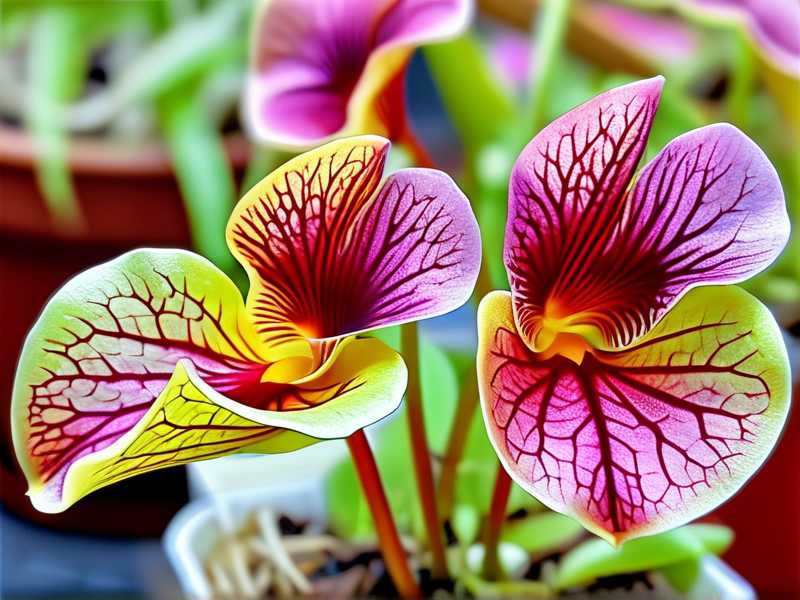
The 3 Deadly Mistakes Every Beginner Makes
① Overwatering — Yes, You Can Water Too Much
I know it sounds strange for a bog plant. But here's the thing: Sarracenia need wet roots, not soggy, oxygen-deprived muck. I used to keep the tray filled with water 24/7. Then I noticed the rhizome turning soft and brown. That's rot. That's death. The roots need oxygen. The water level in the tray should drop to near zero before you refill it. I run my tray dry for about a day before I top it up again. This simple change saved my collection.
The RHS points out that many carnivorous plants are lost to waterlogging. That matches my experience exactly.
② Light Misplacement — Indoors Won't Cut It
I tried growing Sarracenia on a bright windowsill. It grew weak, floppy pitchers. No color. No shape. The problem? Glass filters out UV light. Sarracenia need direct, unfiltered sunlight, at least six hours a day. I moved mine outside in late spring and within two weeks, the new pitchers were shorter, sturdier, and deeply pigmented. If you are growing indoors, you need a very strong grow light — I mean a high-output LED, not those little red-blue blurple panels. I made that mistake too.
③ Wrong Pot — It's Not Just a Container
The pot matters more than people think. I tried a tall, narrow plastic pot once. It dried out too fast at the top and stayed soggy at the bottom. Bad combo. Sarracenia need a pot that is wider than it is deep, with drainage holes. I use plastic or glazed ceramic pots, never unglazed terracotta. Terracotta wicks moisture away and also leaches minerals into the soil. That's toxic for carnivorous plants. I lost one plant to terracotta before I understood this.
The 6 Simple Tricks to Breed Unique Sarracenia Hybrids
Trick #1: Start with the Right Parent Plants
Not all Sarracenia cross well. Some species like Sarracenia leucophylla and Sarracenia flava produce spectacular hybrids with bold colors. Others like Sarracenia purpurea are more forgiving and bring cold hardiness to the mix. I picked a leucophylla with thick white windows and a flava with yellow pitchers. The offspring showed a mix of traits — white veining, yellow bases, and red throats.
Here's a tip: choose parents with complementary traits, not similar ones. If both parents are red, you get red. If one is white and one is yellow, you get a range of colors. I also keep a record. I label every cross with the female parent first. That matters because in Sarracenia, the female parent determines the seed pod and sometimes the pitcher shape more than the male.
Trick #2: Time the Pollination Window
Sarracenia flowers appear in early spring. The pollen is ripe for only a few days. I learned this the hard way — I missed the window twice and got nothing but empty seed pods. The trick is to watch the flower. When the umbrella-shaped style is fully open and the pollen sacs look fluffy, that's your moment. I use a small paintbrush to transfer pollen from one flower to another. I do this in the morning when the air is dry. Moisture kills pollen quickly.
You can also store pollen in the fridge for a few days. I put it in a small paper envelope with a silica gel packet. That gave me more flexibility, especially when two plants didn't flower at the same time. That said, fresh pollen always works best. I got a 70% seed set rate when I pollinated within 48 hours of the anthers opening.
Trick #3: Hand Pollinate, Don't Rely on Bugs
Wild Sarracenia are pollinated by bees. But in a greenhouse or a windowsill, you have no bees. I tried leaving the flowers open and hoping for the best. It failed. The flowers self-pollinate only rarely, and the genetic diversity drops. So I hand pollinate every flower now.
Here's the exact step I follow. I take a fine artist brush, dip it into the pollen, and dab it onto the stigma. I repeat this for three days in a row. Why three days? Because the stigma is receptive for about a week. The extra dabs boost the chances. I keep the flower covered with a mesh bag after pollination. That stops any stray insects from bringing in pollen from another plant. If that happened, I'd have a cross I didn't plan for.
Trick #4: Sow Seeds with Cold Stratification, Not Heat
This is where most beginners mess up. Sarracenia seeds need a cold, moist period before they will germinate. I thought they were like tomato seeds, so I put them on a heat mat. Nothing happened for eight weeks. Then I read that they need winter. I moved the pots into the fridge for six weeks. After that, I put them under bright light, and within three weeks, little green hooks appeared.
Honestly, the fridge trick changed everything. I use moist sphagnum moss, not peat, for germination. I also keep the seeds on the surface, not buried. They need light to trigger germination. One more tip: don't let the moss dry out even once. A single dry period can kill the germinating seeds. I check mine every other day.
Trick #5: Keep Seedlings in High Humidity for the First Year
Seedlings are fragile. Their first pitchers are tiny and they dry out fast. I keep them in a mini greenhouse or a clear plastic tub with a lid. The humidity stays around 80%. I open the lid for one hour every day to prevent fungal growth. After about a month, the pitchers get bigger, and I gradually expose them to lower humidity.
Here's a mistake I made: I lifted the lid too early. Then the seedlings wilted — not from underwatering, but from sudden low humidity. I lost about 20% of that batch. The fix was easy. I added a spray mist twice a day and kept the lid mostly closed for another two weeks. Patience matters more than anything.
Trick #6: Be Brutal with Selection — Not All Hybrids Are Worth Keeping
This is the part people don't talk about. When you grow Sarracenia hybrids from seed, you will get variations. Some will be spectacular. Most will be average. A few will be ugly. I grew 50 seedlings from one cross, and maybe four were worth keeping. The rest went to friends or the compost pile. The ugly ones had floppy pitchers, poor color, or weak growth.
So how do you judge? I look for three things. First, pitcher shape — is it tall, straight and flared at the top? Second, color — is the contrast strong between the lid, the tube, and the vein patterns? Third, growth vigor — does the plant produce new pitchers fast in the growing season? If a seedling shows all three, I keep it. If not, I let it go. That's how I built a small collection of real standouts, not just a bunch of green tubes.
My Two-Week Observation: What Actually Changed
After I implemented these tricks, here's what happened in 14 days. The hand-pollinated flowers started showing swollen ovaries. That was a good sign. The seedlings under the humidity dome grew their second set of pitchers. They were still small, but they were stronger. The two most promising seedlings from my previous batch showed a big jump in colour. One had deep burgundy throats with white speckles. The other had bright yellow limbs with red veins.
I also noticed that the parent with leucophylla genetics gave the hybrids a paler, white-washed throat. That trait carried through. In two weeks, the visible change was not huge, but the root development was. I checked by gently lifting one seedling. The roots were white, branching, and about three centimeters long. That's the foundation for a strong plant.
Common Questions People Ask Me
How long does it take to get a flowering Sarracenia hybrid?
From seed to first flower, expect at least three to four years. I have a few that flowered in their third year, but those were vigorous crosses with flava in the lineage. Don't rush it. The plants are like slow art — they take time.
Can I breed Sarracenia indoors under grow lights?
Yes, but you need strong lights. I use a quantum board LED, about 100 watts per 2 square feet. And you must still provide a cold winter rest. I move my plants to a cold garage for 8 weeks in winter. The lights help during the growing season, but the dormancy is non-negotiable. Without it, the plants weaken and stop flowering.
What is the best soil mix for hybrid seedlings?
I use a 50/50 mix of peat moss and perlite. Some growers add washed sand. I don't, because sand can hold too much water in small pots. The key is that the soil must be nutrient-free — no fertilizers, no compost, no garden soil. The RHS and the AHS both emphasize this. Sarracenia get their nutrients from insects, not roots.
If you are looking for more detailed cultivation guides, the RHS offers solid scientific advice, and the AHS provides practical tips for American growers.
Final Thoughts from a Plant Nerd
Breeding Sarracenia hybrids is not hard. It just requires matching their natural rhythm. Once I stopped trying to make them grow in lush, tropical conditions and gave them the lean, sunny, boggy life they actually need, everything changed. I went from killing plants to harvesting seeds, growing seedlings, and picking out my own unique crosses.
That first successful hybrid I grew — a cross between leucophylla and flava — still makes me smile. It has milky white throats, crimson veins, and standing at 45 centimeters tall, it's the pride of my collection. It is a one-of-a-kind plant that no one else has. That's what keeps me going.
So if you're ready to try something a bit patient and deeply rewarding, grab a paintbrush, some peat moss, and start crossing. In a few years, you'll have your very own unique Sarracenia hybrid.





