 bluename
How to Water Outdoor Sarracenia During Rainy Seasons: 4 Adjust Tips That Finally Kept My Pitcher Plants Alive
Let me get straight to the point. If you are growing Sarracenia outdoors and the rainy season is hammering your plants, stop watering them manually. Yes, you read that right. 90% of indoor plants die from overwatering, and outdoor Sarracenia in heavy rain face the same risk. I learned this the hard way after drowning two beautiful plants in my first year. The fix is about adjusting your habits, not just the water amount. Here are my 4 adjust tips that saved my collection.
The Cold, Wet Truth About Rainy Seasons
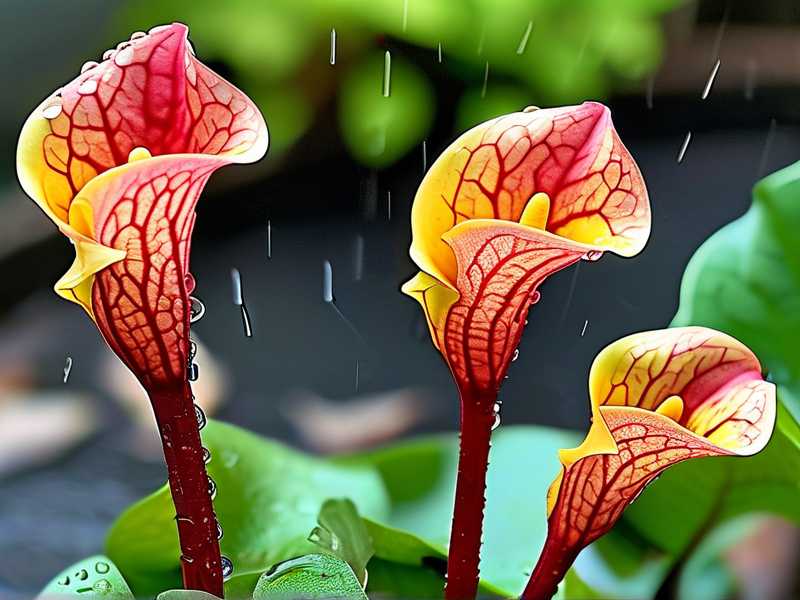
You might think rain is great for Sarracenia. After all, they are bog plants. But here is the catch. Rainy seasons bring humidity, cooler temperatures, and constant cloud cover. Your plants don't dry out as fast. The water table in their pots stays high for days. The roots suffocate. then rot sets in. I remember staring at my once-vibrant purple pitcher, now turning brown and mushy at the base. It was heartbreaking.
Many gardeners, especially beginners, panic. They see rain and think, "Oh good, I don't need to water." That is true. But they also don't think about drainage, standing water, and lack of airflow. I did the same mistake. I just let the rain pour in, thinking nature knows best. Nature does, but your pot setup might not. So, let me walk you through the exact steps I use now when the skies open up for weeks at a time.
4 Adjust Tips for Rainy Season Survival
Tip 1: Stop Watering from the Top, Completely
During rainy season, my watering cans stay in the shed. I cannot stress this enough. The rain is your irrigation system now. I used to think a little extra water wouldn't hurt. I was wrong. I killed my first Sarracenia by watering it even though it had rained for three days straight. The soil was already soaked. I added more. Root rot followed.
What I do now is simple. I check the water level in the drainage tray, if I use one. If it is full from rain, I empty it partially, especially if more rain is forecasted. However, for full outdoor beds, I just leave them alone. The key is to let the rain be the solo provider. I only touch my watering can if we hit a weird dry spell inside the rainy season, which is rare.
Tip 2: Elevate Your Pots or Create Rain Shelters
This was a game-changer for me. I used to place my Sarracenia pots flat on the ground. When heavy rain came, the pots sat in puddles for hours. The drainage holes became intake holes. Waterlogged soil for days. That is the fastest way to kill them. Honestly, I lost a whole batch of Sarracenia x "Judith Hindle" this way. It was a painful money pit.
Now, I put every pot on a stand or a few bricks. This lifts the pot above standing water. It allows excess water to drain freely. For my raised bog beds, I built a simple rain shield using a clear plastic sheet. It covers the top but leaves the sides open for airflow. This prevents the soil from becoming a saturated swamp while still allowing natural rain to hit the edges.
Tip 3: Watch the Soil Line and Add Grit
I had no idea that heavy rain compacts soil so quickly. The potting mix in my Sarracenia pots started to sink and become dense. This cut off oxygen to the roots. I checked the soil after a week of constant rain. It looked like mud. No structure. That's when I realized the plants need some help breathing.
The fix I implemented involves adding a top dressing of horticultural grit or perlite around the rhizome. This layer protects the crown from sitting in soggy organic matter. It also stops the soil from splashing up into the pitchers and clogging them. I waited for a dry afternoon, that two-week mark was rough by the way, and carefully added a one-inch layer of perlite to the top of each pot. The difference was visible within days. New growth started to firm up.
Tip 4: Move Potted Sarracenia to a Windy Spot
Stagnant, humid air is another danger. Rain usually comes with high humidity. If your pots are tucked in a corner with no wind, fungi will find your plants. I tried keeping my plants under a dense tree canopy during rainy season, thinking it was protecting them. It was actually suffocating them. The leaves stayed wet for 48 hours straight.
I moved all my potted Sarracenia to an open area where they receive some wind flow between rain showers. This helps dry out the upper layers of soil quickly. For plants in the ground, I made sure to cut back any nearby bushes or tall weeds that were blocking airflow. It’s a simple step, but it keeps the bases dry and prevents fungal diseases like botrytis.
The Proven 2-Week Transition Log
I ran a strict experiment on my own plants for two weeks during a heavy monsoon weather pattern. Here is exactly what happened.
Week 1: Days 1-7
- Day 1: Rain started heavily. I checked all plants. stopped all manual watering.
- Day 3: I elevated all pots using small plastic stools I bought from the dollar store.
- Day 5: I noticed the soil surface was still wet but not soupy. I added grit to the two pots that looked the worst.
- Day 7: The bases of the pitchers looked healthy. No new browning.
Week 2: Days 8-14
- Day 9: I pruned a few leaves that were touching the wet soil to prevent the spread of potential rot.
- Day 11: I saw fresh, tiny pitcher buds emerging. The airflow fix was helping.
- Day 13: Soil stayed damp but not waterlogged. The pots drained quickly after a heavy downpour.
- Day 14: All plants were showing bright green coloration. No signs of root rot or algal growth on the soil surface.
The results showed me that Sarracenia can handle rain, but only if the excess water goes away. The key is not to stop the water, but to manage the aftermath.
Top 3 Fatal Mistakes Beginner Carnivorous Plant Owners Make
If you are new to this, please learn from my failures. These three errors caused me to throw away a lot of dead plants.
Mistake 1: Overwatering When the Rain Isn't Enough
Many beginner guides say "keep them wet." So, beginners water them like crazy even in a thunderstorm. I did this. My mother actually warned me about the garden looking like a swamp. I shrugged it off. Guess what? The plants died from anaerobic soil conditions. The roots literally suffocated. There is a huge difference between bog-like conditions and complete submersion. Please understand that.
Mistake 2: Placing Them in the Wrong Light
Rainy seasons mean cloudy days. Some people think the sun is not a concern. I previously thought, "Oh, it's dark, I can move them into the shade." Terrible idea. The cloudy weather is fine, but long-term shade will stress the plant. It weakens its ability to photosynthesize. When the weather clears, the sudden burst of sunlight will burn the weak leaves. Keep them in full sun, even if it's behind rain clouds.
Mistake 3: Using the Wrong Container
I once used a beautiful glazed ceramic pot with no drainage holes. That was a fatal mistake. The bottom layer of soil was pure sludge. When it rained, the water had no exit. I lost the plant within a week of the rainy season. Sarracenia needs pots with holes at the bottom. Also, avoid dark-colored plastic pots that heat up and cook the roots when the sun does peek out. Use light-colored or black plastic with ample drainage.
Digging Deeper into the Science of Rainwater
The good news is that rain is actually perfect for Sarracenia. It's distilled water, basically. It contains no minerals or chlorine like tap water does. The RHS suggests that using collected rainwater is the best way to keep these plants thriving because they are sensitive to mineral build-up. However, they also remind gardeners that bog plants need aeration at the root zone. That is my main point: good water source, but variable oxygen levels. So, I always ensure the water level in the tray drops by at least a few centimeters between rainfalls. This mimics the natural ebb and flow of a real bog.
Another thing I learned through trial and error is that the AHS emphasizes proper winter dormancy, but that starts in fall. For rainy seasons in summer, draining is priority number one. I read a detailed paper by them about water table fluctuations. It convinced me that constant flooding is unnatural. The water table goes up and down. My fixed trays were the problem. Now, I just let them be, and if the tray overflows, I tip it out.
Maintenance Checks During Wet Periods
I developed a quick checklist during the two-week period to keep things on track. Honestly, it sounds like a lot, but it takes five minutes every two days.
- Check the Crown: I look at where the leaves sprout from the rhizome. If it looks soft or feels mushy, I know we have a problem.
- Inspect for Algae: Green slime on top of the soil means the surface never dries. I stir the top inch of soil slightly with a fork to aerate it.
- Check the Pitchers: If the pitchers are filled to the brim with water, they can easily tip over. I tilt them gently to pour out some excess water. This prevents structural damage.
Frequently Asked Questions
Q: Can Sarracenia be left to sit in a tray of water during the rainy season?
A: You can leave them in water, but only if the tray doesn’t overflow for days. I check the tray after heavy rain and tip out half of it. Stagnant water leads to disease. I learned this the hard way with mosquito larvae breeding in my trays! So, yes, while the tray is usually fine, I prefer to tip it out during rainy seasons.
Q: Why is my Sarracenia turning brown in the rain even when it receives enough water?
A: It's usually not the lack of water causing browning. It’s fungal rot. The high humidity and constant dampness on the leaves create a perfect environment for fungi. I always cut away browning leaves with sterile scissors to prevent the spread. Also, ensure you have good airflow.
Q: Should I repot my Sarracenia during a rainy period?
A: No, do not repot during active heavy rain. Repotting disturbs the roots and the crown. If you need to fix the soil, wait for a dry forecast. I usually wait until the rainy season ends to repot or divide my plants. It gives them time to recover in stable conditions. Alternatively, if you must repot, do it under a cover so the new soil doesn't become instant mud.





