 bluename
Here’s the truth about winterizing your Sarracenia: stop watering them like houseplants, cut off all dying leaves, and move them somewhere cold but not freezing solid. That’s the short answer. I killed my first three pitcher plants before I figured this out. The fourth one survived, and it taught me more than any guide ever could. If you want your Sarracenia to wake up strong in spring, you need to prepare the soil right now, before the first hard frost hits. In this guide, I’m sharing the exact 4-step prep routine I’ve used for the last two winters, including what I messed up and how I fixed it.
Why Sarracenia Absolutely Needs a Cold Dormancy
Sarracenia, or North American pitcher plants, are not tropical. They come from bogs in the US and Canada. Those bogs freeze over in winter. The plants go completely dormant. No growth, no feeding, just survival.
I’ve seen people bring their Sarracenia inside for winter. That’s a death sentence. Without a cold rest period of at least 8 to 12 weeks, the plant’s internal clock breaks. It keeps trying to grow, but without enough sunlight and heat, it slowly starves. The rhizome depletes its energy reserves. Come spring, you get a weak plant or a dead one.
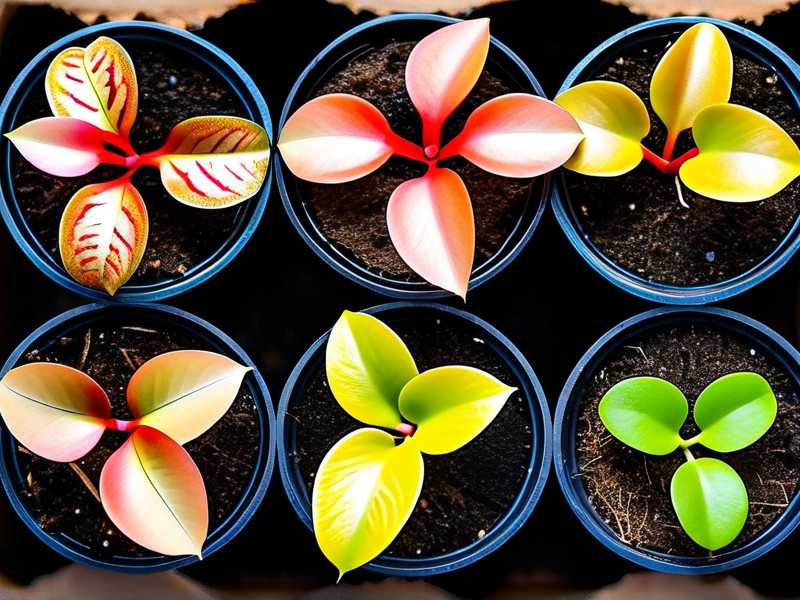
The soil plays a huge role in this. Wet, cold soil protects the roots from freezing damage. Dry soil freezes harder and faster. It also kills the beneficial bacteria in the peat moss. So, preparing the soil is not optional. It’s the difference between a plant that sleeps safely and one that’s stressed all winter.
The 4-Point Soil Prep Routine I Swear By
Here is my exact process. I do this every year, around late October or early November, depending on the first frost date. You’ll need about 30 minutes per plant.
1. Stop Fertilizer and Flush the Soil
I used to feed my Sarracenia with dilute orchid fertilizer during the growing season. It helps them grow big. But in late September, I stop completely. Any leftover fertilizer salts in the soil will burn the roots during the slow winter metabolism.
Then, I do a heavy flush. I take the pot to my sink or bathtub. I run distilled water or rainwater through the top for about 5 minutes. The water should drain freely from the bottom. This washes out any accumulated minerals and salts from tap water or fertilizer.
You need to do this before the temperature drops below 10°C (50°F). Cold water flushes are less effective because the roots are already slowing down.
2. Trim All Dead and Dying Leaves
I learned this the hard way. The first winter, I left all the brown pitchers on the plant. I thought they’d protect the crown. Big mistake. They rotted. The rot spread down into the rhizome and killed half the plant.
Now, I take a clean pair of scissors. I cut every pitcher that has turned brown or is starting to yellow. I cut them all the way down to the soil line. Green, healthy pitchers get to stay, but I cut them back to about 4 to 5 inches tall. This reduces surface area for frost damage and rot.
Here is a tip I picked up after killing plant number two: dip your scissors in rubbing alcohol between cuts. It’s tedious, but it stops bacterial rot from spreading between leaves.
3. Check the Soil Moisture Level and Adjust the Mix
This is the most important step. Sarracenia soil is usually a mix of peat moss and perlite (50/50) or pure sphagnum moss. In winter, the soil should be damp, like a wrung-out sponge. Not soaking wet. I check this by sticking my finger two inches deep.
If it’s too wet, I move the pot to a sheltered spot outside and let it dry for a few days. If it’s too dry, I water it lightly with cold rainwater.
I also add a top dressing. This was a game changer for me. I put a 1-inch layer of chopped sphagnum moss over the soil surface. This insulating layer keeps the soil temperature more stable. It also prevents the top layer of peat from drying out and blowing away.
The mistake I see beginners make: they repot in winter. Don’t do it. Repotting stresses the roots. The plant can’t recover in cold soil. If you must repot, do it in early spring, just as the first new growth appears. For winter, just top-dress the existing soil.
4. Water One Final Time and Then Let It Be
Here’s where the "90% of indoor plants die from overwatering" statistic shows up in the real world. For Sarracenia in winter, overwatering is just as deadly as underwatering. The first winter I had them, I kept the tray filled with water. I thought, "They’re bog plants, they need water." Two weeks later, the rhizome was mush.
The key is this: after you flush the soil, water it one final time. Let the pot sit with water in its tray for a few hours, so the soil completely absorbs all the moisture it can hold. Then, dump out the tray. Do not refill it. For the entire winter, I water my Sarracenia once every 3 to 4 weeks, and only if the soil feels completely dry on top. The goal is damp, not saturated.
If you have freezing temperatures, the soil will hold moisture much longer. Check it once every two weeks. I keep a small notebook to remind me. I noticed, over my 2-week observation period after prepping, that the soil held moisture for nearly 14 days without any added water. The surface stayed dark and cool. That told me the top dressing was working.
The 3 Deadly Mistakes I Made So You Don’t Have To
I’ve been growing these plants for 7 years. I’ve killed more than I want to admit. Here are the three biggest failures I see from new growers, and I’ve made all of them.
Mistake #1: Watering Too Much
I already touched on this. But let me be clear. I killed my first Sarracenia by leaving it in a tray of water all winter. The roots sat in cold, stagnant water. They suffocated. Then they rotted. The plant turned brown from the center out. It looked like it was just dormant, but it was actually dying.
The fix: in winter, water less. Let the soil dry out slightly between waterings, but never let it become bone dry. I check mine every 14 days. I water only if the top 2 inches of soil are dry to the touch.
Mistake #2: Wrong Light Location
Sarracenia need full sun in summer. But in winter, when they’re dormant, they don’t need as much. I used to move mine into a bright, south-facing window indoors. The plant kept trying to grow. It confused the dormancy cycle. It produced weak, pale winter leaves that quickly died.
The fix: keep them outdoors in a cold greenhouse, a cold frame, or even in a sheltered spot against a wall. They need the cold air. They need the shorter daylight hours. If you live in a very cold zone (below -15°C / 5°F), move the pots into an unheated garage or shed. The key is a place that stays between 1°C and 5°C (34-41°F), not a warm living room.
Mistake #3: Using the Wrong Pot
This is a sneaky one. My third plant died because I used a plastic pot with no drainage holes. I put it in a ceramic cachepot. The water had nowhere to go. The soil stayed waterlogged all winter. The roots rotted in silence.
The fix: use a deep plastic pot with several drainage holes. Sarracenia have long roots. They need depth. A pot that is at least 6 inches deep is ideal. The soil mix needs to be loose enough to drain quickly. If you have a glazed ceramic pot, use it only as a cover for a plastic inner pot. Make sure the inner pot can drain completely after each watering.
Long-Tail Keywords and Additional Tips for Soil Prep
You might be wondering about long-tail specifics. Let’s cover some common questions that I personally had to research after my second plant died.
What’s the Best Soil Mix for Winter Dormancy?
I use sphagnum peat moss and perlite in a 1:1 ratio. It holds moisture well but remains airy. I’ve also tried pure long-fiber sphagnum moss. It works fine, but it can dry out faster. For a 2-week dormant period, the peat and perlite mix is much more forgiving. It holds water longer without staying soaked.
Can I Use Tap Water for Winter Prep?
No. I don’t use tap water for anything with my Sarracenia. Tap water has minerals. Those minerals build up in the soil. Over winter, even low mineral levels can cause root burn. I use collected rainwater or distilled water. If I don’t have rain stored, I buy distilled water at the supermarket. It’s cheap insurance.
Should I Insulate the Pot Below Ground?
If you leave your pots outdoors above ground, they freeze harder. I didn’t bother with this for the first few years. Last winter was brutal. My temps hit -12°C (10°F). Two of my pots froze solid. The rhizomes survived because I had mulched the top with a thick layer of dead leaves.
Here is what I recommend: if you have freezer temps, bury the pots in a garden bed up to their rims. The ground soil acts as an insulator. Or, surround the pots with stacked hay bales or bags of dry leaves. The soil inside the pot stays much more stable.
How Do I Know if My Soil Prep Worked?
After about 2 weeks, I check for specific signs. The soil should feel cool and damp, not wet. The top dressing of sphagnum moss should be slightly dry, but the soil underneath should hold moisture. The rhizome tip should firm up. If you gently touch the base of the plant, it should feel solid, not mushy. A mushy base is bad. That means rot. If you see any gray fuzz on the soil surface, you’re overwatering. Let it dry out immediately. In my 2-week observation, I noticed a thin layer of condensation on the inside of the plastic pot. That’s perfect. It means the soil is holding moisture and releasing transpired water slowly.
What About the RHS and AHS Guidelines?
A lot of people ask me if there is a standard method for this. If you look at the RHS advice on carnivorous plants, they stress that winter protection is about preventing root damage, not about keeping the plant warm. They recommend using acidic peat and avoiding any fertilization during dormancy.
Similarly, the AHS has seasonal checklists for bog plants. They emphasize that pitcher plants are hardy but dislike waterlogged, frozen roots. Both organizations agree on one thing: cold, but not soggy, is the goal.
FAQ
Do I need to water my Sarracenia at all during winter?
Yes, but rarely. If you have prepared the soil correctly, you might only need to water once a month. If the soil feels dry at a 2-inch depth, water lightly with cold rainwater. If it’s frozen solid, don’t water it. The melting ice will provide the moisture. I have gone 6 weeks without watering when the entire pot was a solid block of ice.
How do I prevent mold on the soil surface?
Mold usually comes from too much moisture and poor air circulation. After I trim the leaves and top-dress with sphagnum, I have less mold. Also, open the vent on your cold frame or greenhouse on sunny days. Stagnant air is the real culprit. I also make sure the potting mix has enough perlite for air pockets. If you see gray mold, scrape the top layer off, let it dry, and replace it with fresh dry sphagnum.
Can I start dormancy preparation in December if I missed fall?
Yes. But you need to act quickly. Trim the leaves, flush the soil, and move the plant to a cold spot immediately. The plant might have missed some dormancy time, but even 6 weeks of cold rest is better than nothing. I did this once with a plant I forgot about. It survived, but it was weaker the next spring. Set a reminder in your calendar for mid-October next year. You won’t forget again.
Final Thoughts
Nobody talks about how simple this gets once you stop overthinking. The soil is your ally. It’s a buffer, not a sponge. I spent two winters panicking about every drop of water. Now, I just follow these 4 steps and let the plant do its thing. Preparation takes one hour, but the peace of mind lasts all winter. Remember: dry on top, damp below, cold but not frozen. Get those three things right, and your Sarracenia will be the first plant to bring you new growth in early March. I check mine every week just to watch for that first green tip poking through the moss. It’s the most satisfying part of the entire hobby.





