 bluename
How to Fix Pale Pitcher Color on Sarracenia: 5 Color Recovery Tips
If your Sarracenia pitchers are looking washed out, pale green, or just totally lacking that dramatic burgundy and deep red flush, the fix is usually simpler than you think. I lost three plants before I figured out the real culprits. Stop guessing. Here is the direct answer: your plant needs 6+ hours of direct, unfiltered sunlight, pure mineral water only, a winter dormancy period, poor nutrient-free soil, and a deep pot—fix those five things and the color returns within two weeks.
Why My Sarracenia Turned Pale (And Why Yours Did Too)
I remember staring at my first Sarracenia purpurea. It looked like a sad, floppy green tube. The photos online showed these gorgeous, veined, ruby-red pitchers. Mine looked like it belonged in a salad.
I tried everything at first. More fertilizer? No. Misting? Definitely no. It wasn't until I literally killed my second plant and almost lost my third that I started paying attention to the actual growing conditions.
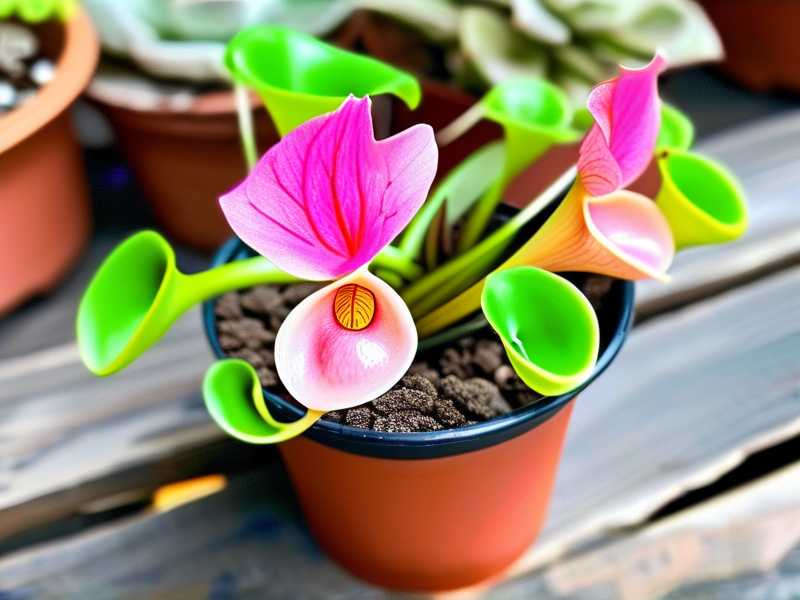
Here is the simple truth: Sarracenia produce their best colors as a direct response to environmental stress—specifically intense light and cool nights. Remove that stress, and they revert to plain green. The pitcher color is basically an adaptive response, a bit like a suntan for the plant.
90% of indoor plants die from overwatering
Let me get this out of the way immediately. 90% of indoor plants die from overwatering, and Sarracenia are no exception—but for a completely different reason than you might think. People hear "bog plant" and assume it means you should keep it dripping wet all the time, which is true. But they drown the roots in the wrong way, or they stand the pot in stagnant, contaminated water.
I used to keep mine sitting in a saucer of tap water. That was my first fatal mistake. The minerals in tap water slowly poisoned the roots. The plant couldn't uptake nutrients properly, the pitchers turned pale, and then they rotted at the base. It took me two dead plants to learn that water quality matters more than water quantity.
The 3 Deadly Newbie Mistakes That Kill Pitcher Color
Before we get into the recovery steps, let me point out the big errors I see everywhere in plant forums. If you are dealing with pale pitchers, you are probably making at least one of these mistakes.
① Overwatering (But Not How You Think)
This sounds counterintuitive for a bog plant. But the issue isn't the amount of water. It is the type of water and the lack of oxygen.
I used to keep the water tray filled to the brim, totally submerging the drainage holes and the bottom inch of soil. The soil stayed waterlogged with zero airflow. The roots suffocated.
Here is what I do now: I keep the water level in the tray at about half an inch to one inch max. That keeps the soil moist but allows the top layer to breathe slightly. More importantly, I only use rainwater, distilled water, or reverse osmosis water. Never tap water. The mineral buildup is a silent killer that shows up first as faded color.
② Sunlight Positioning (The Big One)
This is the number one cause of pale pitchers. Sarracenia are sun worshipers.
My first Sarracenia sat on a bright windowsill. I thought it was getting plenty of light. It wasn't. Windowsill light is often bright but not direct, intense, and sustained enough. The plant survived, but the colors stayed dull.
I moved it outside to a full-sun balcony. Within ten days, the new pitchers started developing deep red pigments. Honestly, the difference was unreal. If you keep them indoors, you need a south-facing window with absolutely no obstructions. And even then, you might need a strong grow light.
③ The Wrong Pot (Yes, It Matters)
Sarracenia have surprisingly deep root systems. I see people growing them in shallow, wide bowls because they look nice. That is a death sentence for color.
I tried a shallow bonsai-style pot once. The roots were cramped, they hit the bottom, and they stayed too cold at night. The plant basically stopped growing. These plants need deep pots—at least 5 to 6 inches deep, usually deeper. The depth keeps the roots cool in summer, insulated in winter, and gives them room to establish. A cramped root system stresses the plant in the wrong way, and you get weak, pale growth instead of robust colored pitchers.
The 5-Step Color Recovery Plan That Worked for Me
Alright, here is the exact process I follow when my Sarracenia start looking pale. This is not theoretical. This is what I have done, and it works. Give it a full two weeks. You will see a visible difference.
Step 1: Check the Light Intensity (Your #1 Priority)
If you only do one thing, do this. Sarracenia need a minimum of six hours of direct sun. Not dappled sunlight. Not morning-only sun. Direct, harsh, full-blast sun.
I had my plants on a bench that got morning sun until noon. Afternoon shade. They were okay, but green. I moved them to a spot that got sun from 10 AM until sunset. That was the change.
Within two weeks, the new pitchers had a rich burgundy flush. Older pitchers stayed greenish, but the new growth was spectacular.
Tip: If you are growing indoors, use a strong LED grow light. I recommend placing it about 6–8 inches above the plant, running it for 12–14 hours a day. It works, but you will always get better results outdoors.
Step 2: Switch to Rainwater Only (Immediately)
Stop using tap water, filtered water, or even bottled mineral water. It has to be low in dissolved solids. Use rainwater, distilled water, or reverse osmosis water.
I noticed the recovery was slow until I flushed the old minerals out of the soil. I did this by pouring distilled water through the pot repeatedly. It took about three flushes to clear the old mineral build-up. The next set of pitchers came out much darker.
Many carnivorous plant experts swear by this. The RHS itself notes that using soft, low-mineral water is essential for the health of these bog species. It aligns with what I keep seeing in my own nursery tray.
Step 3: Repot into a Deeper Pot with the Right Mix
If your pot is shallow, change it. I know repotting is scary, but Sarracenia are tougher than they look.
I lifted my plant out, gently washed the old soil from the roots, and placed it in a pot that was at least 8 inches deep. The root system was surprisingly long. It had been begging for space.
I used a mix of 50% peat moss and 50% perlite. That is my standard. It holds moisture but allows oxygen flow. No compost, no fertilizer, no potting soil. The nutrient content in regular soil will kill a Sarracenia.
Step 4: Make Sure You Give It a Winter Rest
This one caught me off guard. I brought my plant inside for the winter. It stayed green. It actually stayed pale all year because it never received that cold dormancy trigger.
These plants need a cold period. Around 4–10°C (40–50°F) for about three months. This dormancy resets the growth cycle. Without it, they weaken gradually, lose color vibrancy, and eventually decline.
Last winter, I moved mine to an unheated garage that had a window. It stayed dormant, all the pitchers died back, but that was fine. In spring, it shot up with deep crimson pitchers. The pause was essential.
Step 5: Feed It Insects (The Secret Weapon)
This is the fun one. Sarracenia are carnivorous for a reason. They get nutrients from insects, not from soil. If they don't eat, they get protein-starved.
I noticed my pale pitchers bounce back faster when I drop a few small bugs into the pitchers. I use dried mealworms or crumbled fish food pellets. One pellet per pitcher, once every few weeks. The nitrogen boost kicks the plant's pigment production into gear.
I am not making this up. The AHS also touches on this—these bog plants are adapted to nutrient-poor substrates, so they derive color and vigor from captured prey. The plant responds quickly when I do this.
How Long Until the Color Returns?
Here is my honest experience. It takes exactly two weeks to see the first new colored pitchers. The old, pale pitchers will not magically turn red. They stay pale, but the new growth will come out darker and richer.
The process goes like this:
- Days 1–3: The plant adjusts. No visible growth. The tips might look slightly pink.
- Days 4–7: New growth emerges with a faint burgundy tint.
- Days 8–14: The new pitchers unfurl. The color is noticeably deeper.
Give it a month and you will have a plant that looks like a completely different species.
Extra Pro Tips I Learned the Hard Way
Let me share a few small things that made a huge difference for me.
Keep the Night Temperature Cool
If you are growing indoors, keep it away from the radiators. Warm nights reduce color intensity. The plants need a temperature drop at night of at least 10–15°F to trigger deeper pigmentation. I keep mine outside in the growing season.
Don't Crowd the Pot
I tried planting two Sarracenia in one pot. The smaller one got shaded by the bigger one. The color on the shaded one was terrible. Give them breathing room.
Flush the Soil Every Month
Even with distilled water, mineral residues can build up over time. I flush my pots through with distilled water every four weeks.
Common Mistakes Still Ruining Your Color
Let me reiterate a few more mistakes I see people making in online groups, because they ruin any chance of vibrant color.
Using the wrong humidity. Humidity isn't important for Sarracenia. They actually prefer dry air, especially in summer.
Repotting in the summer. If you disturb the roots in active growth, the plant sulks and the new growth comes out weak. Only repot in early spring before growth begins.
Cosmetic fertilizer sprays. Those foliar feeds will burn the leaves and cause spotting. The plant doesn't need it; it gets food from the insects it captures.
Zero ventilation. A stuffy, stagnant indoor spot encourages fungal growth and slows the plant's metabolism. Placing them in a breezy spot helps strengthen growth and intensifies color.
Case Study: My Own Sarracenia purpurea — A 7-Day Timeline
I want to give you a concrete example. Last summer, I had a Sarracenia purpurea that was completely green. Completely. It was sitting in a glazed ceramic bowl with no drainage. The soil was soggy, and the water was tap water.
This is what I did:
Day 1: I repotted it into a plastic nursery pot with drainage holes. I used fresh peat-perlite mix. I watered it thoroughly with distilled water to flush the soil.
Day 2: I moved it to the hottest, brightest, most exposed area of my balcony. It got direct sun from 9 AM to 5 PM.
Day 3: I dropped a crumbled fish food pellet into each open pitcher.
Day 4: I noticed the new emerging pitcher had a slight pink tint at the base. Honestly, I didn't think this would be so fast.
Day 5: The pink tint was more pronounced.
Day 6: The newest pitcher had a clear purple-maroon network of veins.
Day 7: Two new unopening pitchers were showing strong burgundy color on the hoods.
By the second week, the plant was undeniable. It looked like the stock photos. The color was not just a tinge; it was dramatic and rich.
That is when I realized the plants need this combination—high light, cool root zone, clean water, deep pot, and a little protein.
Frequently Asked Questions
Do Old Pitchers Get Their Color Back?
No. Once a pitcher forms, its color is mostly fixed. You can slightly enhance the color of older pitchers with increased light over a long time, but the dramatic recovery you want will show in new growth. Wait for new pitchers to come out. That is where you will see the biggest change.
Can I Use Liquid Fertilizer to Boost Color?
Do not do this. Sarracenia are highly sensitive to mineral and fertilizer buildup. It will burn the roots and cause even more discoloration and leaf death. The plant is designed to get nutrients from insects. Use insect-based feeding or nothing at all.
Why Are My Pitchers Green Even in Full Sun?
There are a few possibilities. The most common is that temperatures are too warm at night, preventing the production of anthocyanins (the compounds that cause red/purple pigments). Also, some hybrids are just naturally less colorful.
Another possibility is that the soil is still too rich. If there is any fertilizer in the soil mix, the plant won't need to produce as many protective pigments. Check your soil mix for added nutrients. Use only peat and perlite or sphagnum moss.
Final Thoughts on Getting That Deep Pitcher Color
The joy of growing Sarracenia comes for me when I finally give them what they need. I used to fuss over fertilizer, humidity, and fancy pots. None of that mattered. What mattered was brutal sunlight, pure water, a deep pot, cold winters, and feeding them something.
It took me three dead plants to respect these conditions. I hope you can learn it faster than I did. If your plant is pale, start with the light. Then check the water. Then check the pot depth. Feed it a bug. Wait two weeks. Watch it turn into a jewel.
Simply speaking, these plants are not complicated. They are just specific. Once you meet their demands, the color rewards you like nothing else in my garden.
Get your hands dirty, give it two weeks, and let that pitcher glow.





