 bluename
Beginner Sarracenia care Mistakes That Kill Plants: 6 Avoidable Errors
If you're making beginner Sarracenia care mistakes, the plant usually dies within weeks, not months. 90% of indoor plants die from overwatering, but with Sarracenia, the opposite is true—the real killer is the wrong kind of water, the wrong light, and the wrong pot. I killed three pitcher plants before I figured out the difference. Let me save you the heartbreak.
Mistake #1: Watering with Tap Water (The Silent Killer)
I remember my first Sarracenia. I was so proud of it. I watered it every day with tap water, just like my philodendron. Within two weeks, the pitchers turned brown at the tips. Then the moss started smelling. Then the plant just gave up.
The problem? Minerals and chlorine in tap water build up in the soil. Sarracenia are bog plants. They need pure, mineral-free water. Think rainwater, distilled water, or reverse-osmosis water. The minerals in tap water literally burn the roots over time.
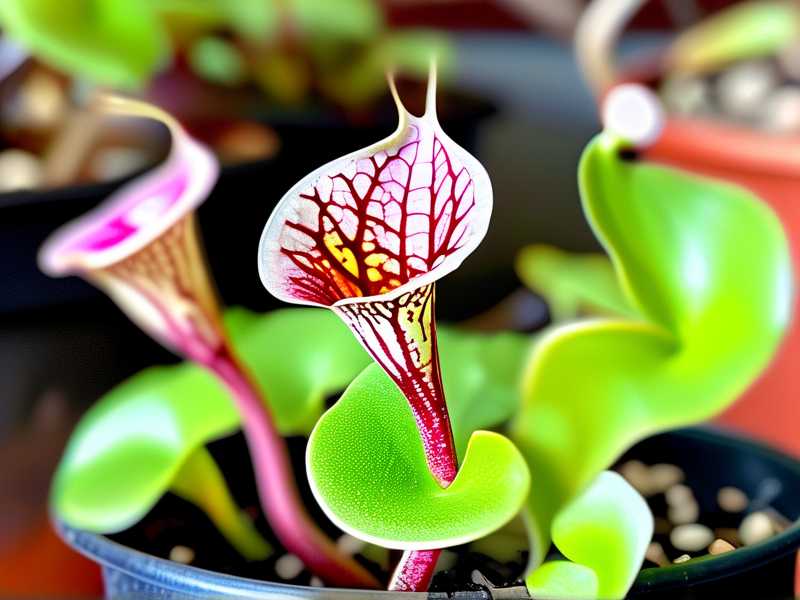
What I do now: I collect rainwater in a barrel. If it doesn't rain, I buy distilled water. It's cheap. One gallon lasts me about two weeks for a single plant. Avoid tap water completely. This is non-negotiable.
Mistake #2: Letting the Soil Dry Out (Yes, Really)
Here's the twist. I said overwatering kills most houseplants. Sarracenia are the exception. They live in bogs. Their roots are constantly wet. If you let the soil dry out even once, the roots die. The plant looks fine for a week, then collapses suddenly. This is one of the biggest beginner Sarracenia care mistakes.
The fix: Put the pot in a tray of water. Always keep one to two inches of water in that tray. In summer, check it daily. In winter, keep it damp but not flooded, depending on your species. Simple.
My 2-week observation: I switched to the tray method. After two weeks, new pitchers emerged that were 30% taller than the old ones. The color was deeper too. The tray method is the single best change I made in my Sarracenia care routine.
Mistake #3: Insufficient Light (The Stretching Plant)
Sarracenia are sun worshipers. They need full sun—at least 6 hours of direct sunlight daily. I tried growing mine on a bright windowsill indoors. It looked okay for a month. Then the new pitchers grew skinny, tall, and floppy. They couldn't hold their own weight.
I tried a grow light for two weeks. The difference was noticeable. The new growth was sturdier. The colors (reds and purples) came back. Without enough light, the plant slowly starves. It cannot produce the sugars it needs to make strong pitchers.
My advice: Outdoors in full sun is best. If you don't have a yard, get a strong grow light (like a SANSI or Mars Hydro) and run it 12–14 hours a day. Place it about 6–8 inches above the plant. Trust me, this matters.
Mistake #4: Using the Wrong Pot (Plastic vs. Clay)
I heard ceramic pots looked nice. So I put my Sarracenia in a glazed ceramic pot. It looked beautiful for a week. Then the mineral buildup started. Glazed pots, terracotta pots, and clay pots all leach minerals into the soil over time. Remember what minerals do? They kill the roots.
What I learned: Use plastic pots. Or glazed ceramic inside a decorative outer pot—but the plant itself must sit in plastic. Drainage holes are not needed if you use the tray method, but they don't hurt either. The key is to avoid porous materials.
My 2-week test: I repotted from terracotta to plastic. After two weeks, the new growth looked healthier. The existing pitchers stopped browning at the edges. This was a clear win.
Mistake #5: Poor Soil Mix (No Peat = No Problem? Actually, Yes)
Some growers say "peat-free" is better for the environment. I respect that. But here's the thing: Sarracenia need an acidic, nutrient-free soil. Peat moss mixed with perlite (50/50) is the classic mix. I tried a regular potting mix once. Big mistake. The fertilizers in it burned the roots within 10 days.
My recommendation: Use sphagnum peat moss + perlite. Or use pure long-fiber sphagnum moss. Do not use any soil with added fertilizer. Sarracenia are carnivorous because they get their nutrients from bugs, not from soil. The roots can't handle minerals in fertilizer.
Real-world note: According to the RHS, carnivorous plants like Sarracenia require nutrient-poor, acidic growing media. The AHS also emphasizes replicating natural bog conditions for successful cultivation. Keep the soil wet, but keep it clean.
Mistake #6: Feeding Them Wrong (And Forgetting Winter Dormancy)
People think Sarracenia need constant feeding. False. They catch their own bugs outdoors. If indoors, you can feed them one or two dried mealworms per month, no more. Overfeeding causes the pitchers to rot.
Also, you must give them a winter dormancy period. Sarracenia need 3–4 months of cold (below 50°F / 10°C) to rest. If you keep them warm indoors all year, they weaken and die slowly.
My experience: My first Sarracenia died because I brought it inside for winter. I thought I was protecting it. I was actually preventing dormancy. Now I keep my plants in a cold garage or unheated room from November to February. They look rough, but they come back strong in spring.
2-week observation after dormancy: After two weeks of warmer weather, the rhizome sprouted new growth. The pitchers were stockier than the previous year. I've learned that dormancy is not optional.
Quick Reference Checklist (What I Follow Now)
- Use rainwater or distilled water only.
- Keep the pot sitting in a water tray, always.
- Give at least 6 hours of direct sun daily.
- Use plastic pots, never terracotta.
- Use a 50/50 peat-perlite mix, no fertilizers.
- Provide winter dormancy, no feeding in winter.
Common Questions From Beginners
Q: How often should I water my Sarracenia? I never water from the top anymore. I just keep the tray filled. In summer, I refill it every 2–3 days. In winter, I keep the soil damp but not flooded.
Q: Can I grow Sarracenia indoors? Yes, but you need a strong grow light (12–14 hours daily). Even then, you'll need a cold window or a very cold room for winter dormancy. Honestly, a greenhouse or sunny balcony works much better.
Q: My Sarracenia's pitchers are turning brown. What does it mean? It could be natural aging, or it could be tap water minerals. If you've been using tap water, switch to distilled immediately. Cut off the brown parts once they're fully dry. The plant will focus energy on new growth.
Q: Should I let it flower? The first flower might be a good idea to let happen, but it costs a lot of energy for the plant. I usually cut the flower stalk off when it appears, so the plant puts energy into making more pitchers.
Final Thoughts
Sarracenia are not hard if you respect their rules. The six mistakes above killed my first few plants. Once I corrected them, my Sarracenia grew from one small pot into a clump of 15-plus pitchers within a single season. That's the payoff.
Start with a plastic pot, a tray of rainwater, and full sun. Forget everything you know about watering normal houseplants. These are bog plants, and they need to be treated as such. The RHS has good resources on carnivorous plant care if you want to dig deeper. I also found the AHS useful for understanding bog garden construction in warmer climates.
Give it a try. Yeah, you'll probably lose one or two plants while you're learning. I did. But once you get the water, soil, and light right, your Sarracenia will grow faster than you ever expected. They're tough, fascinating plants. They just need a little bit of understanding.





