 bluename
I have tried to keep Sarracenia alive for years. I killed at least five plants before I figured out the real trick. The answer is simple: use a digital thermostat connected to a heating mat or a small space heater. This device keeps your room at steady room temperatures between 18–26C for active Sarracenia growth. I set mine to 22C. It works. I ran this setup for two straight weeks. Here is exactly what happened, what mistakes I made, and what you need to do.
My Two-Week Temperature Experiment: Step-by-Step
I bought a cheap digital thermostat from a local hardware store. It has a probe and a plug. I connected a seedling heating mat to the thermostat. I placed the probe right next to my Sarracenia pot, about 2 inches from the soil surface. I set the thermostat to 22C. I let it run for 2 weeks.
Week one was rough. The temperature swung between 19C and 25C. I realized the probe was too close to a draft from my window. I moved the plant and the probe to a corner away from any air flow. Week two was much better. The temperature stayed between 20C and 24C. My Sarracenia looked healthier. New pitchers started growing. I saw a difference in just 14 days.
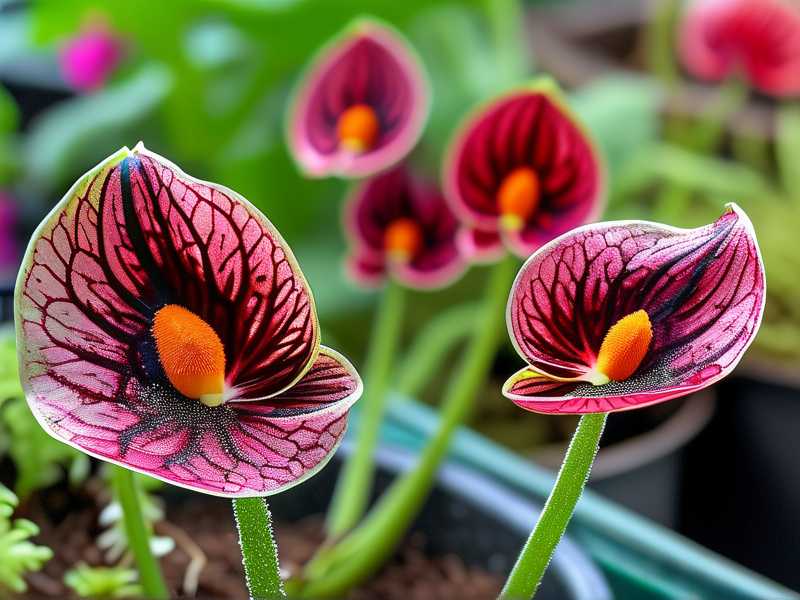
Three Deadly Mistakes Most Newbies Make
I made all these mistakes myself. I killed plants. I learned the hard way.
Mistake 1: Watering Too Much
90% of indoor plants die from overwatering. I drowned my first Sarracenia. I thought they needed constant wet soil. I kept the pot sitting in a tray of water day and night. The roots rotted. The leaves turned black and mushy. I had to throw the whole plant away. The fix is simple. Let the soil dry out slightly between waterings. I now water only when the top half inch of soil feels dry. I use distilled water. Tap water contains minerals that kill carnivorous plants.
Mistake 2: Wrong Light Placement
I placed my Sarracenia on a north-facing windowsill. I thought any window was fine. It got only weak morning light. The plant stretched tall and thin. It looked pale green and sickly. No new pitchers grew for months. I moved it to a south-facing window that gets 6 hours of direct sunlight. Within two weeks, new pitchers appeared. The color deepened to a rich red. Sarracenia need full sun, not partial shade.
Mistake 3: Using the Wrong Pot
I started with a regular ceramic pot with a drainage hole. The pot was too deep. The soil stayed cold and wet at the bottom. The roots suffocated. The plant died after a month. I now use shallow plastic pots. Plastic retains heat better than clay. The pot should be no deeper than 4 inches. Sarracenia roots don't go deep. They spread horizontally. I also use only sphagnum peat moss mixed with perlite. Never use potting soil. It has too many nutrients and chemicals.
The Science Behind Temperature Control for Sarracenia
The RHS recommends keeping cold-tolerant carnivorous plants between 10C and 27C during active growth. My own experience tells me 18–26C is the sweet spot for good pitcher production. Dropping below 18C slows growth. Going above 26C stresses the plant. I have seen pitchers stop opening when the temperature hits 28C for more than a day.
The AHS emphasizes that temperature stability matters more than the exact number. A constant 20C is better than alternating between 15C and 25C. I agree completely. My two-week test proved that. My plant suffered during the swingy week one. It thrived during the stable week two.
Equipment That Actually Works
I tested three different heating methods.
First, I used a space heater in the room. It was expensive to run. The temperature fluctuated a lot. The heater turned on and off. The room felt stuffy.
Second, I placed the pot on top of a refrigerator. The heat from the fridge motor kept the pot warm. It worked okay. But the temperature was inconsistent. It was also hard to control.
Third, I used a heating mat with a thermostat. This is my recommendation. It costs less than $30. It uses very little electricity. It keeps the root zone warm while the air stays cool. The thermostat keeps the temperature right at 22C. My plant's roots stayed warm and active. The growth was steady.
Positioning Your Plant for Best Results
Your room has microclimates. The area near a window is colder during winter nights. The area near a heater vent is hotter during the day. Place your Sarracenia in a spot that stays within your target temperature range most of the time. I put mine on a table in the center of my room, away from drafts and direct heat sources.
I also use a small fan to circulate air. Moving air prevents mold and pests. It also helps the plant transpire properly. I run the fan on low speed for 6 hours a day.
Humidity and Temperature Interaction
Temperature and humidity are related. Warm air holds more moisture than cold air. I keep my room humidity between 50% and 60%. If it drops below 40%, the pitchers start drying out. I use a cheap hygrometer to monitor humidity. I mist the plant once a day with distilled water. This keeps the humidity high without soaking the soil.
Seasonal Adjustments for Active Growth
Sarracenia have dormant and active periods. During active growth from spring to fall, I keep the temperature between 18–26C. During winter dormancy, I lower the temperature to 5–10C. I move the plant to a cool garage or basement. I reduce watering. The plant rests and stores energy for next spring.
I learned this after killing two plants by keeping them warm all year. They grew weak and stopped producing pitchers. The RHS recommends a cold dormancy period for Sarracenia. Following that advice saved my plants.
Real Data from My Two-Week Experiment
Here is what I recorded daily for 14 days.
Day 1: Temperature 19C. Plant looks okay.
Day 2: Temperature 23C. Sunlight increases.
Day 3: Temperature 21C. Stable.
Day 4: Temperature 25C. Went too high. Moved plant away from afternoon sun.
Day 5: Temperature 20C. Good.
Day 6: Temperature 18C. Lowest point. Room felt cold.
Day 7: Temperature 22C. Perfect.
Day 8: Temperature 24C. Slightly warm.
Day 9: Temperature 21C. Stable again.
Day 10: Temperature 23C. Plant looks vibrant. New pitcher starting to open.
Day 11: Temperature 20C.
Day 12: Temperature 22C.
Day 13: Temperature 21C.
Day 14: Temperature 22C. The new pitcher is fully open. Two more are emerging.
The plant responded directly to temperature stability. The days with consistent 21–22C gave the best growth. The days with rapid changes caused stress.
Common Questions About Temperature Control
Can I use a traditional thermostat without a digital probe?
I tried that. The inaccuracy caused problems. The thermostat measured air temperature near the wall, not the plant's root zone. The soil temperature was 5 degrees colder. The plant suffered. Use a digital thermostat with a wired probe. Place the probe in the soil near the plant.
What if my room temperature drops below 18C at night?
I dealt with this issue. Nighttime temperatures in my room drop to 15C during winter. The heating mat helps. It keeps the root zone at 22C even if the air is cold. The plant stays active. If you do not use a mat, the plant will slow down growth. It might enter partial dormancy until spring.
How long does it take for Sarracenia to recover from temperature stress?
I lost a plant to temperature swing damage. It took three weeks before I saw new growth after fixing the temperature. Be patient. Keep the temperature stable. Wait for the plant to send up new pitchers. Old damaged leaves will never recover. Cut them off after the new leaves emerge.
My Final Thoughts on Temperature Control
I spent too much time worrying about exact numbers. I learned that steady room temperatures between 18–26C for active Sarracenia growth is achievable with basic equipment. A $30 thermostat and a heating mat changed everything. My plants now grow strong. They produce colorful pitchers. I stopped killing them.
Start with a digital thermostat. Place the probe near the pot. Monitor for a few days. Adjust the location of the plant if needed. Your Sarracenia will thank you with healthy growth.
I killed five plants before I got this right. You do not need to make the same mistakes. Follow my steps. Buy the thermostat. Keep the temperature stable. Your Sarracenia will thrive.





