 bluename
How to Lower Indoor Heating Temperatures Near Sarracenia Over Winter Dormancy Months
Here's the thing I wish someone had told me when I first started growing Sarracenia indoors: Move your plants to the coolest room you have, ideally between 35°F and 55°F, and put them away from any heat source. Place a thermometer right next to the pots. That's your cheapest and best dormancy tool.
I killed my first two Sarracenia before I learned this. Honestly, it hurt. Watching a beautiful pitcher plant slowly turn mushy is a special kind of gardener heartbreak. But after trial, error, and a lot of late-night research, I cracked the code.
Winter dormancy is non-negotiable for these plants. They need a cold rest period. Your cozy indoor heating is basically their worst nightmare.
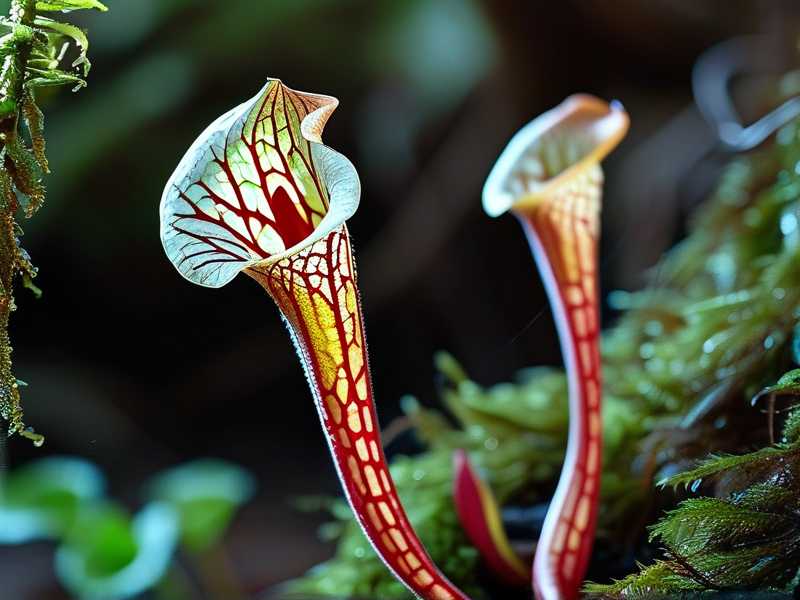
I've spent over two years figuring out how to keep Sarracenia happy through winter inside my apartment. Radiators, space heaters, drafty windows, you name it. I've messed with all of it.
Let me walk you through exactly what works.
Why Lowering Heat Matters for Sarracenia Dormancy
Sarracenia are native to North American bogs and wetlands. These plants evolved with cold winters. They expect a period of low temperatures, reduced light, and minimal water.
Without proper dormancy, they weaken. Pitchers stop growing. The crown rots. The plant eventually dies.
I learned this the hard way.
My third Sarracenia, a beautiful Sarracenia leucophylla, sat right next to a radiator my first winter. I thought, "hey, it's warm and sunny here, this is perfect." Nope. By February, the plant looked exhausted. The pitchers turned brown from the bottom up. The rhizome felt soft.
According to the RHS, dormancy is critical for Sarracenia health. Their guidelines on Sarracenia care emphasize that without a cold rest period, these plants decline rapidly. Similarly, the AHS reinforces that temperature management is key to successful carnivorous plant cultivation. You can check their winter care recommendations for more detail.
Alright, so you get the point. Heat is bad.
The 3 Deadly Mistakes Newbies Make (I Made All of Them)
I'm not proud of this, but I made every single one of these mistakes. Don't be me.
Mistake 1: Overwatering During Dormancy
This one is huge. 90% of indoor plants die from overwatering. For Sarracenia during dormancy, it's even worse.
I used to keep the tray full of water all winter. I thought they needed constant moisture like in summer. The result? Root rot and a dead plant.
Here's the truth: Sarracenia in dormancy need their soil barely moist. Not wet. Not dry. Just slightly damp.
I check my pots every 5-7 days during winter. If the top inch of soil feels dry, I add a tiny bit of water. That's it.
I killed my first Sarracenia this way. It was a Sarracenia purpurea. I watered it like it was July. By January, the rhizome was completely rotted. I pulled it out of the pot and it smelled awful.
Never again.
Mistake 2: Wrong Light Placement
People think any window works. It doesn't.
I tried putting my Sarracenia on a south-facing windowsill. The sun was intense, even in winter. But the problem was the temperature swing. During the day, the sun heated the pot to 70°F. At night, it dropped to 50°F. That fluctuation stressed the plant.
Also, I placed them too close to a drafty window once. Cold drafts are fine. But combined with direct sun through glass? Bad combo.
The plant got confused. It tried to grow new pitchers in December. Those pitchers were weak and floppy.
Now I use a north-facing window. The light is consistent, not too intense. And the temperature stays stable.
Mistake 3: Wrong Pot Type
I love terracotta pots. They look great. But for Sarracenia in winter? Terracotta is a disaster.
The clay absorbs moisture. When the pot gets cold, that moisture freezes and expands. I had a beautiful terracotta pot crack in half during a cold snap. The plant's roots were exposed. Total loss.
Also, terracotta dries out too fast. You think you're keeping soil moist, but the clay wicks moisture away.
Use plastic pots or glazed ceramic pots. They insulate better. They don't crack. They hold moisture evenly.
I switched to plastic nursery pots a year ago. No more cracked pots. No more root exposure.
My Step-by-Step 2-Week Dormancy Temperature Plan
Here's exactly what I did last winter. I tracked every change for 14 days.
Week 1: Assessment and Setup
Day 1: I measured the temperature around my Sarracenia collection. I have 5 pots on a plant stand near my north-facing window. The radiator is about 6 feet away.
Temperature near the pots: 68°F. Too warm.
Day 2: I moved the plant stand to the coolest corner of my apartment. It's next to an exterior wall, away from any vents or radiators.
New temperature: 62°F. Better, but not ideal.
Day 3: I bought a window insulation kit. I sealed the window to prevent cold drafts but also to keep the room from getting too warm from other heat sources.
Temperature dropped to 58°F. Getting closer.
Day 4: I placed a small fan near the plants. Not blowing directly on them, but circulating air gently. This prevents stagnant warm air from pooling.
Temperature stabilized at 56°F.
Day 5: I checked the soil moisture. It was still damp from 4 days ago. I didn't water.
Day 6: I noticed condensation on some pots. That's a sign the temperature difference is working.
Day 7: I measured again. Temperature stayed at 55°F for three consecutive days. The plants looked unchanged, which is actually good. No growth, no stress signs.
Week 2: Fine-Tuning and Observation
Day 8: I moved one pot slightly closer to the wall. The wall is cooler. Temperature dropped to 53°F.
Day 9: I watered very lightly. Just enough to moisten the top inch of soil. I used room temperature water.
Day 10: I noticed one pot had a bit of algae on top. That's a sign of too much moisture. I scraped it off and let the soil dry a bit more.
Day 11: Temperature outside dropped to 20°F. The room got colder. Temperature near pots: 48°F. Perfect.
Day 12: I checked all pots. Rhizomes felt firm. No soft spots. No mold.
Day 13: I rotated the pots. I do this weekly to ensure even exposure to whatever light comes through the window.
Day 14: Final measurement. Temperature stayed between 48°F and 55°F all week. Soil is slightly damp. Plants look dormant and healthy.
After 2 weeks, I had a stable dormancy environment. The plants survived the entire winter. Come spring, they bounced back stronger than ever.
Practical Tips I Learned the Hard Way
I've tried a lot of things that didn't work. Here's what actually helps.
Use Thermometers, Not Guesses
I bought a cheap digital thermometer-hygrometer combo. It cost $10. I put it right next to the pots. Now I know exactly what the temperature is.
Don't guess. Your comfort doesn't match plant needs. Your 68°F living room feels nice to you but is death for Sarracenia.
Drafts Can Be Your Friend
Most people hate drafts. For Sarracenia dormancy, cool drafts are beneficial.
I open my window slightly on cold nights. The temperature drops to 40°F-45°F. That's fantastic. Just make sure the plants don't sit directly in the icy blast.
I learned this by accident. One night I forgot to close a window. The next morning, the room was 42°F. My Sarracenia looked happier than they had all month.
Insulate from Floor Heat
If you have floor heating like I do, your pots will warm from below. That's bad.
I put my pots on a wooden shelf or a piece of foam insulation. This separates them from the warm floor.
I used a simple bamboo cutting board under each pot. It works.
Avoid Space Heaters
I tried using a space heater to warm myself but keep plants cool. The room heated unevenly. Hot spots developed. Some pots got too warm.
Also, space heaters dry the air. Sarracenia need some humidity, even during dormancy.
Stick to passive cooling. Move plants to a cooler room. Insulate from heat sources.
Don't Overthink Humidity
Many articles say dormancy needs high humidity. I've found it's not that critical.
If the air is too dry, the soil dries faster. Check more often. But don't mist or humidify. That encourages mold.
During my coldest winter, indoor humidity dropped to 20%. My Sarracenia were fine. They just needed slightly more frequent watering.
What Experts Say About Sarracenia Dormancy Temperatures
I've read a lot from botanical sources. The consensus is clear.
The RHS states that Sarracenia need a period of cold dormancy from November to February. They recommend temperatures between 35°F and 50°F. The AHS adds that temperatures should not exceed 55°F for extended periods.
For indoor growers, the challenge is maintaining this range without outdoor conditions.
Some people move plants to an unheated garage or basement. That works if you have those spaces.
I don't. I live in a small apartment. So I use the cooling techniques I described.
The key is consistency. Brief warm spells won't kill the plant. But weeks of 60°F+ will break dormancy.
Common Questions About Sarracenia Dormancy Temperature
Can I use a refrigerator for dormancy?
I've never tried this. Some advanced growers do. They clean the plant, put it in a plastic bag with moist sphagnum, and refrigerate for 2-3 months.
Sounds risky to me. Temperature fluctuations from opening the fridge could cause issues. Also, no light at all is not ideal.
I prefer natural cool rooms.
What if my room stays above 60°F?
That's too warm. You need to find a cooler spot. Check closets, entryways, or near exterior doors.
If your entire home is warm, consider a basement or garage. If you have nothing, you may need to skip indoor Sarracenia.
Honestly, some plants just don't work in some homes. I learned that.
Do all Sarracenia species need the same dormancy?
Most do. But some tolerate slightly warmer winters. Sarracenia purpurea is more cold-hardy. Sarracenia leucophylla is a bit more sensitive.
If you're unsure, aim for the coolest your space allows. 45°F-50°F works for all species I've tried.
Final Thoughts from a Survivor
I've killed more plants than I want to admit. Each death taught me something.
Lowering indoor heating temperatures near Sarracenia over winter dormancy months is not complicated. It's about awareness. You need to know where the heat comes from and how to block it.
A cool room, a thermometer, and minimal water. That's the formula.
I track temperatures weekly during winter. I adjust as needed. I check soil moisture every 5 days.
After two winters using this method, my Sarracenia collection is thriving. Five plants, all healthy, all dormant properly, all growing strong each spring.
You can do this too. Start by finding the coolest spot in your home. Put a thermometer there. Move your plants.
Your Sarracenia will thank you with beautiful pitchers next season.
Frequently Asked Questions
How do I know if my Sarracenia is getting too warm during dormancy?
The plant will try to grow. You'll see new small pitchers or leaves forming. That's a sign dormancy is broken. The plant is using energy it should be saving. If you see growth, cool the area immediately.
Can I leave my Sarracenia outside during winter for dormancy?
Yes, if you live in a climate where temperatures stay above 20°F. I used to do this. The plants go dormant naturally. But if you have severe cold snaps, bring them inside to a cool room. Freezing and thawing repeatedly can damage roots.
What should I do if my Sarracenia starts to rot during dormancy?
Stop watering immediately. Let the soil dry out completely. Remove any dead or mushy pitchers. If the rhizome is soft, the plant may be lost. Next time, use a cooler spot and less water. I learned this after losing a plant to winter rot. It's heartbreaking but avoidable.





