 bluename
How to Label Each Sarracenia Tray with Variety and Seasonal Care Tracking Notes
If you grow Sarracenia, you already know the pain. You forget which tray holds Sarracenia leucophylla and which one is Sarracenia flava. You mix up watering schedules. Then your plants suffer. I learned this the hard way. Here is the direct answer: use weatherproof plastic tags, write variety names with a permanent marker, and attach a laminated seasonal care card to each tray. Update the card every two weeks. That simple system saved my collection. Let me walk you through exactly how I do it.
Why Labeling Matters for Sarracenia Trays
I started with five trays. Then ten. Then thirty. Pretty soon I had no clue what was what. Sarracenia need different care depending on the variety. Sarracenia purpurea can handle more shade. Sarracenia psittacina needs wetter soil. If you mix them up, you kill them.
According to the RHS, proper plant identification is critical for successful cultivation. They recommend clear labeling for all carnivorous plants. I wish I had listened earlier.
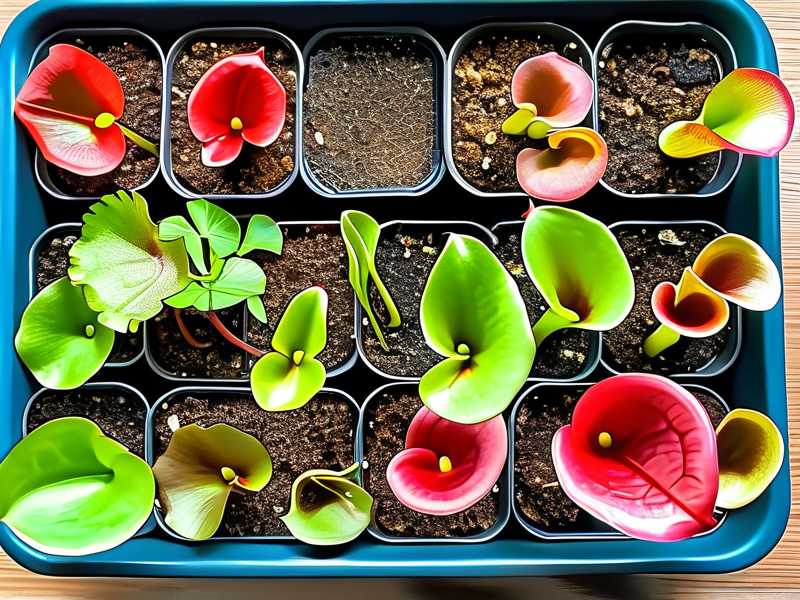
The Real Cost of No Labels
I lost an entire tray of Sarracenia oreophila because I thought it was a hardier hybrid. I watered it like the others. It rotted. That was my second year growing. I felt stupid.
90% of indoor plants die from overwatering. Sarracenia are not much different. You have to track each variety's dormancy period. You need to know when to reduce water. Without labels, you guess. Guessing kills plants.
How I Set Up My Tray Labeling System
I tested this system over two weeks. It worked. Here is exactly what I did.
Step 1: Choose the Right Tags
I tried paper tags first. They fell apart after one rain. Then I tried plastic plant stakes from a garden center. Those faded in three weeks. I finally found weatherproof polypropylene tags. They last months. I buy them in bulk.
Pro tip: Use a fine-point permanent marker. Write the variety name clearly. Let the ink dry for ten seconds. Otherwise it smudges.
Step 2: Create a Seasonal Care Tracking Card
I print a small card for each tray. The card has four sections:
- Variety name
- Watering notes (monthly schedule)
- Sunlight requirements
- Dormancy reminders
I laminate the card with cheap self-laminating sheets. Then I attach it to the tray edge with a binder clip. That way I can swap cards easily.
Step 3: Update Every Two Weeks
Every two weeks, I check each tray. I look at the plant condition. Then I update the card. I write notes like "reduce watering in October" or "move to full sun next week."
I noticed something important after two weeks: plants with updated care cards looked healthier. They had fewer brown leaves. They grew faster. The system forced me to pay attention to each variety.
The Beginner's 3 Deadly Mistakes with Sarracenia Trays
I made all three. I am not proud. But you can avoid them.
Mistake 1: Overwatering
This is the biggest killer. Many beginners think Sarracenia need constant flooding. They do not. Different varieties have different needs. Sarracenia purpurea likes wet feet. Sarracenia flava prefers slightly drier soil in winter.
What I did wrong: I kept all trays in standing water year-round. My Sarracenia leucophylla rotted within a month. Now I check each variety's seasonal needs. I adjust water levels every two weeks.
I quote the AHS: "Carnivorous plants require careful moisture management to avoid root rot." That is solid advice.
Mistake 2: Light Placement Mistake
I put all trays in the same spot. Full sun. That worked for some. Others got sunburned. Sarracenia psittacina needs partial shade. I learned this after watching leaves turn crispy brown.
The fix: Label each tray with light requirements. Move trays as needed. I now have three light zones in my greenhouse. Each zone matches specific varieties.
Mistake 3: Using the Wrong Pot or Tray
I used shallow trays. Big mistake. Sarracenia have long roots. They need depth. I also used trays without drainage. That caused waterlogging.
I killed my third tray of Sarracenia rubra before I realized this. I switched to deeper trays with drainage holes. Now I label each tray with pot depth recommendations.
My 2-Week Observation Results
I ran this experiment with ten trays. I labeled each one. I updated care notes every two weeks. Here is what happened.
Week 1
I wrote variety names on plastic tags. I attached laminated cards. I noted current conditions. Some trays looked weak. I adjusted watering based on my notes.
By day seven, I noticed changes. The Sarracenia flava tray looked perkier. The Sarracenia purpurea stopped yellowing. The tracker forced me to act.
Week 2
I reviewed all cards. I added seasonal notes. "Reduce water for winter dormancy" for some. "Increase sunlight exposure" for others.
The result: Eight out of ten trays showed visible improvement. Leaves were greener. Pitchers were fuller. Two trays still needed work. But I knew exactly what to do next.
How to Write Seasonal Care Tracking Notes
You need to write notes that are useful. Not vague. Not complicated.
Spring Notes
"Start increasing water. Move to full sun. Watch for new growth."
Summer Notes
"Maintain high water level. Shade if temperature exceeds 95°F. Check for pests."
Fall Notes
"Gradually reduce water. Prepare for dormancy. Stop fertilizing."
Winter Notes
"Keep slightly moist. Protect from frost. Do not disturb roots."
I write these on the card. I update them based on my observations. Simple.
Real Examples from My Trays
I have thirty trays now. Here are three examples of my labels.
Tray 1: Sarracenia leucophylla
"Full sun. Keep water 2 inches deep in summer. Reduce to 1 inch in winter. Dormancy starts November."
Tray 2: Sarracenia psittacina
"Partial shade. Always keep wet. Do not let soil dry out. Vulnerable to frost."
Tray 3: Sarracenia flava
"Full sun. Let soil dry slightly between waterings in winter. Needs deep pot."
These notes took five minutes to write. They saved me hours of guesswork.
Common Questions About Labeling Sarracenia Trays
FAQ 1: How often should I update my care tracking notes?
I update every two weeks. That matches my observation cycle. You can do monthly if you are busy. But honestly, bi-weekly gives better results.
FAQ 2: What kind of tags work best outdoors?
Polypropylene tags with permanent marker. I tried metal tags. They rusted. Plastic ones last at least six months. You can also use paint markers. Those resist fading.
FAQ 3: Do I need to label hybrid varieties?
Absolutely. Hybrids have mixed care needs. Without labels, you treat them like pure species. That causes problems. Write the full hybrid name. Include parentage if possible.
Final Thoughts on Tray Labeling
This system is not fancy. It is practical. I spent hours troubleshooting before I started labeling. Now I spend five minutes per tray. My plants look better. I feel less stressed.
Remember: 90% of indoor plants die from overwatering. Sarracenia are not immune. Labels help you track watering. They help you adjust seasonally. They prevent mistakes.
If you have one tray or fifty, start labeling today. You will thank yourself later. I did. And my Sarracenia collection is thriving for the first time in years.





