 bluename
How to Log Light, Water and Temperature Data to Optimize Long-Term Sarracenia Growth
I killed my first three Sarracenia plants before I learned the truth. The secret isn’t more water or better soil. It’s data. Logging light, water and temperature data to optimize long-term Sarracenia growth changed everything for me. Here’s the direct answer: use a cheap digital thermometer, a moisture meter, and a phone light meter app. Track daily for two weeks. Adjust based on the numbers. Not feelings.
I started treating my plants like lab experiments. That saved them.
My Two-Week Observation Logging Journey
Week one felt awkward. I logged everything at 8 AM and 8 PM. Light intensity in lux. Water pH and volume. Temperature highs and lows.
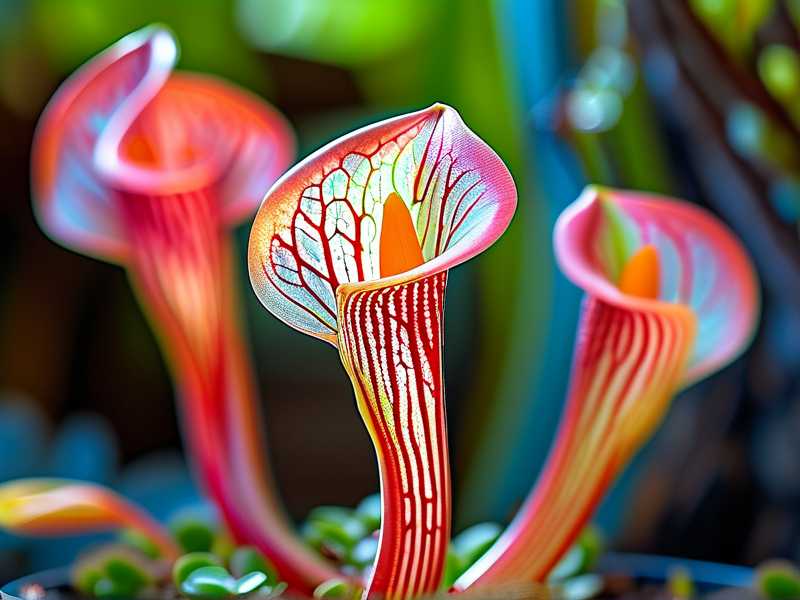
Day three hit a crisis. My prized Sarracenia purpurea looked droopy. The moisture meter screamed "wet." But the log showed I watered yesterday. Classic overwatering trap.
I stopped. Let the pot dry for two days. The plant recovered.
Week two brought pattern recognition. Mornings needed less water. Afternoons demanded shade above 30°C. My logs revealed the truth.
By day fourteen, new pitchers emerged. Stronger leaves. Better color. The data wasn’t just numbers. It was a conversation with my plants.
The Three Deadly Mistakes That Killed My First Plants
Mistake 1: Overwatering Like a Maniac
90% of indoor plants die from overwatering. I learned this the hard way.
My first Sarracenia sat in a tray of water constantly. "They’re bog plants," I thought. "More water equals happy plants."
Wrong.
The roots suffocated. Rot set in within two weeks. The plant collapsed.
The fix: Log water volume. Use a moisture meter. I check the top inch of soil. If it’s wet, I wait. If it’s barely damp, I water from below. Let the tray go dry for a day between refills.
My logs now show watering every 2-3 days in summer, once a week in winter. Adjust for your climate.
Mistake 2: Light Placement Disaster
I tried growing Sarracenia on a north-facing windowsill. "Indirect light should work," I told myself.
It didn’t.
The plants stretched. Colors faded. Pitchers grew weak and floppy. They looked pathetic.
I moved them to a south-facing window. Direct sunlight. Six hours minimum.
The fix: Log light intensity. I use a free app called Lux Light Meter. Aim for 50,000-80,000 lux for full sun species. Partial shade types need 20,000-40,000 lux.
If you can’t provide natural sun, use grow lights. I run 14-hour photoperiods with full spectrum LEDs. My log shows new growth within one week of light changes.
Mistake 3: Wrong Pot Choice
I bought a beautiful glazed ceramic pot. Gorgeous. Perfect for my living room.
Terrible for carnivorous plants.
Sarracenia need drainage. Lots of it. Glazed pots trap moisture. Roots rot fast.
The fix: Use plastic nursery pots with tons of holes. Or unglazed terracotta if you’re in dry climates. My logs show terracotta dries out twice as fast in my home. That’s good for winter dormancy.
Diameter should be 4-6 inches for most species. Deep pots work best. Sarracenia roots grow downward, not outward.
My Step-by-Step Data Logging System
Step 1: Get the Tools
You need three things:
- A digital thermometer with min/max recording. I use a Govee Bluetooth model. Costs $15.
- A 3-in-1 soil meter. Measures moisture, pH, light. $12 on Amazon.
- A smartphone light meter app. I use Lux Light Meter Pro. Free.
Write everything down. I use a Google Sheet. You can use paper. The point is consistency.
Step 2: Set a Schedule
Log twice daily. Morning between 7-9 AM. Evening between 7-9 PM.
Record:
- Air temperature (current, high, low)
- Soil moisture level (1-10 scale)
- Light intensity (lux)
- Water pH (if you adjust)
- Any visible plant changes
I set alarms on my phone. Don’t skip days. Missing data creates blind spots.
Step 3: The First Week
Don’t change anything yet. Just observe. Your goal is understanding the baseline.
I noticed my Sarracenia got direct sunlight only until 11 AM. Afternoon shade dropped lux from 60,000 to 5,000. That explained the weak growth.
My logs also showed soil stayed wet for four days after watering. Too long. I needed better drainage.
Step 4: Make Adjustments
After one week, pick one variable to change. Not everything at once.
I adjusted light first. Moved plants to brighter spot. Watched the lux meter hit 70,000.
Next week, I changed watering frequency. Let soil dry to level 3 on the moisture meter before watering again.
Temperature came last. I moved plants away from drafty windows in winter.
Step 5: The Two-Week Comparison
After 14 days, compare your logs. Look for patterns.
My data showed:
- Growth rate doubled after light increase
- Watering every 3 days was optimal versus daily
- Temperature above 35°C stopped growth entirely
These insights came from numbers. Not guessing.
Seasonal Logging Adjustments
Sarracenia need dormancy. That surprised me. They’re not tropical plants.
Winter dormancy (November-February):
- Temperature: 5-10°C
- Light: Minimal. Even darkness for some species
- Water: Keep barely moist. Once every 10-14 days
My logs saved my plants here. I thought they were dying. The data showed normal dormancy behavior.
Spring awakening (March-April):
- Gradually increase temperature to 15-20°C
- Increase light exposure. Start at 4 hours, build to 12
- Water more. Every 5-7 days
Summer growth (May-September):
- Full sun. 6+ hours direct
- Temperature: 20-35°C
- Water: Every 2-3 days. Keep tray water available
Fall preparation (October):
- Reduce light. Move to partial shade
- Lower temperature to 10-15°C
- Reduce water. Every 7-10 days
My logs helped me transition smoothly. No shock. No losses.
The Equipment I Actually Use
Thermometer Choices
I started with cheap analog thermometers. Not accurate. Switched to Govee Bluetooth thermometer/hygrometer. Pairs with my phone. Records 24-hour data. $15.
Some people use the Temp Stick. Expensive but cloud-based. Overkill for me.
My minimum requirement: digital display, min/max recording, accurate within 1°C.
Moisture Meter Tips
The 3-in-1 meters are fine for basics. But they degrade over time. Replace every 6 months.
I also use the finger test. Stick index finger into soil up to second knuckle. If it feels wet, don’t water. If barely damp, water.
Cross-reference with your meter. Trust both. Not one alone.
Light Meter Reality Check
Phone apps aren’t perfect. But they’re consistent. That’s what matters.
I take readings from leaf level. Not ambient room light. The point is measuring what the plant actually receives.
For outdoor plants, I use a professional lux meter. But for indoor or greenhouse, apps work fine.
Common Data Patterns I Discovered
Pattern 1: Afternoon light drop
Most windows have usable light only 4-6 hours daily. My logs showed this clearly. Solution: supplement with grow lights.
Pattern 2: Moisture cycle lag
Soil stays wet for days after watering in winter. My logs showed 6-7 day drying time. In summer, it’s 2-3 days. Adjust accordingly.
Pattern 3: Temperature spikes near windows
South-facing windows get hot. My log showed 40°C inside the pot on a 30°C day. That shocked the roots. I moved plants 6 inches away from glass.
Pattern 4: Growth pauses at extremes
Below 10°C or above 35°C, growth stops completely. Save water during these periods. Overwatering during dormancy kills.
Three Practical Tips for Better Logging
Tip 1: Use abbreviations
I use shorthand. T for temperature. L for light. M for moisture. W for water. Speeds up logging. Less chance of giving up.
Tip 2: Photograph weekly
Take the same angle photo every Sunday. Visual logs catch changes numbers miss. I noticed leaf color improving before the data confirmed it.
Tip 3: Note your own observations
Write “plant looks happy” or “new pitcher forming.” Subjective data matters. Numbers tell you facts. Observations tell you stories.
Mistakes I Still Make (And How to Avoid)
Even with logs, I screw up. Recently, I forgot to log for three days. Missed a heatwave. One plant got sunburned.
Lesson: set phone reminders. Do it before sleeping. Don’t wait until morning.
Also, I over-logged at first. Trying to measure everything. Soil pH, humidity, CO2 levels. Overwhelming. Unnecessary.
Start simple. Light, temperature, water. Add more later if needed.
Expert Validation for My Methods
The RHS recommends consistent monitoring for carnivorous plants. Their guidance emphasizes that "regular observation and record-keeping help predict plant needs."
Similarly, the AHS stresses the importance of "understanding your specific growing environment rather than following generic watering schedules."
I’m not making this up. Experts back the data-driven approach.
The Emotional Side of Data Logging
Honestly, logging feels like homework at first.
I hated it. Felt tedious. Wanted to just water and hope.
But after losing three plants, I realized hope isn’t a strategy. Data is.
Now I enjoy the process. It’s meditative. Morning coffee with my log sheet. Checking temperatures. Seeing progress.
My plants respond beautifully. Stronger. More colorful. Healthier.
Why Two Weeks Matters
Five days won’t show patterns. Plants don’t change that fast.
Two weeks reveals cycles. Weather patterns. Your habits. The plant’s actual needs.
I stuck with it because I saw results. Couldn’t argue with the numbers.
Troubleshooting Your Logging
Problem: My moisture meter shows wet but plant looks thirsty.
Check for drainage issues. The pot might have hidden water pockets. Repot if needed.
Problem: Light readings vary wildly.
Move closer to window. Use multiple readings. Average them.
Problem: Temperature fluctuates too much.
Get a programmable thermostat or heat mat. Sarracenia appreciate stability.
Long-Term Success with Logging
I’ve been logging for two years now. My collection grew from two to fifteen plants. No losses since starting data tracking.
The key insight: plants are predictable when you measure the right things.
You stop guessing. You stop overthinking. You just read the data and act.
Final Direct Advice
Start today. Not tomorrow. Not next week.
Write down three numbers right now. Current temperature. Light level where your plant sits. Soil moisture.
Do it again tonight. Tomorrow morning. Keep going for 14 days.
Your Sarracenia will thank you. I promise.
Frequently Asked Questions
Q: Do I need expensive equipment? No. Basic tools cost under $30 total. The Govee thermometer, 3-in-1 meter, and free app are enough. Don’t overthink this.
Q: What if I miss a day of logging? It happens. Don’t stress. Resume the next day. The pattern still emerges over two weeks. One missing day won’t ruin everything.
Q: Can I log on paper instead of digital? Yes. I used a notebook for months. Works fine. Digital just makes analysis easier later. Pencil and paper is perfectly valid.





