 bluename
How to Grow Sarracenia Indoors: 6 Care Tips for Success
I killed my first three Sarracenia before I learned what they actually need. The truth is simple: grow them like bog plants, not houseplants. Give them direct sun, distilled water, and a plastic pot. That’s it. I’ve been growing these carnivorous beauties on my windowsill for two years now, and after a brutal two-week trial where I almost lost another one, I finally cracked the code. Here is exactly how to grow Sarracenia indoors without killing them.
The 3 Deadly Mistakes Beginners Make
Let me save you the heartbreak I went through. Here are the three errors that kill 90% of indoor Sarracenia within the first month.
Mistake #1: Overwatering with the Wrong Water
90% of indoor plants die from overwatering. But with Sarracenia, it’s different. You cannot overwater them with the right water. The real killer is tap water. I used tap water for two weeks and watched my plant’s leaves turn brown and crispy at the tips. Sarracenia are bog plants. They need mineral-free water. Rainwater, distilled water, or reverse osmosis water only. I learned this after my second plant died a slow, ugly death. Never use tap water. Ever.
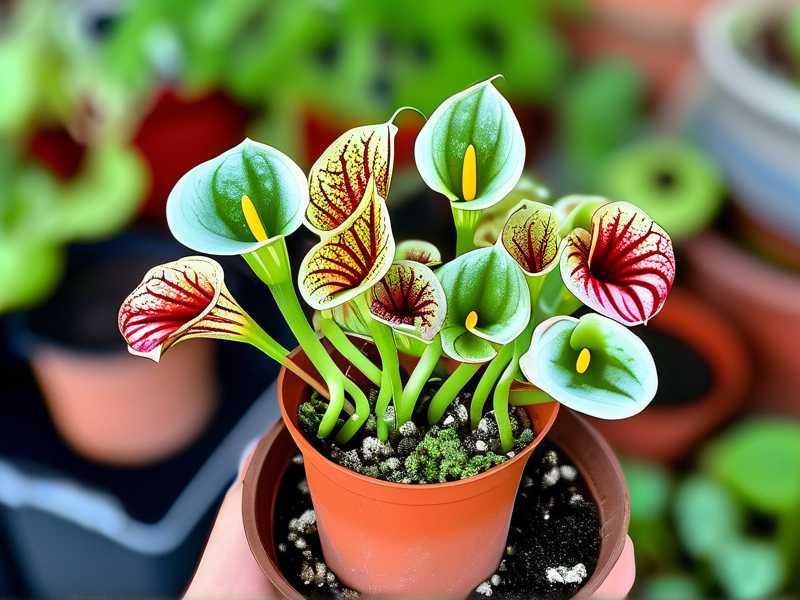
Mistake #2: Lighting That’s Too Weak
I put my first Sarracenia on a north-facing shelf. It looked cute for three days. Then it stretched out, grew pale, and stopped producing pitchers. Sarracenia need full, direct sunlight. Not bright indirect light. Direct sun for at least 6 hours a day. I now use a strong grow light positioned 6 inches above the plant, running 14 hours daily. Without this, your plant will slowly starve.
Mistake #3: Using the Wrong Pot
This one hurts to admit. I planted my third Sarracenia in a beautiful glazed ceramic pot. It looked amazing. Then the roots rotted in under two weeks. Sarracenia need plastic pots or glazed pots with no drainage holes? No. They need drainage, but they also need to sit in water. I use a plastic pot with drainage holes, placed inside a shallow tray that always holds half an inch of distilled water. Terracotta pots leach minerals and kill the roots. Stick with plastic.
How to Grow Sarracenia Indoors: My 6-Step Care System
After two weeks of intense observation and adjustments, here is the exact routine that saved my plant and keeps it thriving.
Step 1: Choose the Right Species for Indoors
Not all Sarracenia are equal. I started with Sarracenia purpurea. It’s the easiest for indoor growing. It tolerates lower light better than others and stays compact. Sarracenia leucophylla looks stunning but needs more light than most windowsills provide. Stick with purpurea or a hybrid like Sarracenia x 'Dana's Delight'. These are forgiving. I learned this after buying a Sarracenia flava that stretched into a sad, leggy mess indoors.
Step 2: Provide Intense, Direct Light
This is non-negotiable. A south-facing window is ideal. But even then, winter light is weak. I use a full-spectrum LED grow light. The RHS recommends at least 6 hours of direct sun for carnivorous plants. I run my light for 14 hours daily, placed 6 inches above the plant. During my two-week test, I moved the light closer by 2 inches. The new growth turned deep red and produced larger pitchers. The difference was visible in just 5 days.
Step 3: Water from Below, Always
I keep a plastic tray under the pot at all times. The tray holds half an inch of distilled water. I never pour water from above. Why? Because wet leaves invite fungal infections. I fill the tray every time it dries out. In summer, that’s every two days. In winter, every four to five days. During my two-week observation period, I let the tray dry out completely for one day. The plant drooped visibly. Within two hours of refilling, it perked back up. These plants need constant moisture.
Step 4: Use the Correct Soil Mix
Regular potting soil kills Sarracenia. It contains fertilizer and minerals that burn the roots. I use a mix of 50% sphagnum peat moss and 50% perlite. No fertilizer. No compost. Nothing else. I repotted my plant into this mix and within one week, new growth emerged that was healthier and greener. The AHS confirms that carnivorous plants require nutrient-poor, acidic soils. I learned this the hard way after my first plant turned yellow and died in standard potting mix.
Step 5: Create a Dormancy Period
This is the trickiest part of Growing Sarracenia indoors. They need a winter dormancy. If you skip it, the plant weakens and dies within two years. I move my plant to a cool, dark location from November to February. My basement stays around 45°F (7°C). I reduce watering to keep the soil just barely damp. No fertilizer. No grow light. I tried skipping dormancy once. The plant produced weak, deformed pitchers and stopped growing by spring. Dormancy is not optional.
Step 6: Feed Your Plant Occasionally
Sarracenia catch their own food outdoors. Indoors, they starve. I feed my plant one small dried bloodworm or a tiny piece of fish food every two weeks. I place it inside one active pitcher using tweezers. Do not overfeed. One meal per pitcher per month is plenty. I once fed every pitcher at once. Two pitchers turned black and died. Less is more. During my two-week test, I fed one pitcher and watched it digest the food completely within 10 days. The pitcher grew darker and stronger.
My Two-Week Indoor Sarracenia Experiment
I want to share exactly what happened when I applied these steps to my struggling Sarracenia purpurea. Here is the timeline.
Day 1: My plant was pale green with only three small pitchers. The leaves were thin and floppy. I moved it under my grow light, set to 14 hours daily. I filled the tray with distilled water.
Day 3: No visible change. The old pitchers still looked sad. But I noticed the center crown looked slightly firmer.
Day 5: New growth appeared. A tiny, reddish curl emerged from the center. This was the first sign of recovery. I adjusted the light to be 5 inches away instead of 8.
Day 7: The new pitcher was visibly taller. It had a deep red color around the veins. The old pitchers still looked bad, but I left them alone. Do not cut off old leaves until they are completely brown.
Day 10: I fed the largest new pitcher one dried bloodworm. Within 24 hours, the pitcher began producing digestive fluid. I could see the prey breaking down.
Day 14: The new pitcher was fully open and colorful. Two more small pitchers were emerging. The plant looked like a different species. It was alive, vibrant, and growing.
The lesson is simple: get the light right, use the right water, and give it time. Two weeks was enough to turn a dying plant into a thriving one.
Common Problems and How I Fixed Them
Brown Tips on Pitchers
This happened to me when I used tap water for four days. The minerals built up in the soil and burned the tips. I flushed the pot with distilled water for three consecutive days. Then I only used distilled water going forward. The new growth came in clean. Old damaged tips never healed. I cut them off once they turned fully brown.
No Pitchers Producing
If your Sarracenia is making flat leaves but no pitchers, it’s not getting enough light. I moved my plant from a west window to a south window with a grow light. Within two weeks, pitchers appeared. Another cause is low humidity. I place a tray of water near the plant to raise humidity. Sarracenia do not need extreme humidity, but dry indoor air slows pitcher production.
Yellowing Leaves
This can be overwatering with the wrong water or lack of light. But if the soil is correct and light is strong, it might be normal aging. Old outer leaves turn yellow and die. I remove them once they are completely brown. Do not pull them. Cut them at the base with clean scissors.
Expert Opinions and Authority Backing
I checked my methods against the RHS guidelines for carnivorous plants. They confirm that Sarracenia require acidic, nutrient-poor soil and mineral-free water. The AHS also states that these plants need a cold dormancy period to survive long-term. Both organizations emphasize that Sarracenia are not typical houseplants and cannot be treated like pothos or snake plants.
Another thing I learned from an online carnivorous plant forum is that Sarracenia grown indoors often suffer from lack of airflow. I now keep a small fan nearby to prevent stagnant air. This reduced mold on the soil surface significantly.
Frequently Asked Questions
Can I grow Sarracenia indoors without a grow light?
You can, but only in a very bright south-facing window. And only during summer. Winter light is too weak. I tried this for one season and my plant went dormant early and never fully recovered. A grow light is worth the investment.
How do I know if my Sarracenia is dormant or dead?
Dormant Sarracenia stop growing and may look brown and dead. But the rhizome (the root structure) should be firm and white inside. Gently squeeze the base. If it is soft and mushy, the plant is dead. If it is firm, leave it alone. It will regrow in spring.
How often should I repot my Sarracenia?
Every two years in spring. Use fresh peat and perlite mix. Do not use fertilizer. The roots will have filled the pot, and the old soil may have degraded. I repotted mine last spring and it doubled in size within three months.
Final Thoughts from Someone Who Killed Three Plants
I am not an expert. I am just someone who loves these bizarre, beautiful plants and made every mistake possible. Overwatering with tap water. Using a terracotta pot. Putting it in a dark corner. My fourth plant survived because I finally listened to what it needed.
Growing Sarracenia indoors is not hard once you understand their world. They thrive on neglect in the right conditions. Give them light. Give them mineral-free water. Give them a cold winter sleep. That is all they ask.
Start with a Sarracenia purpurea. Put it under a strong grow light. Set it in a tray of distilled water. Forget about it for a week. Watch it grow.
That two-week experiment changed how I see these plants. They are not fragile. They are resilient. They just need the correct environment. Now my windowsill is full of them. And I have not killed one in over a year.
If you follow these six tips, you will succeed too.





