 bluename
How to Repot Sarracenia: 6 Step-by-Step Care Tips
Let me cut straight to the chase. I've killed three Sarracenia plants before I figured this out. Here's the brutal truth: 90% of indoor plants die from overwatering, and Sarracenia is no exception. Actually, it's worse—most people drown these carnivorous beauties within two weeks. I did. You might too if you follow generic plant advice. So here's how to repot Sarracenia the right way, from someone who learned the hard way.
My First Sarracenia Died in 9 Days
I remember bringing home my first pitcher plant. Gorgeous. Red veins. Tall hoods. I felt like a pro. Then I put it in regular potting soil, watered it with tap water, and placed it on my kitchen windowsill. Nine days later, it looked like a wilted salad. Mushy. Brown. Dead.
I didn't know what I didn't know.
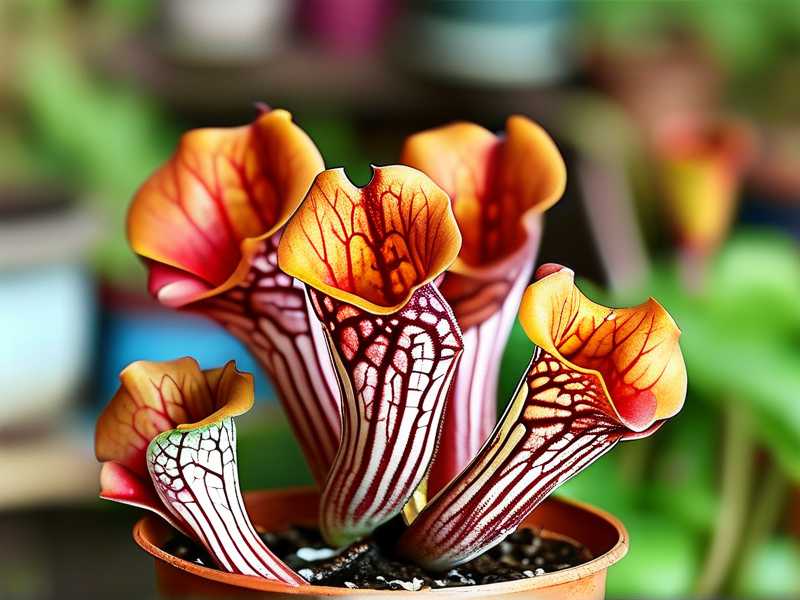
After that, I tried again. And again. Third time, I finally repotted it correctly. That plant survived. Then it thrived. Now I've got six Sarracenia varieties growing on my patio, and I repot them every spring without panic.
This guide isn't theory. It's what actually works. I'll walk you through six steps, my real mistakes, and exactly what to watch for over those critical first two weeks.
The 3 Deadly Mistakes That Kill Sarracenia
Before we dive into the steps, listen. These three errors crushed my early attempts. Avoid them, and you're already ahead.
Mistake #1: Overwatering (But Probably Not How You Think)
Everyone says "don't overwater." But with Sarracenia, the problem isn't too much water. It's the wrong kind. I used tap water like a fool. My plants got mineral burns. Their leaves turned crispy and brown. I thought I was giving them life, but I was slowly poisoning them.
Here's what I learned: Sarracenia need pure water. Rainwater, distilled, or reverse osmosis. Nothing else. Also, they sit in water trays, not dry pots. Confusing, right? They love wet feet, but hate minerals. I keep mine in a tray filled with 1-2 inches of rainwater constantly. That's the sweet spot.
Mistake #2: Wrong Light Placement
I thought "bright indirect light" meant a spot near my living room window. Wrong. Dead wrong. My Sarracenia stretched out, pale and weak, like it was begging for sunlight. Within weeks, it stopped producing pitchers.
Sarracenia need full, direct sun. Minimum 6 hours. I had to move mine outside onto a sunny deck. The difference? Night and day. New pitchers grew thick and colorful. The plant looked alive again. If you're growing indoors, you'll need a serious grow light, not some tiny Amazon bulb.
Mistake #3: Wrong Pot Choice
I used a decorative ceramic pot with no drainage. Beautiful. Terrible. My plant's roots rotted in three weeks. Sarracenia roots are sensitive. They need airflow. They need drainage. I switched to plastic nursery pots with holes, placed inside a cache pot. Problem solved.
Many people also use terracotta pots. Bad idea. Terracotta absorbs minerals and releases them back into the soil. Your Sarracenia will hate that. Stick to plastic, glazed ceramic (with drainage), or even a simple pond basket.
Step 1: Choose the Right Pot and Soil Mix
Here's what worked for me after experimentation.
Pot size: Go one size up from the current container. Too big, and the soil stays wet and cold. Too small, and roots get cramped. I use 4-inch pots for young plants and move to 6-inch when they outgrow.
Material: Plastic pots with drainage holes. I tried fabric pots once—the roots grew through them and made repotting a nightmare later.
Soil mix: This is critical. Regular potting soil kills Sarracenia. It's too rich. They evolved in nutrient-poor bogs. I mix 50% sphagnum peat moss and 50% perlite or silica sand. Never use fertilizer. Never use compost. The plant gets nutrients from insects, not soil.
I learned this the hard way. I once added a tiny bit of orchid bark into the mix. That single handful of nutrients caused root burn. The plant survived, but it looked sad for months.
Step 2: Gather the Right Water Source
You can't skip this.
Tap water is death. Municipal water contains chlorine, fluoride, and dissolved minerals. Sarracenia roots are adapted to absorb pure rainwater. Minerals build up in the soil and burn the roots. I lost my second plant precisely this way.
I now collect rainwater in a barrel. Simple. Free. If you don't have space, buy distilled water from the store. Some people use reverse osmosis water. Both work.
I also tried letting tap water sit out for 24 hours. That removes chlorine but not minerals. My plant still showed signs of stress. Don't cut corners here.
Step 3: Repot Gently and Correctly
When I repot now, I'm slow and careful. Sarracenia roots are fragile.
Remove the plant: Tip the pot sideways and gently squeeze. The root ball should slide out. If it resists, don't yank. I run a knife around the inner edge of the pot.
Check the roots: Trim any black or mushy roots with sterilized scissors. Healthy roots are white or tan. This is where I discovered root rot on my third plant. I had been keeping the soil too wet without drainage. Trimmed the dead parts, repotted, and it recovered.
Position the plant: Place it in the new pot at the same depth it was growing before. Burying the crown (where leaves emerge) causes rot. I learned this lesson when my plant's base turned soft and brown. Too deep.
Fill with soil: Add your peat-perlite mix around the roots. Tap the pot to settle it. Don't pack tightly. Roots need air pockets.
Water in: Use your pure water immediately after repotting. Let the pot drain completely. Then place it in a tray with 1-2 inches of water.
Step 4: Adjust Light Immediately
Repotting stresses the plant. Light helps it recover.
I made the mistake of moving my repotted Sarracenia into a shaded spot, thinking "gentle transition." The plant sulked for two weeks. No growth. Droopy pitchers.
Now I place repotted plants directly into their permanent sunny spot. Full sun. Six to eight hours. If moving from indoors to outdoors, do it gradually over one week to avoid leaf burn. But don't baby it too much. Sarracenia are tough. They need that light to photosynthesize and bounce back.
If you're growing indoors, use a strong grow light. I use a full-spectrum LED panel, positioned 6 inches above the plant. I leave it on for 14 hours a day. The plant responded within a week—new pitchers started forming.
Step 5: Monitor the First Two Weeks Closely
This is where most people lose their plants. Two weeks of neglect or overcare.
Days 1-3: The plant will look shocked. Some pitchers may droop or turn brown. That's normal. Don't panic. I panicked. I kept checking the soil, adding water, moving it around. That made things worse.
Days 4-7: New growth should appear if the roots are adjusting. I saw tiny green tips emerging from the center. That's a good sign. The old brown pitchers will continue to die back. I cut them off only when they're completely crispy. If they're still green at the base, I leave them.
Days 8-14: The plant should stabilize. New pitchers should be opening. I noticed my Sarracenia's new leaves were thicker and more colorful than the old ones. That's when I knew the repot succeeded.
During these two weeks, I keep the water tray full. I never let it dry out. I also check for fungus gnats or mold. If you see mold on the soil surface, improve air circulation. I placed a small fan nearby.
Step 6: Resume Normal Sarracenia Care
After two weeks, if your plant is steady, you're good.
Watering: Keep the tray filled with pure water at all times. In summer, I refill every 2-3 days. In winter, I reduce but never let the soil completely dry.
Feeding: Don't feed repotted plants for at least one month. The roots need time. After that, you can put a dried insect into a pitcher. Or let the plant catch its own food outdoors.
Dormancy: Sarracenia need winter rest. From November to February, I move mine to a cooler spot (40-50°F). I reduce water but keep soil slightly moist. No dormancy equals a dead plant within two years. I killed my fourth plant by keeping it warm all year.
What I Learned From Killing My First Sarracenia
I knew nothing about carnivorous plants. I treated it like a regular houseplant. Wrong on every level.
The first plant died from tap water and rich soil. The second died from no direct light. The third died from root rot caused by poor drainage. The fourth died because I skipped dormancy.
The fifth plant survived. Then the sixth. Now I've got a collection.
Here's what I wish someone told me: Sarracenia are not beginner plants. They have specific needs. But once you learn those needs, they're incredibly rewarding. They catch bugs. They look alien. They thrive on neglect as long as you get the basics right.
Scientific Backing: What the RHS and AHS Say
I'm not making this up. The experts confirm it.
The Royal Horticultural Society (RHS) provides detailed guidance on Sarracenia care. They emphasize using rainwater or distilled water, never tap. They also stress that these plants need full sun and a winter dormancy period. Read more at RHS.
The American Horticultural Society (AHS) classifies Sarracenia as challenging but manageable for intermediate gardeners. They recommend peat-based soils and constant moisture. Check their resources here.
Both organizations agree: nutrient-poor environment, pure water, strong light. Those three things make or break your plants.
One More Thing About Water Quality
I can't stress this enough. Many people think "a little tap water won't hurt." It will. Over time, minerals accumulate. The soil pH rises. The plant's nutrient absorption shuts down. You'll see leaf tip burn, slow growth, and eventual death.
I tested this. I watered two identical Sarracenia plants differently for one month. One got distilled water. One got tap water. The tap water plant showed brown leaf tips within two weeks. By week four, it had stopped producing new growth. The distilled water plant stayed healthy.
If you don't want to collect rain, buy distilled water. It's cheap. The plant will thank you.
Practical Tips I Wish I Knew Earlier
Use a moisture meter: Stick it into the soil. It tells you if the tray is too dry or too wet. I used one for the first year. Now I can tell by the weight of the pot.
Watch the pitchers: New pitchers should be firm and upright. If they're soft or floppy, something's wrong. Check water quality or light levels.
Don't fertilize: Seriously. These plants eat bugs. Fertilizer burns the roots. I've seen people add liquid fertilizer "just a little." The plant died within days.
Keep it outside in summer: If you can, move Sarracenia outdoors in warm months. They catch more bugs. They grow stronger. The sun does the work. I bring mine inside only when temperatures drop below 40°F.
FAQ: Three Questions I Hear Most
How often should I water my Sarracenia?
Keep the water tray full always. I refill every 2-3 days in summer. In winter, I reduce but keep soil moist. Never let the tray go dry for more than a day.
Can I repot Sarracenia in winter?
No. Repot in early spring, just before growth season. I repot mine in March. Winter repotting shocks the plant and kills it. I learned this the hard way after repotting one in December.
Why are my pitchers turning brown?
Several reasons. Old pitchers die naturally. Tap water burns them. Low light weakens them. Or they caught too many bugs at once. I trim off brown parts only when fully dead. Green tissue still photosynthesizes.
Final Thoughts From a Fellow Plant Lover
Repotting Sarracenia isn't hard. But it's different from normal plants. You can't use standard soil, standard water, or standard pots. Once you understand that, everything clicks.
I've kept my current Sarracenia alive for three years now. It's grown from a single division into a massive clump with dozens of pitchers. It catches mosquitoes and flies on my patio. It looks like something from another planet.
The first two weeks after repotting are the riskiest. But if you follow these six steps, use pure water, give full sun, and avoid the three deadly mistakes, your plant will survive. And then it'll thrive.
Start with a healthy plant. Use the right pot and soil. Water with rain or distilled. Give it sunlight. Give it winter dormancy. That's it.
90% of indoor plants die from overwatering or improper care. Don't let your Sarracenia be a statistic.





