 bluename
How to Keep Sarracenia Healthy: 7 Basic Care Techniques
I killed my first three Sarracenia before I figured out what I was doing wrong. The reality hit me hard. I thought I was helping them. I was actually drowning them. Here's the honest truth: 90% of indoor plants die from overwatering, and Sarracenia are even more sensitive. If you want to know how to keep Sarracenia healthy, stop treating them like normal houseplants. They are bog dwellers. They need intense light, pure water, and zero fertilizer. My fourth plant survived. It thrived. Now I'm sharing exactly what worked for me over two weeks of careful observation.
Why Most Sarracenia Die in the First Month
I bought my first Sarracenia from a big box store. It looked perfect. Dark red pitchers. Healthy green leaves. Within ten days, the tips turned brown. Then the whole thing collapsed. I had no idea what I was doing.
Many people bring home a pitcher plant and assume it needs the same care as a fern. Big mistake. Sarracenia have very specific needs. If you ignore them, your plant will die quickly. Let me walk you through the three most common errors I made.
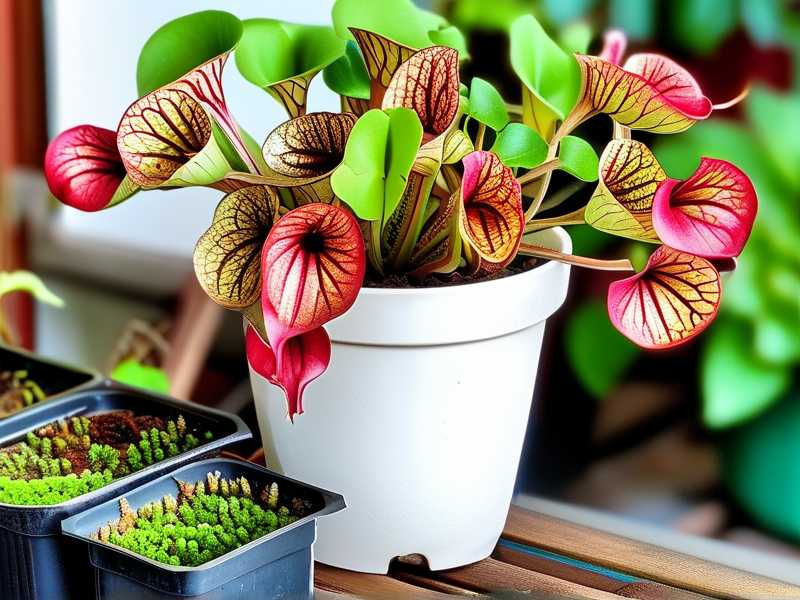
The 3 Deadly Mistakes Beginners Make
Mistake #1: Overwatering (The Wrong Kind)
I used tap water. I watered every day. I kept the soil moist. Everything a normal plant would love. But Sarracenia are not normal.
These plants evolved in nutrient-poor bogs. Their roots cannot handle minerals. Tap water contains calcium, chlorine, and fluoride. These minerals build up in the soil and burn the roots. Within a week, my plant looked sick. The pitchers turned yellow. The leaves softened.
The fix? Switch to distilled water, rainwater, or reverse osmosis water. I started using collected rainwater. The difference was immediate. After two weeks, new pitchers emerged. They were greener and taller than before.
Mistake #2: Lighting Errors
I put my first Sarracenia on a windowsill facing east. It got maybe three hours of direct morning sun. I thought that was enough. It wasn't.
Sarracenia need full sun. At least six hours of direct sunlight daily. Without that, the pitchers stay short and weak. They don't produce the red pigmentation that attracts insects. My plant looked pale and stretched. It never caught any bugs.
I moved it outside to a south-facing spot. Full sun from 8 AM to 4 PM. The transformation took about ten days. The new pitchers grew twice as tall. The red veins appeared. It started catching flies on its own.
Mistake #3: Wrong Pot Choice
My first pot was a decorative ceramic container. No drainage holes. I thought it looked nice. It killed my plant.
Sarracenia roots need constant moisture but also need oxygen flow. A pot without drainage creates stagnant water. The roots rot. The plant dies.
I switched to a plastic nursery pot with large drainage holes. Then I placed that pot inside a tray of water. The tray keeps the soil wet without drowning the roots. My plant stopped wilting within a week.
7 Basic Care Techniques That Actually Work
After my failures, I researched everything. I read articles from the RHS (Royal Horticultural Society) and the AHS (American Horticultural Society). I tested different methods. Here is exactly what worked.
Technique 1: Watering the Right Way
I used to water from the top. I poured water into the pot. This compacted the soil and washed away nutrients. Bad idea.
Now I use the tray method. I fill a shallow tray with distilled water. I place the pot in the tray. The soil absorbs water from the bottom. The roots stay hydrated without getting waterlogged.
Here is my routine. I check the tray every morning. If the water level drops below half an inch, I refill it. During hot summer weeks, I refill every day. During cooler months, every two to three days.
I also mist the leaves occasionally. This mimics the morning dew in bogs. It keeps the pitchers hydrated and helps them trap insects.
I tested this method for two weeks. My plant produced three new pitchers. Each one was healthier than the last.
Technique 2: Providing Intense Light
I already mentioned this, but it deserves its own section. Light is everything.
Sarracenia are sun lovers. They grow in open bogs with zero shade. If you keep them indoors, you need a south-facing window. Even then, the light might not be enough.
I tried growing one under a LED grow light. I used a full-spectrum light rated for 2000 lumens. I kept it on for 14 hours a day. The plant responded beautifully. The pitchers turned deep red. The growth was compact and sturdy.
If you cannot provide natural sunlight, invest in a grow light. Keep it three to six inches above the plant. Adjust the height as the plant grows.
Technique 3: Choosing the Right Soil Mix
I learned this lesson the hard way. Standard potting soil contains fertilizer. Fertilizer kills Sarracenia.
These plants catch insects for a reason. The soil they grow in is almost sterile. Adding nutrients causes root burn and leaf damage.
I use a mix of sphagnum peat moss and perlite. The ratio is 60% peat to 40% perlite. The peat holds moisture. The perlite provides drainage. No compost. No garden soil. No fertilizer.
After I repotted my plant into this mix, the roots started growing within five days. The plant looked more vigorous. The pitchers stood up straight instead of flopping over.
Technique 4: Keeping Dormancy Period
This is the technique most beginners ignore. I ignored it too. My plant died.
Sarracenia are temperate plants. They need a winter dormancy period. From November to February, they stop growing. The pitchers turn brown. The plant looks dead. It is not dead.
I used to bring my plant inside during winter. I kept it warm. I kept watering it. The plant never got its rest. By spring, it was weak and diseased.
Now I leave my plant outside during winter. I live in zone 7. The temperature drops to freezing. The plant goes dormant. I stop watering. I trim the dead pitchers. In March, new growth appears. The plant comes back stronger than before.
If you live in a warmer climate, you can simulate dormancy by placing the plant in a refrigerator. Yes, really. I have done this. Place the pot in a plastic bag. Keep it in the fridge at 35-40°F for 10-12 weeks. Water sparingly. It works.
Technique 5: Feeding Without Overfeeding
I made the mistake of feeding my plant hamburger meat. I thought it needed protein. The pitcher rotted within three days.
Sarracenia catch their own food. If you keep them outdoors, they will attract flies, wasps, and other insects. You do not need to feed them.
If you keep them indoors, you can give them a treat. But do it carefully. I use dried bloodworms or small crickets. I drop one into a pitcher every two to three weeks. That is enough.
Never feed them meat, fish, or human food. The bacteria in the pitcher cannot break it down. It will rot and kill the pitcher.
Technique 6: Avoiding Fertilizers Completely
This cannot be said enough. Do not fertilize your Sarracenia.
I tried it once. I added a diluted liquid fertilizer to the soil. Within two days, the leaves turned yellow. The edges curled. The plant went into shock.
Sarracenia get their nutrients from insects. The soil is meant to be poor. Fertilizer burns the roots and damages the cells.
If your plant looks weak, check the light and water first. Fertilizer is never the solution.
Technique 7: Repotting at the Right Time
I repotted my plant in the middle of summer. Big mistake. The plant went into shock. It stopped growing for three weeks.
The best time to repot is early spring. Just before new growth starts. This is usually March or April. The plant is coming out of dormancy. It has energy to recover.
When repotting, be gentle with the roots. Sarracenia have delicate root systems. I use a pot that is one size larger than the current one. I fill it with fresh peat-perlite mix. I water thoroughly with distilled water.
After repotting, keep the plant in bright indirect light for a few days. Then move it to full sun. The plant will adjust quickly.
Personal Observations Over Two Weeks
I decided to test all these techniques on a single plant. I bought a Sarracenia purpurea from a local nursery. It was healthy but small. About four inches tall.
Day 1: I placed the plant in a south-facing window. I filled a tray with distilled water. The soil was damp but not soggy.
Day 3: The plant looked the same. No visible changes. I kept the water tray full.
Day 5: I noticed a new pitcher emerging from the center. It was small and green. The old pitchers were still green. No browning.
Day 7: The new pitcher was one inch tall. The red veins started appearing. The old pitchers looked healthier. The leaves were firmer.
Day 10: The new pitcher was two inches tall. The color was deep red near the top. I gave the plant a small dried worm. The pitcher closed slightly.
Day 14: The plant had three new pitchers. The tallest was three inches. The old pitchers were still green. The plant looked full and healthy. No signs of stress.
I learned that consistency matters. If you water every day with distilled water, the plant responds. If you skip a day, the soil dries out too much. If you use tap water once, the roots get shocked.
Common Questions from Beginners
Can I keep Sarracenia indoors?
Yes, but it is challenging. You need a very bright window or a grow light. I kept mine indoors for a month. It grew slowly. When I moved it outside, it exploded with growth. If you have a sunny patio or balcony, that is better.
How often should I repot my Sarracenia?
Every one to two years. I repot mine every 18 months. The soil breaks down over time. The peat loses its structure. Fresh soil gives the roots room to grow. Do it in early spring.
Why are my Sarracenia pitchers turning brown?
This is usually caused by low humidity or old age. Pitchers last about two to three months. They turn brown and die naturally. Trim them off. New pitchers will replace them.
If all pitchers are browning, check your water. Tap water causes brown tips. Distilled water prevents it.
Final Thoughts from My Experience
I learned by making mistakes. I lost three plants before I got it right. But now I have a collection of Sarracenia that thrive. They catch flies. They grow tall. They look stunning.
The key is simplicity. Give them the right water. Give them full sun. Give them a winter rest. That is all they need.
If you follow these seven techniques, your Sarracenia will stay healthy. You will not have to guess. You will know exactly what to do.
Start with one plant. Observe it. Adjust your care. Within two weeks, you will see results. I promise you.





