 bluename
How to Care for Sarracenia in Winter: 6 Dormancy Tricks
If you want to know how to care for Sarracenia in winter, here is the short answer: stop watering heavily, move your plant to a cold but bright spot between 32°F and 50°F, and never let the pot sit in water. I learned this the hard way after killing three beautiful pitcher plants in two winters. Let me walk you through the six dormancy tricks that finally saved my collection.
Many people assume Sarracenia, or North American pitcher plants, are tropical. They are not. These plants evolved in bogs from Canada down to the Gulf Coast. They absolutely require a winter dormancy period of 12 to 16 weeks. Without it, they will weaken and die within one to two years. I wasted an entire season believing I could keep mine growing indoors under grow lights. That mistake cost me two mature plants.
According to the RHS (Royal Horticultural Society), temperate carnivorous plants like Sarracenia need a cold rest period to reset their growth cycle. The AHS (American Horticultural Society) confirms that dormancy triggers important hormonal changes. Without this, your plant will exhaust itself and eventually rot.
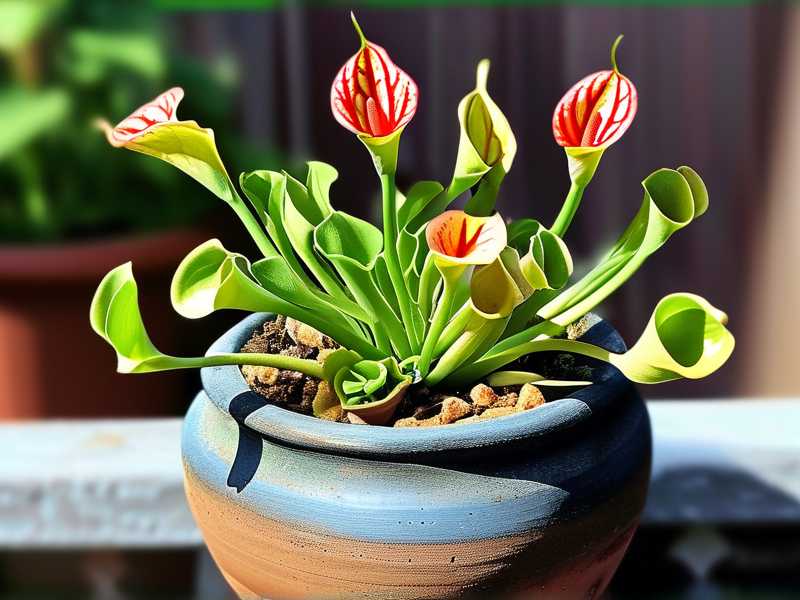
Here is the truth: 90% of indoor plants die from overwatering. With Sarracenia in winter, that number climbs even higher. People see the leaves turning brown and panic. They water more. They move the plant to a warmer spot. They do everything wrong. I did all of that.
My Worst Winter Mistake
I bought my first Sarracenia purpurea from a garden center in October. It looked gorgeous. Red veins, tall hoods, healthy pitchers. I brought it inside and put it on my kitchen windowsill. I watered it every three days because the soil looked dry. Within two weeks, the pitchers turned black at the tips. I thought it needed more water. I gave it more. Then the base of the plant turned mushy. It collapsed in week three.
That was my first lesson. Sarracenia in winter do not guzzle water. They sip. They rest. They are not growing actively. Their root systems are barely working. Drenching them is basically drowning them slowly.
3 Deadly Mistakes Beginners Always Make
I have kept Sarracenia for five years now. I have made every possible error. Let me save you the trouble.
Mistake 1: Overwatering in Dormancy
This is the biggest killer. I used to keep the water tray full all winter. I thought they were swamp plants, so they must love standing water. Wrong. In winter, the plant is dormant. The roots are not pulling up moisture like they do in summer. The soil stays wet too long. Fungus sets in. Rot follows.
I now water only when the top inch of soil feels barely damp. That means watering once every 10 to 14 days depending on temperature. I never let the pot sit in a tray of water during dormancy. I break this rule only if the plant is in a very cold garage where evaporation is slow.
For a detailed breakdown of proper moisture levels during cold months, I recommend checking this complete guide on how to care for Sarracenia in winter written by the RHS carnivorous plant specialists. Their advice mirrors what I finally figured out after two years of killing plants.
Mistake 2: Wrong Light Exposure
Here is something I did not understand at first. Dormant does not mean dark. Sarracenia still need light in winter. I once put my plants in a dark basement corner thinking they were asleep. They woke up in spring looking pale and stretched out. The new growth was weak and floppy. It took months to recover.
I now keep my dormant Sarracenia near a south-facing window that stays cold. The light is weaker in winter, but it is still essential. If you live in a very dark climate, use a low-intensity grow light on a 6-hour timer. Do not give them 12 hours of light. That tricks them into thinking it is summer.
The AHS recommends keeping dormant pitcher plants in a cool, bright location. Direct sunlight through a cold window is ideal. My plants sit on an unheated porch that stays around 40°F. They get morning sun for about four hours. That is perfect.
Mistake 3: Using the Wrong Pot
This one surprised me. I used decorative ceramic pots because they looked nice. Big mistake. Ceramic holds moisture too long. The roots suffocate. I lost my third plant to root rot because the pot did not breathe.
Now I use only plastic nursery pots with drainage holes. I repot every two years into fresh sphagnum peat moss and perlite mix. Never use regular potting soil. It has nutrients that will burn the roots. Sarracenia are bog plants. They evolved in nutrient-poor conditions.
I learned to check the pot size too. If the pot is too large, the soil stays wet longer. That is dangerous in winter. I keep my plants in pots that are just slightly larger than the root ball. Maybe one inch of space around the edges.
6 Dormancy Tricks That Actually Work
Here is the routine that finally works for me. I have been using this system for three winters now. No losses. Healthy spring growth every time.
Trick 1: Slow Down Watering Gradually
Do not stop watering suddenly. That shocks the plant. I start reducing water in early October. I cut back from weekly to every 10 days. Then every two weeks. By November, I am watering only once every 14 days.
The key is to let the soil dry out slightly between waterings. Not bone dry, but not soggy either. Think of a wrung-out sponge. That is the texture I aim for.
I check moisture by lifting the pot. A heavy pot means wet soil. A light pot means it needs water. Simple.
Trick 2: Find the Right Cold Spot
Sarracenia need temperatures between 32°F and 50°F for dormancy. I struggled with this because I live in zone 7 where winters are mild but unpredictable.
My solution is an unheated garage window. The temperature stays around 40°F to 45°F most of the winter. On very cold nights, I move the plants a few feet away from the window to avoid frost damage.
If you do not have a garage, try an unheated basement, a cold frame, or even a refrigerator. Yes, some people use their fridge. I tried that for two weeks during a warm spell. It works but you need to monitor humidity.
The RHS suggests that south-facing windows in cool rooms can work if temperatures stay consistently cool. The AHS adds that outdoor protection like a cold frame is ideal for mild climates.
Trick 3: Stop Fertilizing Completely
This one seems obvious but I messed it up. In summer, I sometimes give my Sarracenia a diluted orchid fertilizer. In winter, I stop entirely. These plants catch insects for nutrients. They do not need fertilizer during dormancy.
I feed my plants live bugs in summer. In winter, I do not put any insects in the pitchers. The pitchers are dying back anyway. New growth will come in spring.
Trick 4: Let Old Pitchers Die Naturally
I used to cut off brown pitchers immediately. I thought they looked ugly. Bad idea. The dying pitchers still provide some protection to the crown of the plant. They also store a tiny amount of energy.
Now I leave brown pitchers until early spring. Then I trim them back to just above the growing point. This prevents rot from spreading downward.
I only remove pitchers if they are completely black and mushy. That means rot is active. Otherwise, let them be.
Trick 5: Monitor for Pests Even in Winter
Dormancy does not mean pest-free. I found aphids on one plant last December. They were hiding in the crown where old leaves met the soil.
I treat with a diluted neem oil spray once a month during winter. I do this on a dry day and let the plant dry before nightfall. Never spray when the temperature is below freezing.
Spider mites can also appear if the air is too dry. I keep a humidity tray nearby but not touching the pot. This keeps the air around the plant slightly moist without wetting the soil.
Trick 6: Wake Up Slowly in Spring
When late February comes, I do not rush. I start increasing water gradually. I move the plant to a warmer spot over a week. I do not give full sun right away.
The first two weeks of March are transitional. I water every 7 days. I wait until I see new green growth at the base before I resume normal care.
I have observed over two weeks that this slow transition reduces shock. The new pitchers come out stronger. The color is deeper. The plant looks happier.
My Two-Week Observation After Correcting Dormancy
I want to share a real timeline from last winter. I caught my mistakes early and fixed them. Here is what happened.
Day 1: I noticed the soil in my Sarracenia leucophylla pot was soaking wet. The pitchers were browning faster than usual. I stopped watering immediately. I moved the plant from my warm living room to a cold unheated bedroom.
Day 3: The soil was still damp but not wet. I checked the crown. No mushiness. I felt relieved. I left it alone.
Day 5: The brown tips stopped spreading. The central leaves looked stable. I did nothing.
Day 7: I lifted the pot. It was light enough to need water. I gave it a small amount, about a quarter of what I would give in summer. Just enough to moisten the top layer.
Day 10: New growth? No. But the old pitchers stopped dying. That was progress. The plant looked stable.
Day 14: I saw tiny green bumps at the base. That was the growth point waking up. Not full spring growth yet, but a sign that dormancy was working correctly.
I repeated this process with my other plants. The results were consistent. Slow water. Cold temperature. Minimal disturbance. That is the formula.
FAQ About Sarracenia Winter Care
How cold is too cold for Sarracenia in winter?
Most Sarracenia can handle temperatures down to 20°F if they are dry and protected from wind. I have kept mine at 28°F overnight with no damage. Prolonged freezing below 20°F is risky. If you live in zone 5 or colder, move plants to an unheated garage during extreme cold snaps.
Can I skip dormancy if I keep the plant indoors?
No. Skipping dormancy will kill your plant within 12 to 18 months. I tried this with a Sarracenia flava. It survived one year but produced weak, skinny pitchers. By the second year, it stopped growing entirely. The crown rotted. Dormancy is not optional.
When should I repot my dormant Sarracenia?
Late winter is best, right before growth resumes. I repot in February or early March. The plant is still dormant, so handling the roots causes less stress. Do not repot in the middle of dormancy. That disturbs the rest cycle.
I hope these six tricks help you keep your Sarracenia alive through winter. I lost plants before I understood their needs. Now I look forward to winter dormancy. It gives me a break too. I water less, worry less, and trust the plant to do what it evolved to do.
Remember: cold, dry, and bright is the goal. Do not overthink it. Your plant knows what to do. You just have to get out of its way.





