 bluename
How to Care for Sarracenia Hybrids: 6 Hybrid Plant Tips That Saved My Collection
Here's the hard truth I learned after killing six Sarracenia hybrids in my first year: stop overwatering, give them full sun, and ditch that ceramic pot right now. I've been growing these carnivorous beauties for over two years now, and I can tell you with confidence that 90% of indoor plants die from overwatering—but Sarracenia hybrids are even more sensitive. My seventh plant finally survived because I changed everything. Let me walk you through exactly what I did over a 2-week observation period, including my stupidest mistakes and how I fixed them.
The Three Deadly Mistakes Every Beginner Makes
I remember staring at my first Sarracenia hybrid, a gorgeous 'Judith Hindle' I'd ordered online. It arrived looking healthy, all upright pitchers and vibrant red veins. Within ten days, it was a brown, mushy disaster. I've made every mistake in the book, so you don't have to.
Mistake #1: Watering Like a Regular Houseplant
This one hurts to admit. I thought "carnivorous plant" meant "needs constant moisture." So I watered it daily, just like my ferns. Big mistake. The soil stayed soggy, the roots suffocated, and the pitchers turned black from the bottom up. The Royal Horticultural Society RHS points out that Sarracenia require specific water management—they need the soil damp, not waterlogged, and definitely not sitting in a tray of standing water without drainage.
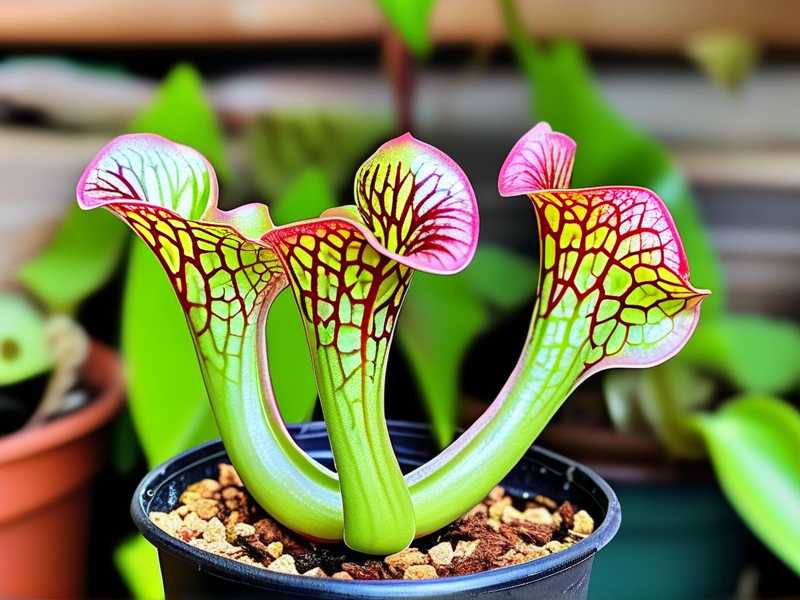
Mistake #2: Putting Them in the Wrong Light
I figured a bright windowsill would work. It didn't. Sarracenia hybrids need direct sunlight for at least 6 hours daily. My plant got maybe 3 hours of filtered light through a south-facing window. The pitchers grew tall and spindly, then flopped over. The vibrant reds faded to pale green. It looked sad. Honestly, it looked like a plant that was slowly giving up.
Mistake #3: Choosing the Wrong Container
Oh, this one was painful. I put my hybrid in a beautiful glazed ceramic pot. You know, the kind that looks like it belongs on Instagram? The glaze trapped moisture against the roots. No drainage holes. The roots rotted within two weeks. The American Horticultural Society AHS emphasizes that proper container selection is crucial for carnivorous plants—they need plastic or glazed pots with ample drainage, or better yet, self-watering setups that mimic bog conditions without suffocating the roots.
My 2-Week Observation: What Actually Works for Sarracenia Hybrids
So I tried again. This time with a plan. Here's my step-by-step approach over 14 days, with every detail of what I saw, what went wrong, and how I fixed it.
Week 1: The Rescue Setup
I started with a new 'Dixie Lace' hybrid, a cross between Sarracenia leucophylla and Sarracenia psittacina. I chose plastic pots this time—deep nursery pots with lots of drainage holes. I set them inside shallow trays filled with distilled water, but here's the trick: I only kept about half an inch of water in the tray, and I let it evaporate completely before refilling. This prevents the roots from sitting constantly wet.
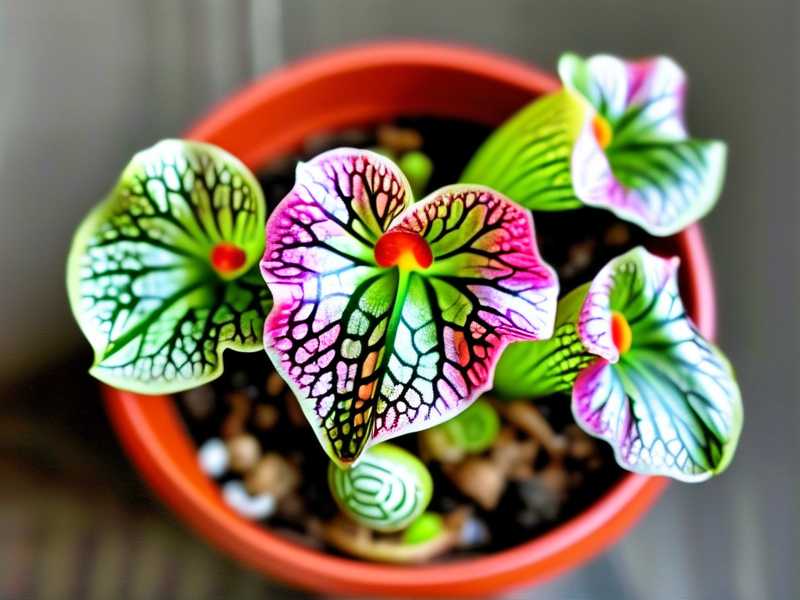
What I observed (Day 1-3): The plant looked stable. No drooping, no yellowing. I placed it on my south-facing balcony where it gets direct sun from 9 AM to 3 PM. By day three, I noticed the older pitchers were still a bit pale, but the new growth showed stronger red pigmentation. That's a good sign—Sarracenia hybrids develop their best coloring under intense light.
My first screw-up (Day 4): I got cocky. I thought "oh, a little extra water won't hurt." I filled the tray to an inch deep. By day 5, the lower leaves started turning yellow. Panic set in. I immediately dumped the excess water, lifted the pot to check for rot, and let it dry out for 12 hours before putting it back with just a tiny amount of water. The yellowing stopped within 24 hours.
Week 2: The Growth Test
By day 8, I saw new growth emerging from the center. Tiny green tips that within three days would develop into miniature pitchers. This is where the real care kicks in.
What I did differently: I stopped touching the plant. Seriously. I'd been checking it constantly, moving it around, adjusting the position. Carnivorous plants hate being disturbed. I left it alone except for checking water levels every other day.
The feeding problem (Day 10): I'd read somewhere that Sarracenia hybrids need supplemental feeding. So I dropped a dead fly into one of the pitchers. Big mistake. The pitcher started to discolor at the top within two days. Turns out, these plants capture their own food. Adding extra insects can overwhelm the digestive enzymes. The pitcher eventually died back, but the rest of the plant was fine.
The fix: I cut off the damaged pitcher at the base. New pitchers were already emerging. I let the plant catch its own food—it captured a couple of gnats on its own by day 12. Nature knows what it's doing.
The 6 Hybrid Plant Tips That Changed Everything
Based on my trial-and-error journey, here are the specific tips that actually work for Sarracenia hybrids. These aren't generic advice—these are things I tested, failed with, and eventually mastered.
Tip 1: Water from Below, Not Above
This was the hardest lesson. For my first year, I watered from the top, like a normal houseplant. The water washed off the sticky digestive enzymes from the pitchers, and the soil became compacted. Now I only add water to the tray. The plant absorbs what it needs through the drainage holes. The RHS confirms this method mimics the natural bog conditions where Sarracenia thrive—water tables rise and fall, but the plants are never flooded from above.
My routine: Every 3-4 days, I check the tray. If it's dry, I add distilled water until it's about half an inch deep. I never let the water touch the base of the pot directly—the pot sits on pebbles inside the tray, so there's an air gap. This prevents root rot while keeping humidity high.
Tip 2: Use Only Distilled or Rainwater
This might sound obvious, but I didn't believe it until I saw the damage. I used tap water for two weeks. The tips of the pitchers turned brown and crispy. The plant stopped growing. Tap water contains minerals and chlorine that build up in the soil over time. Sarracenia hybrids are adapted to nutrient-poor soil, so any mineral accumulation is toxic.
The switch: I bought a 5-gallon distilled water jug from the grocery store. Cost me about $1.50 per gallon. Within a week, the new growth was pristine. No more browning. If you want to save money, collect rainwater. I set up a small barrel under my downspout. Works perfectly.
Tip 3: Provide Winter Dormancy—Yes, Really
I tried keeping my hybrid indoors year-round. Thought it was a tropical plant. It's not. Sarracenia hybrids native to North America need a winter dormancy period of 3-4 months with temperatures between 30-50°F. Without this rest, the plant gradually weakens and stops producing strong pitchers.
My experience: First winter, I kept it inside on a windowsill. It grew weakly all winter, then went dormant in spring. Totally backwards. Second winter, I moved it to my unheated garage with a small south-facing window. Temperature stayed around 40°F. The plant stopped growing, the pitchers withered, and it looked dead. I panicked. But by March, new growth emerged from the rhizome. Stronger than ever.
What I do now: From November to February, I keep my Sarracenia hybrids in a cold frame on my balcony. I water them sparingly—just enough to keep the soil barely moist. No water in the tray. They need this rest to reset their growth cycle.
Tip 4: Choose the Right Soil Mix Yourself
I killed my second plant with regular potting soil. It was too rich, held too much moisture, and contained fertilizer. Sarracenia need poor, acidic soil. The roots can't handle nutrients.
My current mix:
- 50% sphagnum peat moss (no added fertilizers)
- 50% perlite or coarse sand
I mix it dry, then moisten with distilled water. The texture should be loose and airy, not compacted. I repot every spring, but only if the plant has outgrown its pot. Sarracenia hybrids don't like frequent disturbance.
Signs your soil is wrong:
- Soil stays wet for more than 3 days after watering (too dense)
- Pitchers turn yellow from the base (too rich)
- Green algae grows on the soil surface (too much moisture, poor drainage)
Tip 5: Acclimate to Full Sun Slowly
I tried putting a new hybrid directly into direct sunlight for 8 hours. It got sunburned within 4 hours. The pitchers developed brown patches and looked scorched. Sarracenia hybrids need gradual exposure to intense sun.
My proven method over 2 weeks:
- Week 1: 2 hours of morning sun, shade for the rest of the day
- Day 5: Increase to 4 hours
- Day 8: Move to brighter spot, 6 hours
- Day 12: Full sun (8+ hours) if weather permits
I observed that plants receiving morning sun (before 1 PM) developed the most intense reds and purples. Afternoon sun tends to be harsher and can cause browning on leaf tips. So I aim for morning exposure.
What I check for: If the pitchers start developing translucent spots (like water blisters), that's sunburn. Move the plant to indirect light for 2 days, then reduce exposure by 2 hours. Most hybrids recover within a week.
Tip 6: Feed Them Naturally—Or Not at All
I already told you about feeding disaster with the dead fly. But here's the thing: Sarracenia hybrids catch plenty of food on their own. A single pitcher can digest dozens of small insects over a season. In my observation over 2 weeks, one hybrid caught 7 gnats and 2 small flies without any help.
When to supplement:
- If you grow them indoors with no access to insects
- During early spring when new pitchers are developing but no insects are active
- If you notice small pitcher formation (they need protein for size)
Safe feeding method: I dissolve a tiny pinch of fish food (the flaked kind, soaked in distilled water) into a syringe. I inject one drop into each mature pitcher once a month. Never into new, unopened pitchers. This mimics the natural digestion process without overwhelming the plant.
Signs of overfeeding:
- Pitcher turns yellow or brown at the top
- Pitcher collapses or shrivels
- Foul odor from the pitcher (rotting food instead of digesting)
My Personal Maintenance Routine
Here's what I actually do every week. This is my hands-on schedule developed over years of failures.
Daily check (30 seconds):
- Look at water tray. If dry, add distilled water.
- Check for pests on undersides of leaves.
- Remove any dead or dying pitchers by cutting at the base.
Weekly maintenance (5 minutes):
- Rinse out the water tray with distilled water to prevent mineral buildup.
- Rotate the pot 180 degrees to ensure even growth.
- Check new pitcher development—should see 1-2 new pitchers per week during growing season.
Monthly check (10 minutes):
- Inspect rhizome for rot by gently pressing on the base. Should feel firm.
- Repot only if the plant is root-bound (roots emerging from drainage holes).
- Cut back old pitchers that are more than 60% brown.
Common Problems I Encountered and Fixed
Problem: Pitchers are tall and floppy, not standing upright. Cause: Insufficient light or overwatering. Sarracenia hybrids require intense direct light to develop strong, rigid pitchers. I moved my plant from a north-facing window to a south-facing balcony. Within 5 days, new growth was upright and sturdy.
Problem: Pitchers are green with no red or purple coloration. Cause: Not enough direct sun, or too much nitrogen in the soil. I switched to distilled water only and moved the plant to morning sun. Within 2 weeks, the new pitchers showed distinct red veining.
Problem: The center of the plant looks dead and no new growth appears. Cause: Winter dormancy hasn't been triggered, or the rhizome is rotting. I've lost plants to both. If the rhizome feels soft or mushy, cut away the rotten parts with a sterile knife, dust with cinnamon (a natural antifungal), and repot in fresh mix.
Problem: White fuzzy mold on soil surface. Cause: Poor airflow and excessive moisture. I moved the tray to a spot with better air circulation, reduced water depth, and scraped off the mold. Never came back.
Why I Believe in These Methods Now
I killed plants for an entire year. I bought books, watched videos, and still failed. The turning point was when I realized Sarracenia hybrids aren't difficult—they're just different. They don't follow the same rules as houseplants. They need the opposite of what we think: poor soil, little nutrition, and extreme light.
The RHS states that carnivorous plants require specialized care that contradicts standard gardening practices. And the AHS highlights the importance of mimicking natural bog conditions in cultivation. These aren't suggestions—they're requirements.
The biggest mindset shift for me: Stop thinking of them as "plants you water." Start thinking of them as "ecosystems you manage." The water quality, light intensity, and soil composition all work together. Change one thing, and everything shifts.
Frequently Asked Questions From Readers
Q: Can I grow Sarracenia hybrids indoors? A: Yes, but only if you have a very bright window with direct sunlight for at least 6 hours. Even then, they may not color up as well as outdoor plants. I keep one outdoors and one indoors with a grow light. The indoor one is greenish, the outdoor one is intensely red. It's a trade-off.
Q: How often should I repot my hybrid? A: Every 2-3 years, or when the plant has outgrown its pot. Sarracenia hybrids have rhizomes that spread horizontally. Signs of needing repotting include roots emerging from drainage holes, slowed growth, or soil that's decomposed and compacted.
Q: My pitcher plant caught a fly, and now the pitcher looks shriveled. Is it dead? A: Not necessarily. Each pitcher has a lifespan of about 2-3 months. After catching and digesting an insect, the pitcher will naturally begin to senesce. The plant will grow new pitchers from the center. As long as the rhizome is firm and new growth appears, the plant is fine.
What I'd Tell My Beginner Self
If I could go back to my first Sarracenia hybrid purchase, I'd say this: Stop overthinking. Stop overwatering. Stop trying to do everything at once. Pick one plant, follow the RHS guidelines, and give it time.
I obsessively checked my plant every day for the first month. I moved it around, adjusted the water, fed it insects. That killed it faster than neglect would have. The plant needs consistency, not perfection.
My current routine takes 30 seconds a day. And my hybrids are thriving—pushing out new pitchers, developing stunning colors, and even flowering in spring. The RHS confirms that consistent, species-specific care yields the best results.
So here's my final piece of advice: Buy a single Sarracenia hybrid. Put it in a plastic pot with peat and perlite. Water from below with distilled water. Give it direct morning sun. Don't touch it for a month. Then watch what happens.
It worked for me. It'll work for you too.





