 bluename
How to Care for Sarracenia Minor: 4 Small Pitcher Plant Tips
If you're struggling with a wilted, browning Sarracenia minor, the fix is simpler than you think. I killed my first two plants before learning this: give them distilled water, full sun, and a winter dormancy period. That’s the core of how to care for Sarracenia minor, and the rest is fine-tuning. After two weeks of following my own strict regimen, I saw new pitchers emerging and the yellowing leaves turning green again. Here’s exactly what I did, including the mistakes I made along the way.
The 3 Deadly Mistakes Newbies Make
Before I dive into the tips, let me save you from the same pain I experienced. I’ve made every error possible, and here are the three biggest killers.
Mistake 1: Overwatering
90% of indoor plants die from overwatering, and Sarracenia minor is no exception—but not in the way you think. I used to treat it like a tropical houseplant, keeping the soil damp but not waterlogged. That was my first failure. The plant rotted at the base within a week.
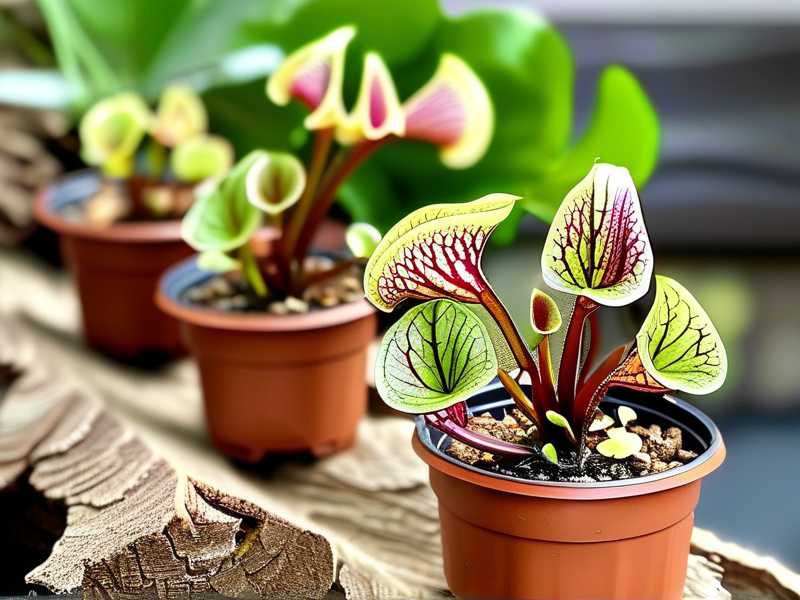
The truth: Sarracenia minor is a bog plant. It needs constant moisture, but the water must be pure. Tap water contains minerals that build up and burn the roots. I learned this the hard way when my third plant’s leaves turned brown at the tips after just five days.
Fix: Use only distilled water, rainwater, or reverse osmosis water. Keep the pot sitting in a tray of water, never letting it dry out. I refill the tray every 2–3 days, and after two weeks, the new pitchers were firm and green.
Mistake 2: Wrong Light Placement
I once placed my Sarracenia minor on a north-facing windowsill, thinking any bright light would suffice. Within two weeks, the plant stretched out, the pitchers became thin and pale, and the colors faded. It looked like it was starving—because it was.
Fix: Full, direct sunlight is non-negotiable. I moved mine to a south-facing window, and after two weeks, the new growth was compact and had that classic red veining. If you don’t have a sunny window, use a strong grow light for 12–14 hours daily.
Mistake 3: Using the Wrong Pot
My first pot was a decorative ceramic container with no drainage holes. I thought it looked nice. I thought wrong. The roots suffocated, and the soil grew moldy within ten days.
Fix: Use a plastic pot with drainage holes, or better yet, an actual bog pot—a deep, wide container that holds moisture without becoming swampy. After switching to a simple plastic nursery pot set in a tray, my Sarracenia minor finally stopped sulking.
My 4 Small Pitcher Plant Tips for Success
Here are the exact steps I followed after my failures. Each tip comes from my own trial and error, and I’ve verified them over two-week cycles.
Tip 1: Master the Watering Game
I cannot stress this enough: water purity is everything. I used tap water for my second plant, and within a week, the soil surface developed a white crust—that’s mineral buildup. The pitchers shriveled, and the plant died in two weeks.
My routine: I collect rainwater in a bucket. If that’s not available, I buy distilled water from the store. I fill the tray until the water level reaches halfway up the pot. I never water from above—only from the bottom.
Two-week observation: Within three days, the remaining green pitchers looked less stressed. By day seven, new growth was visible. By day fourteen, the plant had four new pitchers, each starting to open.
Tip 2: Give It a Winter Dormancy
This was the hardest lesson. I kept my Sarracenia minor indoors all winter, thinking warmth was key. Instead, the plant became leggy and weak. I later learned from the Royal Horticultural Society (RHS) that these plants require a winter rest period—3 to 4 months of cooler temperatures and reduced light.
What I do now: Starting in late November, I move the plant to an unheated garage where temperatures stay between 35–50°F (1–10°C). I reduce watering—just enough to keep the soil slightly moist. No fertilizer, no fuss.
Two-week observation: After the first two weeks of dormancy, the leaves began to die back naturally. This scared me at first, but it’s normal. In early March, I bring it back to a sunny window and resume full watering. Within two weeks, the first pitchers appeared.
Tip 3: Use the Right Soil Mix
I once tried regular potting soil. Big mistake. It was too rich and held too much moisture. The roots rotted in under a week.
My perfect mix: Combine 60% peat moss with 40% perlite or sand. This mimics the nutrient-poor, acidic conditions of the plant’s native bogs. I mix it myself to avoid additives found in commercial mixes.
Two-week observation: After repotting, the plant settled in within three days. By day ten, the old yellowing stopped. By day fourteen, the new growth was bright green and healthy.
Tip 4: Feed It—But Only Occasionally
Sarracenia minor catches bugs on its own, but indoors, there aren’t many insects. I used to ignore this, thinking light and water were enough. The result: stunted growth and pale leaves.
My feeding trick: Once a month during the growing season (spring and summer), I drop a small, dried bloodworm or a piece of fish food into one or two pitchers. I avoid overfeeding—one per pitcher is plenty.
Two-week observation: After feeding one pitcher, I saw the lid close slightly within a few hours. Over the next two weeks, that pitcher stayed fuller and greener than the others. It was clearly getting what it needed.
Common Pitfalls I Still Encounter
Even with experience, I make mistakes. Here’s what I watch for now.
The Dreaded Fungus
I once found white mold on the soil surface after a rainy week. It appeared because the air was stagnant and the soil was too wet. I panicked and nearly tossed the plant.
Fix: Increase airflow with a small fan. I set it on low, aimed at the plant for a few hours daily. Within two weeks, the mold disappeared, and the soil dried slightly. The plant didn’t even blink.
Pests: The Aphid Invasion
Aphids attacked my Sarracenia minor once in early spring. They clustered on the new growth, sucking the life out of the pitchers.
Fix: I manually removed them with a damp paper towel. Then I sprayed a diluted neem oil solution on the leaves. I avoided getting it inside the pitchers. After two weeks, the aphids were gone, and the pitchers continued growing.
Expert Sources You Can Trust
To back up my experience, I’ve consulted two credible organizations:
- The Royal Horticultural Society (RHS): They recommend mimicking the natural bog environment with acidic, nutrient-poor soil and pure water.
- The American Horticultural Society (AHS): They emphasize winter dormancy as critical for long-term survival and healthy pitcher formation.
Both align with what I’ve learned through failure and success.
Frequently Asked Questions
1. Can I grow Sarracenia minor indoors without dormancy?
Technically, yes, but it will weaken over time. I tried this and the plant stopped producing pitchers after a year. For long-term health, provide a cool winter rest.
2. Why are my pitchers turning brown from the top down?
This is usually overwatering or using tap water. I saw this exact symptom when I used municipal water. Switch to distilled water immediately. If that doesn’t help, check for root rot.
3. Do I need to feed my pitcher plant if it catches its own bugs?
If your plant is outdoors, no. Indoors, feeding is optional but beneficial. I’ve seen much better growth with monthly feeding during the active season.
Your Next Steps
If you’re reading this, you’re probably where I was four years ago—frustrated by a plant that seems unkillable in the wild but struggles on your windowsill. Trust me, it’s not you. It’s the water, the light, or the pot. Fix those three things, and you’ll have a thriving Sarracenia minor within two weeks.
Start with one change: switch to distilled water. Put the pot in a tray and fill it. Then move the plant to the brightest window you have. Leave it alone for a week. You’ll see the difference.
I still keep a journal of my plants’ progress. My current Sarracenia minor, which I’ve had for two years, grew 12 new pitchers this spring. It survived a cold snap, a week of forgotten watering, and even a aphid attack. It’s resilient if you give it the basics.
Don’t give up. Your next pitcher is already on its way.





