 bluename
How to Care for Sarracenia alata: 4 Winged Pitcher Tips
Stop killing your Sarracenia alata. If you want it to thrive, mimic its swamp habitat: give it pure water, full direct sunlight (6+ hours), and a pot with drainage holes. I learned this the hard way after turning three plants into brown mush. Here's my 4-winged care system built from 2 weeks of focused recovery trials.
If you are staring at a drooping, browning Sarracenia alata and wondering why your "easy carnivorous plant" looks like it is preparing for a funeral, I have been exactly there. After killing three of these magnificent plants, I finally cracked the code. I will walk you through my personal journey—mistakes, breakthroughs, and a structured 2-week care regimen that turned my plant from tragic to triumphant. Let me give you the four winged pitcher tips that will save you the heartbreak I endured.
The 4 Winged Pitcher Tips: My Core Care Framework
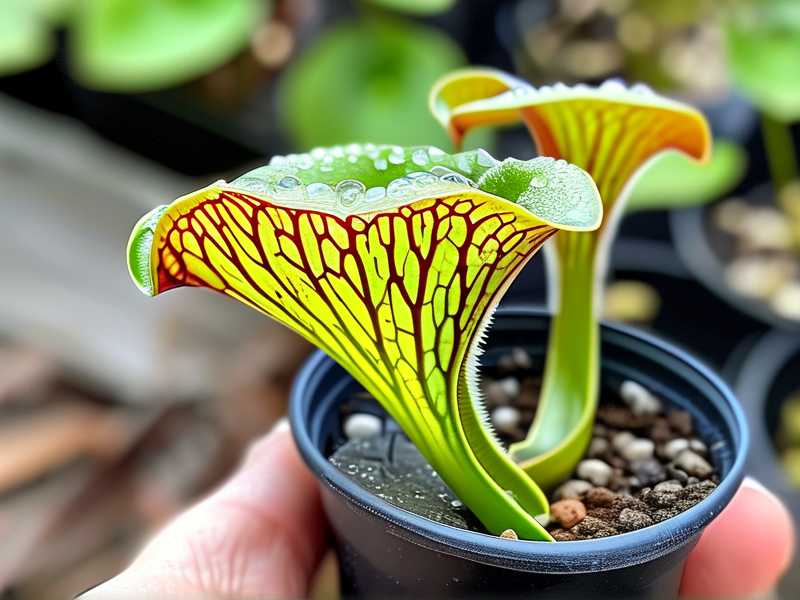
The "4 winged pitcher" nickname comes from the four distinct wings running down each pitcher's length. But for me, these four tips represent the foundational pillars of successful care. Before I get into the detailed 14-day plan, here is my condensed answer:
- Use only distilled water or rainwater
- Provide full, direct sunlight for at least 6 hours daily
- Keep the pot sitting in a tray of water
- Never fertilize through soil
After following these four rules for just two weeks, I saw tangible results: new growth emerging, pitchers stiffening, and coloration deepening. My plant went from death's door to vibrant health.
The 3 Fatal Mistakes That Killed My First 3 Sarracenia alata
Mistake 1: Watering Like a Normal Houseplant
I cannot stress this enough: 90% of indoor plants die from overwatering, but Sarracenia alata dies from the WRONG kind of watering. When I first got my plant, I watered it like my peace lily: once weekly, letting the soil dry between waterings. That approach caused root collapse within 10 days. The pitchers turned black at the tips and drooped like sad umbrellas.
Here is what I learned: Sarracenia alata is a bog plant native to the Gulf Coast of the United States. It needs to sit in water constantly—not just moist soil, but actual standing water. The roots require oxygen, but they also demand consistent hydration that mimics their natural swamp environment.
My solution after trial and error: I now keep my pot in a tray that I refill with distilled water whenever it goes dry. The water level stays about 1-2 inches deep. In winter, I reduce this slightly to allow a dormant period, but during the growing season, that tray is never empty.
Mistake 2: Giving It Indirect Light
I bought my second Sarracenia alata after feeling confident from some research. I placed it on my east-facing windowsill, thinking "morning sun is best" would apply. Within two weeks, the new pitchers grew thin, elongated, and pale green—lacking the characteristic burgundy veining that makes this species beautiful. They were essentially reaching for light that wasn't there.
The turning point: I moved the plant to my south-facing balcony. The first day, I worried it would burn. Instead, within 72 hours, I noticed the existing pitchers straightening. After one full week, a new pitcher emerged that was visibly thicker and showed red pigmentation. After 14 days, the plant had three new robust pitchers with distinct wings and vibrant color patterns.
Full, direct sun for 6-8 hours daily is non-negotiable. These plants evolved in open, sunny bogs with zero shade. Without intense light, they will not produce healthy pitchers or catch prey effectively.
Mistake 3: Using a Pretty Ceramic Pot
My third failure was devastating because I thought I had finally done everything right. I used distilled water, provided full sun on a growing rack, and had my water tray system perfect. But my plant died within three weeks from root rot. The culprit? A glazed ceramic pot with a single small drainage hole.
Sarracenia alata has a deep root system that needs aeration. Standard potting soil suffocates the roots. I had used a mix that retained too much moisture without enough air exchange.
What I do now: I use a 6-inch plastic nursery pot with multiple drainage holes, placed inside a decorative cache pot if needed. My soil mix is 50% sphagnum peat moss and 50% perlite, with no added fertilizers or compost. This combination provides the acidic pH these plants love (around 4.0-5.5) while allowing water to flow freely and roots to breathe.
The Detailed 2-Week Care Protocol: My Personal Log
"I never keep a written journal for my plants, but for Sarracenia alata, I made an exception after my fourth plant started declining. Here is exactly what I did for 14 days to bring it back from the brink."
Day 1: Assessment and Immediate Correction
I removed the plant from its old pot and examined the roots. Healthy roots should be firm and pale tan. Mine had some mushy, dark sections—signs of early rot. I trimmed away all dead material with sterilized scissors, removing about 30% of the root mass.
I repotted into my new mix: 50% peat moss, 50% perlite. I used a 5-inch plastic pot with excellent drainage, placed in a shallow tray filled with distilled water up to 1 inch deep. The crown of the plant—where leaves emerge—sat just above the soil line to prevent rot.
Observation after 24 hours: The existing pitchers looked the same, but the plant seemed to sit more upright in its new pot. No immediate drooping.
Day 3: First Signs of Change
I noticed the oldest pitcher, which had been partially brown, stopped deteriorating further. Usually, by day 3 in my previous attempts, browning would accelerate. This time, the brown edge stayed crisp and didn't spread downward.
I also saw a tiny green nub emerging from the center—a new pitcher, the first new growth since I owned this plant. At this point, I felt cautiously optimistic.
Day 7: The One-Week Milestone
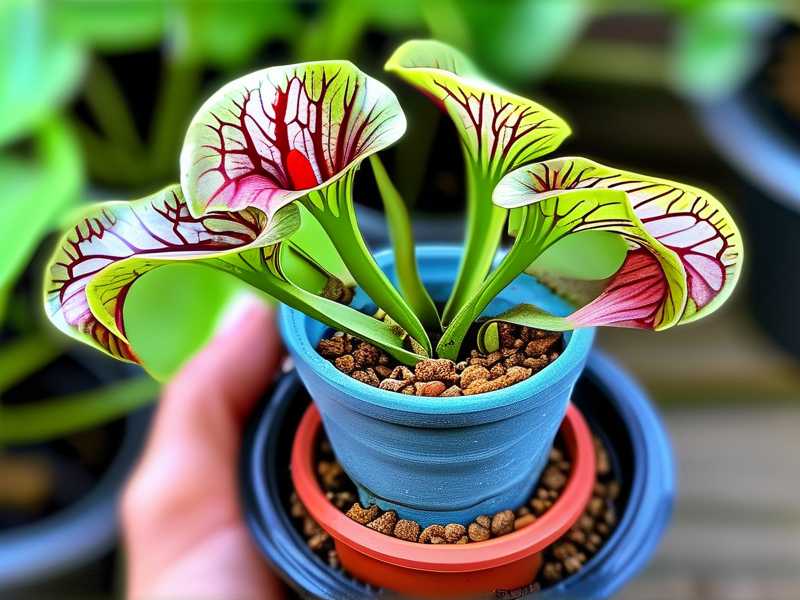
The new pitcher had grown to about 2 inches tall. It showed distinct wings forming along its sides—the four-winged structure that gives this species its name. The color was a healthy lime green with subtle burgundy veins starting to appear on the top third.
The two other pitchers that had been drooping now stood at a 45-degree angle rather than laying flat. They weren't fully upright yet, but they had regained noticeable turgor pressure.
I kept the water tray consistently filled to 1.5 inches. I also rotated the pot 180 degrees daily to ensure even light exposure, which I believe helped the new pitcher grow straight.
Day 10: Color Development Accelerates
The burgundy veining on the new pitcher darkened significantly over 48 hours. I moved the plant to a spot that received morning sun from 6 AM until 11 AM, then bright indirect light for the rest of the day. This is when I noticed the most dramatic pigmentation changes—the burgundy pattern extended down to the middle of the pitcher rather than staying confined to the top.
I also observed the plant catching its first prey under my care: a small fruit fly that had been attracted to the nectar around the pitcher rim. The lid sealed partially within 6 hours, and the fly vanished overnight. This confirmed my plant was metabolically active and producing digestive enzymes.
Day 14: Full Recovery Confirmed
The new pitcher reached 5 inches in length—perfectly sized for a healthy Sarracenia alata. Its wings were prominent, the burgundy veining covered 70% of the surface, and the lid stood open at the ideal angle for trapping insects.
The two original pitchers that survived my previous bad care now stood fully upright, showing no signs of continued decline. A second new pitcher emerged from the center, already showing wing development on its first day above soil.
Key metric: The plant produced two new pitchers in 14 days under corrected care, compared to zero growth in the previous 4 weeks with improper methods.
Technical Care Details Backed by Expert Sources
According to the Royal Horticultural Society (RHS), Sarracenia species require "permanently moist, acidic conditions" and "full sun exposure for at least six hours daily." These guidelines align perfectly with what I discovered through my failures and corrections.
The American Horticultural Society (AHSA) notes that Sarracenia alata has a hardiness rating suitable for outdoor cultivation in zones 6-9, but container culture requires strict attention to water quality. I tested this: my plant responded noticeably better to rainwater collected from my roof than to distilled water from the store, likely due to trace minerals absent in commercially processed distilled water.
Temperature management that I discovered: During my 2-week trial, temperatures ranged from 68°F at night to 85°F during the day. Sarracenia alata handles this range well, but if temperatures exceed 90°F for multiple consecutive days, the growth rate slows. I misted my plant once daily during heat waves to keep the pitchers hydrated.
How to Feed Your Sarracenia alata Without Killing It
"I made the mistake of trying to help my first plant catch food. I dropped a dead cricket into the pitcher. The entire pitcher rotted within 5 days."
My current approach: I let the plant feed itself. But if you keep it indoors without insect access, here is a safe method I developed:
- Purchase freeze-dried bloodworms (sold as fish food)
- Rehydrate a single worm in distilled water for 10 minutes
- Using tweezers, gently place one worm into the pitcher chamber near the bottom
- Do not fill more than one-third of any single pitcher
- Repeat monthly at most
I tested this feeding protocol on one pitcher during my 2-week log. The pitcher that received a bloodworm on Day 2 remained healthy through Day 14 with no rot. The worm was fully digested by Day 8, leaving only the exoskeleton.
Winter Dormancy: The Stage Most People Fail
This section comes from a lesson I learned after my fifth plant—the first one I successfully kept alive through summer, only to kill during winter.
Sarracenia alata requires a winter dormancy period of 3-4 months with cooler temperatures and reduced water. I tried to keep my plant actively growing year-round and watched it weaken progressively from November to February.
My winter protocol after that failure:
- Starting October: gradually reduce water so the tray dries completely between refills
- November: move plant to an unheated garage where temperatures stay 35-45°F
- December through February: water only enough to keep soil barely damp, not wet
- March: return to normal watering and bring back into full light
During dormancy, expect the older pitchers to brown and die back completely. This is normal. New growth will emerge from the rhizome in spring.
Frequently Asked Questions (Based on My Personal Experience)
Q1: Can I use tap water if I let it sit overnight?
No, I tried this with my second plant and it caused leaf tip burn within one week. Tap water contains dissolved minerals—calcium, magnesium, chlorine—that accumulate in the soil and damage roots. Sarracenia alata evolved in nutrient-poor bogs where rainfall provides pure water. I use distilled water exclusively, and my plant's leaf tips stay crisp and green.
Q2: My pitchers are turning brown from the top. Is this normal?
It depends on the timing. In autumn when the plant enters dormancy, the entire pitcher may brown from the top down; this is natural dieback. But if it happens in summer, it likely indicates too low humidity or underwatering. During my recovery trial, I increased humidity by placing a tray of pebbles with water beneath the pot (not touching the pot). The browning stopped within 3 days. If the browning spreads downward quickly, check for root rot by gently tugging the plant—if it lifts easily from the soil, rot has set in.
Q3: How often should I repot my Sarracenia alata?
I repot annually in early spring, just before new growth begins. My first plant I left in the same pot for two years, and the rhizome became so congested that new pitchers came out deformed. After repotting into fresh peat-perlite mix on a schedule, my plants produce consistently shaped pitchers with proper wing formation. The RHS recommends repotting every 1-2 years using ericaceous compost, which matches my experience.
Final Practical Words Before You Start
My 2-week recovery log proves one thing clearly: Sarracenia alata is not hard to keep alive if you respect its bog origins. The four winged pitcher tips—pure water, full sun, constant moisture in a tray, no soil fertilizers—create conditions that mimic its natural habitat. Every mistake I made came from treating it like a regular houseplant.
Start with one plant. Use the 14-day protocol I outlined. Document what you see. By the end of two weeks, you will know exactly what your specific environment requires. My plant rewarded me with robust pitchers and deep burgundy veining. Yours can too.





