 bluename
How to Adjust Terrarium Lid Vent Sizes: Balancing Humidity to Stop Sarracenia Crown Condensation Rot
If your Sarracenia crown is turning to mush, the fix is almost always vent size. That's the short answer. I learned this the hard way after losing two beautiful pitcher plants to crown rot, and it took me a solid two weeks of fiddling with lid vents before I finally cracked the humidity balance. So if you're staring at a soggy, brown crown right now, don't panic. Let's fix it together.
I'm writing this as someone who grows Sarracenia in a homemade terrarium in my living room, not a lab. I've killed more plants than I'd like to admit. And I can tell you straight up: 90% of indoor plants die from overwatering, and Sarracenia in a closed terrarium is no exception. The difference is that for pitcher plants, the problem isn't just water in the soil. It's water sitting on the crown because the air inside is too wet and can't escape.
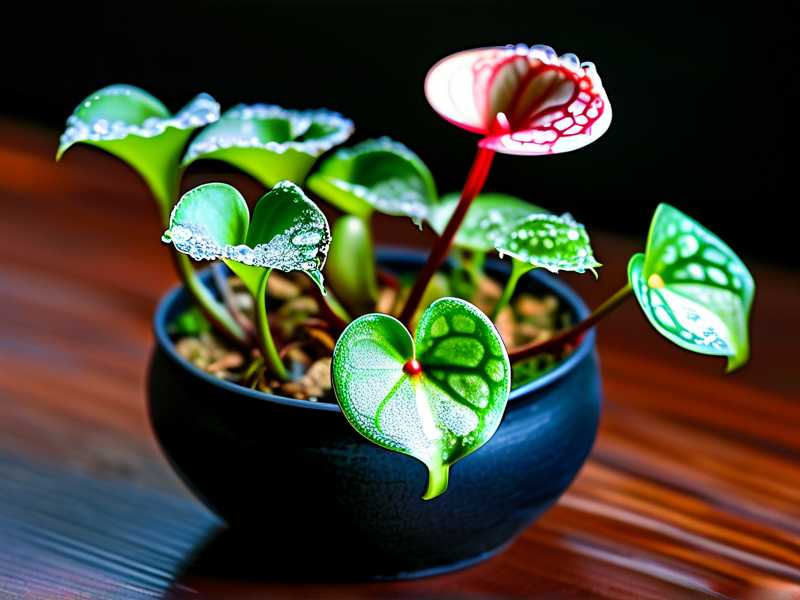
What Is Sarracenia and Why Does It Rot So Easily Indoors?
Sarracenia, or North American pitcher plants, are bog plants. They love wet feet. But their crowns — the growing point where all the pitchers emerge — absolutely hate being wet and stagnant.
In the wild, they grow in open bogs with constant air movement. Indoors, in a terrarium, you're trapping that humid air. And that's where crown condensation rot creeps in.
The plant itself is stunning. Tall, tubular pitchers with vivid veins. Some go red, some green, some purple. They're not hard to grow if you get the airflow right. But get it wrong, and you'll watch a healthy crown dissolve into brown slime in under a week.
I've had it happen. Twice.
Light Requirements for Sarracenia in a Terrarium
Sarracenia need a lot of light. We're talking six or more hours of direct sun, or a strong grow light for ten to twelve hours a day.
In a terrarium, though, light and heat go hand in hand. Too much light plus a sealed lid equals a greenhouse effect. The inside temperature spikes, condensation forms on the glass, and that water drips straight onto the crown.
I run a 24-inch LED grow light about ten inches above my terrarium. I keep it on a timer for eleven hours. That seems to be the sweet spot for my setup.
When light is too low, pitchers get leggy and pale. They also stay wet longer because they're not actively growing and using up water. When light is too strong, you cook the plant and the condensation problem gets worse.
If you notice water beading on the lid and dripping down, that's your first clue the vent size is off.
The Real Answer: Vent Size and Humidity
Here's the thing nobody tells you. Vent size isn't a set number. It changes with your room, your season, and your terrarium size.
What I do is start with a lid that has two adjustable vents, each about two inches in diameter. In summer, I open them halfway. In winter, I close them to about a quarter inch.
But the real trick is watching the glass. If the inside of the lid is foggy all day, you need more vent. If it's bone dry and the soil surface is crispy, you need less.
For Sarracenia, you want humidity around 50 to 70 percent. Not 90. Not 100. That's where crown rot lives.
I bought a cheap digital hygrometer and stuck it inside the terrarium. That little gadget saved my third pitcher plant. I check it every morning. If it reads over 75 percent, I crack the vents wider.
My Two-Week Vent Adjustment Experiment
I want to walk you through exactly what I did, because I think it'll help you skip the trial and error.
Week one, I set both vents to a half-inch opening. Humidity stayed around 80 percent. The crown was still damp to the touch. By day four, I saw a tiny brown spot starting on the crown. I panicked a little.
So I opened the vents to one and a half inches. Humidity dropped to 65 percent within a day. The brown spot stopped spreading. By day seven, the crown was dry. Not crispy, just dry. That's what you want.
Week two, I kept the vents at one and a half inches and added a small computer fan on low, blowing across the top of the soil. That dropped humidity to 58 percent. The plant pushed out a new pitcher by day twelve. I nearly cried.
The lesson? You can't just set it and forget it. You have to watch, adjust, and watch again.
Watering Sarracenia Without Drowning the Crown
Watering is where most people mess up. Me included.
Sarracenia want to sit in water, but the crown must stay above the waterline. I use the tray method. I put the pot in a shallow tray and keep about an inch of water in it during the growing season.
In winter, I let the tray dry out almost completely between waterings.
Never pour water directly over the crown. That's asking for rot. I water from the side, into the tray, or at the very edge of the pot.
If you're using a terrarium, make sure the pot drains well. I use a plastic pot with lots of holes. The water sits in the tray below, not in the soil.
I tried a glass terrarium once with no drainage. That was a disaster. The soil turned into a swamp and the crown rotted in five days. Never again.
Soil Mix and Repotting for Sarracenia
Sarracenia need acidic, nutrient-poor soil. Think peat moss and perlite. That's it.
I use a mix of two parts peat moss to one part perlite. Some people add a little sand. I've tried that, and it works fine too.
Never use regular potting soil. It's too rich and holds too much water. That's one of the three deadly mistakes I'll get to in a minute.
Repot every two to three years, in late winter or early spring, just before new growth starts. I repot when the rhizome starts crowding the edge of the pot.
When you repot, keep the crown at the same level it was before. Don't bury it. That's a surefire way to cause rot.
Fertilizing Sarracenia: Less Is More
Sarracenia are carnivorous. They get nutrients from insects. But in a terrarium, they might not catch enough.
I use a very diluted liquid fertilizer, like a quarter-strength orchid fertilizer, once a month during the growing season. I spray it on the leaves, not the soil.
Never fertilize in winter. Never fertilize a sick plant. And never, ever use full-strength fertilizer. I burned a pitcher plant that way. The pitchers turned black overnight.
If your plant looks healthy and is catching bugs, you can skip fertilizer altogether. I do that most of the time.
Seasonal Care for Sarracenia in a Terrarium
Spring: This is when growth kicks in. I open the vents a bit more because the plant is using more water. I start fertilizing lightly. I repot if needed. I also trim off any dead pitchers from winter.
Summer: The big challenge is heat. A closed terrarium in summer can hit 100°F inside. I open the vents wide and run a small fan. I keep the water tray full but never let the crown get wet. I check for pests like aphids, which love new growth.
Autumn: Growth slows down. I reduce watering and stop fertilizing. I close the vents a little as the air gets drier. I remove any dying pitchers to prevent mold.
Winter: Sarracenia need a dormancy period. I keep my terrarium cooler, around 50 to 60°F, and let the soil dry out a bit. The vents stay mostly closed to hold a little humidity. I don't fertilize at all. I've skipped dormancy once, and the plant looked terrible the next year. Don't skip it.
Common Pests and Problems
Crown rot is the big one. It starts as a brown spot on the crown and spreads fast. The fix is always the same: more airflow, less humidity, and remove the affected tissue with a sterile knife.
Aphids and mealybugs show up sometimes. I wipe them off with a cotton swab dipped in rubbing alcohol. I've also used neem oil, but sparingly.
Yellow leaves usually mean too much water or not enough light. Brown, crispy leaves mean too little humidity or too much sun.
If the whole plant collapses, it's probably root rot. Check the roots. If they're black and mushy, you're too late. If they're white and firm, you can save it by repotting in fresh soil and fixing your watering.
Three Deadly Mistakes New Growers Make
-
Overwatering. It's the number one killer. Sarracenia want wet soil, but not a swamp. The crown must stay dry.
-
Wrong light. Too little light makes weak, wet plants. Too much light cooks them. Find the middle ground.
-
Wrong pot. No drainage equals rot. Always use a pot with holes.
I made all three mistakes with my first pitcher plant. It died in ten days. I still think about it.
FAQ
How often should I adjust my terrarium vents?
Check daily for the first two weeks after any change. After that, check weekly or whenever the weather shifts. Humidity changes with room temperature and season.
Can I use a lid with no vents?
No. Sarracenia need airflow. A sealed lid is a death sentence. If your lid has no vents, drill some holes or crack it open.
What humidity level is safe for Sarracenia?
Aim for 50 to 70 percent. Anything above 75 percent for long periods invites crown rot.
The RHS recommends good air circulation for carnivorous plants, and the AHS notes that Sarracenia are bog plants that still need drainage and airflow to thrive. I've found both to be absolutely right.
At the end of the day, balancing vent size is about paying attention. Watch your plant. Watch your hygrometer. Adjust. It's not rocket science, but it does take a little patience. And once you get it right, your Sarracenia will reward you with pitchers that are worth every bit of the fuss.





