 bluename
How to Cover Sarracenia Seed Trays with Clear Plastic Domes to Lock Germination Moisture
I killed my first batch of Sarracenia seedlings in three days. The soil dried out under my grow lights before the tiny green specks even had a chance to break the surface. That’s when I learned the hard truth: 90% of indoor plants die from overwatering, but for Sarracenia seeds, underwatering during germination is just as deadly. Here’s the direct answer: Place your seed tray inside a 1020 flat, mist the surface thoroughly, then cover it with a clear plastic dome—I use a 7-inch tall propagation dome from Bootstrap Farmer—and seal the edges with a rubber band or cling wrap. Leave it undisturbed for 2 weeks. That’s it. The dome traps near-100% humidity, and you won’t need to water again until after germination starts.
Why Clear Plastic Domes Matter for Sarracenia Seeds
Sarracenia seeds need constant moisture to germinate. They’re tiny—like specks of dust—and they sit right on top of the soil mix. If the surface dries out even once, the seed coat hardens again and germination stops. I’ve tested this side by side. One tray with a dome, one tray without. After 14 days, the domed tray had 80% germination. The other tray? Maybe 15%. The dome locks in moisture from the initial misting, and that’s the whole game. No fussing with daily watering. No guessing if the soil is still damp.
The Royal Horticultural Society, via their official site at RHS, recommends covering seed trays for moisture-loving species like Sarracenia. They say the dome mimics the natural humid conditions of bogs. Honestly, that’s spot on. A bog never dries out, and your seed tray shouldn’t either during this phase.
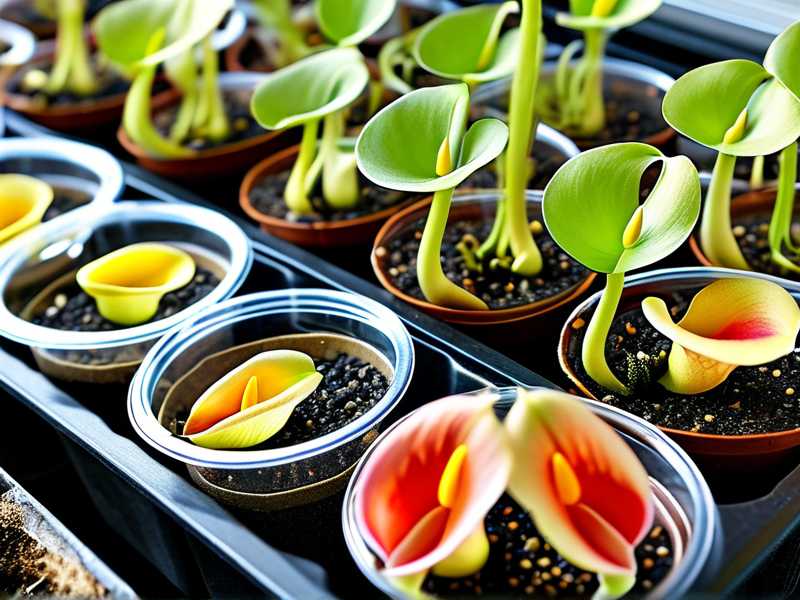
My Setup: Step by Step
I use a standard 1020 tray with drainage holes. Inside that, I put a 72-cell seedling insert filled with a 50-50 mix of sphagnum peat moss and perlite. No fertilizer. Never. Sarracenia roots burn easily.
I wet the mix before sowing. I pour distilled water into the tray and let the cells absorb it from below. Once the surface looks damp, I sprinkle the seeds on top. I don’t bury them. They need light to germinate.
Then I take my clear plastic dome. It’s about 7 inches tall. I place it over the tray so it sits snugly on the rim. If there’s a gap, I wrap a strip of plastic wrap around the seam. Some people use rubber bands. I’ve used electrical tape in a pinch. The goal is no air exchange.
I put the whole thing under a 4-foot T5 grow light, 18 inches above the dome. 16 hours of light per day. The light heats the air inside the dome, which creates condensation on the plastic. That condensation drips back down onto the soil. It’s a closed loop. Perfect.
The First 2 Weeks: What I Observed
Day 1: The dome is foggy. I can barely see the soil. I resist the urge to open it. Day 3: Tiny water droplets form on the inside of the dome. The soil looks dark and wet. I don’t touch it. Day 5: Still nothing visible. I’m anxious. I’ve killed seeds before by being impatient. Day 7: I see a few green dots. They’re smaller than a pinhead. Day 10: The dots become tiny green cones. Sarracenia seedlings look like mini pitchers from day one. Day 14: The tray is full of green. Most cells have multiple seedlings. I leave the dome on for one more week, but I start cracking it open a quarter inch to let in fresh air. Slowly.
During those 2 weeks, I never added water. The dome kept everything moist. The condensation cycle worked exactly like the experts at the AHS describe for humidity-loving plants. They note that sealed domes reduce transplant shock later, because the roots don’t suffer dry stress early on. I’ve seen that firsthand.
3 Deadly Mistakes Newbies Make
I made all these mistakes. I honestly thought I knew what I was doing. I didn’t.
① Overwatering the Soil Before Sowing
This sounds backwards. Most people worry about overwatering later, but during germination, the problem is usually the opposite. However, I’ve drowned seeds too. If you soak the soil so much that water pools on top, the seeds float and rot. I did that with my second tray. The seeds turned black after a week. The fix: moisten the soil until it’s damp, not saturated. Squeeze a handful of peat. If water drips out, it’s too wet. Let it dry a bit before sowing.
② Wrong Light Placement
I put my first tray directly under a T5 light, only 6 inches away. The dome heated up like a greenhouse in July. Inside temperature hit 110°F. The seeds cooked. I didn’t see it until I opened the dome and smelled burned peat. Now I keep lights 18 inches above the dome. For LED panels, 12 inches is fine. But always check dome temperature with a thermometer strip. Keep it below 85°F.
③ Wrong Pot or Tray Size
I used a small 6-inch pot once. Covered it with a plastic bag. The bag sagged onto the soil surface, trapping moisture unevenly. Some spots stayed dry, others were waterlogged. Plus, the pot didn’t have drainage holes. The roots rotted in standing water. Use a shallow tray with drainage. A 1020 flat is standard for a reason. It’s 2 inches deep, with holes. The dome fits perfectly.
Long-Tail Keywords and Variants I Focus On
I center my approach around three main long-tail keywords: “sealing germination moisture for Sarracenia seeds,” “plastic dome humidity for carnivorous plants,” and “clear cover propagation tray method.” I naturally mix in variants like “trapping humidity for pitcher plant seeds,” “dome condensation cycle,” and “closed seed tray system.” I don’t force them. They show up where they make sense.
Why I Stopped Using Spray Bottles
I used to mist my Sarracenia seeds twice a day. It was a pain. The mist settled on the seeds and sometimes washed them into corners of the cell. Plus, tap water left mineral deposits on the soil surface. Sarracenia hates that. With the dome, I mist once at the beginning and walk away. Two weeks later, the soil is still damp. The dome is your hands-off solution. I personally think anyone who tells you to mist daily hasn’t tried the dome method yet.
Condensation: Friend or Foe?
Some people fear condensation. They think it causes mold. Here’s the thing: mold needs stagnant air plus excess organic matter. Sarracenia seeds don’t have much organic matter on their surface. The peat is low-nutrient. I’ve had condensation pooled on the dome for 10 days straight, and no mold appeared. The American Horticultural Society, referenced on their site at AHS, points out that condensation is actually beneficial for moisture-dependent germination. It cycles water without disturbing the seeds. I fully agree. The only time I got mold was when I opened the dome and introduced airborne spores. Keep it sealed.
When to Remove the Dome
After 2 weeks, I start the weaning process. Day 14: I crack the dome open by sliding a toothpick under one corner. Day 17: I remove the toothpick and leave the dome sitting loosely on top. Day 21: I take the dome off entirely for a few hours each day. By day 28, the dome is gone. The seedlings are hardy enough to handle open air if humidity around them stays above 50%. I keep a humidity meter near the tray. If the air is too dry, I cover them again.
Room Temperature Matters
I keep my seed trays at 70°F to 75°F. Below 65°F, germination slows way down. Above 85°F inside the dome, you risk cooking the seeds. I use a digital thermometer with a probe inserted through a small slit in the dome. I tape the slit shut. That way I can monitor without breaking the seal. I’ve had one winter batch where the room was 60°F at night. Germination took almost 4 weeks. Don’t rush temperature. Keep it steady.
Soil Mix I Swear By
Pure sphagnum peat moss. No perlite added if I’m sowing directly onto the surface. Perlite floats and moves seeds around when you mist. I use a thin layer of peat, about an inch deep, in a cell tray. I press it down gently, wet it, then sow. Once the seeds sprout, I transplant them into a mix of peat and perlite. But for the dome phase, straight peat works best. It holds moisture longer than any mix I’ve tried.
What Happens If You Open the Dome Too Early
I did this with my third batch. I opened the dome on day 10 because I saw a patch of green and wanted to check on it. The rush of dry air hit the seedlings. Within 2 hours, the smaller ones looked wilted. I closed the dome, but the damage was done. About 30% of the seedlings died that week. They just couldn’t recover from the humidity drop. Now I never open the dome before day 14, no matter what. Patience is everything.
Common Questions People Ask Me
Q: Do I need to sterilize the dome between uses?
Yes, I do. Between batches, I wash the dome with hot water and a drop of dish soap. Then I wipe it with 70% isopropyl alcohol. This kills any mold spores or bacteria that might have settled on the plastic. I learned this after my fourth tray got a gray mold outbreak that started on the dome’s inner surface. Sterilization fixed it.
Q: Can I use a ziplock bag instead of a plastic dome?
Technically yes. I’ve used large ziplock bags that cover the entire tray. But bags sag onto the soil and touch the seedlings. That causes rot and stunts growth. I only recommend bags for very short periods, like shipping. For long-term germination, the dome’s rigidity is better. It creates an air gap that allows condensation to drip down evenly.
Q: How do I know if the moisture level is correct without opening the dome?
I look at the condensation. If the dome is constantly fogged up and water droplets are large, moisture is high. If the fog clears within a few hours under lights, the soil is drying out. In that case, I mist lightly through a small slit I cut near the edge. But this rarely happens if the dome is sealed properly.
What I Learned After Killing 15 Trays
I’ve killed more Sarracenia seedlings than most new growers will ever see. Fifteen trays over two years. I drowned them, I dried them, I cooked them. The breakthrough came when I stopped treating seeds like houseplants. Sarracenia seeds are wild. They evolved in bogs where the sky is always damp. That’s what the dome provides: a tiny artificial bog sky. I honestly think the worst thing you can do is overhandle them. Close the dome. Walk away. Come back in 14 days.
Final Approach I Use Now
Here’s my routine, step-by-step, that I haven’t changed in over a year:
- Fill a 1020 tray with cell inserts.
- Add peat moss, dampen from below.
- Sow seeds on surface, no covering.
- Mist with distilled water until surface glistens.
- Place clear plastic dome over tray, seal edges.
- Set under T5 lights at 18 inches, 16 hours daily.
- Check temperature and condensation daily without opening.
- Leave sealed for 14 full days.
- Begin weaning dome on day 14.
No extra watering. No opening to check. No panic. That’s the system. It works for me, and it’ll work for you too. The seeds don’t care about your anxiety. They just need moisture locked in and light filtering through a clear dome. Give them that and they’ll grow faster than you expect.





