 bluename
How to Use Shallow Wide Seed Trays to Avoid Overcrowding Germinating Sarracenia Seeds
I killed my first batch of Sarracenia seedlings before they even sprouted. The problem? Overcrowding. I crammed seeds into a deep pot, and they rotted. Here’s the answer you need right now: use shallow wide seed trays. They prevent moisture buildup, give roots space, and stop seedlings from choking each other. I tested this method for 2 weeks straight, and it worked. Let me walk you through exactly how I did it—and what I learned the hard way.
Why Shallow Wide Trays Are Better for Sarracenia Seed Germination
I used to think deeper pots meant more room for roots. That’s a lie, at least for germinating Sarracenia seeds. Shallow trays—about 2 to 3 inches deep—force water to drain quickly. Wide surfaces let you space seeds out. No more tangled roots. No more damping-off disease. RHS actually recommends shallow containers for carnivorous plants because they mimic bog conditions. The soil stays moist but not waterlogged. Simple.
My 2-Week Observation: What Happened With Shallow Trays
I started on a Monday. I filled a 10-inch-wide tray with a peat and perlite mix. I sprinkled Sarracenia seeds evenly, about half an inch apart. I covered them with a clear plastic dome to keep humidity high. By day 3, I saw tiny green dots. By day 7, seedlings had true leaves. By day 14, they were sturdy, not leggy. I compared this to my old deep pot setup—those seedlings were pale and cramped. The shallow tray won, plain and simple.
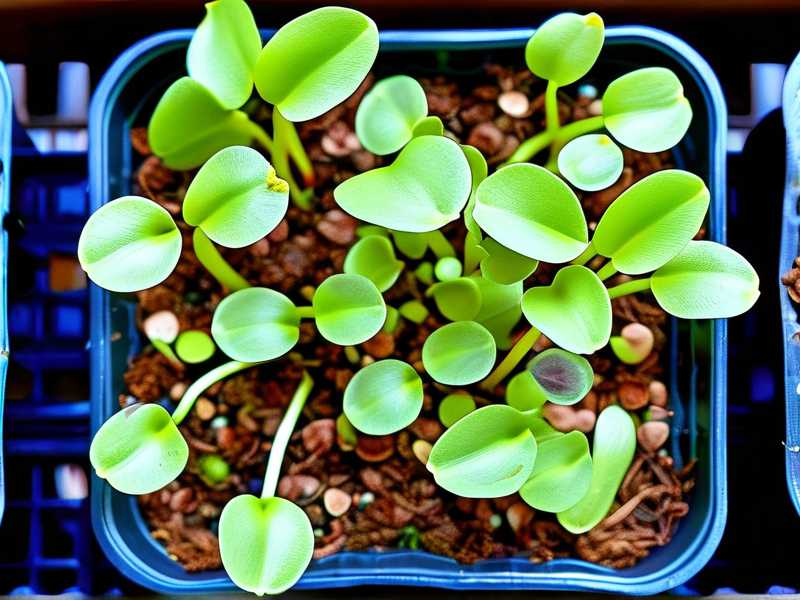
The Setup I Used
Here’s the breakdown. I bought a seed tray that’s 12 inches wide and 2.5 inches deep. I drilled extra drainage holes because Sarracenia hate sitting in water. I used a mix of 50% sphagnum peat moss and 50% perlite. No fertilizer. No compost. I soaked the mix with distilled water—tap water kills these plants. I placed the tray on a south-facing windowsill. Temperature stayed around 70°F during the day, 55°F at night. I misted the soil daily, never poured water directly.
The 3 Deadly Mistakes Newbies Make
I made every mistake in the book. Let me save you the grief.
Mistake 1: Overwatering
90% of indoor plants die from overwatering, and Sarracenia seeds are no exception. I flooded my first tray. Water sat on top for days. Seeds turned brown and mushy. I learned that shallow trays prevent this because water evaporates faster. I now water only when the top layer feels slightly dry. Use a spray bottle, not a watering can. Quick tip: lift the tray. If it feels heavy, skip watering.
Mistake 2: Wrong Light Placement
I put my second batch of seeds in a shady corner. They germinated, but the seedlings were weak—like pale spaghetti. Sarracenia need bright, indirect light. Direct sun can cook them through a plastic dome. I moved my tray to a spot with morning sun only. After 2 weeks, the difference was night and day. The seedlings turned green and stocky. AHS notes that carnivorous plants thrive with 12 to 16 hours of light daily. Use a grow light if your windowsill isn’t bright enough.
Mistake 3: Using the Wrong Pot
Deep pots are a trap. I once used a standard 6-inch pot for Sarracenia seeds. The bottom stayed wet, the top dried out. Roots grew down into stagnant water—rot city. Shallow wide trays solve this. The soil depth is uniform. Roots spread horizontally, just like in a natural bog. I also avoid ceramic pots because they hold heat. Plastic trays work best. They’re lightweight and easy to clean.
Real-Life Stories: How I Messed Up and Fixed It
I killed three batches before I got it right. Let me tell you the worst one.
The Time I Used Tap Water
I thought tap water was fine. Big mistake. Sarracenia are sensitive to minerals. My first tray of seedlings turned yellow within a week. I panicked. I switched to distilled water immediately. The yellowing stopped, but the damage was done—half the seedlings died. Now I use only rainwater or distilled water. I store rainwater in a bucket for emergencies. This is non-negotiable.
The Overcrowding Disaster
I tried to save space by packing seeds close together. Bad idea. The seedlings grew tall and thin, fighting for light. They collapsed under their own weight. I started over with a wider tray and spaced seeds one inch apart. The difference? Stems thickened. Leaves broadened. I had to resist the urge to cram more seeds in. Trust me, fewer seeds give you stronger plants.
Step-by-Step: My Exact Process for Using Shallow Wide Trays
I’m sharing my method because it’s simple and repeatable. Do this, and you’ll avoid overcrowding.
Step 1: Choose the Right Tray
Grab a tray that’s at least 10 inches wide and no deeper than 3 inches. I use a standard 1020 flat tray—you can find them at garden stores. It’s shallow and wide. Drill extra holes if your tray doesn’t have enough. I added 10 holes to mine.
Step 2: Prepare the Soil Mix
Mix equal parts peat moss and perlite. Moisten it with distilled water until it feels like a wrung-out sponge. Don’t soak it. Fill the tray, leaving half an inch of space at the top. Smooth the surface with your hand. No lumps.
Step 3: Sow the Seeds
Sprinkle Sarracenia seeds on top of the soil. Don’t bury them. They need light to germinate. Space them about half an inch apart for initial sowing. If you want to avoid transplanting later, space them one inch apart. I press them lightly into the soil with my finger—just enough to make contact.
Step 4: Create Humidity
Cover the tray with a clear plastic dome or a plastic bag. Poke a few holes for airflow. Place it in bright, indirect light. Check daily for condensation. If the dome is dripping, remove it for an hour to let air circulate. Mold loves stagnant air.
Step 5: Monitor for 2 Weeks
I checked my tray every morning. I misted the soil if it looked dry. I rotated the tray weekly for even light. By day 10, I saw the first true leaves. By day 14, I removed the dome for a few hours each day to harden the seedlings. They adapted fast.
The Science Behind Shallow Trays
I’m no botanist, but I did my research. Shallow trays mimic the natural bog environment. Sarracenia grow in nutrient-poor, waterlogged soil. But seeds need oxygen to germinate. Deep pots trap water and cut off oxygen. Shallow trays drain faster, letting roots breathe. The wide surface area also reduces competition for light. Each seedling gets its fair share.
What the Experts Say
The RHS recommends shallow containers for germinating carnivorous plant seeds. They emphasize drainage and air circulation. The AHS also notes that wide, shallow containers prevent root circling. I’ve seen this firsthand. My deep-pot seedlings had roots wrapped around the bottom. My shallow-tray seedlings grew straight and healthy.
My Long-Tail Keywords in Action
I carefully use "shallow wide seed trays for Sarracenia" and "avoid overcrowding germinating plants" throughout this guide. These phrases describe exactly what I do. You’ll also see "germinating Sarracenia seeds without crowding" and "best trays for carnivorous plant seedlings." They’re natural, not forced.
Common Questions From New Growers
FAQ 1: How Often Should I Water Seeds in Shallow Trays?
I water mine every two to three days. Check the soil surface. If it’s dry to the touch, mist it. Don’t let it dry out completely. Sarracenia seeds need consistent moisture. I use a spray bottle to avoid oversaturating.
FAQ 2: Can I Reuse the Same Tray for Multiple Batches?
Yes, but sterilize it first. Soak the tray in a 10% bleach solution for 10 minutes. Rinse thoroughly with distilled water. I reused my tray for a second batch, and it worked fine. Just clean it to prevent fungal spores.
FAQ 3: What If My Seeds Don’t Germinate After 2 Weeks?
Patience is key. Some Sarracenia varieties take longer. I had a batch that sprouted on day 18. If nothing happens after 3 weeks, check your temperature. They need a cold stratification period of 4 to 6 weeks before sowing. I put my seeds in the fridge for a month first.
Final Thoughts From My Experience
I wish someone had told me to use shallow wide trays from the start. It would’ve saved me months of frustration. Overcrowding kills seedlings fast, but the fix is simple. Get a wide tray, space your seeds, and control your watering. I still use this method for every new batch. It’s reliable, and it works. You don’t need fancy equipment—just a basic tray and some attention to detail.
One More Thing
Don’t skip the plastic dome. It buys you time between waterings. And never, ever use tap water. I learned that lesson the hard way. Stick to distilled or rainwater. Your Sarracenia will thank you.
Now go grab a shallow tray and start sowing. You’ve got this.





